

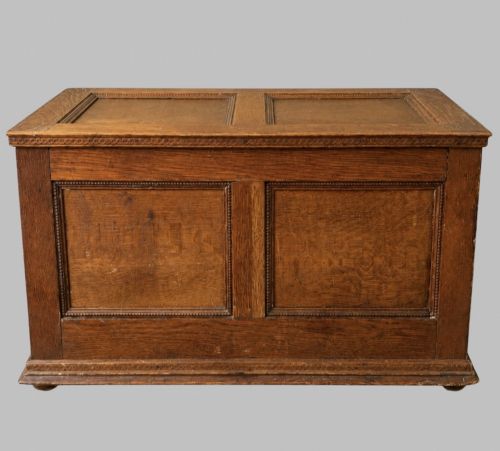


Edwardian Panelled Bed
An edwardian panelled bed brings solid timber construction and architectural dignity to a bedroom, offering a sturdy frame defined by traditional joinery and inset wooden panels.
Edwardian Panelled Bed
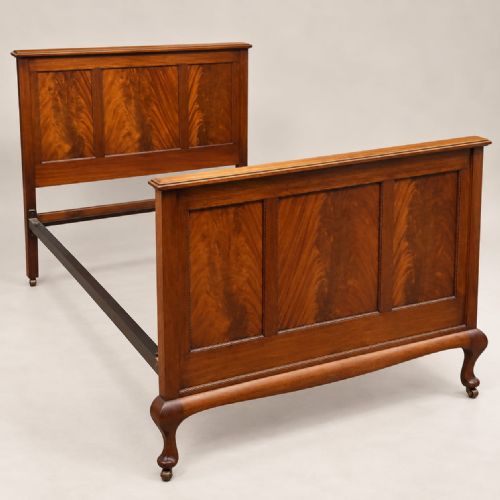
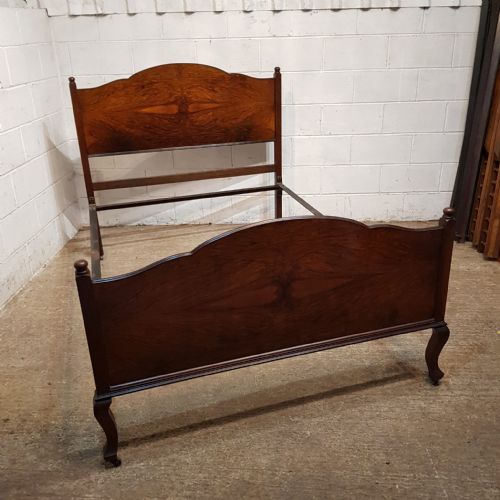
The edwardian panelled bed is a substantial sleeping frame typically constructed during the early twentieth century, featuring prominent headboards and footboards built with framed wooden panels. These pieces reflect the domestic architecture of the period, favouring clean lines and flat wooden surfaces over heavy Victorian ornamentation.
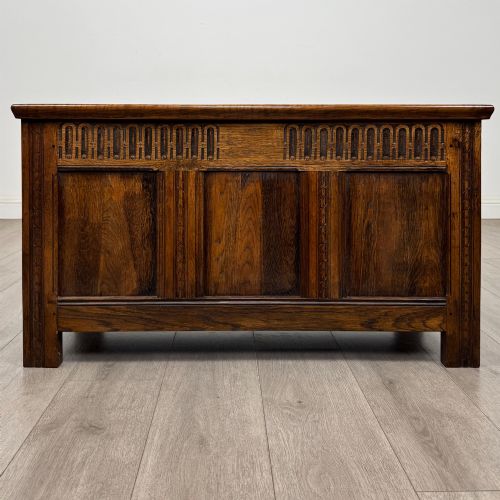
The versions most commonly encountered on this page are double and single bedsteads formed primarily from oak or mahogany. Makers of the period often employed inset panels within sturdy wooden framing to give the bedstead a clean, architectural presence.
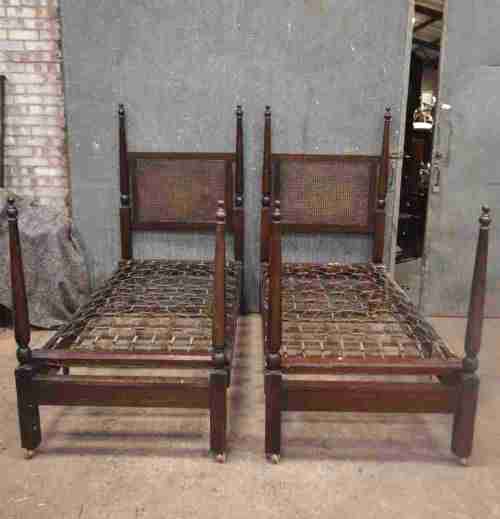
While the core aesthetic belongs to the Edwardian era, related examples stretch from late Victorian adaptations through to items produced in the 1920s. Buyers also occasionally find variants that incorporate cane inserts or carved details reflecting concurrent Arts and Crafts tastes.
How they were made
These bedsteads rely primarily on solid timbers such as oak, mahogany, and walnut, often selected for their distinct grain patterns. Cabinetmakers utilised traditional mortise and tenon joinery to construct the heavy headboards and footboards, ensuring the frame could withstand regular domestic use.
Secondary materials like brass or iron frequently appear in the internal support rails and hardware, providing the necessary structural rigidity. Surface finishes were typically kept to polished wood or subtle hand-painting, highlighting the natural figure of the mahogany or oak rather than masking it beneath heavy lacquers.
Edwardian Panelled Bed Retail Price Guide 2026
Typical asking prices for edwardian panelled bed among the pieces listed under this phrase on Sellingantiques today, from the lower quarter to the upper quarter. They describe what is for sale here now, not the wider market.
Listings feature woods including oak, mahogany, walnut, and satinwood, alongside iron and brass elements.
What varies in quality
The distinction between standard commercial pieces and finer examples rests on the selection of timber and the precision of the panel construction. Superior beds utilise dense, well-figured burr walnut, mahogany, or solid oak with cleanly fitted panels that remain stable across the seasons.
Makers of higher-status items incorporated subtle decorative touches, such as hand-carved mouldings or maker stamps from established cabinet makers, whereas simpler workshop pieces relied entirely on machine-planed boards and plain framing.
Heals·Maple and Co
The Edwardian Panelled Bed Glossary
- Bedstead
- A framework of wood or metal that supports a mattress and forms the complete bed. This term specifically includes the headboard, footboard, and side rails.
- Bergere
- A type of upholstered armchair or bed component featuring woven cane panels set into a wooden frame. It brings a lighter texture to the heavy timber construction.
- Mortise and tenon
- A traditional woodworking joint where a projecting tongue fits snugly into a corresponding hole. This method provides immense structural strength without relying on metal fasteners.
- Panelled
- A construction method where flat sections of wood are captured within a surrounding frame. This technique accommodates the natural expansion and contraction of timber.
Edwardian Panelled Bed: Frequently Asked Questions
How do I care for the polished wood surfaces?
Maintaining the finish requires regular dusting with a dry, soft cloth and the occasional application of traditional beeswax. Avoid placing these wooden frames near direct heat sources or strong sunlight, which can dry out the timber.
Keeping the room at a stable humidity level protects the structural integrity of the inset panels and prevents the wooden joints from loosening over time.
Are these beds easy to assemble?
Edwardian bedsteads were designed for domestic transport and typically dismantle into a headboard, footboard, and two side rails. They use traditional iron bed bolts or metal locking brackets that slot together without complex tools.
Two people are usually required to handle the heavy solid oak or mahogany components safely during assembly and positioning in the bedroom.
How do I distinguish Edwardian beds from Victorian ones?
Edwardian examples generally feature lighter proportions, simpler lines, and less ornate carving than their Victorian predecessors. The timber is often left with a brighter, more natural finish that celebrates the grain.
Victorian bedsteads lean towards darker, heavier stains and more elaborate surface decoration, whereas Edwardian pieces reflect a growing preference for light and orderly domestic spaces.