

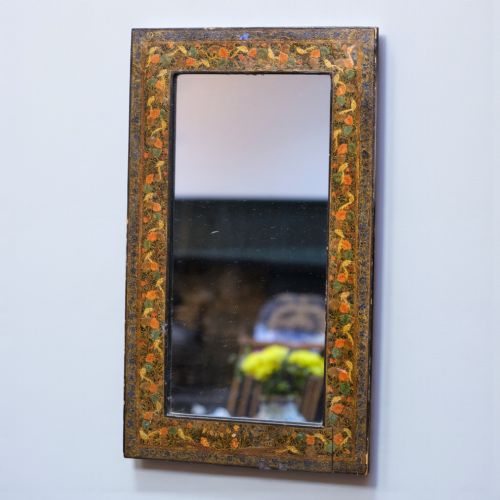
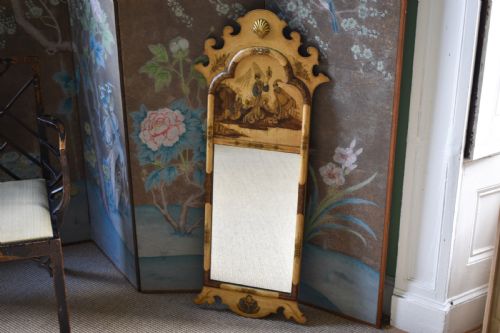
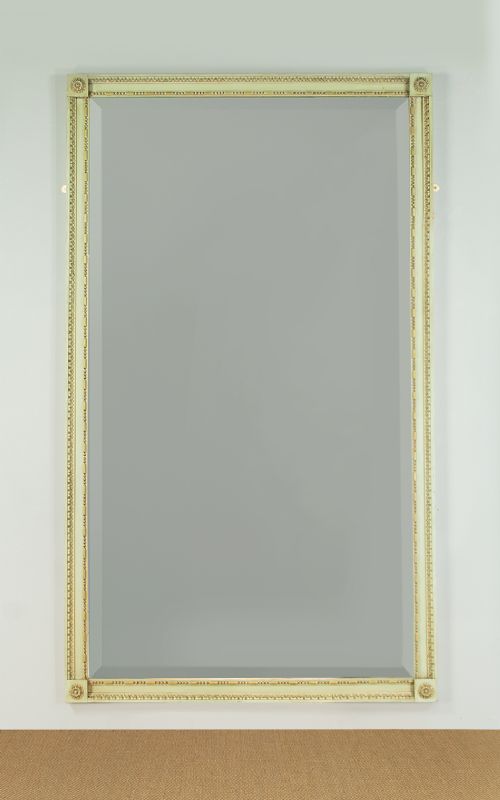


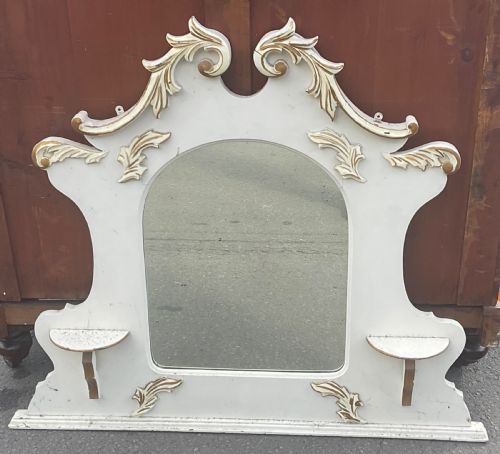

Edwardian Painted Wall Mirror
An edwardian painted wall mirror brings lightness to a room through delicate brushwork and clear glass.
Edwardian Painted Wall Mirror
An edwardian painted wall mirror combines decorative painted surfaces with functional glass, frequently appearing in forms designed to hang above mantels or on principal walls. Buyers searching this phrase encounter overmantel mirrors, pier glasses, and oval or rectangular wall-hanging formats created during the early twentieth century and the Victorian era.
The selection ranges from architectural overmantels to smaller decorative wall pieces, encompassing revival aesthetics such as Queen Anne, Sheraton, and French Rococo styles. Painted woodwork, parcel gilt accents, and gesso ornamentations define the visual identity of these items across domestic interiors.
Makers utilised woods like yew, walnut, and satinwood alongside black lacquer and painted pine, often pairing the mirror glass with oil paintings, maritime scenes, or floral gesso reliefs. These pieces reflect the eclectic tastes of their period, bridging formal revival designs and lighter domestic furnishings.
How they were made
Construction relies upon carved wood frameworks and applied gesso, which provided the raised contours necessary for complex moulding and floral motifs. Artisans built structural carcases from timber such as pine, walnut, or mahogany before applying preparatory layers of gesso to receive paint, lacquer, or gold leaf.
Surface decoration involved hand-applied paintwork, japanning, or parcel gilding, occasionally incorporating oil paintings on panels set directly into the frame above the glass plate. Gilding techniques employed gold leaf laid over red bole, while painted finishes utilised oil-based pigments on dark lacquer or light grey grounds.
Edwardian Painted Wall Mirror Retail Price Guide 2026
Typical asking prices for edwardian painted wall mirror among the pieces listed under this phrase on Sellingantiques today, from the lower quarter to the upper quarter. They describe what is for sale here now, not the wider market.
Listings feature woods including yew, walnut, satinwood, and painted pine alongside gesso, glass, and gold leaf.
What varies in quality
The refinement of the carved wood and gesso ornamentation dictates the primary tier of distinction among these mirrors. Crisp, undercut foliage and hand-modelled relief work separate superior examples from coarser, mass-produced mouldings.
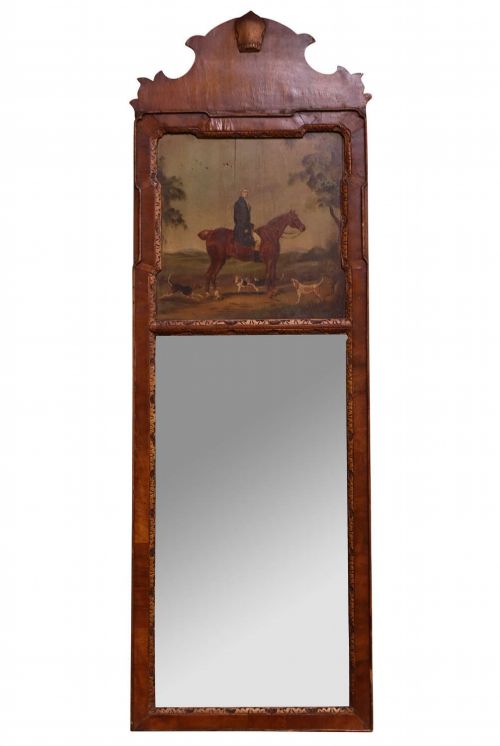
The integration of supplementary artistic elements, such as hand-painted oil panels depicting equestrian scenes or maritime subjects, elevates the status of a piece. Furthermore, the depth of the lacquer finish and the preservation of original gilding significantly influence the character of the surface.
The Edwardian Painted Wall Mirror Glossary
- Gesso
- A plaster-like mixture applied to wood frames to create a smooth surface for gilding or painting. It allowed craftsmen to mould intricate relief decorations before finishing.
- Overmantel mirror
- A large horizontal mirror designed to hang specifically above a fireplace mantelpiece. These pieces often anchor the decorative scheme of a reception room.
- Pier glass
- A tall, narrow mirror traditionally hung on the wall space between two windows. They reflect ambient daylight deeper into the interior.
- Parcel gilt
- A decorative technique where specific portions of a carved or painted surface are highlighted with gold leaf. This creates contrast against a dark or painted background.
- Trumeau mirror
- A decorative wall mirror incorporating a painted panel or oil painting within the upper section of the frame. Originating in France, these pieces served as permanent architectural fittings.
Edwardian Painted Wall Mirror: Frequently Asked Questions
Where should I hang an overmantel mirror?
An overmantel mirror sits naturally above a fireplace mantelpiece, where its horizontal proportions balance the hearth below.
Alternatively, hanging one above a low sideboard or console table creates a similar focal point within a principal room.
How do I clean a painted wooden frame?
Dust the carved and painted wooden surfaces gently using a dry, soft bristle brush or a clean microfiber cloth.
Avoid liquid cleaners, moisture, and abrasive solvents, as these substances can damage delicate gesso work and historic paint layers.
How do I distinguish Edwardian mirrors from Victorian ones?
Edwardian mirrors generally exhibit lighter painted finishes, satinwood highlights, and neoclassical or Sheraton revival influences that brighten interior spaces.
Victorian counterparts tend towards heavier ebonised frames, deeper gesso mouldings, and formal gilt overmantel formats with more ornate architectural carvings.