




Edwardian Painted Pottery
Edwardian painted pottery brings together delicate hand-enamelled florals and vibrant glazes from the turn of the twentieth century that instantly brighten any mantelpiece.
Edwardian Painted Pottery
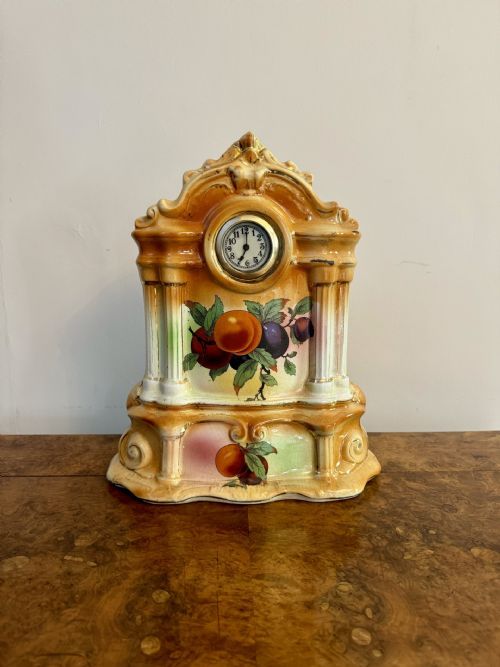
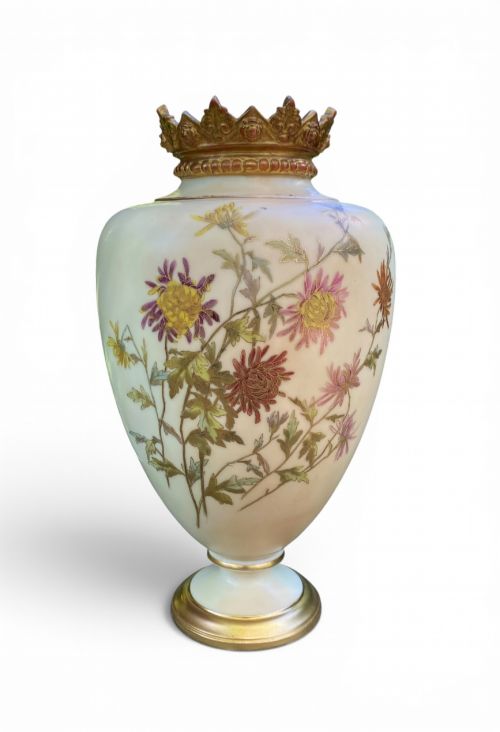
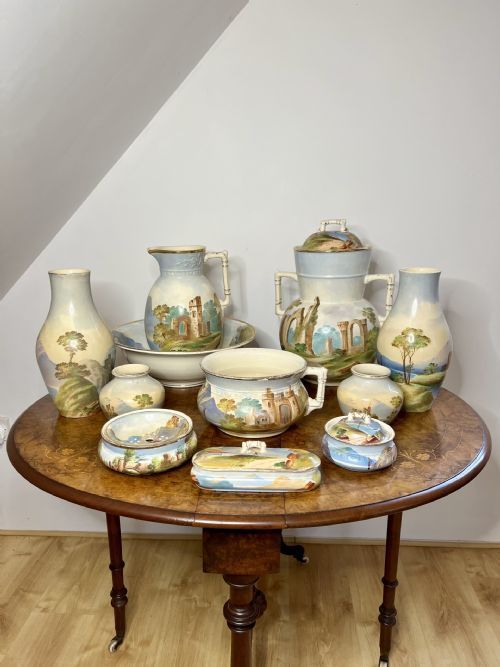
When searching for edwardian painted pottery, collectors encounter a diverse range of decorative ceramic items originating primarily around nineteen hundred and the surrounding decades. Vases, wash sets, commemorative cups, and mantel clocks form the core of what appears on the market, spanning domestic English earthenware alongside continental and Asian imports. These pieces reflect the artistic shifts of the period, moving from Victorian aesthetic sensibilities through Art Nouveau curves toward early Art Deco styling.
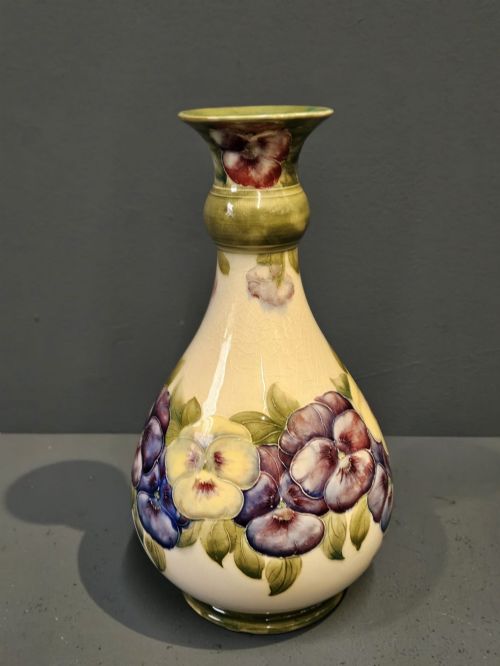
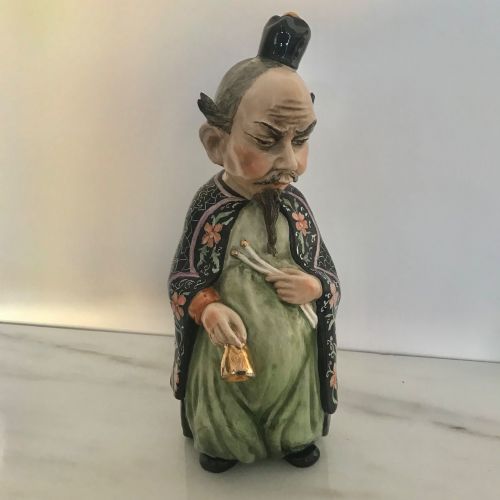
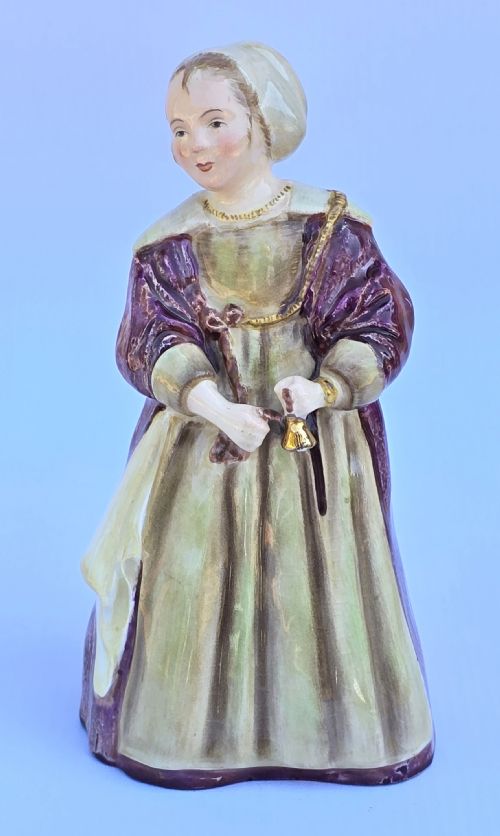
The most common examples on this page are British earthenwares and porcelains decorated with hand-painted or hand-enamelled botanical and figural scenes. Makers from Staffordshire to Scotland produced these vibrant domestic items alongside notable factories producing Satsuma wares and French faience. Buyers frequently select these colourful items to introduce period character and traditional ceramic artistry into contemporary interiors.
Materials and construction
Potters shaped these objects using earthenware, porcelain, and ceramic bodies before applying liquid glazes to seal the porous clay. Surface decoration often relied on hand-enamelled pigments and slip painting, sometimes accented with gold leaf or gilt highlights. Firing in kilns fixed the vibrant colours permanently into the glazed surface, producing the characteristic glossy finishes seen across the inventory.
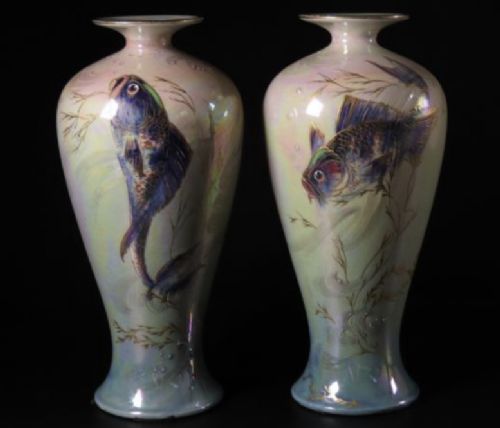
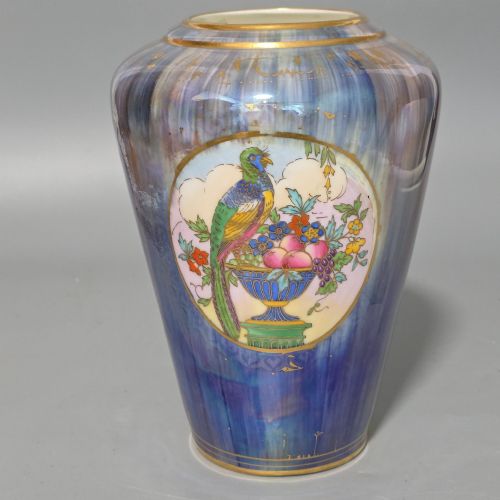
Specialised techniques such as lustre glazing created iridescent metallic sheens across vases and decorative bowls. Factories employed skilled artists to paint intricate floral patterns, landscapes, and fish designs directly onto the unfired or biscuit-fired ceramic bodies. This combination of traditional throwing or moulding with meticulous hand decoration defined the high output of the era.
The inventory records diverse international origins, including English factories, Scottish potteries, French faience, and Japanese Satsuma wares.
Factors that influence quality
The skill of the individual artist significantly separates standard production pottery from exceptional studio pieces. Hand-painted works bearing specific artist signatures or attributed to notable designers command greater attention due to the precision and detail of the brushwork. The complexity of the enamel palette and the successful application of lustres or gilt also elevate the visual impact of an object.
The physical condition of the glaze and enamel surface dictates the desirability of any ceramic piece. Firing flaws and heavy wear to delicate gold leaf or painted details detract from the overall integrity of the design. Intact pairings of vases or complete wash sets retain higher aesthetic and collectible standing than isolated single items.
Moorcroft McIntyre·Walter Slater·Minton·Wileman Intarsio·Royal Doulton·Wemyss·Kinkozan Kyoto·Wedgwood and Co Ltd·HR Quimper
The Edwardian Painted Pottery Glossary
- Earthenware
- A porous pottery body fired at relatively low temperatures which requires a vitreous glaze to hold liquids. It served as the foundation for the majority of domestic decorative wares and wash sets.
- Lustre
- A type of ceramic glaze containing metallic elements that produce an iridescent sheen upon firing. This technique created shimmering colour effects popular on decorative vases.
- Enamel
- Opaque glass-like pigments applied over a fired glaze and subsequently fused in a muffle kiln. It provided the brilliant, saturated colours characteristic of painted floral and figural decorations.
- Faience
- Tin-glazed earthenware produced in continental Europe, often featuring bright hand-painted folk motifs. French examples appear frequently among imported decorative ceramics.
- Satsuma
- Japanese earthenware pottery featuring a crackled ivory glaze decorated with intricate enamel patterns and gilt. These decorative items were widely exported to Britain during the late nineteenth and early twentieth centuries.
Edwardian Painted Pottery: Frequently Asked Questions
How do I clean antique painted pottery?
Dust these ceramic pieces gently with a dry, soft brush to remove surface particles without disturbing delicate enamel work.
Avoid submerging items in water, particularly those with gilt highlights or lustre finishes, as moisture can penetrate old glaze fractures.
Were wash sets used daily?
Complete wash sets served a practical purpose in Edwardian bedrooms before plumbed bathrooms became standard in every home. Jugs and basins held water for morning washing routines.
Today, collectors frequently repurpose these large ceramic vessels as decorative umbrella stands or indoor plant holders.
How can I identify Art Nouveau pottery?
Look for characteristic whiplash lines, stylised floral motifs, and organic, flowing forms inspired by natural growth. These design elements distinguish turn-of-the-century pieces from earlier Victorian geometric patterns.
Makers often incorporated stylized plant stems and insect designs into the painted surface decoration.
What is Satsuma pottery?
Satsuma ware originates from Japan and is easily recognised by its distinctive cream-coloured, finely crackled glaze. Artisans applied dense hand-painted enamel scenes and gold leaf over this base.
These decorative vases and bowls were immensely popular in British interiors during the Edwardian period.