


Edwardian Painted Porcelain Plates
These edwardian painted porcelain plates combine delicate hand-painted artistry with fine ceramic forms, offering collectors a glimpse into early twentieth-century decorative taste.
Edwardian Painted Porcelain Plates
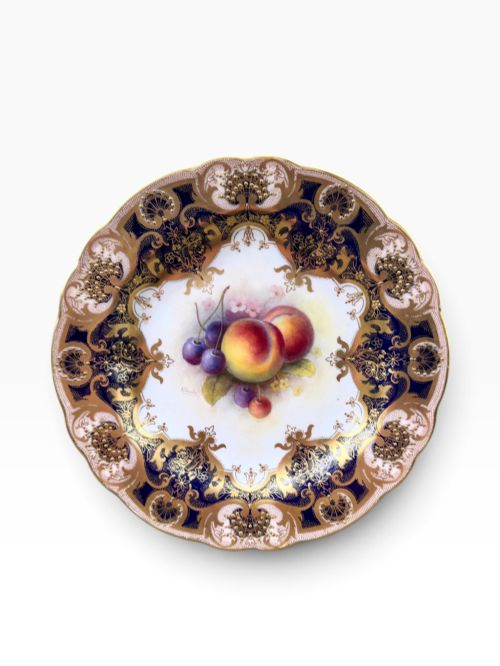
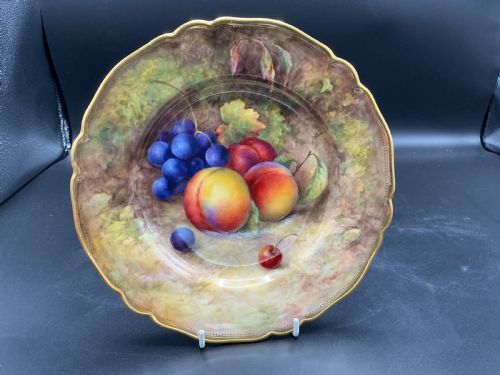
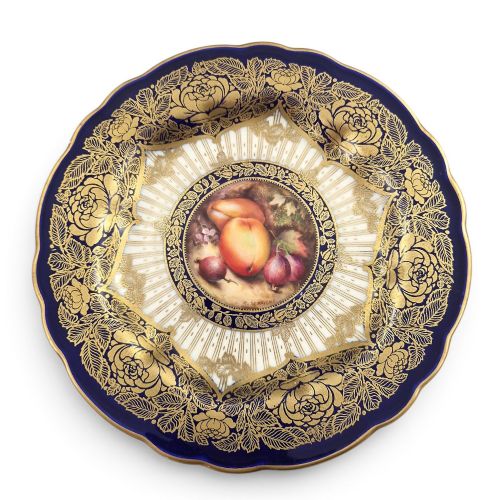
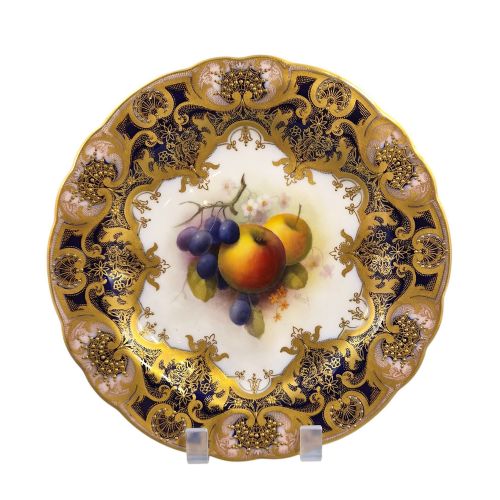
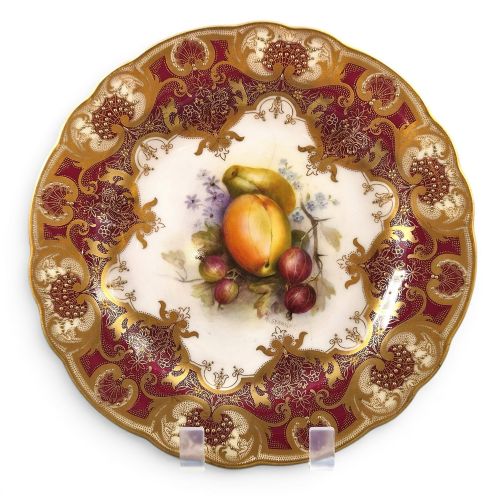
Edwardian painted porcelain plates encompass decorative cabinet pieces, dessert dishes, and soup plates produced primarily around the turn of the twentieth century. These items were designed largely for display rather than daily dining, intended to showcase the skill of porcelain painters in affluent households.
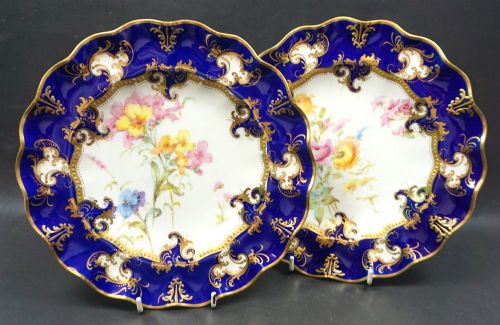
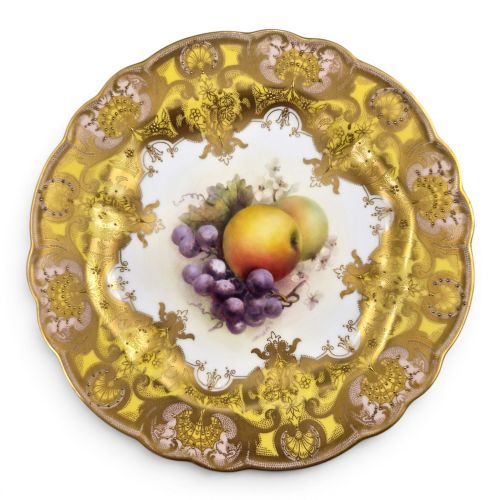
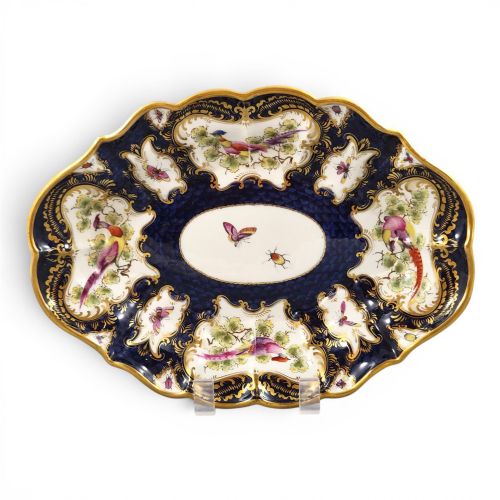
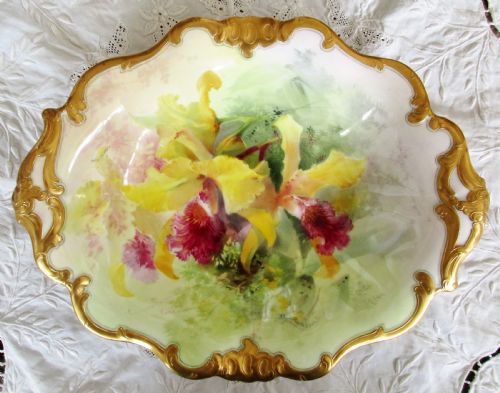
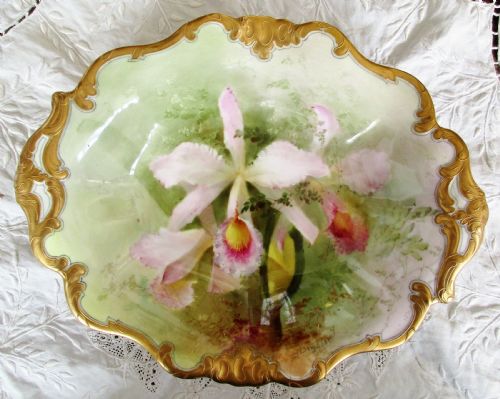
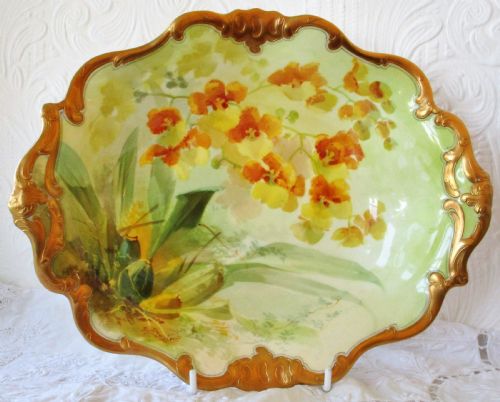
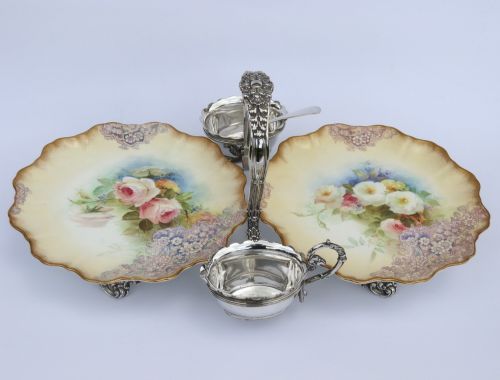
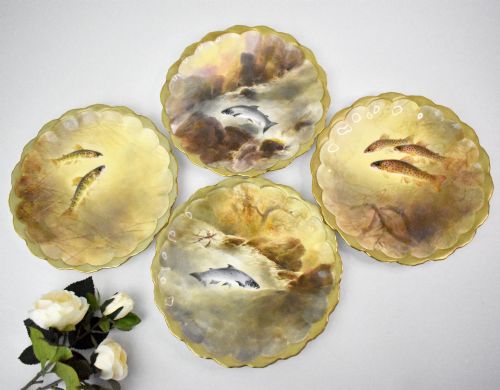
The selections encountered here often feature detailed hand-painted botanical subjects, birds, fruit, and aquatic scenes rendered on porcelain and bone china. Forms range from standard circular cabinet plates to shaped dishes with scalloped or rope-edge borders.
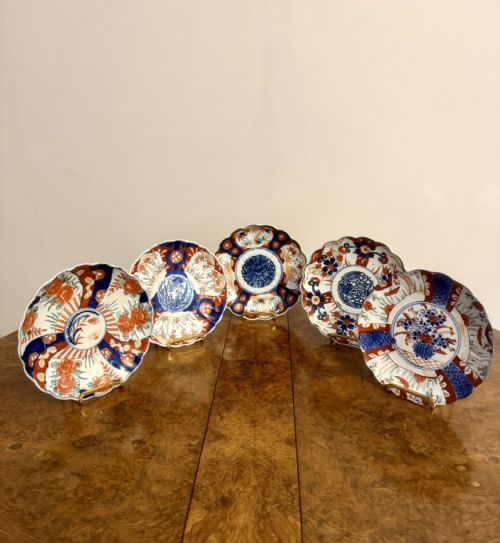
While the core group aligns with the Edwardian era, related examples extend from the Victorian period through the nineteen-fifties, incorporating styles such as Japanese Imari, Rococo Revival, and Art Nouveau alongside British factory output.
Materials and production methods
Manufacturers shaped fine porcelain and bone china into plates and dishes before applying underglaze prints or hand-painted enamels. Artisans frequently integrated gold leaf, gilding, and tooled gilt to highlight borders and rims.
Painting required multiple kiln firings to set complex pictorial subjects, including delicate depictions of orchids, game birds, swans, and fruit. Specialised artists signed many of these works, linking individual painted scenes directly to notable porcelain studios.
The selection spans production years from nineteen hundred through the nineteen-fifties, incorporating Japanese Imari and Art Nouveau styles.
Distinguishing quality in painted ceramics
Quality rests significantly upon the skill and renown of the porcelain painter whose brushwork appears on the surface. Detailed, naturalistic depictions by recognised artists elevate a plate above standard factory decoration.
The sophistication of the surrounding ceramic body, including cobalt blue scales, pierced rims, and hand-tooled gilding, also defines the standard of the piece. Preservation of the enamel pigments and gold leaf through decades of handling determines the integrity of the object.
Royal Worcester·Royal Doulton·Royal Crown Derby·Coalport·Wedgwood·Walker and Hall·Grainger and Co
The Edwardian Painted Porcelain Plates Glossary
- Cabinet plate
- A decorative ceramic plate intended for display in a cabinet or on a wall rather than for practical table use. These pieces usually feature elaborate painted scenes and gilded borders.
- Bone china
- A type of soft-paste porcelain containing bone ash, known for high strength, chip resistance, and a milky translucent body. It provided a smooth white surface ideal for detailed enamel painting.
- Gilt
- A thin layer of gold applied to the surface of porcelain, often tooled or burnished to catch the light along the rim. It is characteristic of formal presentation wares from this period.
- Enamel
- Opaque glass-like pigments applied over the glaze and fired at lower temperatures to achieve rich colours. It forms the primary medium for hand-painted subjects on decorative plates.
Edwardian Painted Porcelain Plates: Frequently Asked Questions
Were these plates used for eating?
Most items described as cabinet plates or cabinet dishes served a purely decorative function within the home. They were displayed on stands or hung on walls to exhibit fine artistry.
Some related dessert sets and fish plates saw practical use during formal meals, though their survival in fine condition suggests careful handling and storage away from daily service.
How do I identify the artist?
Many painters signed their work directly on the front or back of the porcelain surface, sometimes accompanied by factory date ciphers or pattern numbers. Researching these signatures connects the piece to specific decorators employed by major potteries.
Factory marks on the underside also help date the manufacture and confirm the producing studio.
What subjects are most common?
Botanical studies, particularly orchids and floral arrangements, appear frequently alongside hand-painted fruit compositions. Animals, including game birds and swans, also form major decorative themes.
Traditional Japanese Imari patterns offer a contrasting geometric and rich cobalt aesthetic within the same period.
How should I display them?
Display requires secure plate hangers or dedicated stands that support the weight of the ceramic without damaging the rim or gilt edges. Direct sunlight can fade delicate enamel colours over long periods.
Placing them away from high-traffic areas prevents accidental knocks to these fragile painted surfaces.