
Edwardian Open Book Stand
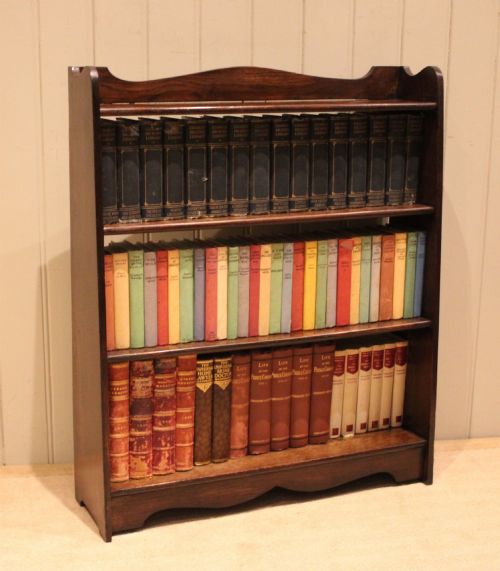
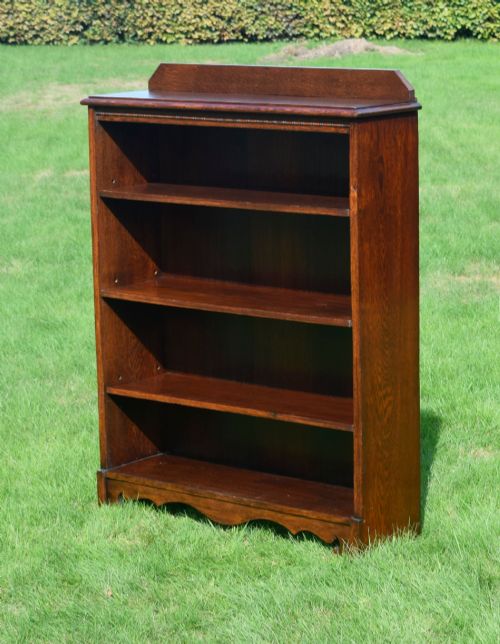
An edwardian open book stand brings accessible, tiered shelving to daily reading spaces with distinct period character.
Edwardian Open Book Stand
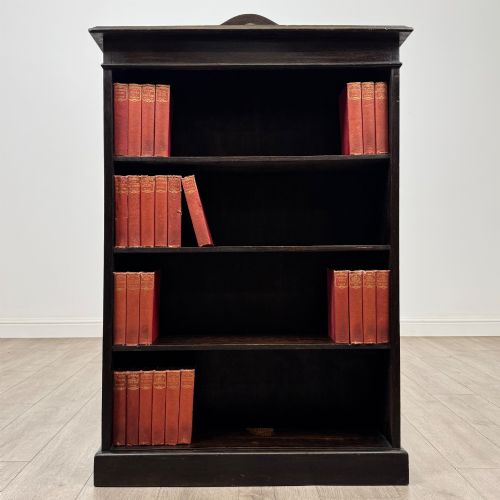
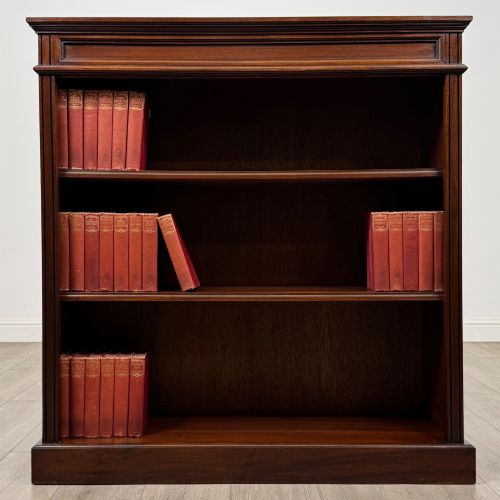
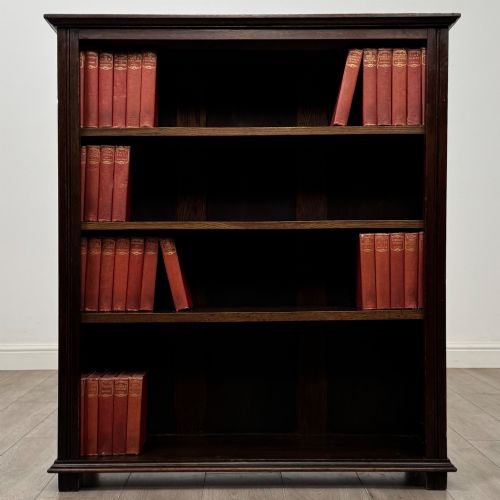
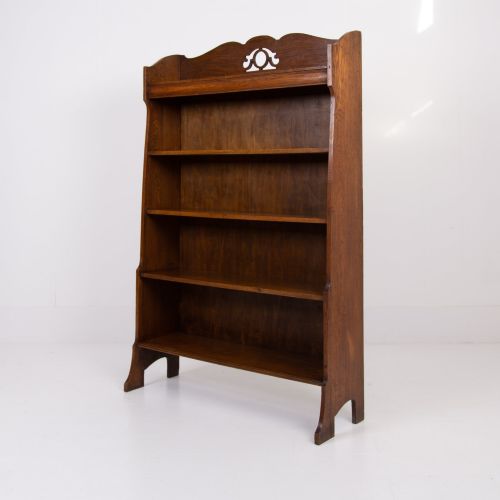
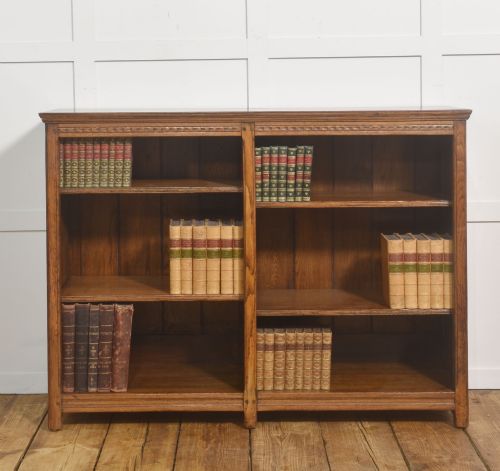
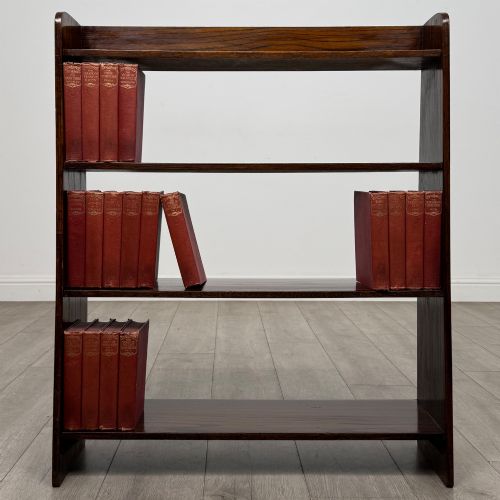
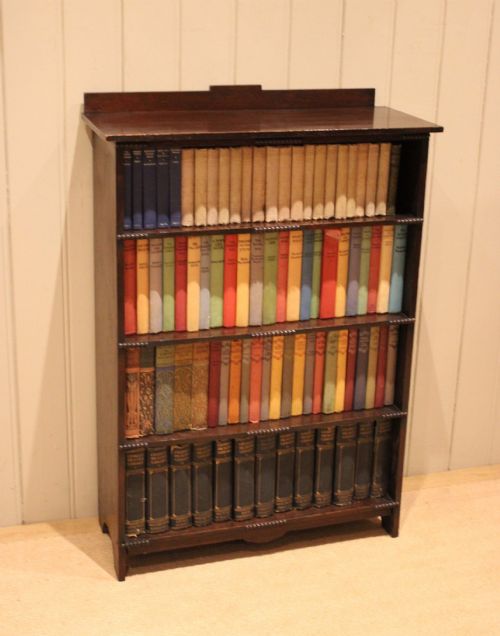
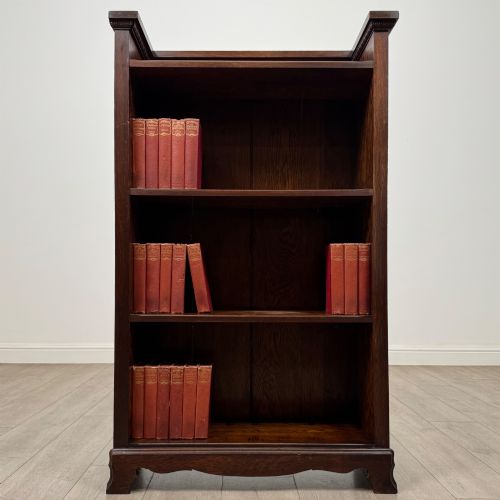
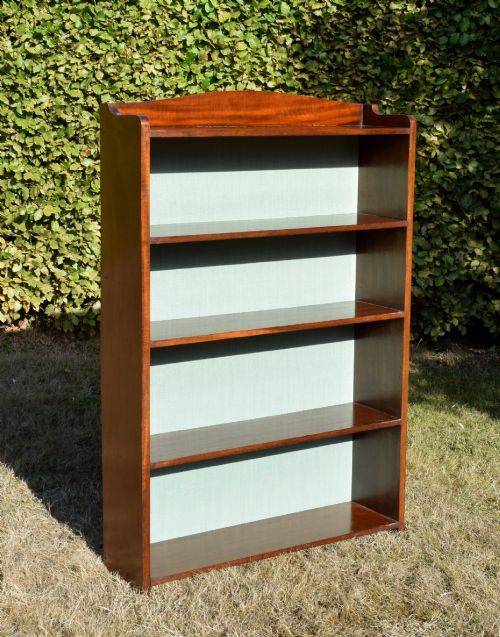
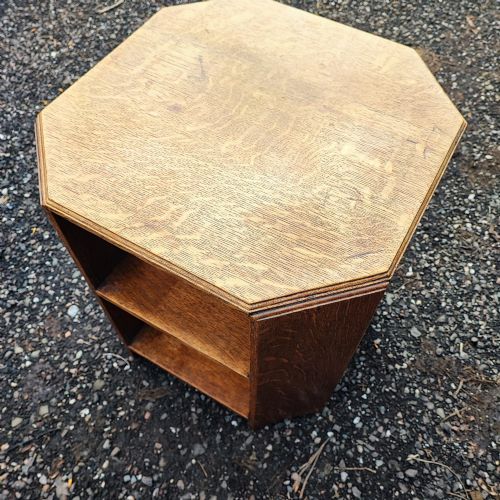
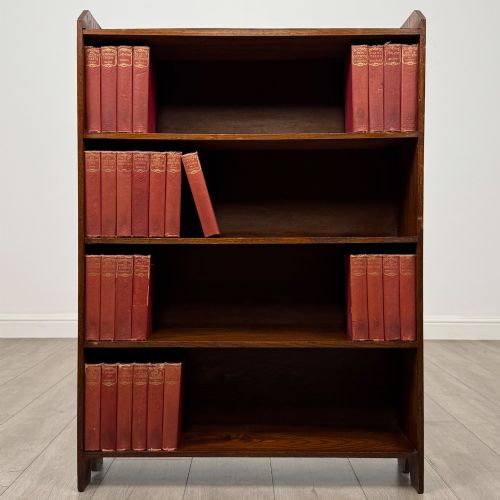
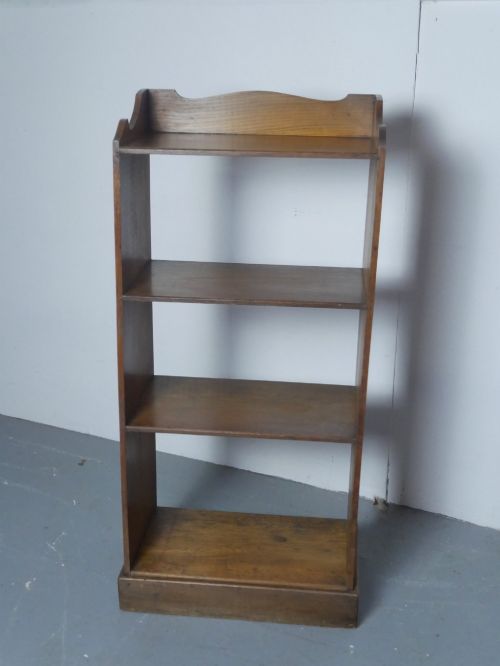
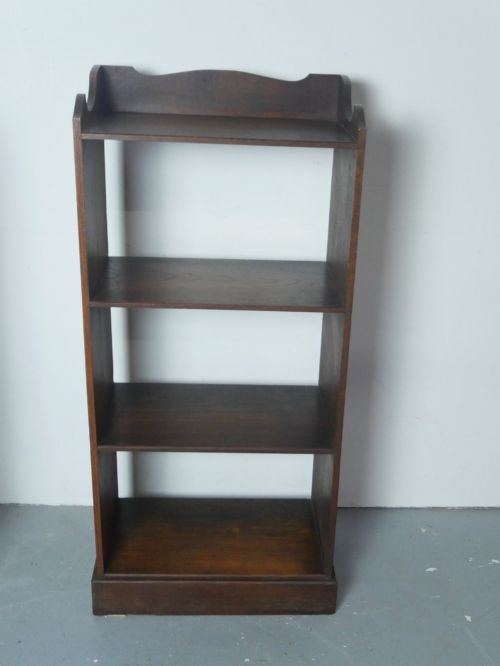
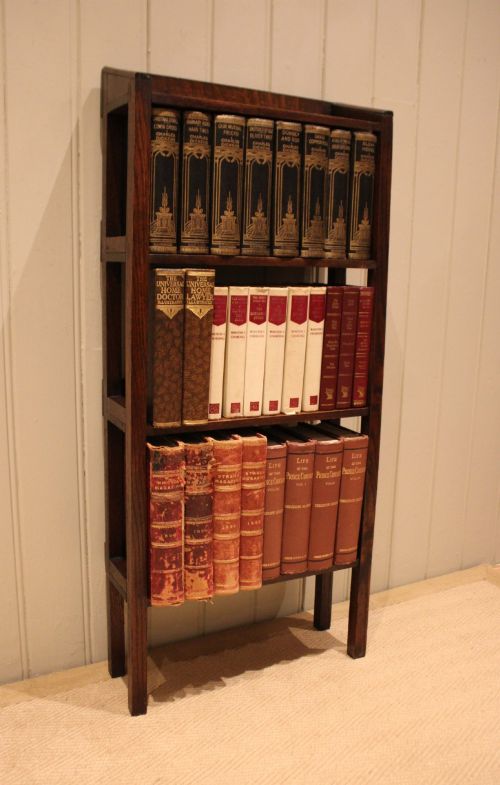
An edwardian open book stand appears in forms ranging from compact table-top units to tall standing open bookcases and waterfall designs. The evidence shows these pieces span the Edwardian period alongside pieces from the late Victorian era up to the 1930s.
Oak and mahogany dominate the offerings, built primarily as open-front shelving units with occasional variations like adjustable shelves, brass castors, and fabric details. Buyers will also encounter Arts and Crafts influences alongside revival styles such as Jacobean and Regency.
The selections include specialised variants like sewing trough combinations, side tables, and fret-cut waterfall formats. These items function practically for storing volumes while serving as prominent furniture pieces within a room.
What varies in quality
The standard of timber selection and complexity of ornamentation separate standard production from superior pieces. Fine examples feature carefully matched veneers, intricate fret-cut panels, and thoughtful proportions.
Integration of practical details like smooth mechanical shelf adjustments and durable brass hardware distinguishes better examples. The presence of identifiable regional craftsmanship or attributed maker workshops elevates the standing of individual pieces.
Listings demonstrate a strong preference for oak and mahogany, spanning the Edwardian era through to the 1930s.
Wylie Lochhead of Glasgow·E.A. Taylor
The Edwardian Open Book Stand Glossary
- Waterfall bookcase
- A shelving unit where each successive tier steps back from the one below it, creating a cascading profile. This form gained popularity during the nineteenth and early twentieth centuries.
- Marquetry
- The art of applying pieces of veneer to a structure to form decorative patterns and pictures. Craftsmen utilised various coloured woods to achieve detailed surface designs.
- Arts and Crafts
- A design movement prioritising traditional craftsmanship and simple forms over mass production. Pieces from this style often display exposed joinery and hand-finished timber surfaces.
- Whatnot
- A piece of furniture consisting of a set of open shelves for displaying small objects or books. They typically feature slender supports and multi-tiered layouts.
Edwardian Open Book Stand: Frequently Asked Questions
Where should I place an open book stand?
These pieces suit living rooms, studies, and bedrooms where immediate access to daily reading material is useful. Their open configuration allows them to sit comfortably against walls or beside seating areas.
Larger standing variants require floor clearance, while smaller table-top or slope-shelf formats fit easily onto existing furniture surfaces.
How do I adjust the shelves?
Many period pieces incorporate traditional wooden support brackets or metal track systems that allow individual shelves to move up or down. This adaptability accommodates varying heights of books and collected volumes.
Care should be taken when sliding shelves along older wooden grooves to preserve the surrounding timber.
Are these pieces suitable for heavy books?
Solid oak and mahogany construction provides sturdy support for standard octavo volumes and everyday reading collections. The overall stability depends on the thickness of the timber and the rigidity of the upright supports.
Distributed weight across adjustable shelves keeps the structure balanced during regular use.
How do I distinguish Edwardian from Victorian pieces?
Edwardian items frequently display lighter oak tones, simplified Arts and Crafts influences, and restrained inlay patterns. Victorian examples tend to feature darker finishes, heavier proportions, and more elaborate carved detailing.
Overlaps occur around the turn of the century, where transitional design elements appear together in a single piece.