
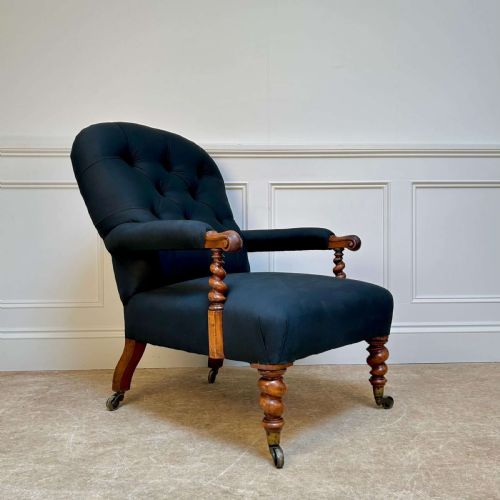
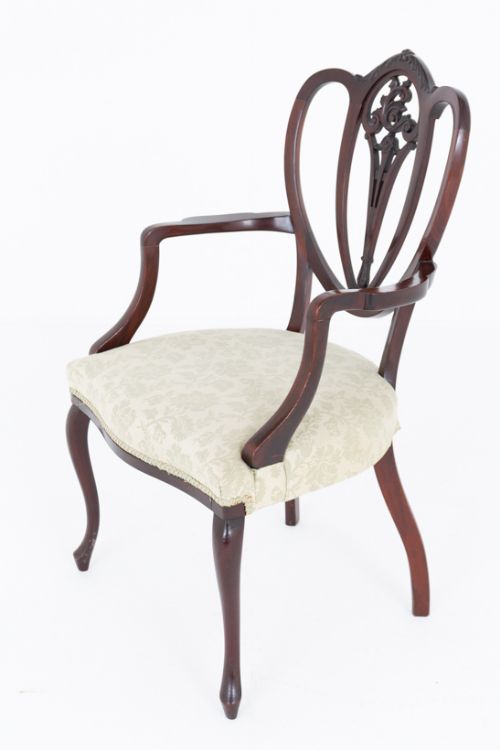
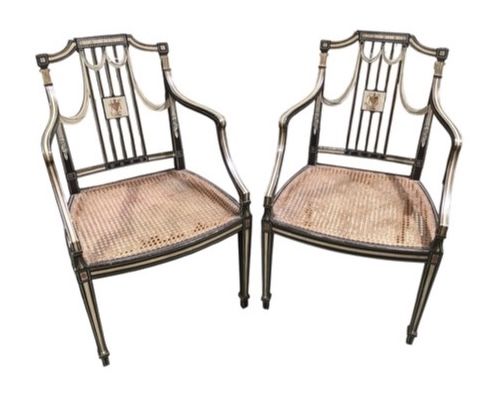

Edwardian Open Armchair
When you select an edwardian open armchair, you invite refined seating into your home that combines lighter proportions with enduring period comfort.
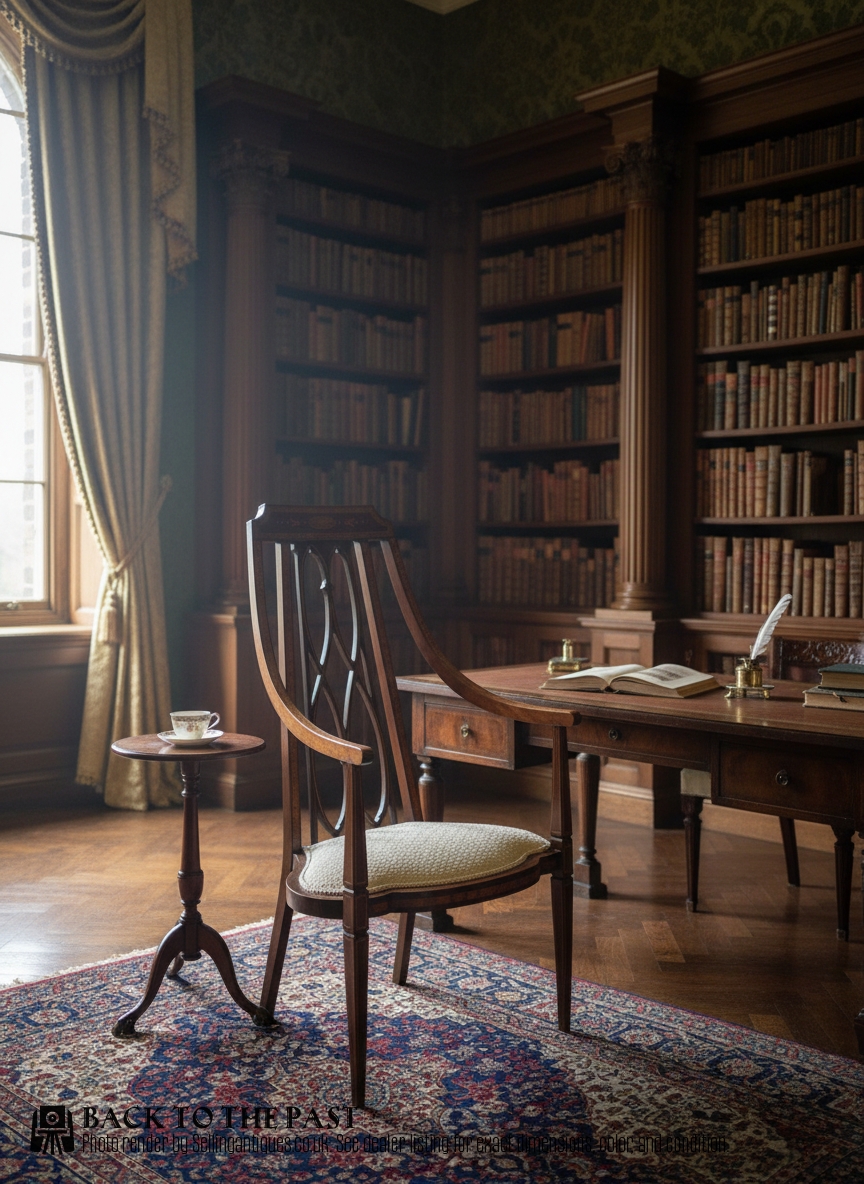
Edwardian Open Armchair
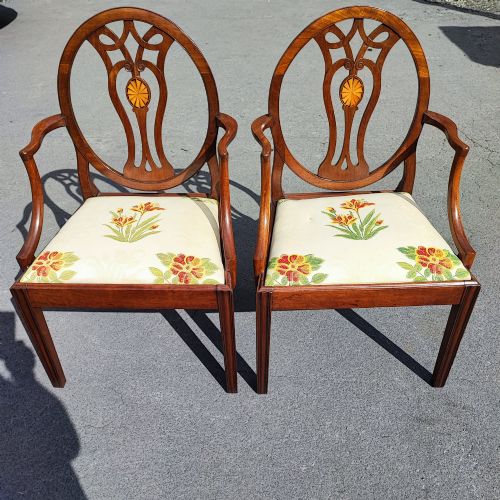
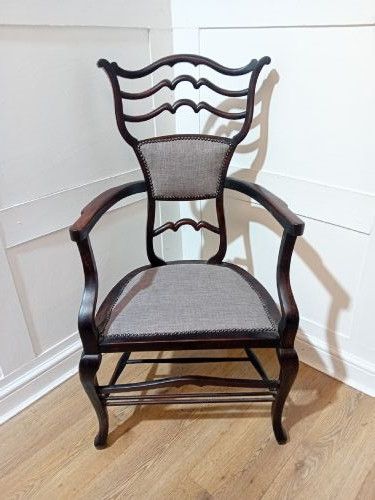
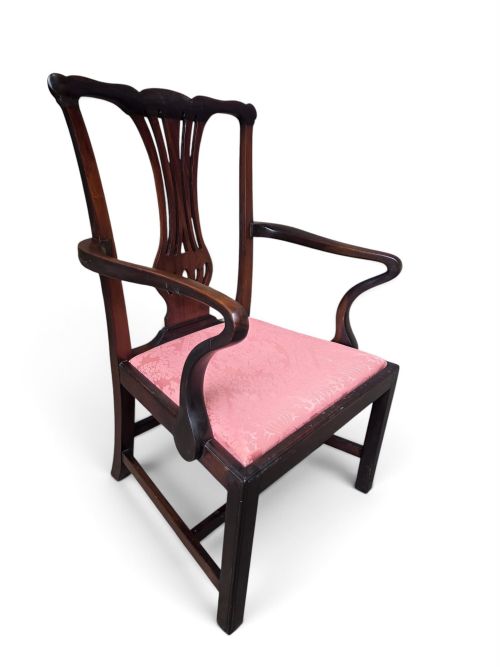
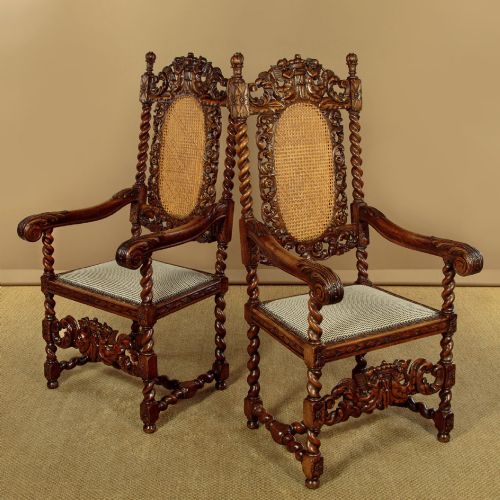
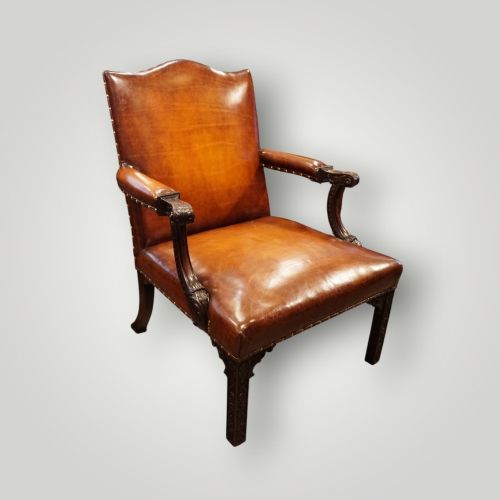
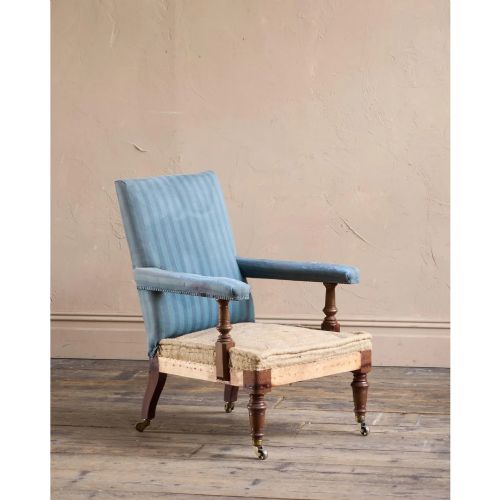
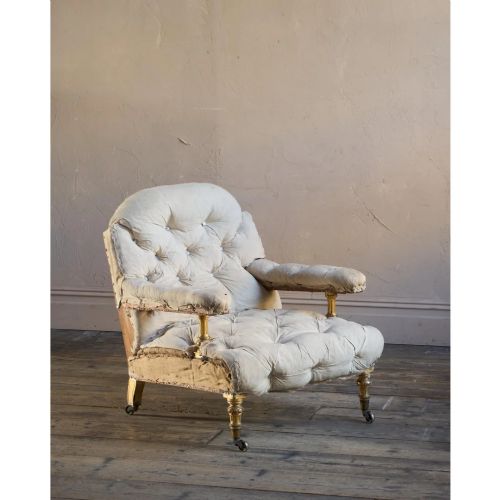
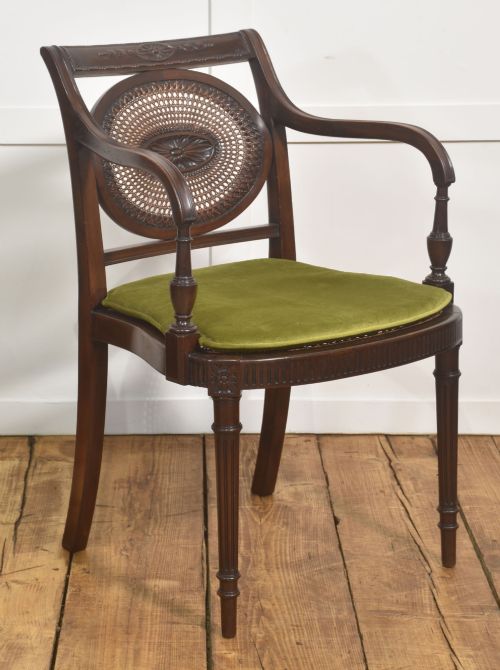
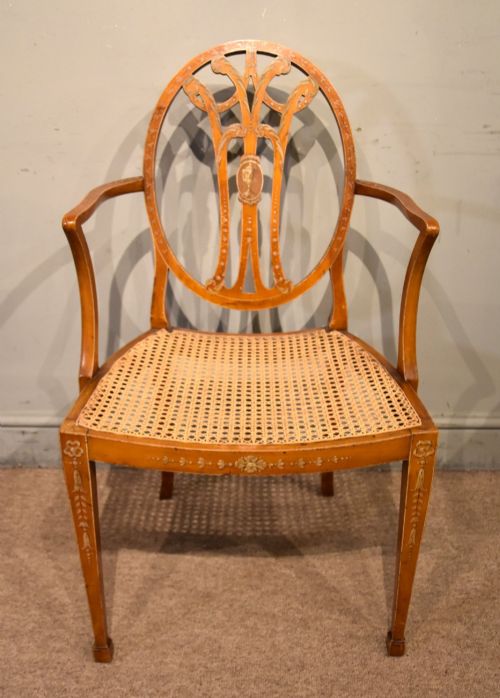
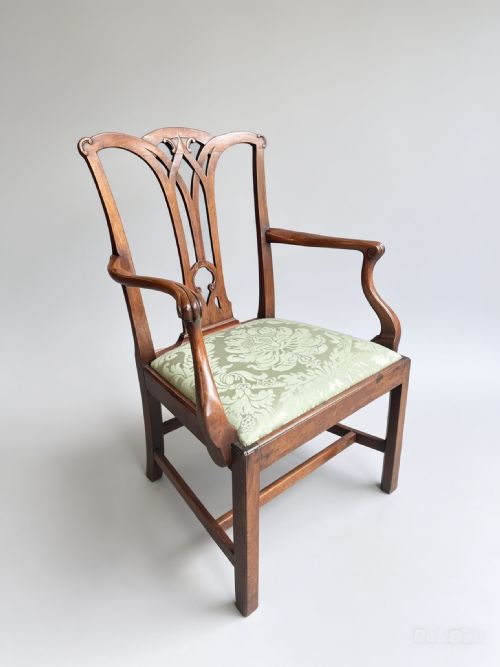
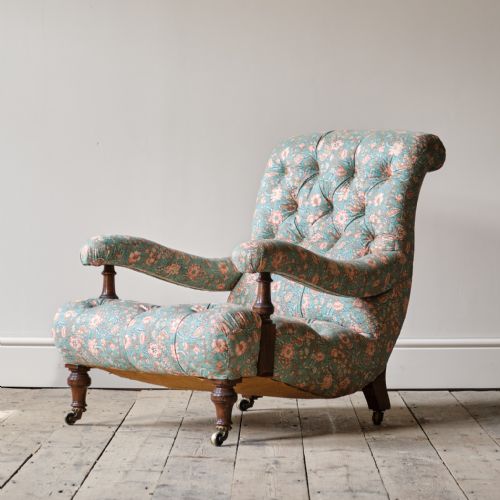
The edwardian open armchair represents an era of refined domestic seating, originating predominantly around the turn of the twentieth century. These pieces combine lighter structural frames with supportive armrests, designed for versatility across parlours, libraries and bedrooms.
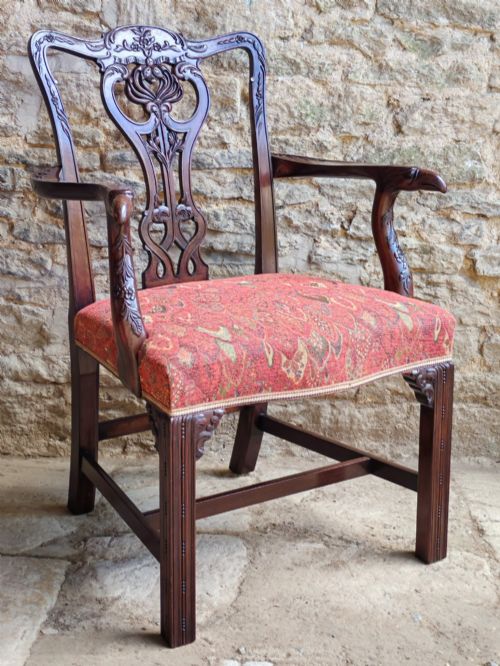
Makers and workshops of the period drew heavily on eighteenth-century precedents, producing pieces that echo chippendale, sheraton and hepplewhite aesthetics. Such seating provides functional elegance while retaining the structural integrity characteristic of late nineteenth and early twentieth-century cabinetmaking.
Assessing Quality and Craftsmanship
Superior examples display precise, crisp cabinetwork where decorative inlay sits flush within the primary timber rather than relying on surface painting alone. The crispness of carved details, such as blind fretwork or cabriole leg shaping, distinguishes workshop production from simpler commercial output.
Material selection dictates much of the distinction at the upper end of the range, visible in finely figured mahogany grain, carefully selected satinwood banding and substantial brass or wood fittings. The integration of upholstery materials, from hand-dyed hide to quality period textiles, further marks the distinction between standard room chairs and premier library seating.
Edwardian Open Armchair Retail Price Guide 2026
Typical asking prices for edwardian open armchair among the pieces listed under this phrase on Sellingantiques today, from the lower quarter to the upper quarter. They describe what is for sale here now, not the wider market.
Some chairs retain original nineteenth-century upholstery tacks holding fast after more than a century of sitting.
Howard and Sons·Holland and Sons·Hindley and Sons·James Shoolbred·Morison and Co·Robert Strahan·Thos Turner·Liberty of London
The Edwardian Open Armchair Glossary
- Carver
- An armchair, typically designed as a matching counterpart to a set of dining chairs, featuring open arms to accommodate fuller garments.
- Bergere
- An enclosed or partially open upholstered armchair featuring woven cane sides and a loose seat cushion, originating in France.
- Inlay
- A decorative technique where contrasting woods, shells or metals are inserted into recessed cavities flush with the surrounding timber surface.
- Marquetry
- Elaborate veneer work arranged in pictorial or geometric patterns across furniture panels and chair backs.
- Spindle back
- A chair back constructed from vertical turned wooden rods, commonly seen in arts and crafts and country seating.
Edwardian Open Armchair: Frequently Asked Questions
How are edwardian open armchairs best used?
These chairs suit studies, bedrooms and living spaces alike, functioning well as desk seats or occasional reading chairs.
Their lighter proportions allow them to fit easily into smaller corners without dominating a room.
Can I use these chairs daily?
Period seating is robustly constructed from timbers like mahogany and oak, making them entirely suitable for regular daily use.
Proper care of the upholstery and joints ensures they withstand everyday seating requirements.
What defines revival styles?
Revival pieces borrow decorative motifs from earlier eras, such as eighteenth-century chippendale carving or sheraton inlay.
Cabinetmakers applied these historical designs using contemporary turn-of-the-century manufacturing methods.
How do I care for cane seats?
Cane work benefits from occasional cleaning with a damp cloth to maintain flexibility in the natural fibres.
Avoiding excessive direct heat prevents the cane from drying out and becoming brittle over time.