



Edwardian Oil Painting Frame
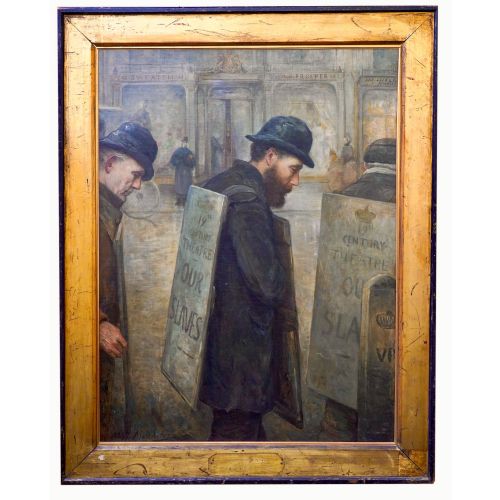
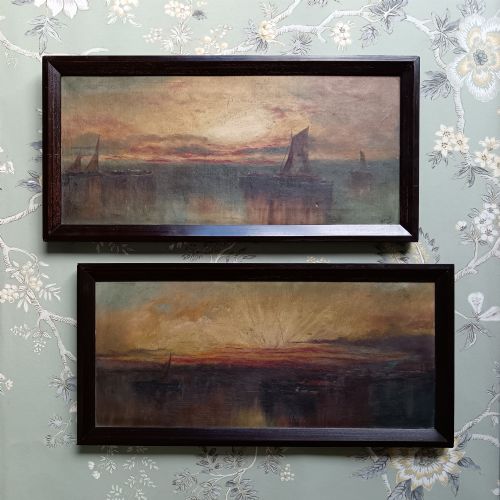
An edwardian oil painting frame houses works spanning portraits, landscapes and maritime scenes from the early twentieth century.
Edwardian Oil Painting Frame
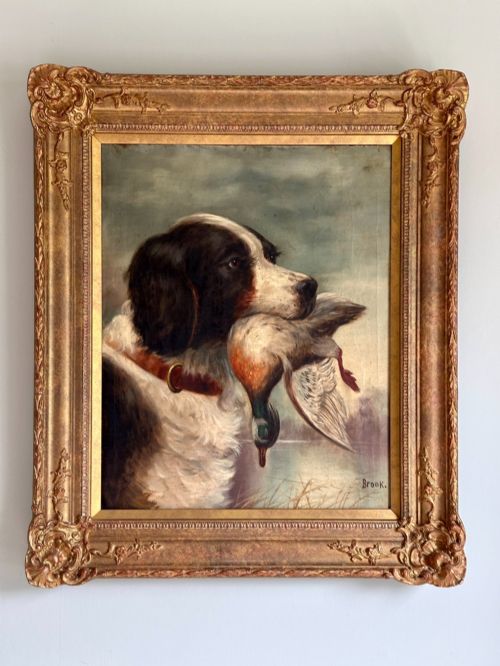
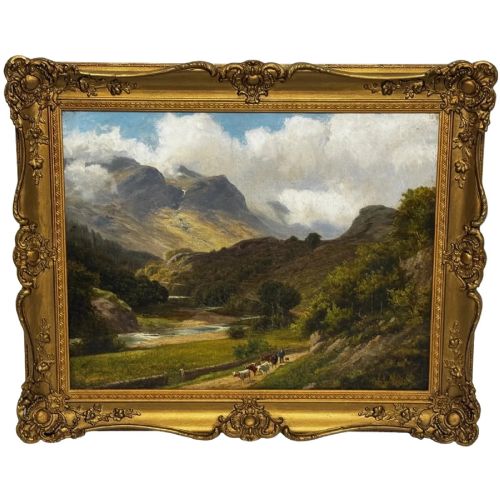
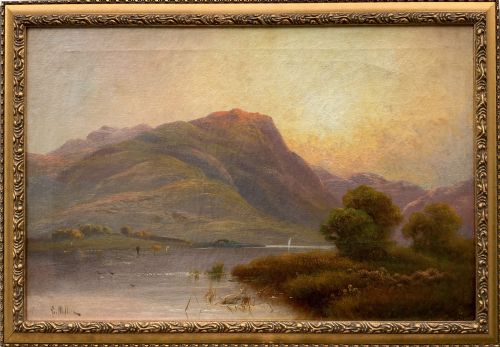
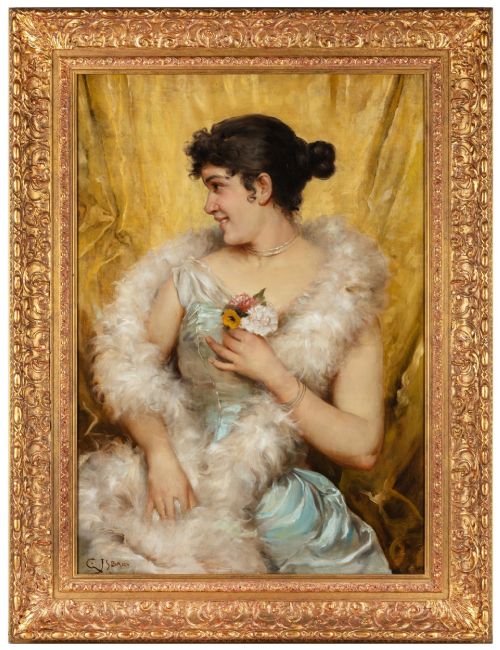
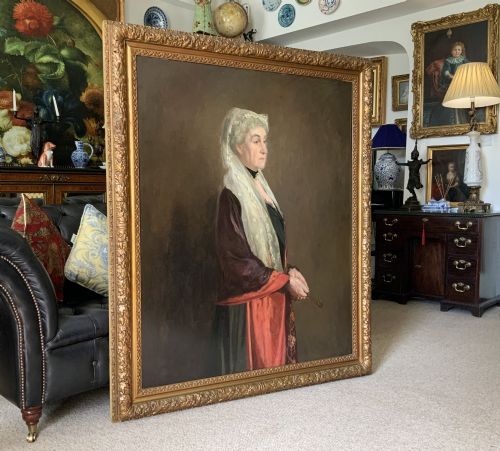
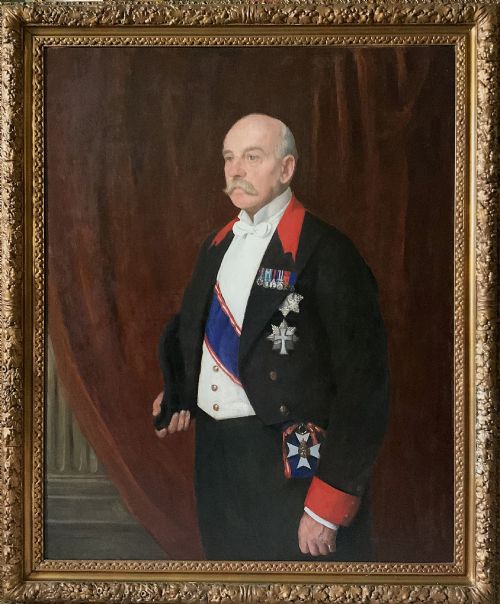
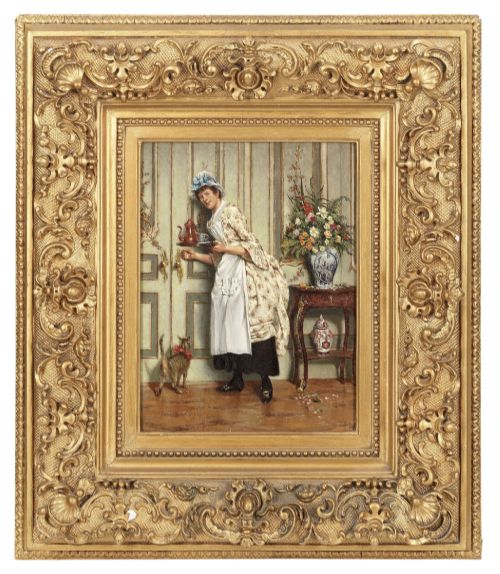
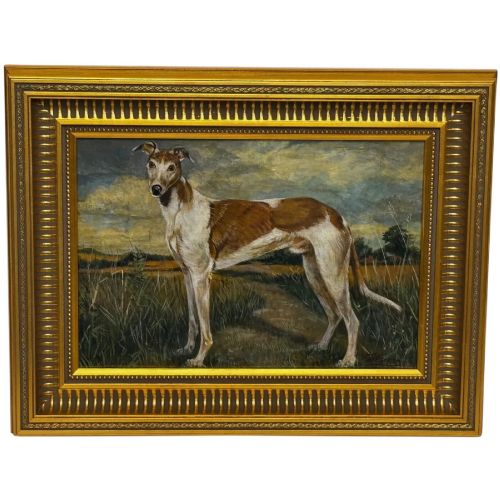
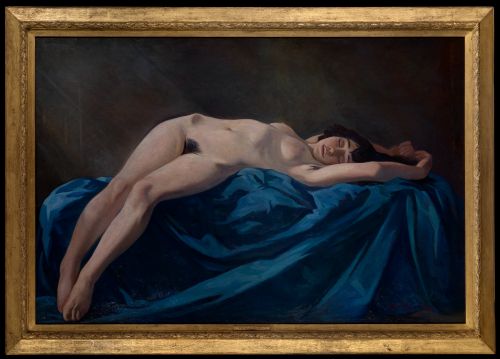
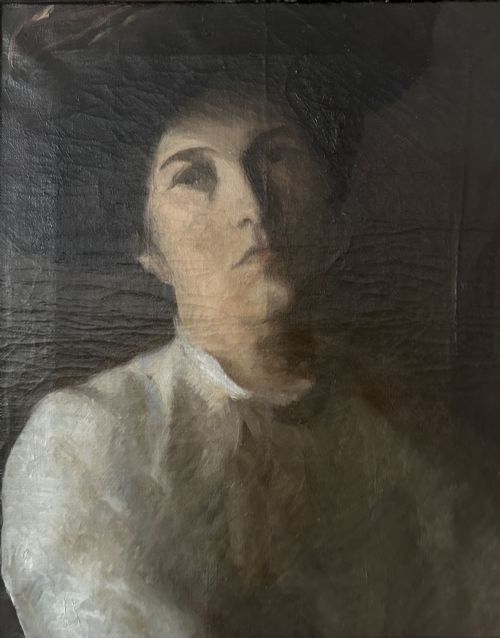
When you search for an edwardian oil painting frame, you are looking at framing surrounds that house original works on canvas, board and card from the Edwardian period and surrounding decades. The listings include portraits of ladies, gentlemen and military figures, alongside pastoral landscapes, marine storms and animal studies.
The version you are most likely to meet on this page is a gilded timber moulding designed to complement British impressionist, sporting or genre art of the era. These surrounds often accompany oil paintings produced by named artists and regional British schools working between the late nineteenth century and the nineteen-twenties.
Materials and construction
The evidence shows these picture frames employ traditional timber construction finished with gesso and gold leaf or gilt wood. Canvases and oil boards are secured within these wooden surrounds to protect the edges of the fine art painting.
Mouldings vary from simple flat profiles to ornate decorative reliefs that match the aesthetic of Victorian and Edwardian wall art. Gilding techniques provide the bright or burnished metallic surface seen on period pieces.
The inventory records British landscape, sporting art, still life and social realism alongside traditional portraiture.
What separates the tiers
The distinction between tiers rests on the harmony between the painting and its surround, as well as the crispness of the gesso moulding. Original gilding that retains its depth without excessive overpainting sits above later replacement frames.
Proportion and weight dictate the presence of the piece on the wall, with heavier timber mouldings and intricate corner enrichment representing the upper end of period craftsmanship.
Felix Stone Moscheles·William H Myers·John Maler Collier·Stephen Samuel Lewin·Eric Robertson·Robert John Hammond·John Hodgson Lobley·Henrietta Rae·Sir Alfred East·Edgar Hunt·George Wright·Harold Knight
The Edwardian Oil Painting Frame Glossary
- Giltwood
- Wood that has been coated with gold leaf or a gold-coloured metallic finish. This surface treatment appears frequently on period picture frames.
- Gesso
- A plaster-like material applied to wood moulding to create a smooth surface for gilding. It allows for intricate relief ornamentation.
- Oil on Canvas
- Pigment mixed with drying oil applied to a stretched woven fabric support. This medium forms the primary substance of the paintings housed within these frames.
- British School
- A term used to describe works produced by artists trained or working within Britain. Many period paintings carry this attribution when the specific artist remains unrecorded.
Edwardian Oil Painting Frame: Frequently Asked Questions
What periods do these frames date from?
The listings encompass Edwardian and Victorian eras, alongside pieces from nineteen-ten, nineteen-hundred, nineteen-twenty and nineteen-thirty. This spans the turn of the twentieth century.
Surrounds often match the execution date of the oil painting they enclose, reflecting the prevailing taste of British art during those decades.
What mediums are found inside?
Artworks inside these surrounds consist mainly of oil on canvas, oil paint on board, and oil on card. Subjects range from maritime scenes to portraiture.
Some examples also incorporate gouache on board under glass, demonstrating the variety of fine art mounting techniques used historically.
Are the paintings signed?
Many works bear signatures from period artists, while others are attributed to specific painters or noted simply as British School. Signatures offer direct attribution to creators working in the nineteenth and twentieth centuries.
Unsigned pieces still display the distinct brushwork and stylistic markers of portrait, landscape or sporting art from the era.
How do I choose the right frame?
Consider the subject matter of your art, whether it is a landscape, a portrait or a marine painting. The style of the moulding should complement the visual weight of the canvas.
Matching the period of the surround to the execution date of the painting ensures a historically cohesive display on your wall.