

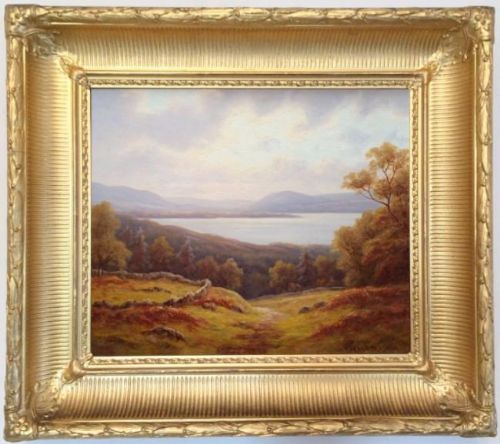
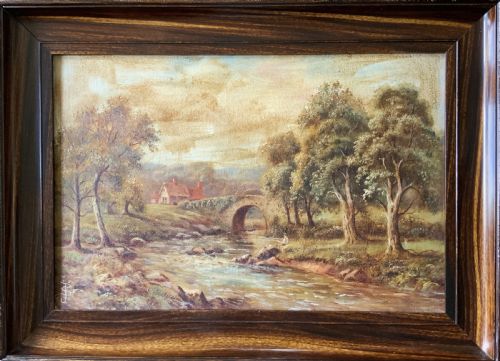

Edwardian Oil Landscape Canvas
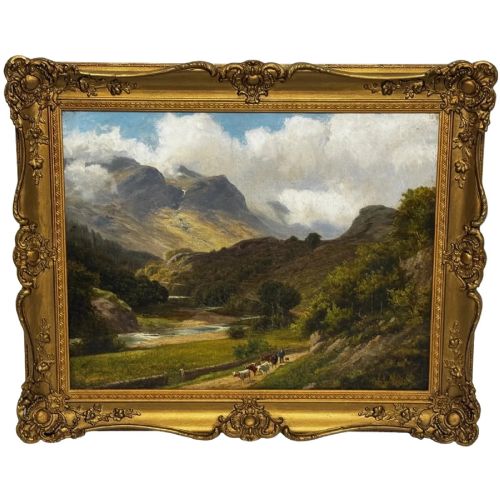
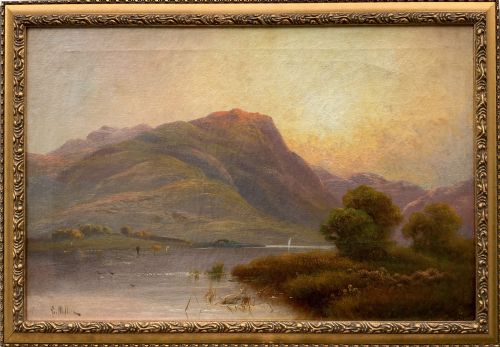
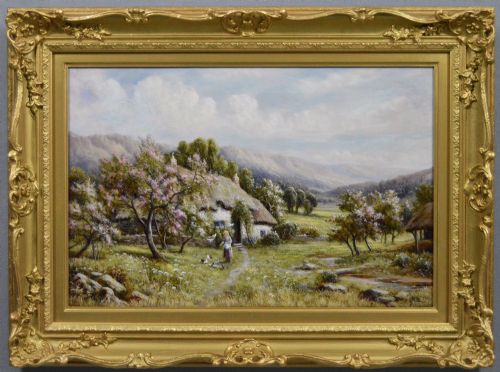
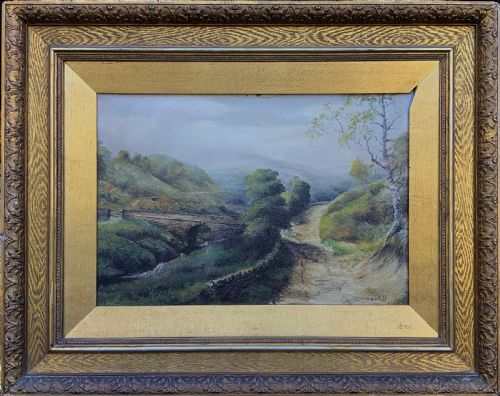
An edwardian oil landscape canvas captures the quiet charm of the countryside through layered pigment applied directly to woven fabric.
Edwardian Oil Landscape Canvas
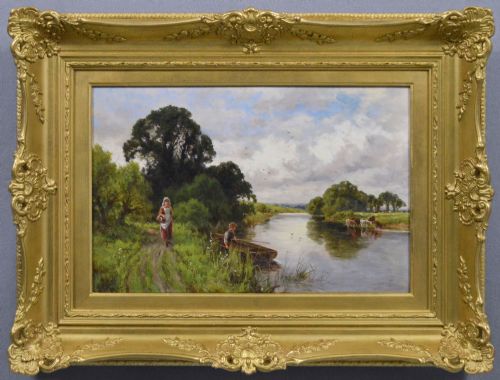
An edwardian oil landscape canvas brings pastoral scenes, rural cottages and river views into domestic interiors through the medium of traditional painting. These works record the natural light and changing seasons of the British countryside during the opening decades of the twentieth century.
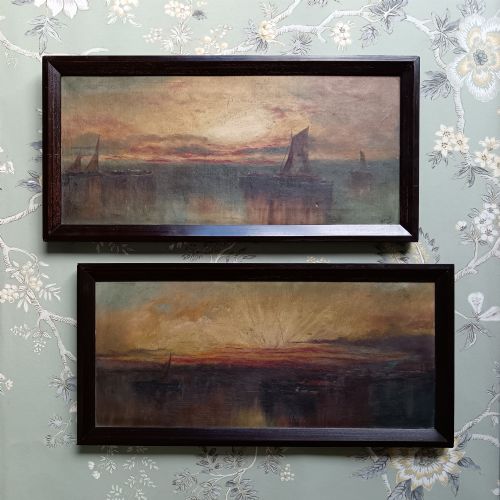
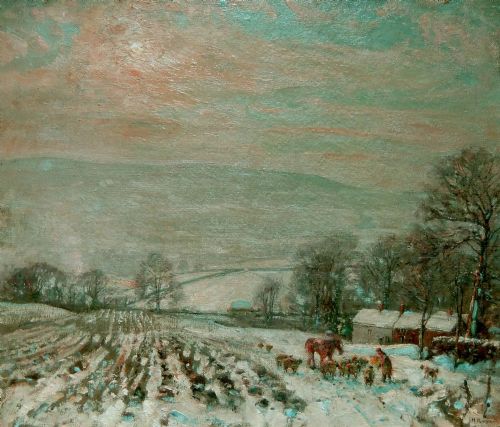
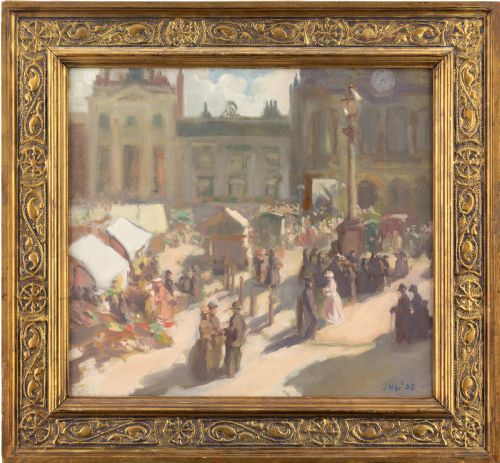
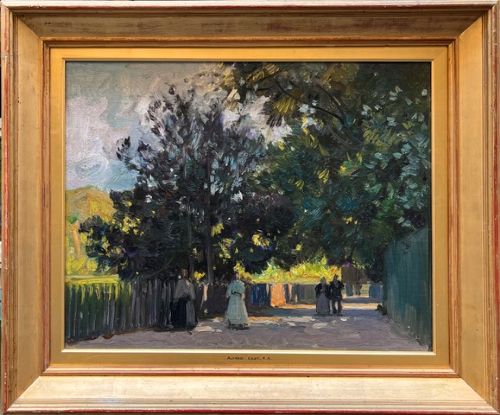
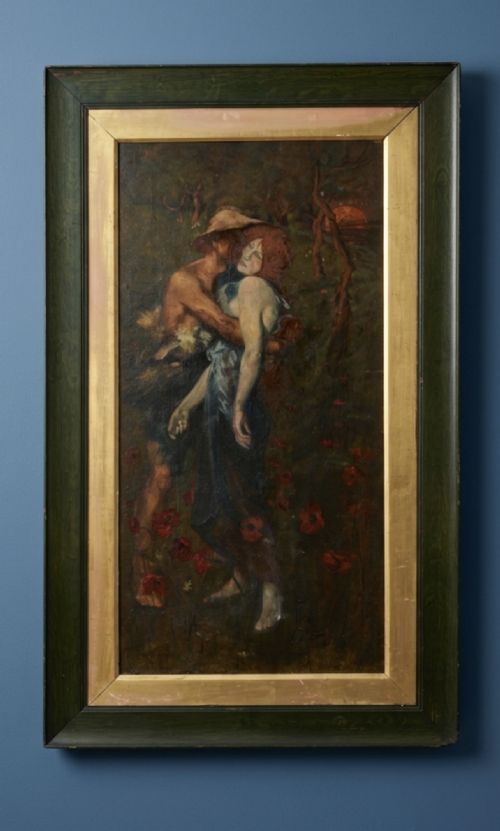
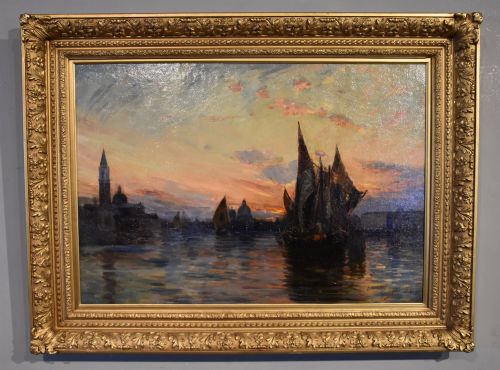
The pieces appearing on this page span the Victorian era, the Edwardian period and the early decades of the twentieth century. Pastoral river scenes, woodland paths and coastal marine views form the core of the selection.
Makers and painters represented include established names alongside artists working within the British Impressionist and English School traditions. Each canvas preserves a specific topography, from Yorkshire valleys to Highland lochs.
Materials and Technique
Artists painted primarily with oil paint upon stretched canvas, occasionally supported by wood panels. Pigments were mixed to capture the atmospheric conditions of evening light, winter frost or coastal mist.
Frames commonly consist of giltwood and gesso, adding structural support and decorative weight to the finished picture. The application of paint ranges from smooth, blended brushwork to heavier impasto textures.
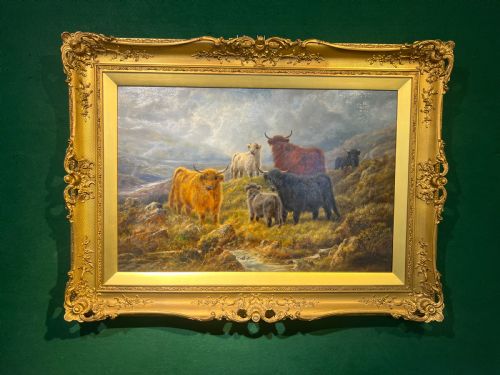
Several canvases faithfully record the specific moods of grumpy highland cattle and patient farm dogs waiting by woodland paths.
Judging Quality
The strength of composition and the handling of natural light distinguish the finest examples from standard commercial work. A skilled hand creates depth through subtle shifts in tone rather than rigid outlines.
William H Myers·Herbert Royle·Robert John Hammond·Sir Alfred East·Robert Watson·Henry H Parker·Owen Bowen·George Wright·William Sydney Cooper·Frank Hider
The Edwardian Oil Landscape Canvas Glossary
- Canvas
- A heavy woven fabric stretched across a wooden frame to serve as the foundation for oil paintings. It provides a stable, textured surface that absorbs layers of pigment.
- Impasto
- A technique where oil paint is laid thickly on the canvas, standing out from the surface so that the brush or palette knife marks remain visible. This adds physical depth and texture to elements like water or foliage.
- Gesso
- A plaster-like mixture applied to wooden frames before gilding, providing a smooth base for gold leaf. It creates crisp decorative details around the edges of the picture.
- Giltwood
- Wood carved and coated with gold leaf or a gold-coloured finish for framing. It frames the painted canvas with a reflective, ornamental border.
- British Impressionism
- A painting style influenced by the French movement but adapted by British artists to capture local light and outdoor scenes. It relies on loose brushstrokes and naturalistic colour.
Edwardian Oil Landscape Canvas: Frequently Asked Questions
Where were these landscape paintings created?
Most of these works were produced across rural England, Scotland and Wales by artists recording local scenery.
Coastal regions, riverbanks and agricultural valleys provided the primary subjects for these plein air compositions.
How do I date an antique landscape?
The style of clothing on any figures, the architectural details of cottages, and the framing materials offer chronological clues.
Signatures, exhibition labels on the reverse, and stretcher construction also help establish the decade of production.
How should I hang my oil painting?
Paintings require placement away from direct sunlight and fluctuating heat sources to prevent the canvas from warping.
Secure picture hooks rated for the weight of the giltwood frame ensure safe wall mounting.