

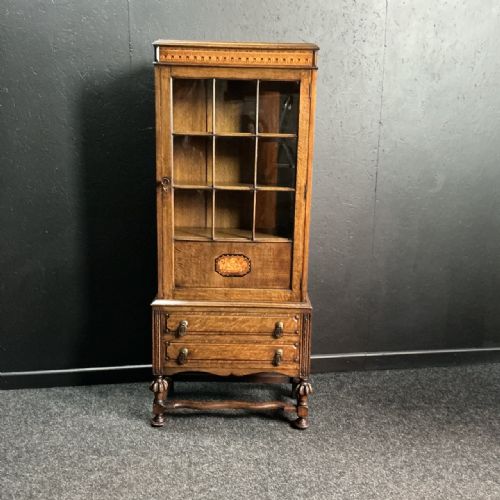


Edwardian Oak Vitrine
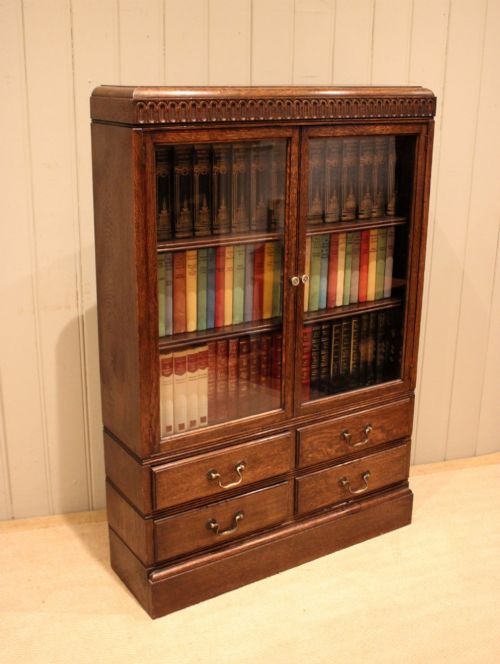
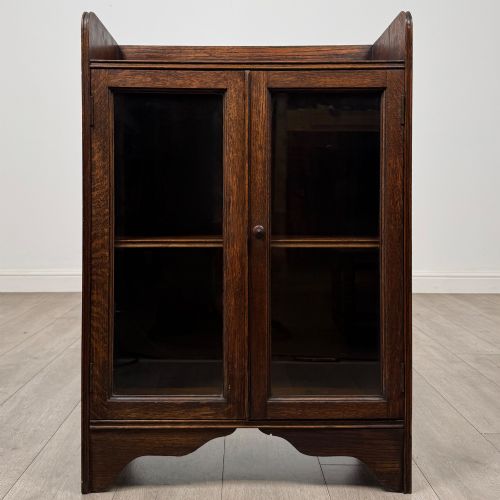
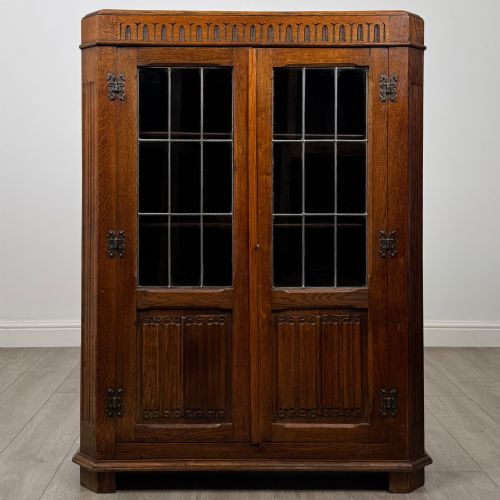
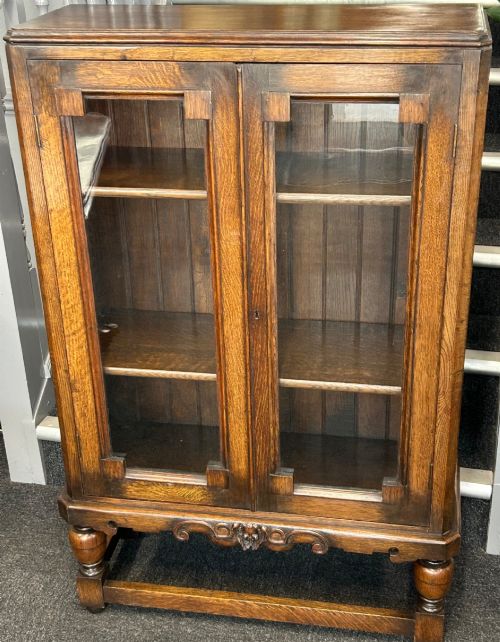
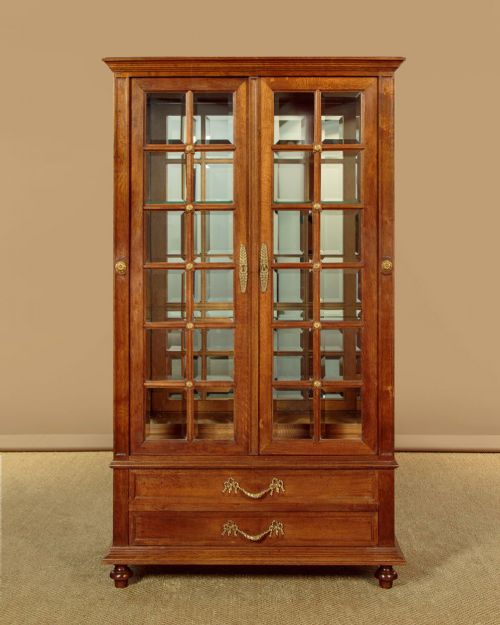
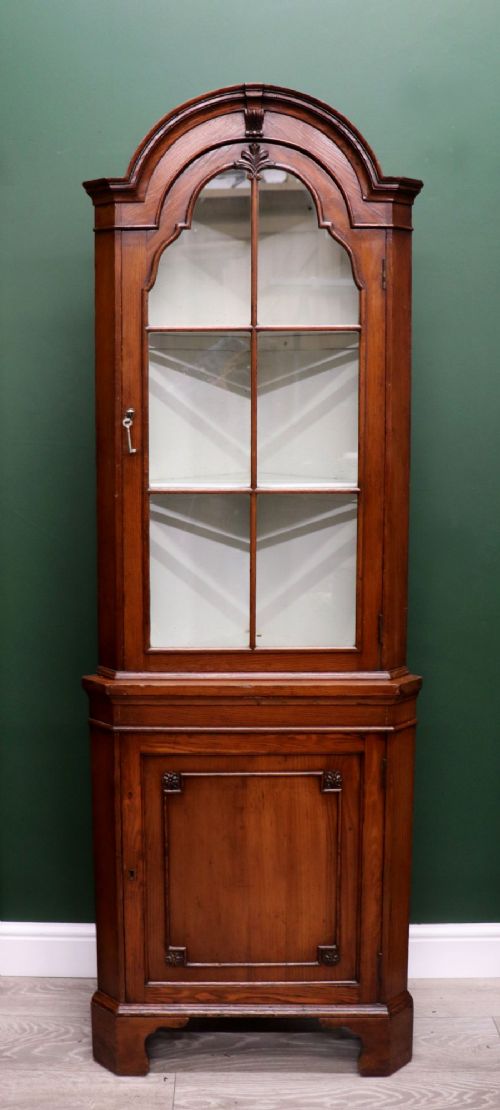
An edwardian oak vitrine brings proper display space to a room, framing books and collectables behind clear glass.
Edwardian Oak Vitrine
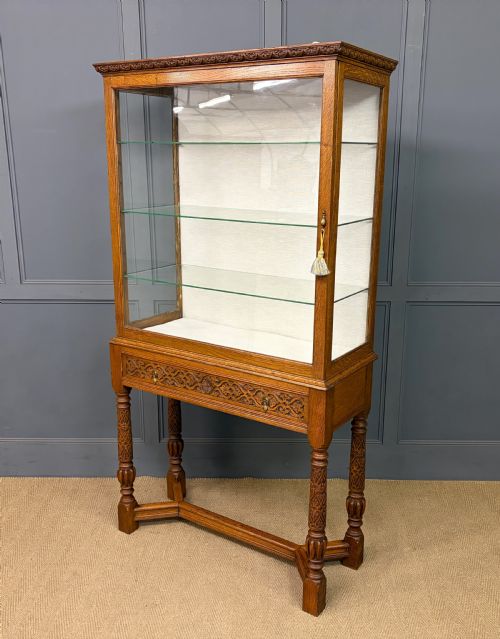
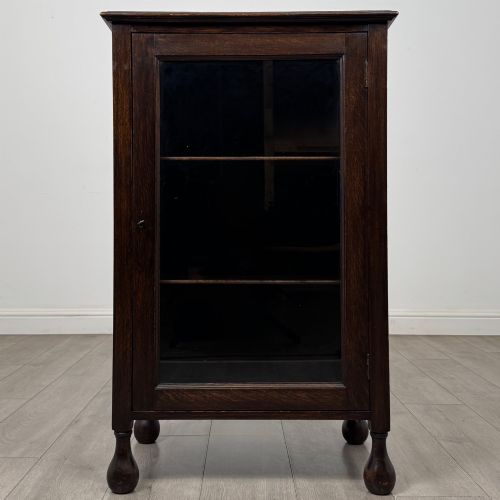
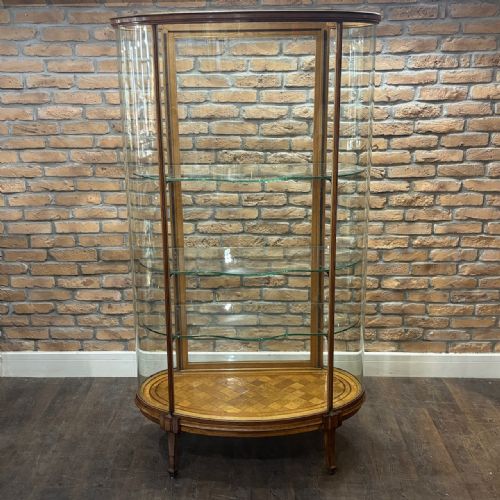
An edwardian oak vitrine offers a sturdy housing for prized possessions, combining timber frames with glazed doors for clear visibility. These cabinets appear primarily in Edwardian and early twentieth century styles, though forms range from corner units to two-part cupboards.
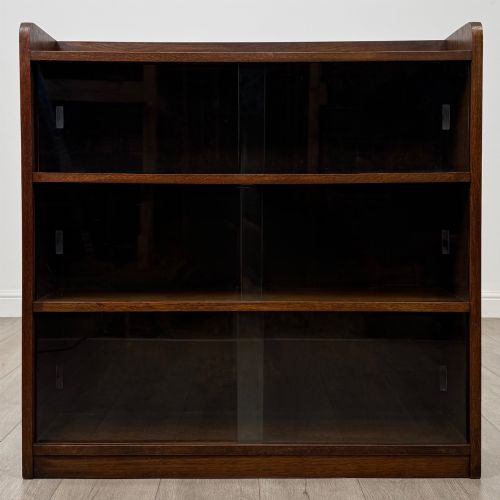
Buyers encounter floor-standing display cabinets, tall bookcases with glazed doors, and smaller counter cabinets. The timber framing relies heavily on oak, creating a robust structure designed to hold heavy volumes or collections of ornaments safely.
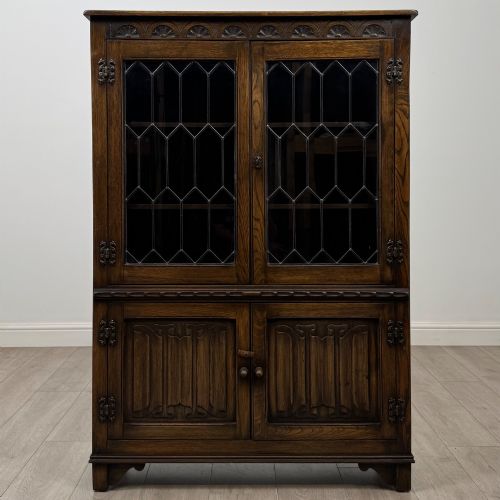
The selection includes revivalist pieces such as Jacobean, Georgian, and Gothic designs, alongside Art Deco and Arts and Crafts influences. Pieces span the Edwardian era into the nineteen-twenties and thirties, with occasional Victorian examples appearing in the mix.
How they were made
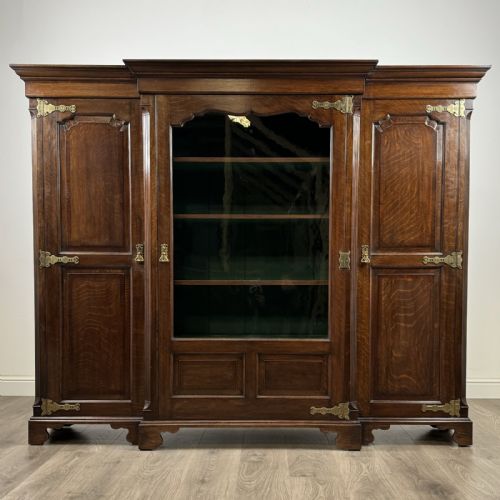
Makers built these cabinets using solid oak frameworks, integrating glass panels into doors to display the interior contents. Brass or gilt brass fittings secure the doors and provide hinges, while interior shelves hold books or display items.
Surfaces often feature carved details or simpler panelled construction, reflecting prevailing styles like Jacobean Revival or Arts and Crafts. Some pieces incorporate mirror glass backs and fabric linings to enhance the presentation of objects inside.
Edwardian Oak Vitrine Retail Price Guide 2026
Typical asking prices for edwardian oak vitrine among the pieces listed under this phrase on Sellingantiques today, from the lower quarter to the upper quarter. They describe what is for sale here now, not the wider market.
Listings feature oak cabinets spanning from the Victorian period through the Edwardian era and into the nineteen-thirties.
What varies in quality
The standard of timber selection and carving defines the upper tier of these cabinets, distinguishing workshop-produced pieces from simpler utility items. Crisp joinery in the oak frame and well-fitted glass panes indicate careful construction by skilled hands.
Hardware choices also mark the distinction between ordinary and finer examples, particularly the presence of substantial brass hinges, gilt mounts, or specialised shop fittings such as those from maker-signed cabinets.
F. Sage & Co
The Edwardian Oak Vitrine Glossary
- Vitrine
- A glass-fronted cabinet designed specifically for displaying fine objects or curiosities. These pieces use transparent panels on the front and sometimes the sides to allow light inside.
- Jacobean Revival
- A nineteenth and twentieth century design style mimicking seventeenth-century English furniture. Pieces in this manner feature heavy proportions, geometric mouldings, and deep panel carving.
- Arts and Crafts
- A design movement prioritising traditional craftsmanship and simple forms over mass production. Cabinets in this style show visible construction methods and honest use of oak timber.
- Gilt Brass
- Brass treated with a thin layer of gold or gold-coloured finish to enhance its appearance. This material appears on hinges, mounts, and decorative handles.
Edwardian Oak Vitrine: Frequently Asked Questions
What rooms suit an edwardian oak vitrine?
These cabinets suit studies, living rooms, and dining spaces where books or collections need dust-free storage and visibility. Their upright proportions allow them to fit neatly against wall spaces without dominating the floor.
Smaller counter cabinets or corner units adapt well to tighter spots or hallways, providing display areas where floor space is limited.
How do I care for oak display furniture?
Oak timber benefits from occasional polishing with traditional beeswax to nourish the grain and protect the surface from drying out. Keeping the cabinet away from direct heat sources prevents the wood and joints from warping over time.
Glass panels require standard glass cleaner applied to a cloth rather than sprayed directly, avoiding moisture seepage into the surrounding timber frame.
Are these cabinets suitable for heavy books?
Floor-standing bookcases and larger display cabinets with sturdy oak shelves handle heavy volumes quite well. The thick timber construction provides the necessary load-bearing strength for libraries.
One should check the shelf supports and fixings on older pieces before loading them heavily, ensuring the interior brackets remain secure.
How do I distinguish Edwardian pieces from revival styles?
Edwardian construction typically balances lighter proportions with traditional materials, often reflecting simpler Edwardian tastes or specific design movements like Arts and Crafts. Revival pieces consciously borrow heavier motifs from earlier centuries, such as Jacobean or Gothic ornamentation.
Examining the interior construction, backboards, and hardware helps date the manufacture more accurately alongside the overarching decorative style.