

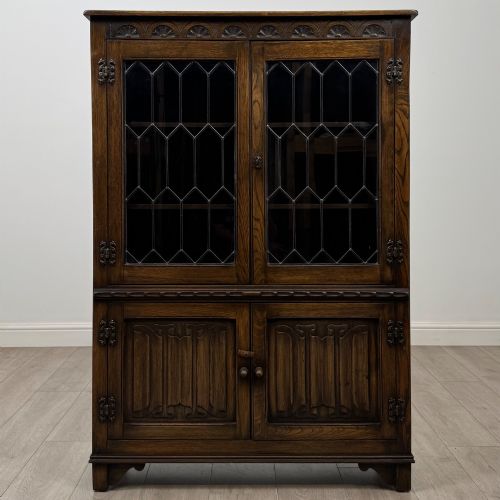
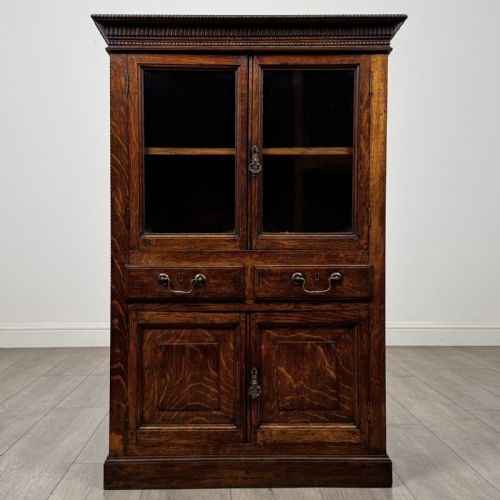
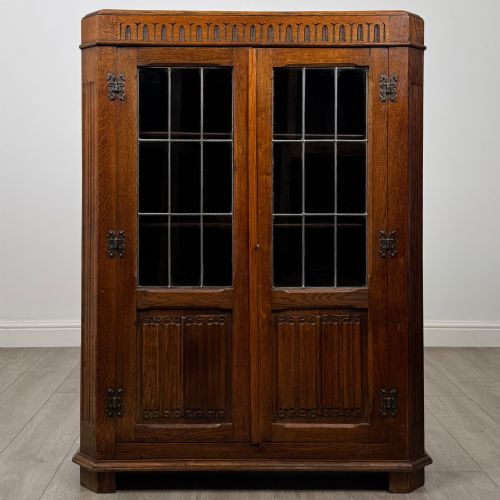
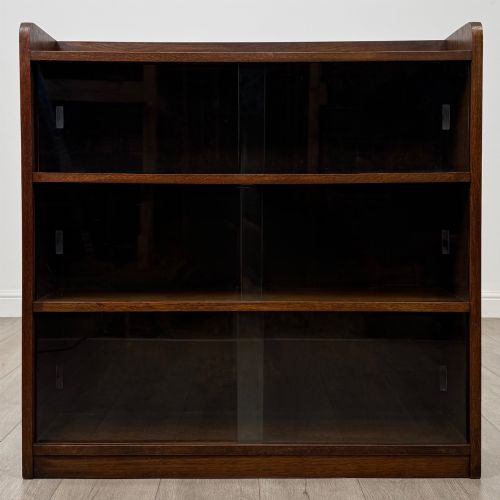


Brown Oak Vitrine
A brown oak vitrine brings rich timber grain and clear glass together to display treasured possessions in any room.
Brown Oak Vitrine
When you search for a brown oak vitrine, you encounter storage furniture designed specifically to exhibit precious objects behind glass doors. These cabinets span multiple eras, drawing from 18th century French origins through Victorian and Edwardian periods up to 1930s Art Deco interpretations.
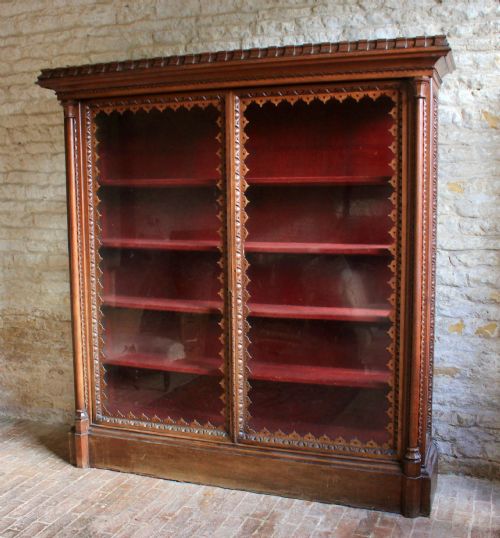
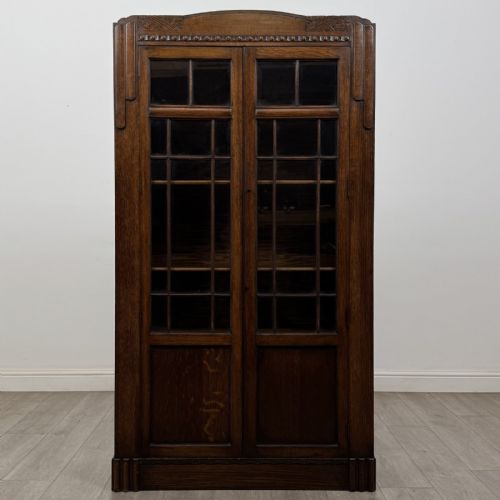
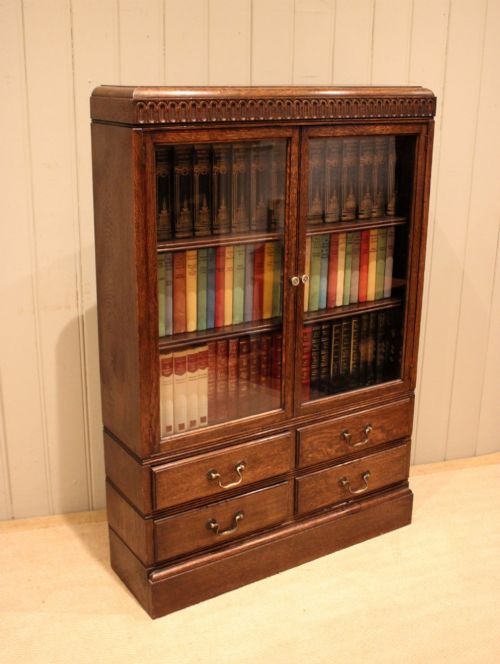
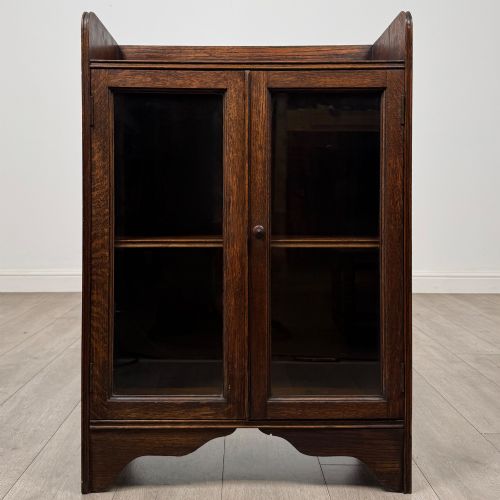
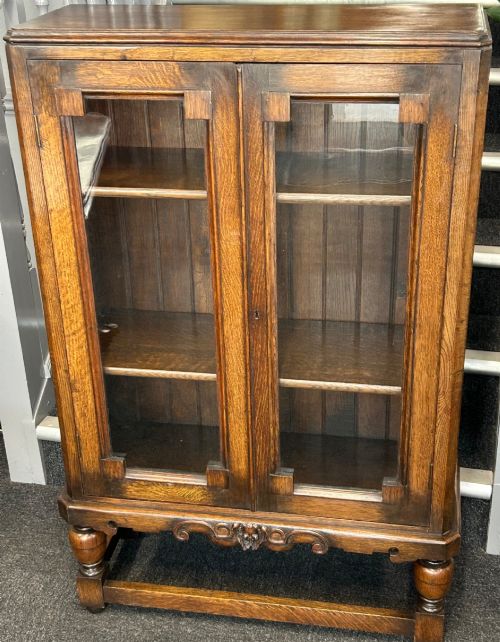
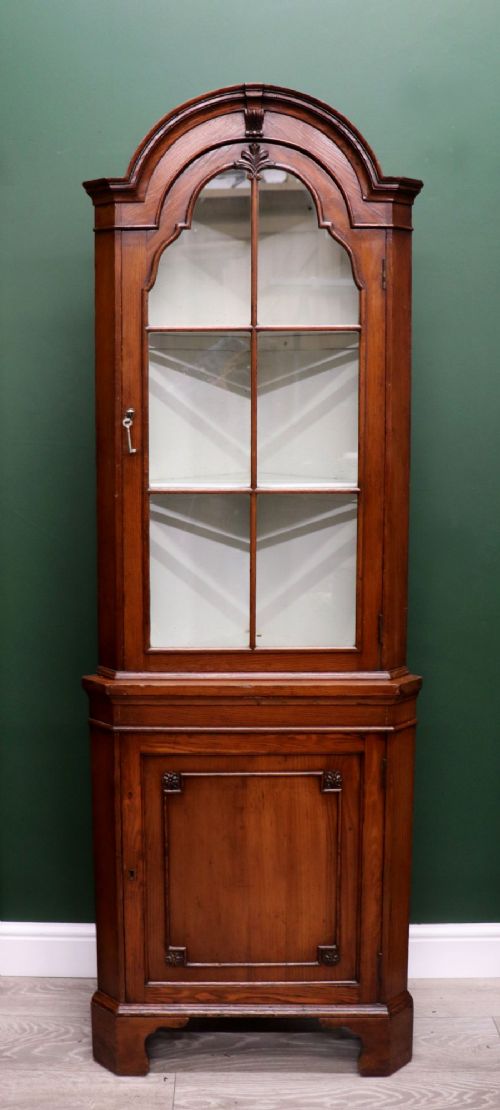
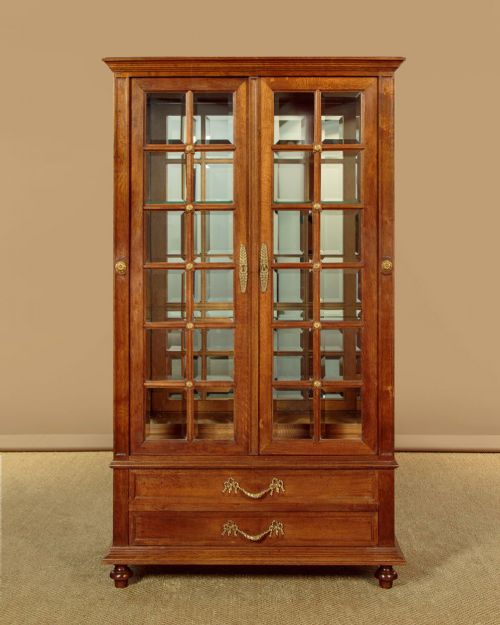
The most common examples on this page are Edwardian display cabinets and glazed bookcases built from solid or veneered oak. They appear in forms ranging from floor-standing corner cabinets and two-part cupboards to tall bookcase cabinets on stands.
Makers utilised various stylistic revivals for these cabinets, incorporating Jacobean, Gothic, Tudor, and French Provincial motifs alongside cleaner Art Deco lines. The primary function remains the exhibition of books, curiosities, and tableware within domestic and shop settings.
Distinguishing quality across cabinets
Quality reveals itself in the selection of the oak timber, where rich grain patterns and careful matching elevate the visual presence of the cabinet. Finer pieces demonstrate superior joinery in the door frames, drawer linings, and structural joints.
The refinement of carved ornaments, the integration of gilt mounts, and the condition of the original glass and brass hardware distinguish standard utility furniture from exceptional examples.
Brown Oak Vitrine Retail Price Guide 2026
Typical asking prices for brown oak vitrine among the pieces listed under this phrase on Sellingantiques today, from the lower quarter to the upper quarter. They describe what is for sale here now, not the wider market.
Listings feature oak cabinetry spanning the 18th, 19th, and early 20th centuries, incorporating Edwardian, Victorian, Regency, and Art Deco styles.
The Brown Oak Vitrine Glossary
- Vitrine
- A glass-fronted cabinet or display case used for showing fine objects or porcelain. These pieces often feature glazed sides as well as doors to maximise light.
- Linenfold
- A style of relief carving on wood panels that mimics vertical folds of draped cloth. This ornamentation appears frequently on panels of period cabinets.
- Barley twist
- A type of decorative turning resembling the spiral shape of a barley sugar twist. Craftsmen utilised this technique on structural legs and upright supports.
- Glazed bookcase
- A piece of furniture featuring glass doors protecting shelved interior space for books. Many examples combine this storage with display functions.
- Corner cabinet
- A specialised storage unit constructed to fit neatly into the right-angle intersection of two walls. These items efficiently utilise space in smaller rooms.
Brown Oak Vitrine: Frequently Asked Questions
What is a brown oak vitrine used for?
These cabinets serve primarily to showcase collections of porcelain, glassware, books, or small curiosities while protecting them from dust. The glass panels allow items to be viewed clearly from across the room.
Historically, homeowners used them in drawing rooms and parlours to display status items and travel souvenirs. Today, they function similarly in modern living spaces and studies.
How do I date an oak display cabinet?
Dating relies on examining construction methods, hardware, timber preparation, and stylistic clues. Edwardian and Victorian pieces often show machine-sawn timber and specific revival motifs.
Earlier 18th and early 19th century examples display hand-cut joinery marks and distinct period proportions. Comparing the decorative style against known eras helps narrow the timeline.
Where should I place a corner cabinet?
A floor-standing corner cabinet fits effectively into unused room corners, turning dead space into an attractive focal point. They work well in dining rooms or sitting rooms where wall space is limited.
Ensure the floor is level so the doors hang correctly and swing smoothly. Positioning the cabinet away from direct sunlight protects the timber and contents.
Are these cabinets made of solid oak?
The listings include both solid English and European oak pieces alongside items utilising oak veneers over secondary timbers. Construction varied according to the workshop, period, and intended function of the cabinet.
Solid construction provides durability, while veneering allowed makers to utilise highly figured grain patterns on large surface areas. Examining internal panels reveals the specific construction method used.