

Edwardian Oak Plant Stand
An edwardian oak plant stand brings solidity and architectural proportion to a corner, holding ferns or lamps with quiet authority.
Edwardian Oak Plant Stand
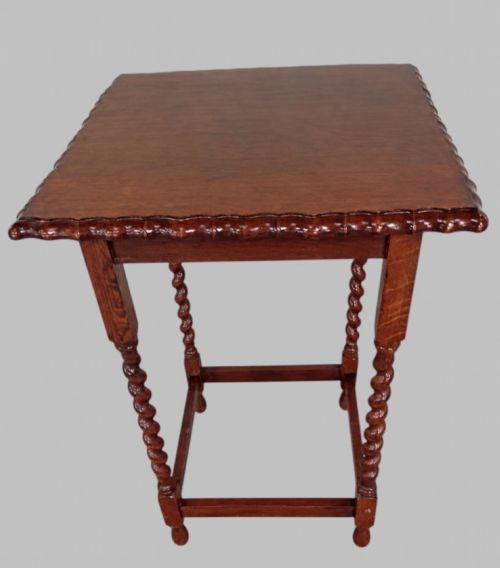
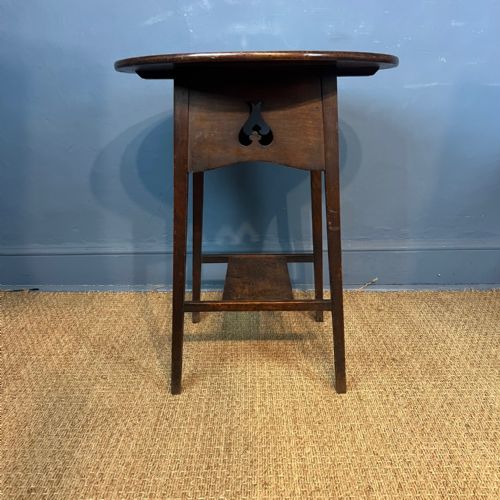
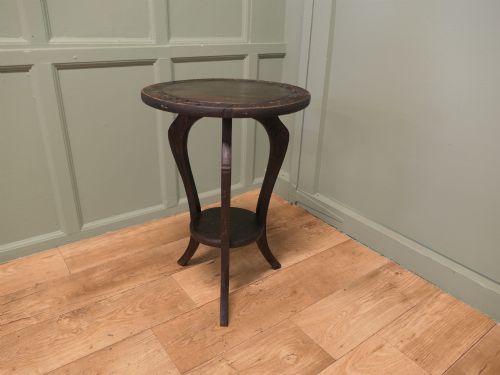
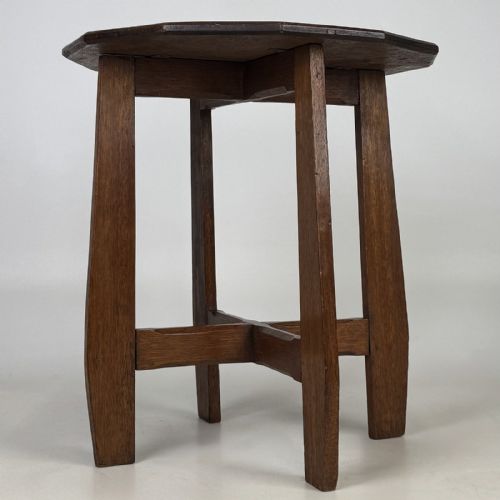
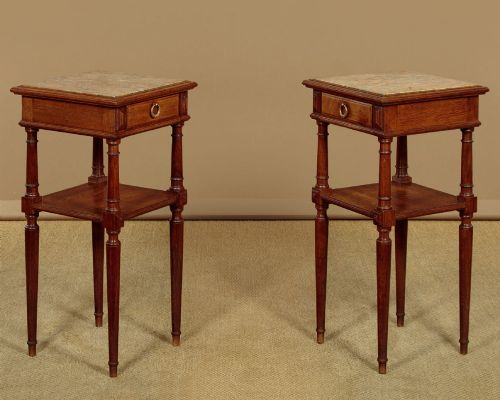
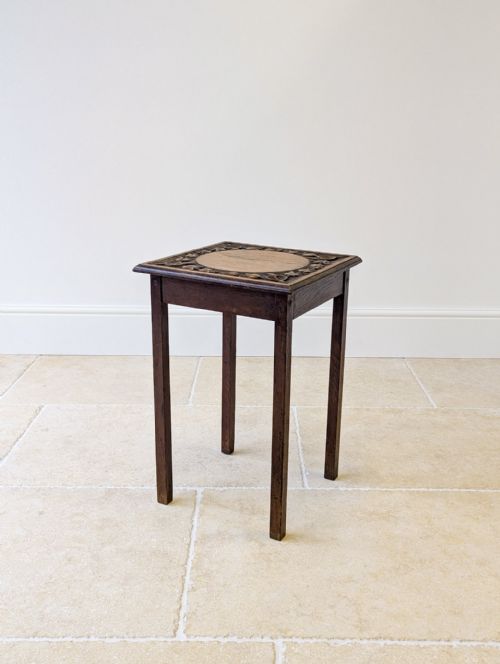
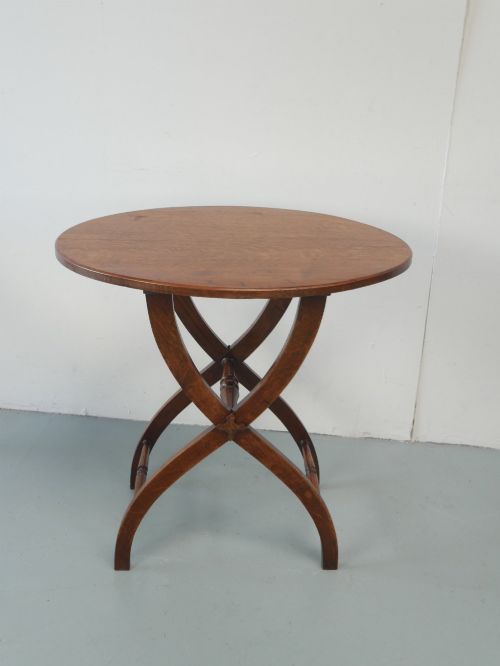
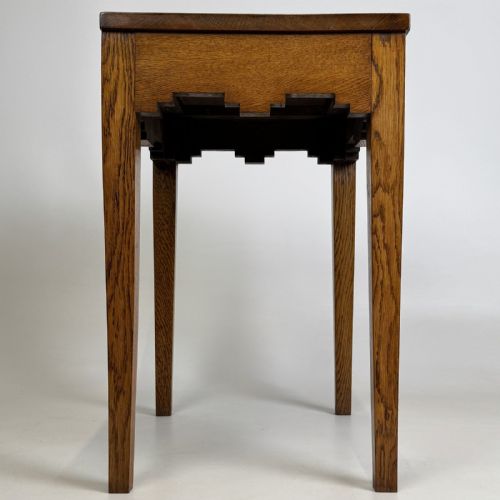
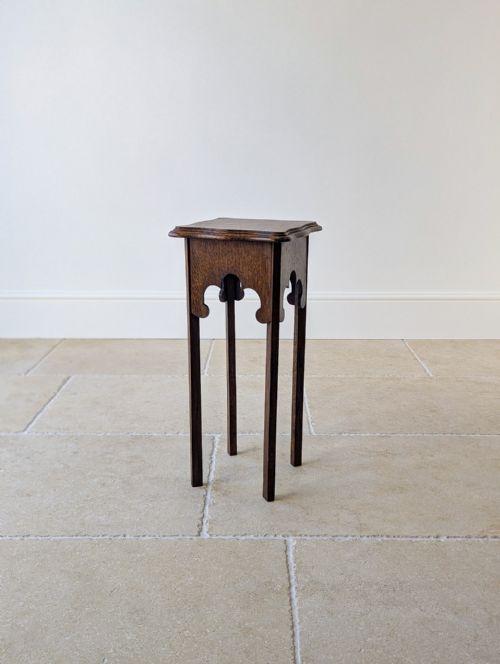
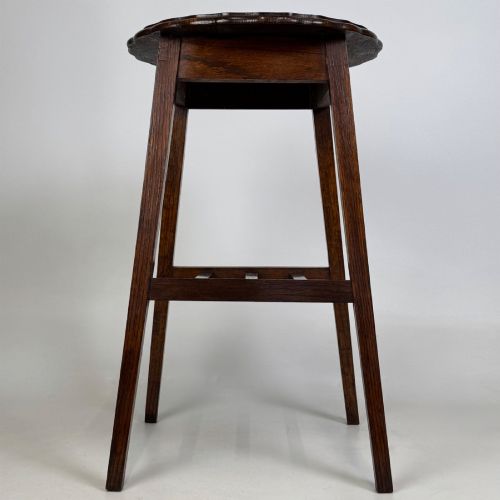
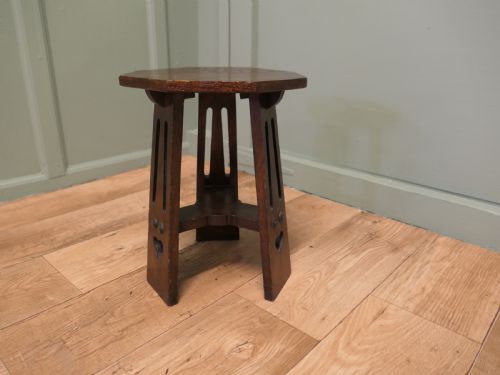
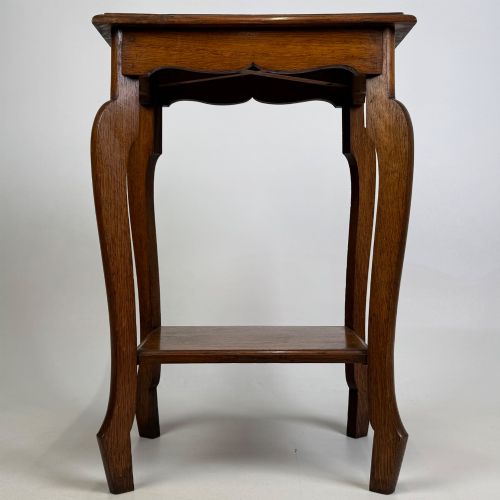
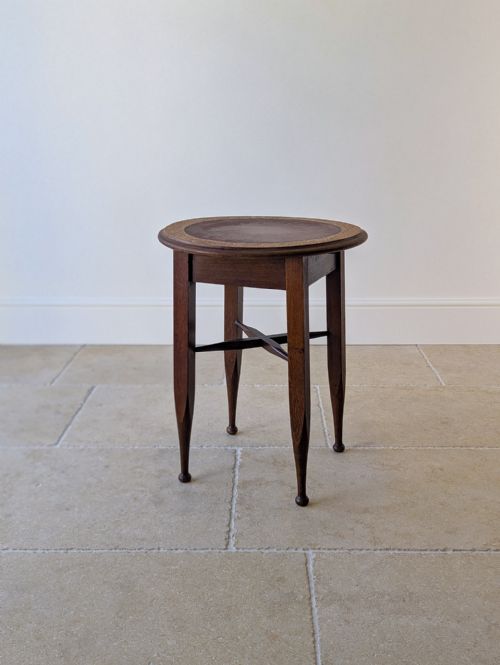
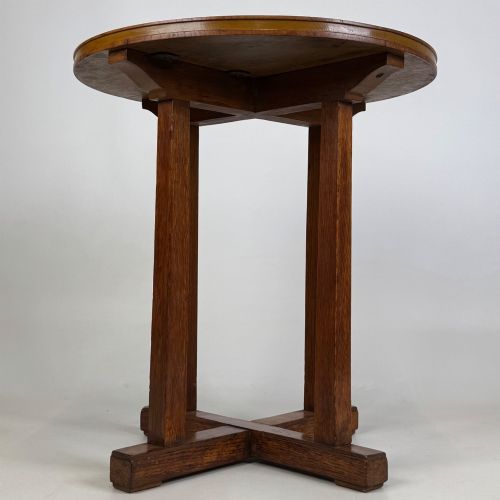
An edwardian oak plant stand stands upright to display foliage or lighting in domestic interiors, appearing frequently in octagonal, square, and circular forms. These pieces often serve double duty as occasional tables or torchères, sharing floor space with side tables and low stools.
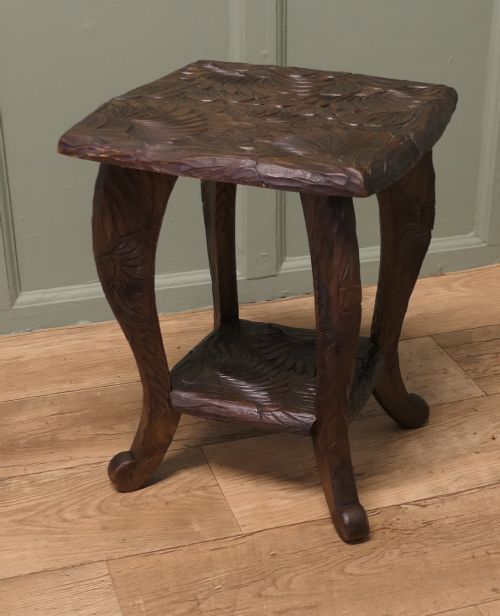
The material palette centres firmly on oak and solid oak, complemented on occasion by ceramic tile surfaces or brass fittings. Makers leaned into the Arts and Crafts ethos, producing sturdy multi-tiered stands alongside carved designs intended for everyday utility.
How they were made
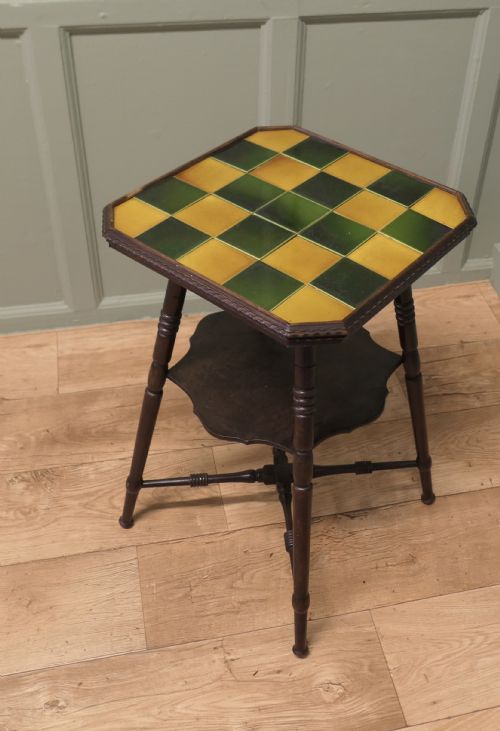
Makers constructed these stands primarily from solid oak, sometimes incorporating ceramic tiles, brass, copper, and wood inlay to add texture and colour to the top surfaces. Joinery relied on traditional methods suited to the heavy grain of the timber.
Carving, barley twist turnings, and chequered inlays appear across the pieces, reflecting vernacular English styles as well as Arts and Crafts principles. Surfaces were finished to highlight the natural figure of the wood without heavy obscuring lacquers.
Edwardian Oak Plant Stand Retail Price Guide 2026
Typical asking prices for edwardian oak plant stand among the pieces listed under this phrase on Sellingantiques today, from the lower quarter to the upper quarter. They describe what is for sale here now, not the wider market.
Listings feature oak alongside materials such as ceramic tile, brass, copper, and specimen wood inlay across the Edwardian era.
What varies in quality
The integrity of the timber and the crispness of any carving set finer examples apart from simpler utilitarian pieces. Proportion and stability matter immensely when a stand holds a heavy ceramic pot.
Details such as integrated ceramic tile inserts, thoughtful brass work, or refined inlay work distinguish workshop-produced items from standard commercial furniture of the period.
Shapland & Petter·Liberty & Co.·William Birch·Baillie Scott·Hubert Simpson of Kendal
The Edwardian Oak Plant Stand Glossary
- Torchère
- A tall, slender stand designed specifically to hold a lamp or a single potted plant. These pieces elevate greenery to eye level.
- Arts & Crafts
- A design movement valuing handcraft, honest materials, and simple construction over mass-produced ornamentation. It heavily influences the joinery seen in this category.
- Jardinière
- A large ornamental pot or container for plants, which sits atop or is integrated into the design of certain stands. These items bring botanical focus indoors.
- Barley Twist
- A type of turning shaped like a spiral, resembling twisted rope. This technique frequently forms the upright legs of Edwardian tables.
Edwardian Oak Plant Stand: Frequently Asked Questions
What is an edwardian oak plant stand used for?
These pieces were built to elevate potted plants, ferns, or decorative lamps off the floor, making use of awkward corners and empty hall spaces.
Today, they function equally well as compact side tables for holding books or small lamps in a sitting room.
How do I spot an Arts and Crafts influence?
Look for exposed joinery, unpretentious solid oak construction, and geometric forms such as octagonal tops or simple linear stretchers.
Details like inset ceramic tiles or subtle wood inlay often point directly to this design philosophy.
Are these stands sturdy enough for heavy pots?
Solid oak construction and wide, stable bases generally provide ample support for standard ceramic or terracotta plant pots.
Checking the tightness of the leg joints ensures the stand handles weight securely without wobbling.
How do I care for antique oak furniture?
Keep wooden surfaces away from direct heat sources and excessive moisture to prevent the grain from drying out or splitting.
Applying a traditional beeswax polish periodically helps nourish the oak and maintain its natural finish.