

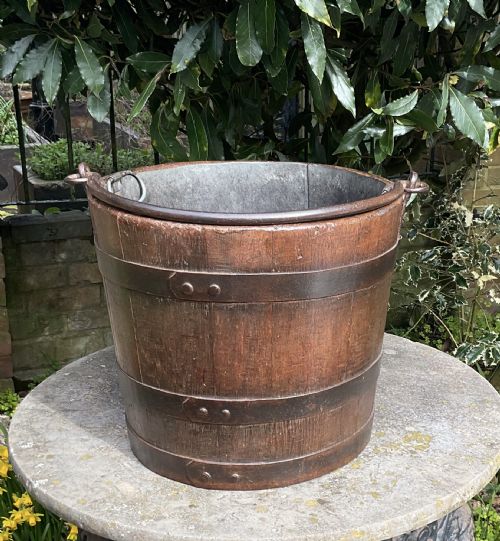


Edwardian Oak Bucket
These edwardian oak bucket pieces are practical coopered vessels built for domestic service, offering honest timber and metal work that suit modern firesides and hallways alike.
Edwardian Oak Bucket
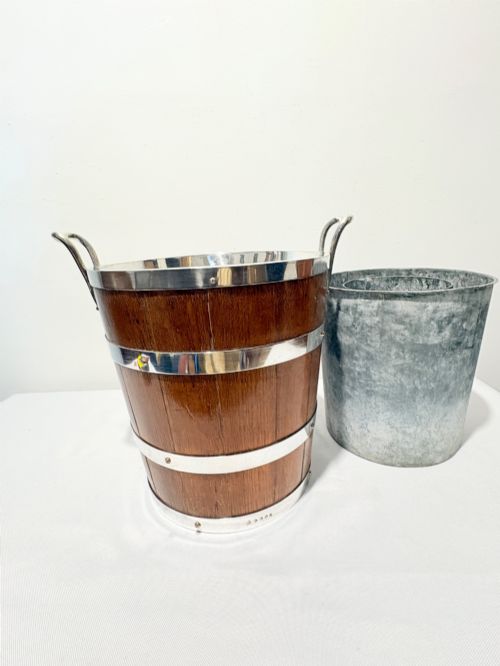
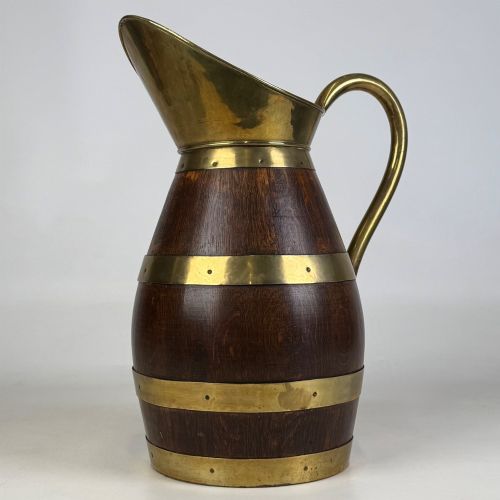
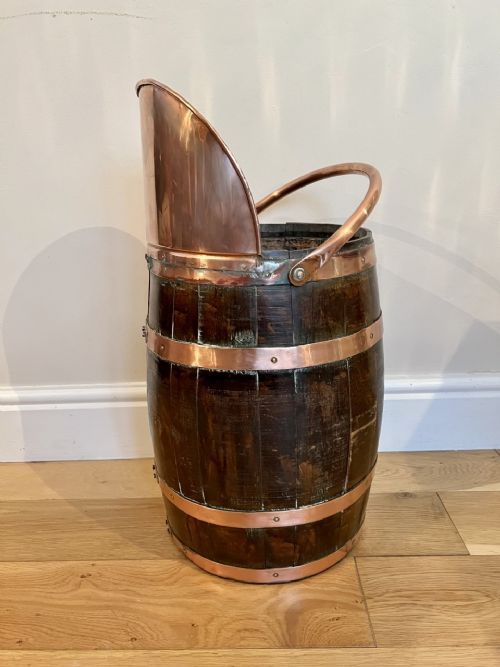
When searching for an edwardian oak bucket, you encounter coopered barrels, coal scuttles, umbrella stands, planters and wine coolers spanning the Victorian to 1930s periods. The most common form on this page is the coopered oak bucket fitted with metal bands and a handle, often utilised for coal, logs or wine.
Makers and regional workshops in England and Scotland produced these vessels in traditional styles such as Arts and Crafts, Edwardian and Victorian. Forms range from oval umbrella stands to drum-shaped biscuit barrels and tall purdoniums, reflecting the diverse domestic utility of the era.
Assessing quality in oak buckets
Quality rests in the precision of the cooperage, where tightly fitted oak staves create a seamless curve without excessive gap filling. The weight and gauge of the accompanying metal bands, handles and liners also dictate the durability and finish of the piece.
Superior examples display crisp carving, original ceramic or zinc liners, and maker marks or high-grade mounts rather than later replacements. The integrity of the timber grain and the original patination on both the wood and metal separate standard utility items from finer decorative pieces.
Current listings span from the 1880s Victorian era through Edwardian workshops up to the 1930s, using oak, brass, copper, zinc and silver plate.
Lister and Co
The Edwardian Oak Bucket Glossary
- Coopered
- Built from curved wooden staves bound together with metal hoops, much like a traditional barrel. This method ensures structural strength for holding liquids, coal or dry goods.
- Purdonium
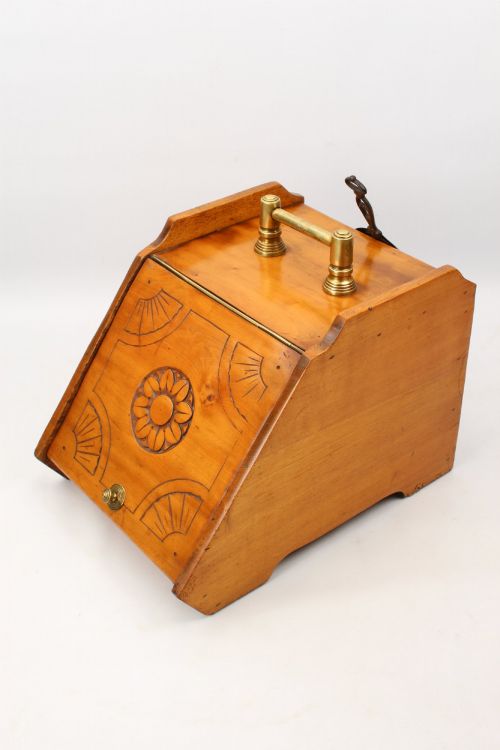
- A specialised box or scuttle designed for storing coal beside a fireplace, often featuring a sloping front and an internal metal shovel. They became popular in Victorian and Edwardian domestic interiors.
- Jardiniere
- An ornamental pot or stand intended for holding live plants or flowers. In oak, these often mirror coopered bucket designs with waterproof liners.
- Creamware
- A fine light-coloured earthenware developed in the eighteenth century and utilised as a durable internal liner for buckets and ice coolers.
- Stave
- One of the narrow vertical strips of oak shaped to form the curved sides of a coopered vessel. The edge-joining of these pieces requires considerable woodworking skill.
Edwardian Oak Bucket: Frequently Asked Questions
What were these oak buckets originally used for?
These vessels served various practical household functions, including holding coal for fireplaces, logs for stoves, and chilling wine or ice at the dining table.
Others functioned as umbrella stands in hallways or as jardiniere plant pots in drawing rooms, adapting durable coopered construction to daily domestic chores.
How do I clean and maintain an oak bucket?
Dust the oak timber regularly with a dry cloth and occasionally feed the wood with traditional beeswax to preserve the grain and moisture content.
Avoid using harsh chemical cleaners on the metal bands or silver plate, and ensure internal liners are kept dry to prevent water damage to the staves.
Are the metal liners original to the buckets?
Many surviving pieces retain their original zinc, copper or ceramic creamware liners, which were essential for containing damp contents like coal or melting ice.
Some examples feature replacement liners or lack them entirely, which is common given the heavy utility use these vessels experienced over the decades.
How do I distinguish Edwardian pieces from Victorian ones?
Victorian examples tend to feature heavier, more ornate carving and darker finishes, particularly on coal boxes and purdoniums.
Edwardian pieces often display simpler lines, lighter oak tones, and influences from the Arts and Crafts movement with clean brass or copper banding.