
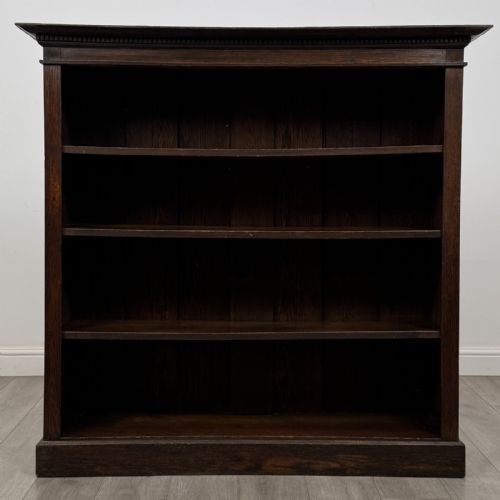
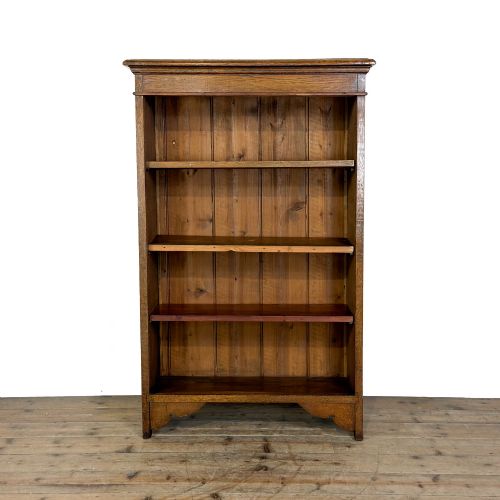
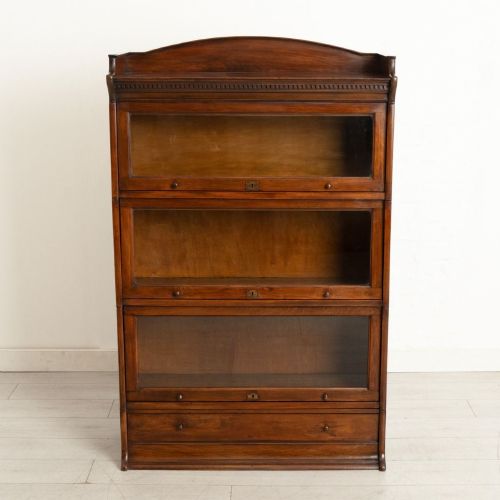
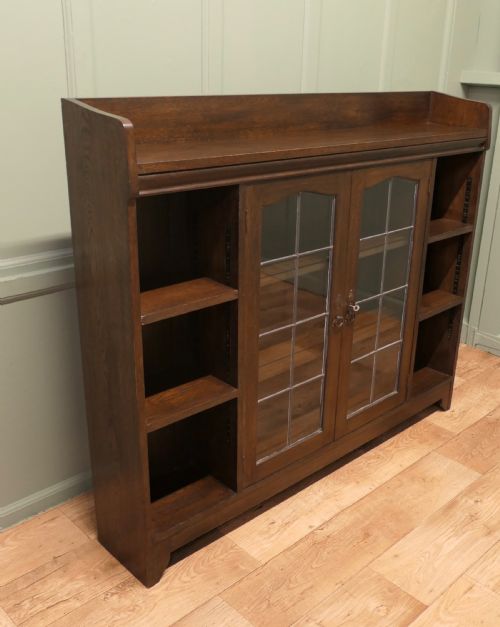
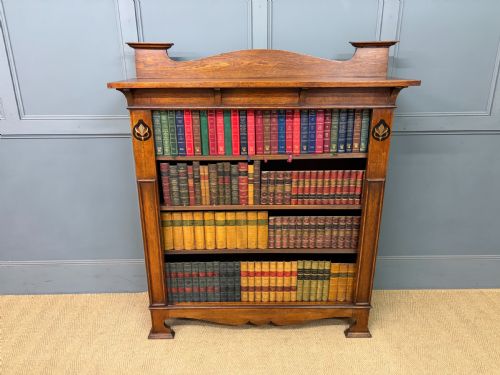
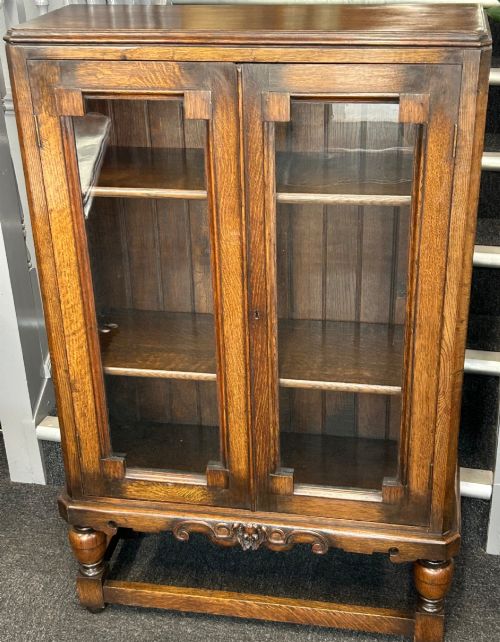
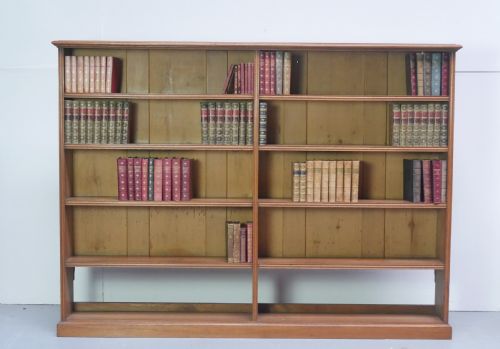
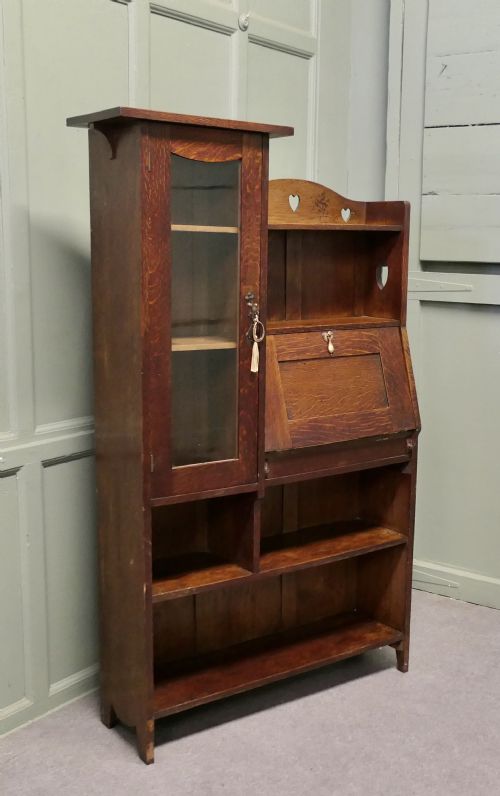
Edwardian Oak Book Cabinet
An edwardian oak book cabinet brings sturdy timber and practical shelving together to house a working library in any room.
Edwardian Oak Book Cabinet
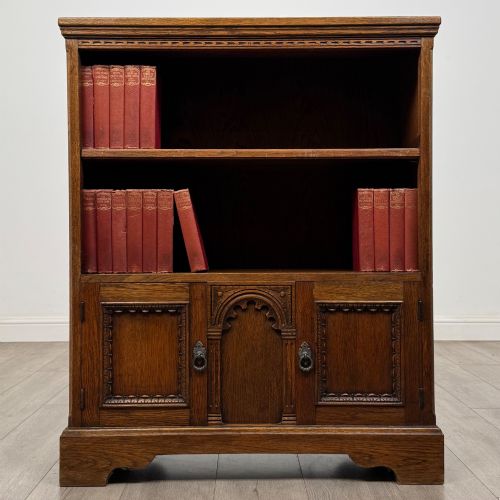
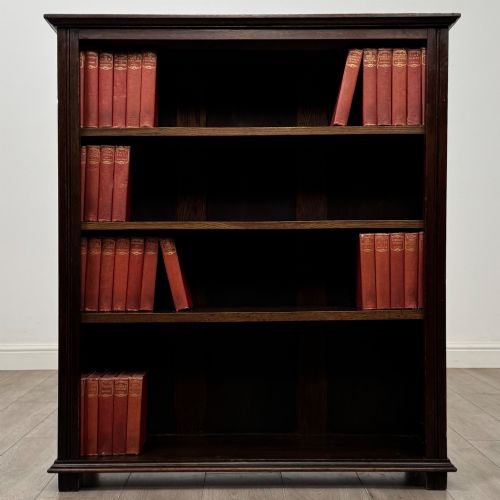
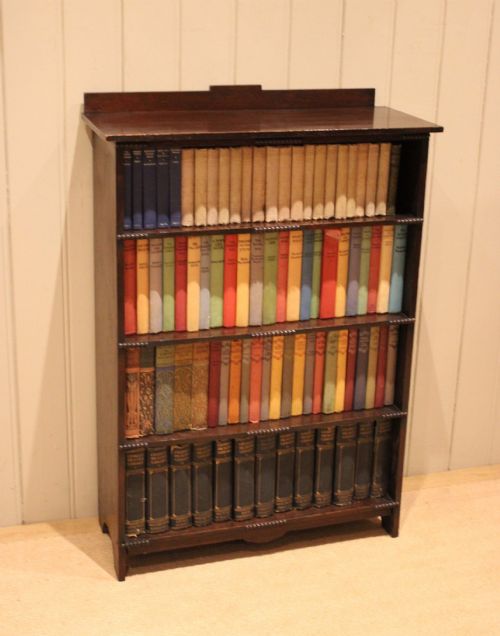
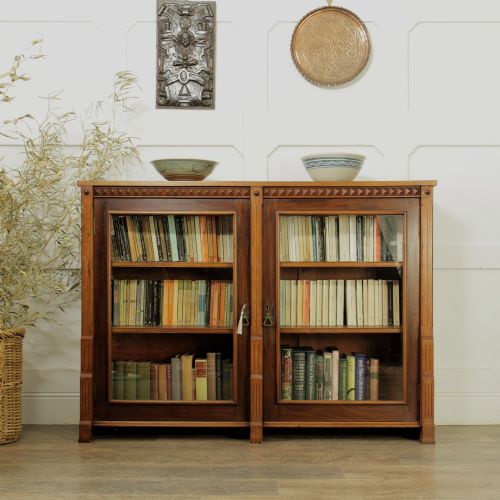
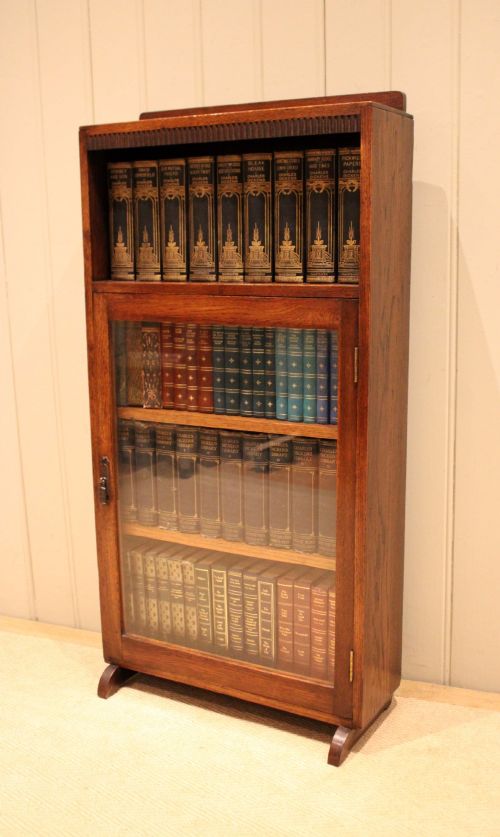
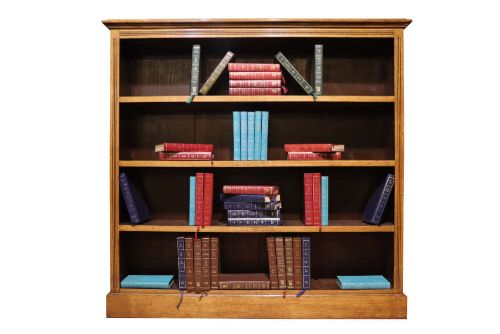
An edwardian oak book cabinet provides sturdy storage for volumes through open shelving or glazed doors. These pieces reflect the functional demands of domestic and institutional libraries from the early twentieth century.
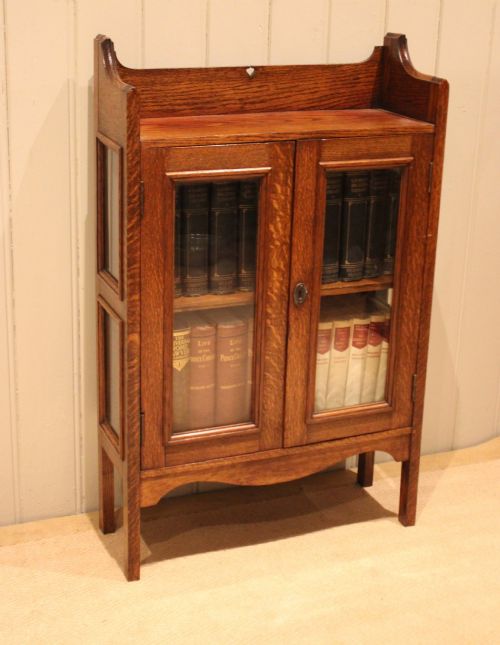
The pieces on this page appear primarily in solid or golden oak, spanning open front designs, glass-fronted display formats, and bureau combinations. Buyers frequently encounter variations featuring adjustable shelves, leaded glass panels, and lower storage cupboards.
Makers ranged from large retailers to specialist cabinet makers working within Arts and Crafts or traditional revival styles. Surviving examples demonstrate how heavy timbers were utilised to create durable furniture for everyday study.
Materials and Construction
The primary material across these pieces is solid oak, selected for its dense grain and structural strength. Workshops often utilised quarter-sawn oak to display characteristic medullary rays across the timber surfaces.
Glazing techniques incorporated clear or leaded glass panels, held in place with wooden glazing bars or metal cames. Brass hardware such as hinges, handles, and desk fittings completed the construction of functional cabinet doors and bureau drops.
Some school library cabinets spent decades hiding chalk dust before finding a second life holding modern novels.
Assessing Quality
Quality in an edwardian oak book cabinet rests upon the selection of timber and the precision of the joinery. Pieces featuring figured grain, solid backboards, and finely carved or beaded edges demonstrate superior craftsmanship.
Maple and Co·Christopher Pratt·Lebus
The Edwardian Oak Book Cabinet Glossary
- Quarter-sawn oak
- Timber cut radially through the growth rings to produce a distinctive figure with visible medullary rays. This method provides greater dimensional stability for cabinet panels and shelves.
- Lead glazing
- Small panes of glass joined together by narrow strips of lead, known as cames. This technique is frequently seen on Arts and Crafts display cabinets.
- Bureau bookcase
- A hybrid form combining a sloping writing flap above or below shelving and enclosed cupboards. These pieces served as compact writing desks and libraries combined.
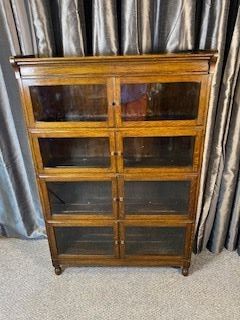
- Sectional bookcase
- A modular shelving system built in separate stacked tiers with upward-lifting glass doors. Such designs allowed libraries to expand vertically piece by piece.
Edwardian Oak Book Cabinet: Frequently Asked Questions
How do I tell an Edwardian bookcase from a Victorian one?
Edwardian oak book cabinets generally exhibit lighter golden tones and simpler lines compared to earlier Victorian furniture. The influence of the Arts and Crafts movement often brings exposed joinery and subtle carved details rather than heavy revival ornament.
Victorian pieces from earlier decades tend to use darker finishes and denser, more ornate historical styling such as Gothic Revival or heavy moulding.
Are the shelves adjustable?
Many edwardian oak book cabinets feature adjustable shelving supported by wooden ratchets, metal shelf studs, or traditional side grooves. This adaptability allowed owners to accommodate volumes of varying heights within the same case.
When inspecting a piece, look for the internal tracks or peg holes that indicate whether the original height adjustment system remains intact.
How do I care for antique oak furniture?
Maintain oak cabinetry by keeping the timber away from direct heat sources and strong sunlight, which can dry out the wood and fade the finish. Regular dusting with a dry lint-free cloth preserves the surface.
Applying a traditional beeswax polish occasionally helps nourish the grain and protects the polished surface without building up excessive residue.