
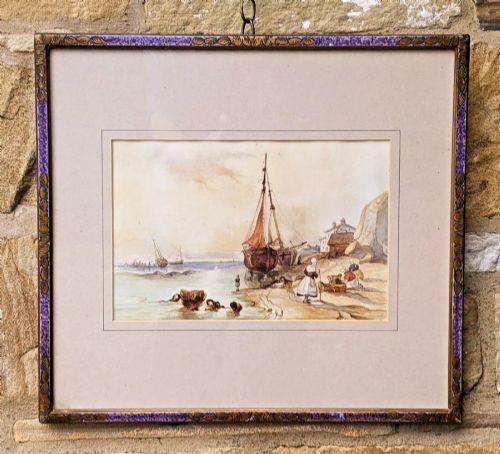


Edwardian Nautical Wall Art
Edwardian nautical wall art brings the power and precision of early twentieth-century maritime life straight into the room.
Edwardian Nautical Wall Art
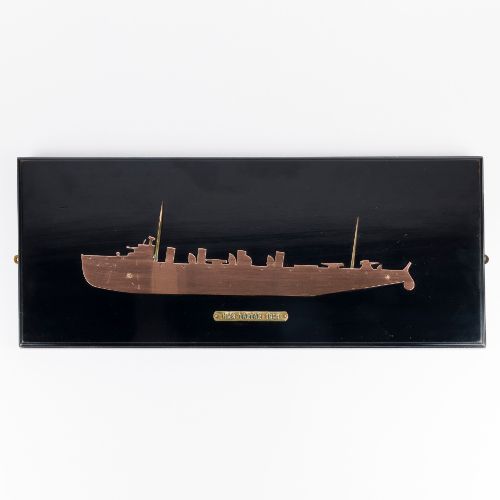
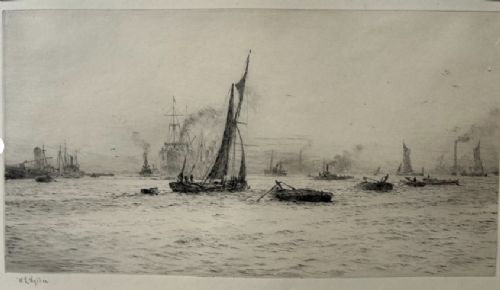
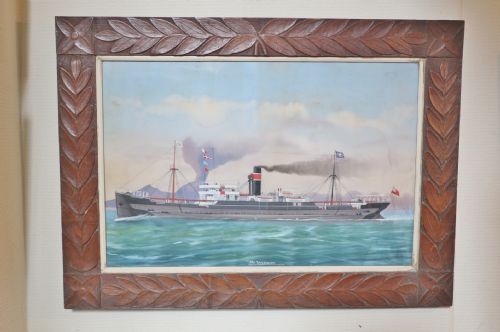
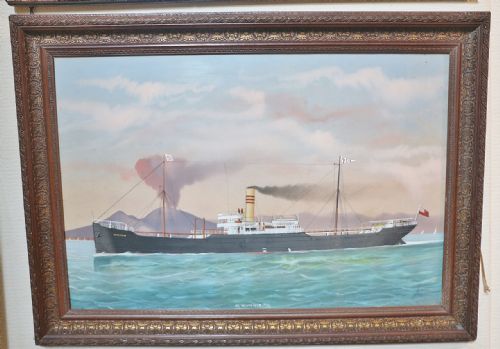
Edwardian nautical wall art encompasses framed paintings, watercolours, etchings, and textile works that capture marine scenes, naval vessels, and coastal harbours from the early twentieth century. When exploring Edwardian nautical wall art, buyers encounter depictions of specific steamships, tall ships, and fishing boats rendered during an era deeply tied to maritime trade and naval power.
The versions most commonly met on this page include detailed watercolour paintings and oil paintings signed by period artists, alongside distinctive textile pieces such as sailor-girl woolwork panels. These works span subjects from bustling river reaches and calm coastal inlets to dramatic open-water scenes.
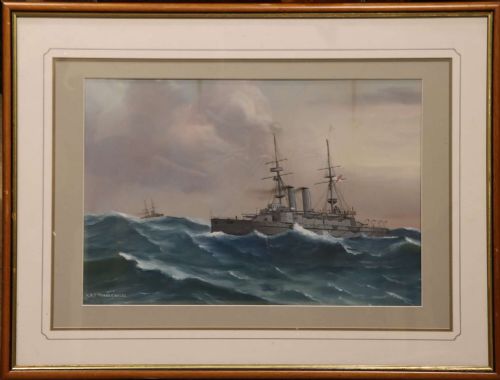
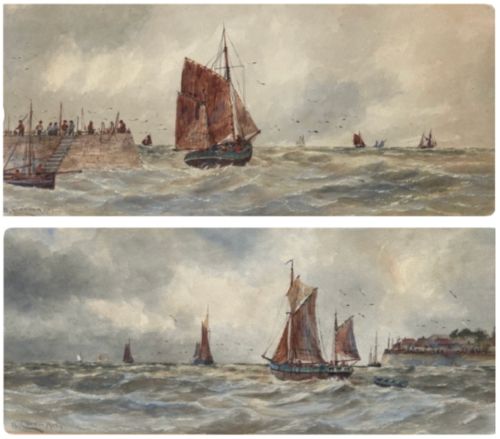
The visual scope stretches from the late Victorian years through the Edwardian period and into the early decades of the twentieth century, reflecting a society fascinated by seafaring. Pieces range from intimate watercolours of Cornish luggers to striking gouache depictions of named warships.
Materials and Techniques
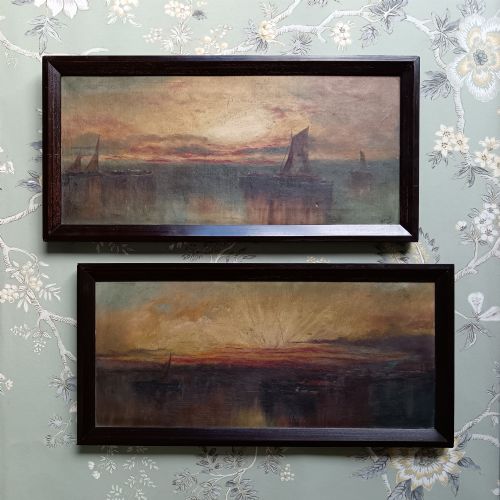
Artists working in this genre relied primarily on oil on canvas, watercolour pigment on paper, and gouache, often mounting their finished pieces within wood frames behind glass. The handling of watercolour pigment allowed painters to capture the translucent quality of light on choppy waters, while oil on canvas provided depth for dramatic skies and dark hull timbers.
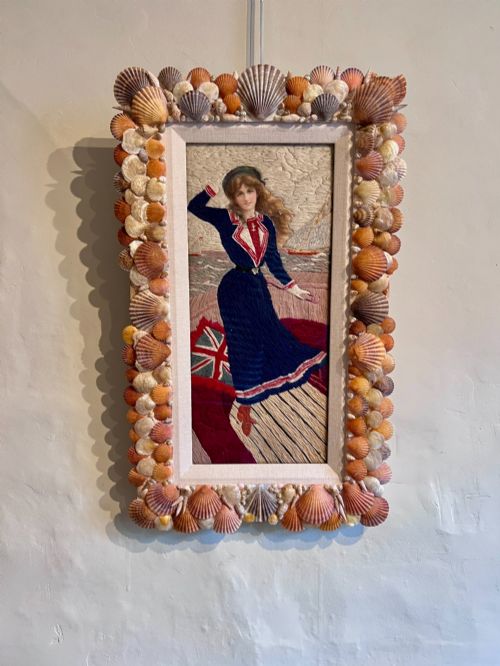
Alternative forms utilise textiles, notably woolwork embroidery known as woolies, where coloured threads build up detailed depictions of ships and crew members. Framing materials commonly feature wood, sometimes enhanced with gilt finishes to complement the maritime subject matter.
One sailor meticulously stitched a woolwork girl watching the waves, proving that even hardened mariners appreciated a soft portrait at sea.
Markers of Quality
The distinction between standard works and exceptional pieces rests upon the artist's command of maritime architecture and atmospheric conditions. Master hands render rigging, hull lines, and water movement with absolute precision, whereas lesser works treat these technical details as generic approximations.
Documentation and provenance further divide the range, with signed works by established painters commanding greater recognition than anonymous studio output. The clarity of the medium - whether the crispness of a pencil signature on an etching or the preserved vibrancy of watercolour pigment - determines the visual impact of the surviving piece.
William Lionel Wyllie·Charles Napier Hemy·Richard Harry Carter·Daniel Sherrin·Edward Henry Eugene Fletcher·Leslie Rackham·Fred Mayor·Bertram Priestman·Frank Wood·Frank William Scarbrough
The Edwardian Nautical Wall Art Glossary
- Gouache
- An opaque water-based medium that dries to a matte finish, frequently used in maritime works to render bright highlights on churning sea foam.
- Woolie
- A traditional textile picture worked in coloured wools by sailors, depicting naval vessels and coastal scenes with a distinct tactile texture.
- Seascape
- A painting, drawing, or etching depicting the sea, coastal views, or marine vessels in motion.
- Etching
- A printmaking technique where an artist incises a design into a metal plate with acid, capturing fine linear detail in subjects such as river craft and rigging.
- Lugger
- A small fishing vessel carrying lug sails, a common subject in early twentieth-century coastal art.
Edwardian Nautical Wall Art: Frequently Asked Questions
How do I identify an Edwardian maritime painting?
Look for the specific clothing styles of the figures, the presence of early steamships alongside traditional sailing vessels, and artist signatures that date to the first two decades of the twentieth century.
Paper discoloration and framing styles characteristic of the period also offer reliable clues to dating.
Were these artworks created by professional artists?
The selection includes pieces by elected Royal Academicians and professional marine painters alongside skilled amateurs and sailors who recorded their own vessels.
Signatures, exhibition labels on the reverse, and the finesse of the brushwork generally distinguish professional output from amateur craft.
How should I hang and light these pieces?
Paper works executed in watercolour and gouache require protection from direct sunlight to prevent fading of the pigments over time.
Positioning them away from moisture-heavy areas like kitchens helps preserve both the paper support and the original wood framing.
What subjects are most common in this category?
Depictions of named naval warships, commercial steamships, fishing luggers, and lighthouses dominate the available visual record.
Artists frequently documented specific British coastal locations, busy rivers like the Thames, and international ports.