


Edwardian Nautical Painting
Edwardian nautical painting captures the drama of early twentieth century maritime life through skilled depictions of steamships, tall ships and coastal harbours.
Edwardian Nautical Painting
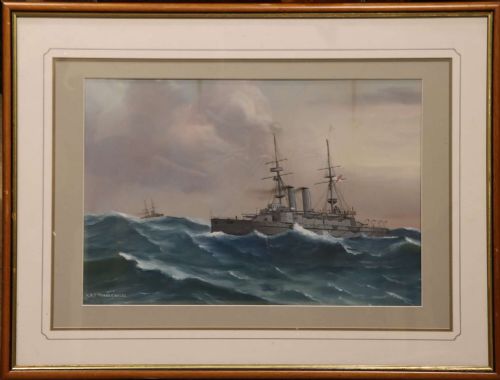
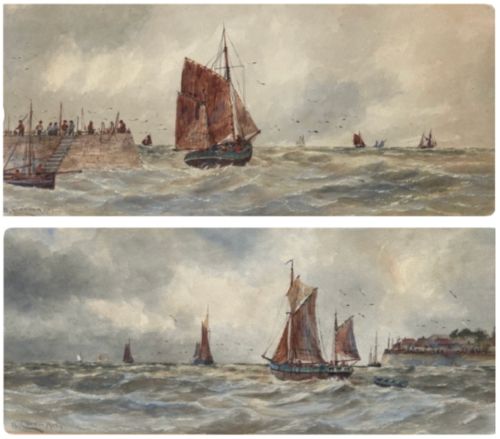
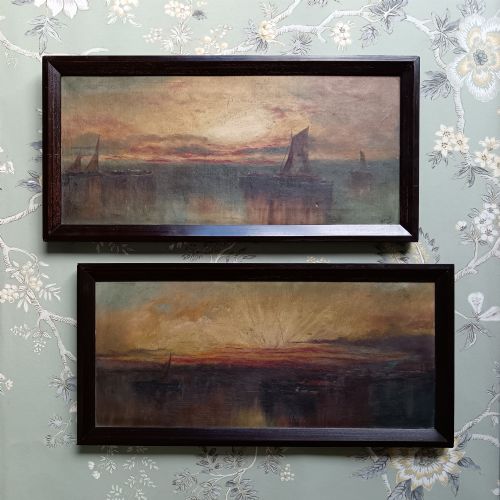
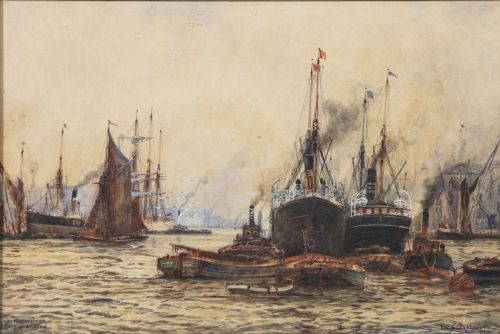
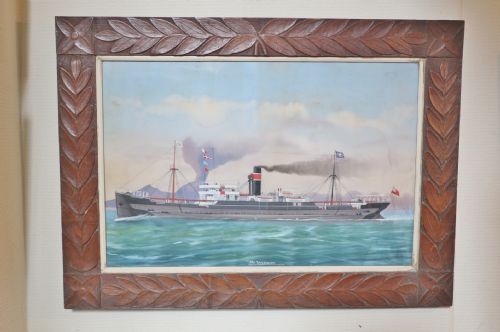
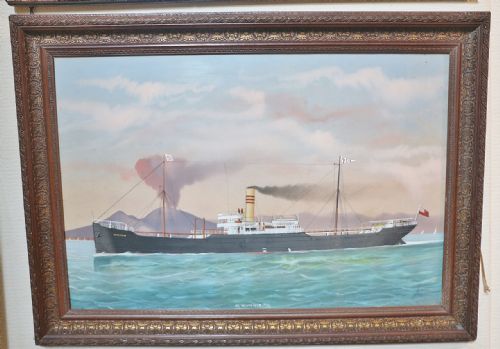
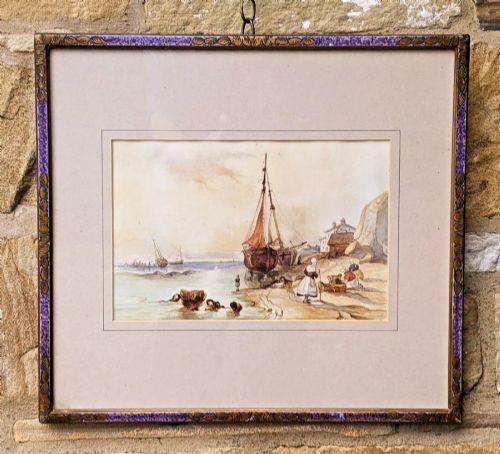
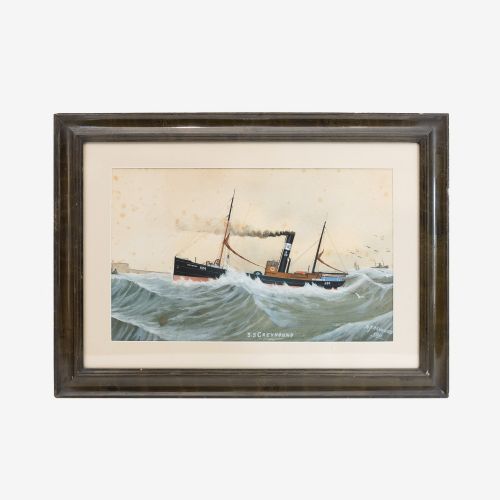
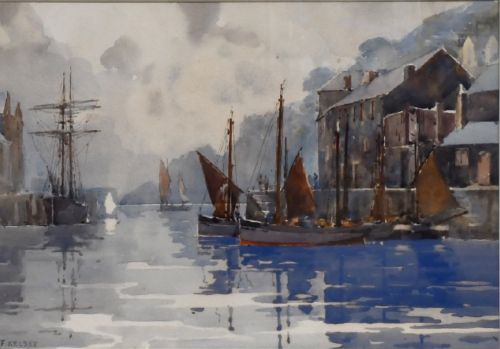
An edwardian nautical painting depicts maritime subjects ranging from bustling ports and working fishing boats to specific named vessels and stormy seas. These works capture a period of intense maritime activity through oil on canvas, gouache and watercolour.
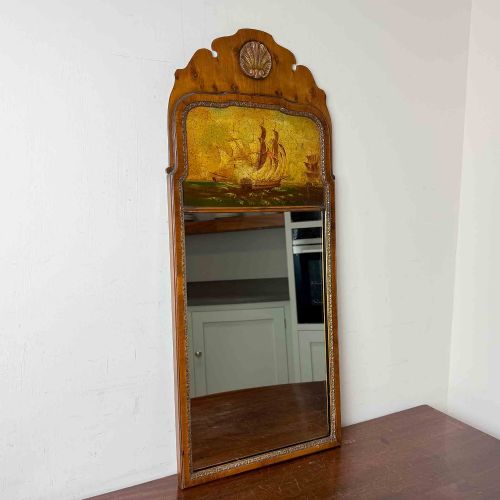
The pieces you encounter most frequently on this page date from the opening decades of the twentieth century, often reflecting the strong British and European coastal traditions of the era. Alongside framed pictures, related items such as decorative model boats occasionally appear to round out the maritime theme.
Materials and techniques
Artists of the period relied primarily on oil on canvas for larger coastal scenes, allowing for rich textures in depicting choppy seas and changing weather. Watercolour pigment on paper and board was equally popular for luminous port views and detailed harbour studies.
Gouache appears frequently, often combined with watercolour to build opaque highlights on waves, ship rigging and foam. Supports range from stretched canvas to prepared board and heavy watercolour paper.
Assessing quality
Quality rests upon the artist's command of atmospheric light, water movement and accurate vessel rigging. Superior works demonstrate a convincing sense of weight in the water and genuine understanding of maritime architecture.
Handwritten signatures, period framing and clear provenance elevate individual pieces above standard decorative works. Condition of the paper or canvas, free from heavy foxing or destabilised pigment, also determines the standing of a piece.
Frank William Scarbrough·Charles Napier Hemy·Richard Harry Carter·Pieter Cornelis Dommersen·Daniel Sherrin·Edward Henry Eugene Fletcher
The Edwardian Nautical Painting Glossary
- Gouache
- An opaque water-based pigment used to create solid highlights and rich colour. It gives marine paintings strong tonal contrast in rendering clouds and cresting waves.
- Seascape
- A work depicting the sea, coastal views or ships in motion. It forms the primary subject category for maritime art.
- Lugger
- A small two-or-three-masted fishing vessel carrying lug sails. These boats appear frequently in regional British coastal watercolours.
- Provenance
- The documented history of ownership for a piece of art. Clear records help confirm attribution and date.
Edwardian Nautical Painting: Frequently Asked Questions
How do I identify an edwardian nautical painting?
Look for specific clues in the vessel types depicted, such as early steamships, ironclad warships or traditional fishing luggers characteristic of the period.
Signatures, dates, and framing styles typical of the early twentieth century help confirm the era alongside the medium used.
Were these paintings made by professional marine artists?
Many works are by accomplished painters who specialised in maritime subjects and exhibited widely in British galleries during the Edwardian era.
Other pieces originate from talented amateurs or travelling artists recording specific ports and ships.
How should I care for a watercolour marine painting?
Keep works on paper away from direct sunlight to prevent the watercolour pigments and gouache from fading over time.
Display them in stable indoor environments with controlled humidity to protect both the paper support and the original frame.
What subjects are most common in these works?
Busy river pools, working fishing boats in choppy seas, and named steamships off various coastlines dominate the pictorial record.
Scenes range from calm continental harbours to dramatic storms and coastal arrivals.