
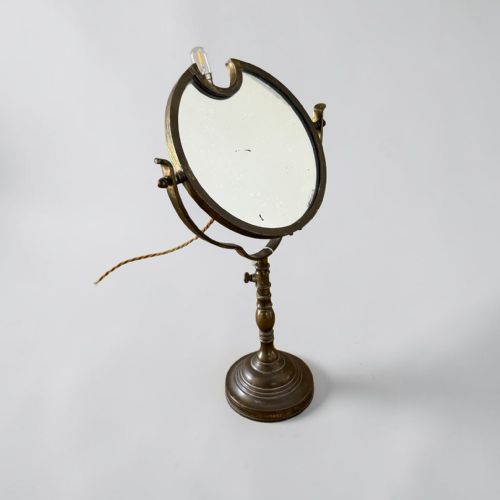
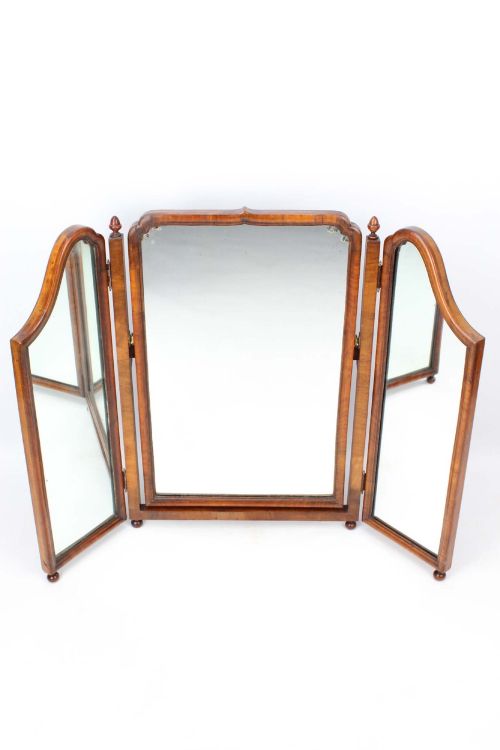
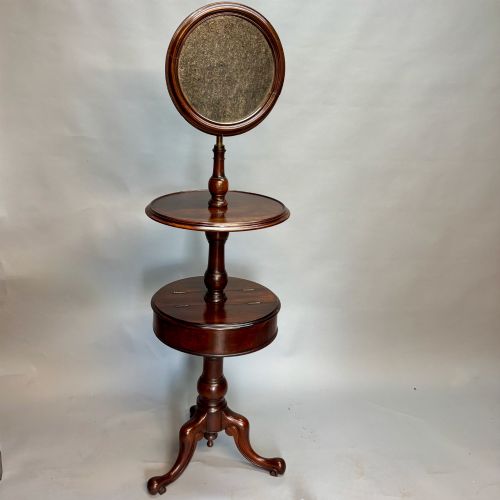
Edwardian Mirrored Vanity Table
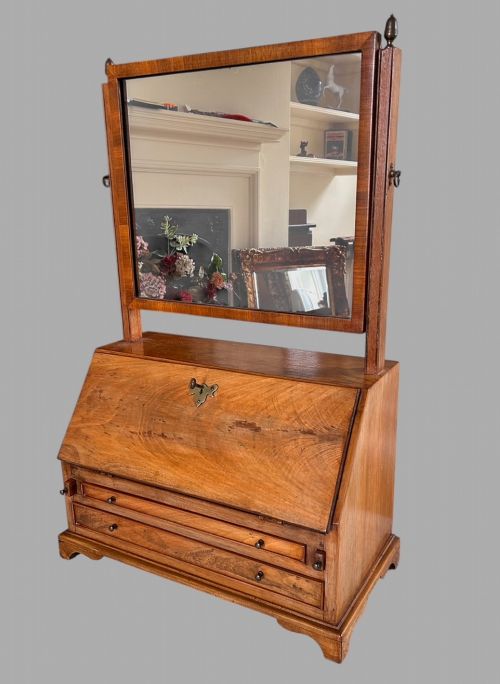
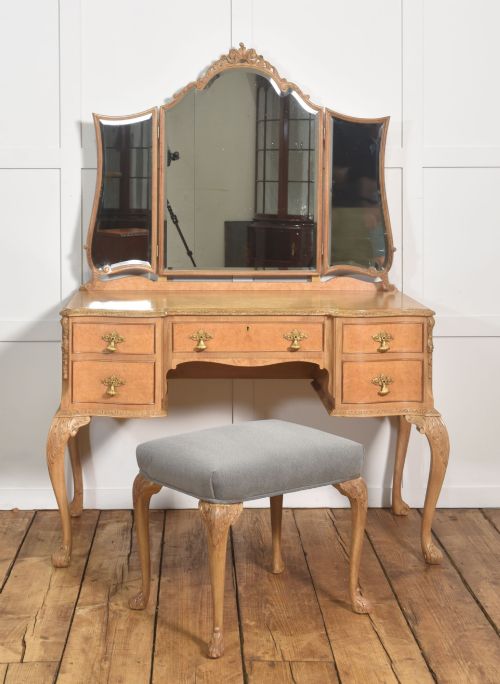
An edwardian mirrored vanity table brings polished mahogany, satinwood and adjustable glass into the bedroom for daily routines.
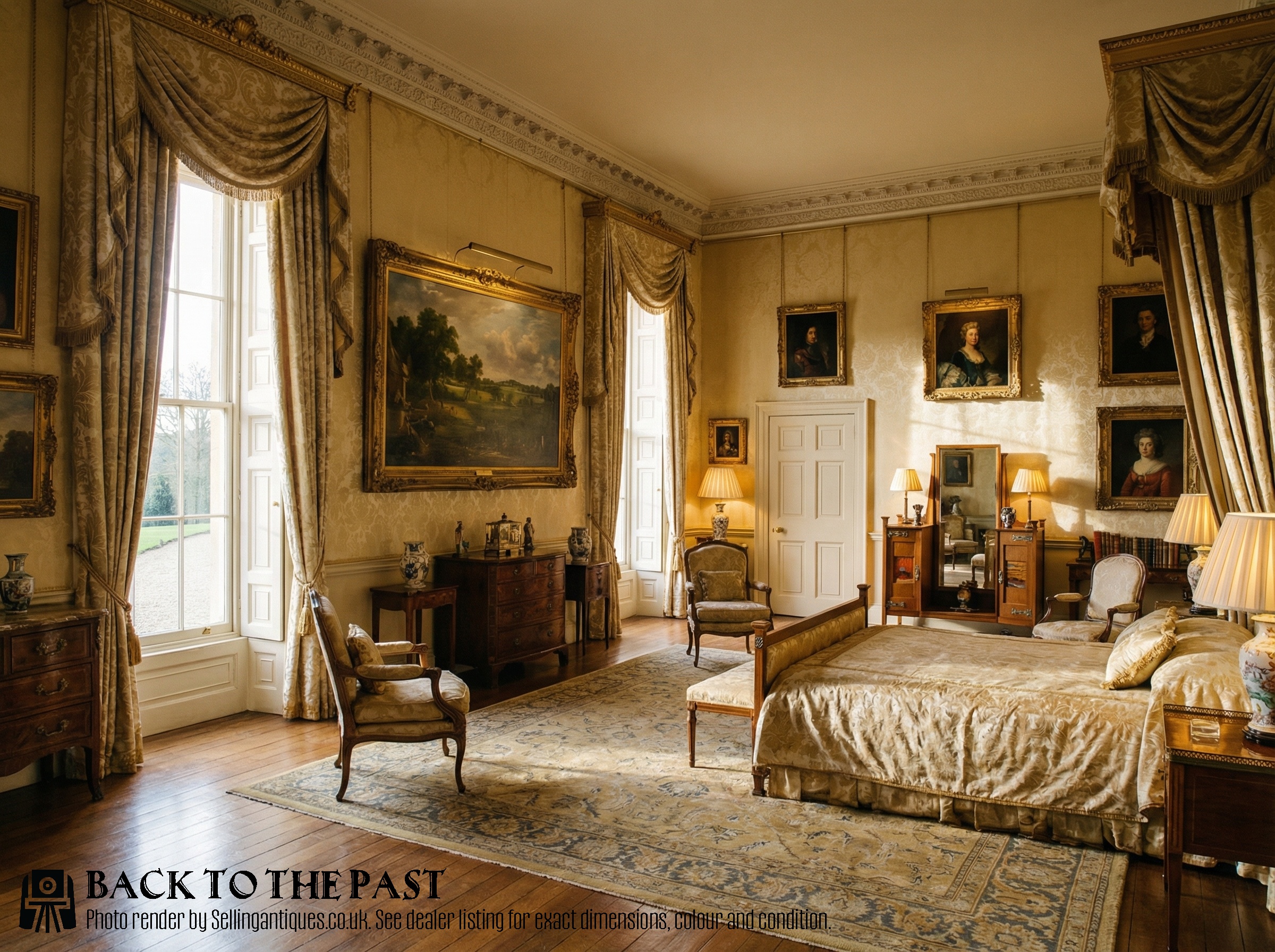
Edwardian Mirrored Vanity Table
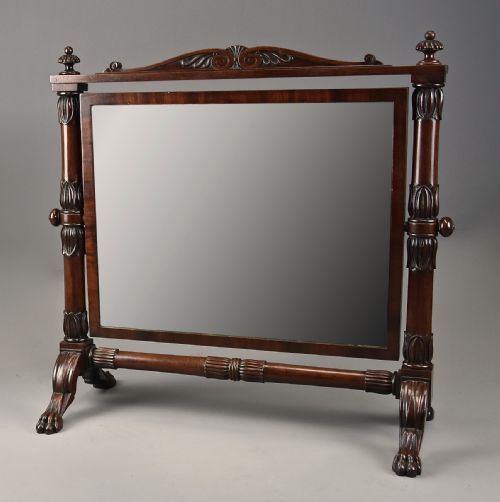
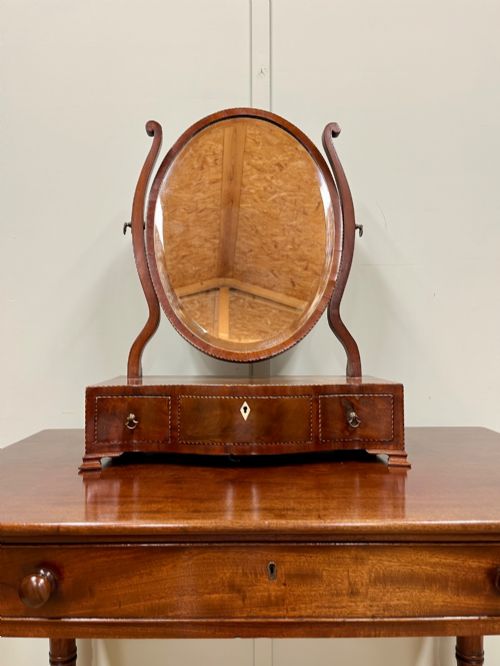
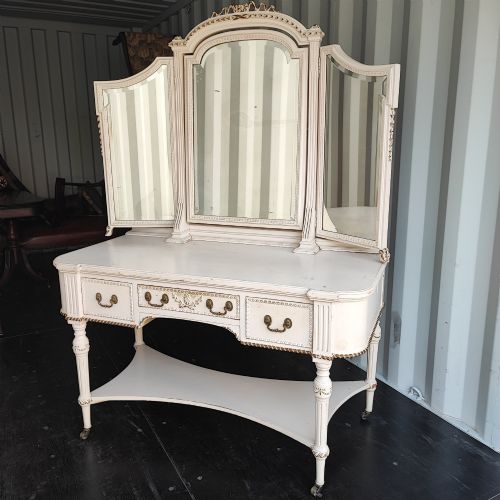
When you search for an edwardian mirrored vanity table, you encounter dressing pieces, cheval mirrors and dressing chests spanning the Edwardian period, 1900, 1910 and 1920, alongside earlier Victorian and Georgian examples. These pieces combine timber surfaces with tilting or fixed mirror glass for personal grooming.
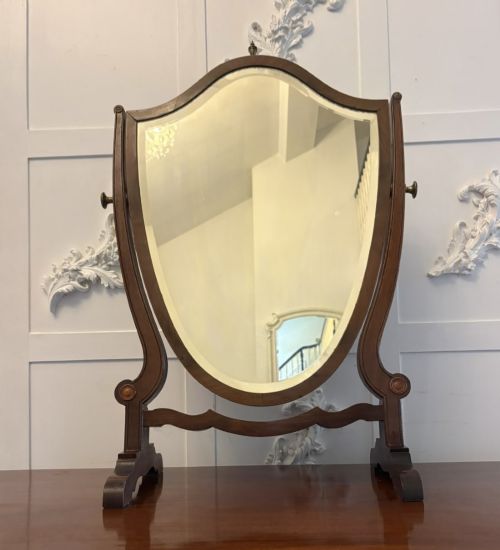
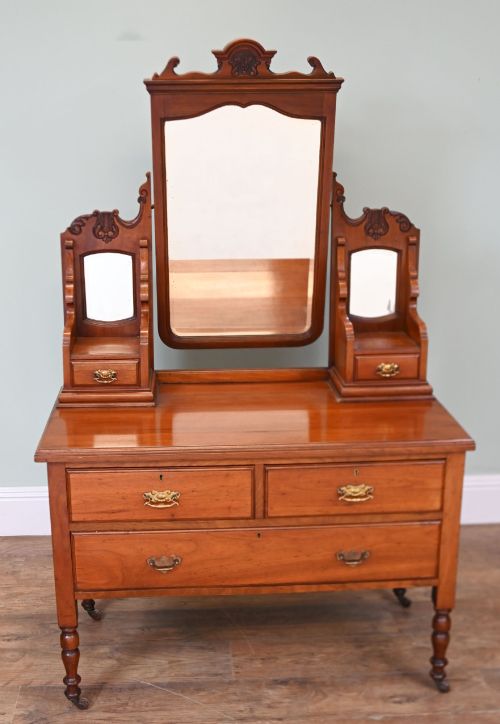
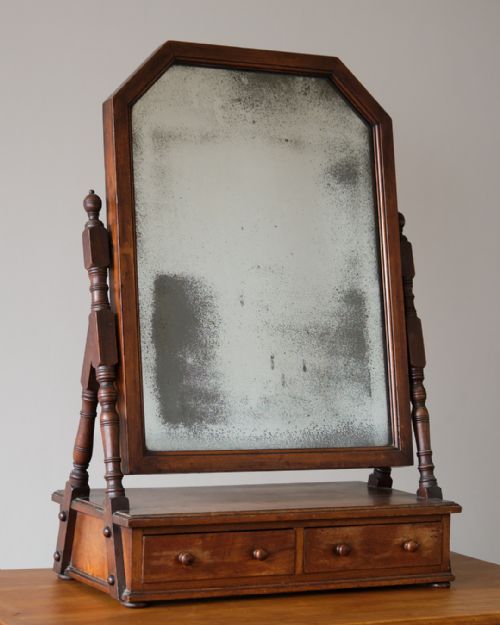
The most common version on this page is the Edwardian mahogany dressing table or chest fitted with an adjustable shield or rectangular mirror. Examples range from simple oak dressing mirrors to large walnut suites and satinwood writing tables with mirrored superstructures.
Materials and Construction
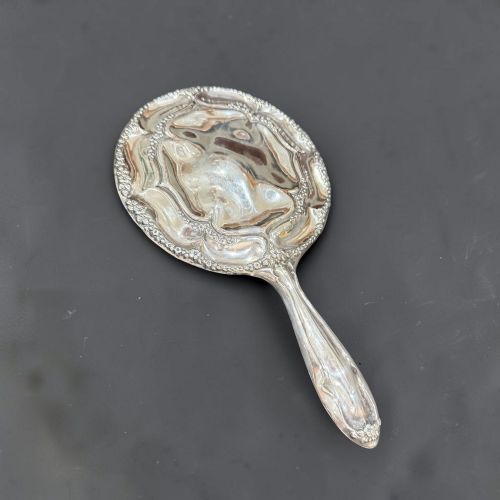
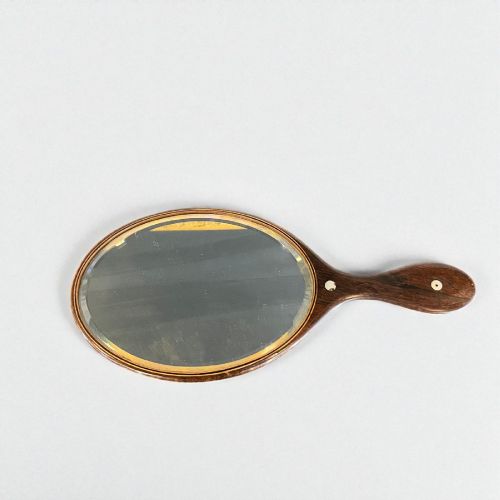
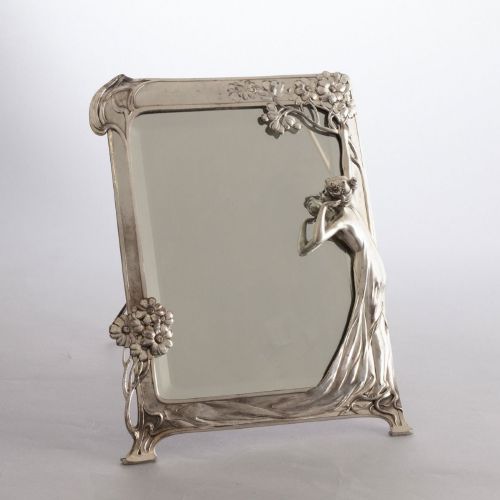
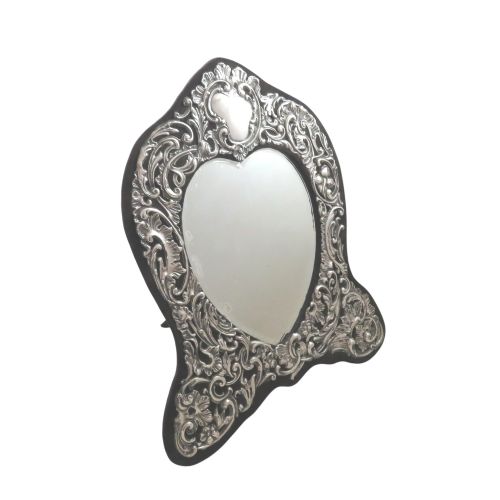
Cabinetmakers utilised solid timbers and veneers including mahogany, oak, walnut, satinwood and ash, often supported by brass hardware, pewter and sterling silver mounts. Frames incorporate inlaid details, hand-painted decoration, ebonised chinoiserie and repoussé brass work.
Mirrors utilise clear and bevelled glass plates secured within adjustable table-top, cheval or wall-mounted frames, while chests and dressing tables integrate drawers and jewellery compartments into the structural carcase.
Listings feature Edwardian, Victorian and Regency periods constructed in mahogany, oak, walnut, satinwood and sterling silver.
Assessing the Pieces
Quality rests in the selection of cabinet timbers, such as burr walnut, figured mahogany or satinwood, and the crispness of inlaid banding and carved details. Maker attribution, through stamps, labels or known workshop designs, elevates a piece significantly.
The integrity of the mirror glass, the smoothness of adjustable brass pivots and drawers that operate without binding determine the standard of survival across these dressing tables and mirrors.
P and MA Nicholson·WMF·Maples of London and Paris·Heal and Sons·George Walton·Charles Boyton·S Blanckensee and Son·Lamb of Manchester·Shapland and Petter·Maurice Adams
The Edwardian Mirrored Vanity Table Glossary
- Cheval mirror
- A full-length mirror hung in a frame that permits it to swing at any angle. These freestanding pieces often stand on four legs or a robust platform base.
- Shield mirror
- An upright mirror plate shaped like a heraldic shield, commonly fitted to Edwardian dressing tables on two small scroll-carved uprights.
- Repoussé
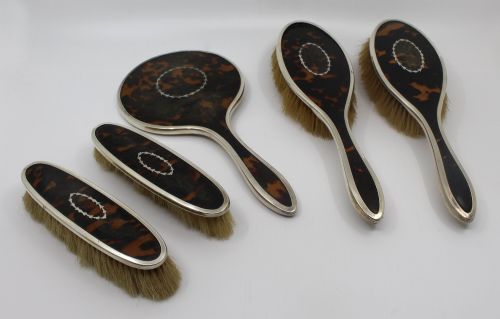
- Metalwork hammered or pressed from the reverse side to produce a raised design in relief. This technique decorates brass mirror frames and toilet sets.
- Satinwood
- A durable, lustrous timber with a golden-yellow sheen used extensively for fine Edwardian bedroom furniture and inlaid desk surfaces.
Edwardian Mirrored Vanity Table: Frequently Asked Questions
How do I adjust the mirror?
Most dressing mirrors use brass side screws or pivot pins that tighten by hand to hold the glass plate at the desired angle.
Over-tightening can strip the thread, so support the frame while adjusting the tension on each side.
Were these made as sets?
Makers produced matching bedroom suites that paired the dressing table or chest with wardrobes, washstands and compactum units.
Individual pieces also sold separately through retailers like Harrods and local cabinetmakers.
Where should I place a dressing table?
Position the piece near a natural light source so the mirror captures daylight for grooming and dressing tasks.
Ensure adequate clearance around the table if it includes drawers or a matching stool.
How do I clean the timber surfaces?
Dust regularly with a soft, dry cloth and apply a quality beeswax periodically to nourish the mahogany, walnut or satinwood polish.
Avoid placing wooden furniture near direct heat sources to prevent timber shrinkage and veneer splitting.