
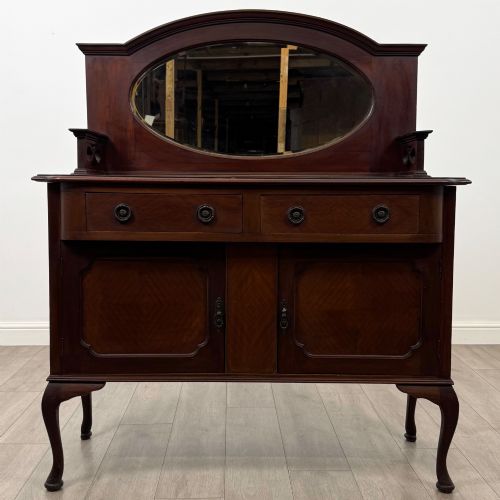
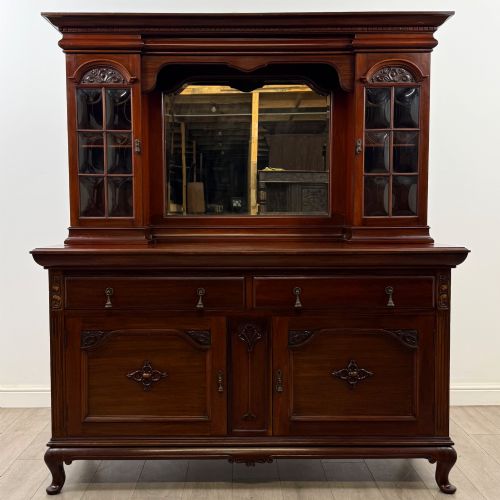
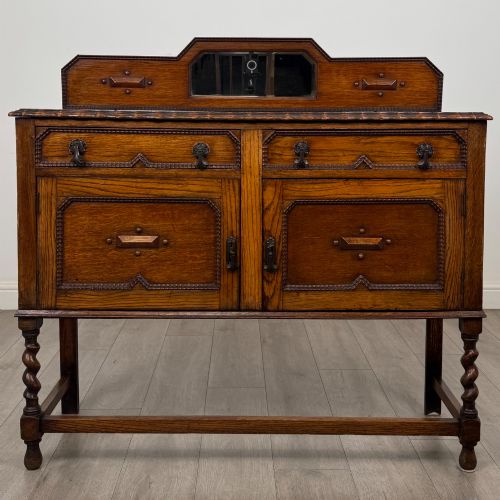
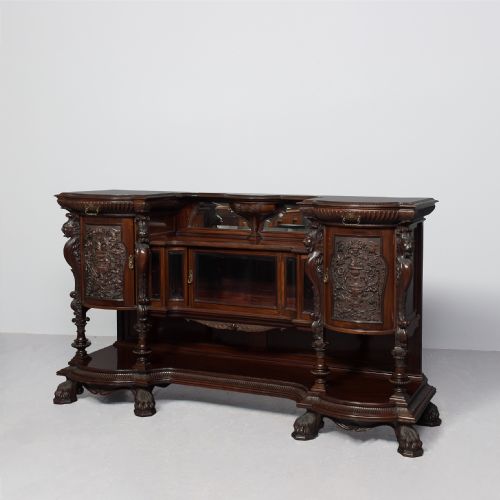
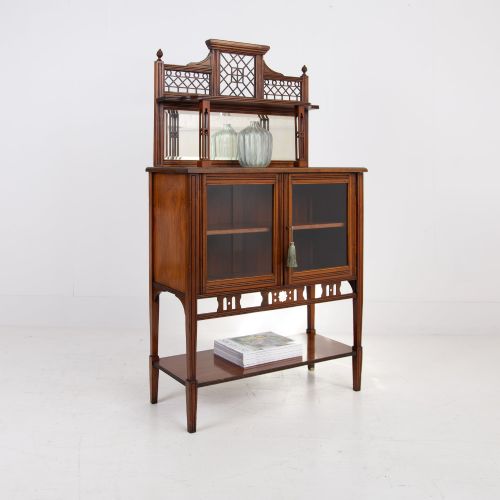
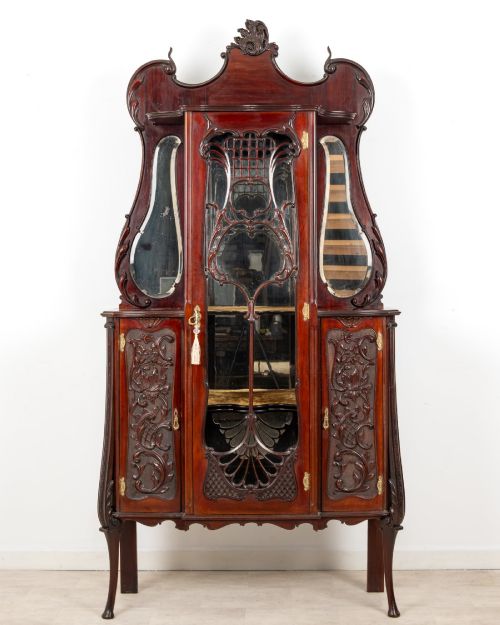
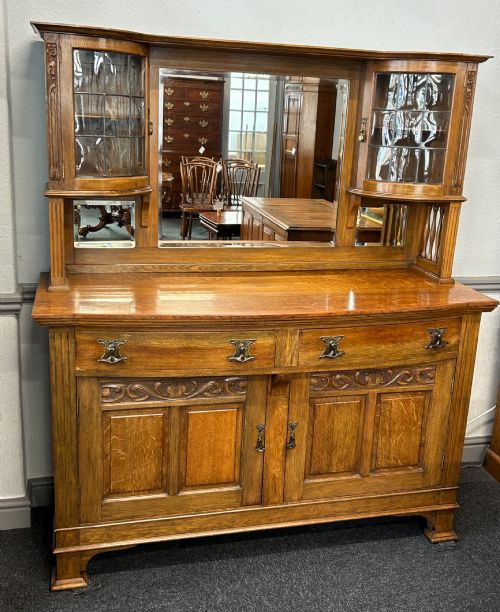
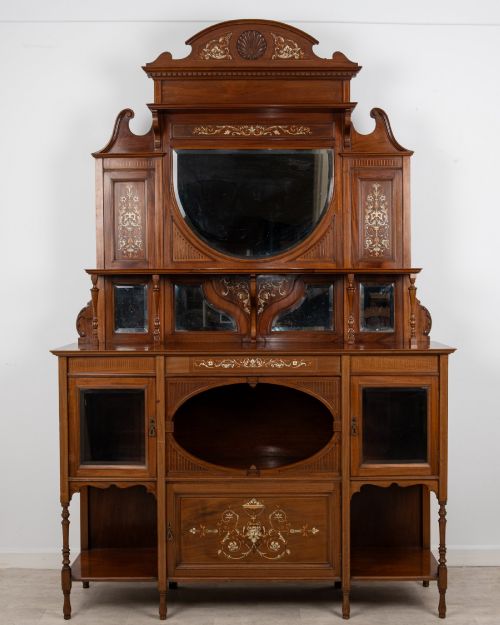
Edwardian Mirrored Back Cabinet
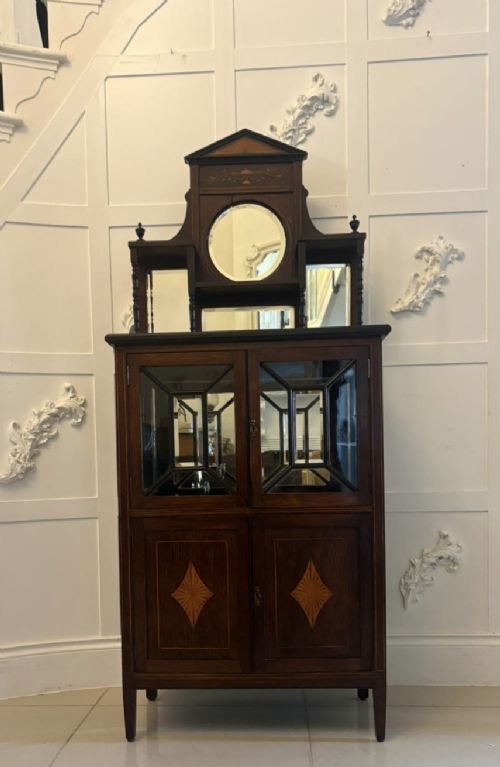
An edwardian mirrored back cabinet combines useful storage with reflective glass, designed to brighten rooms and display cherished objects.
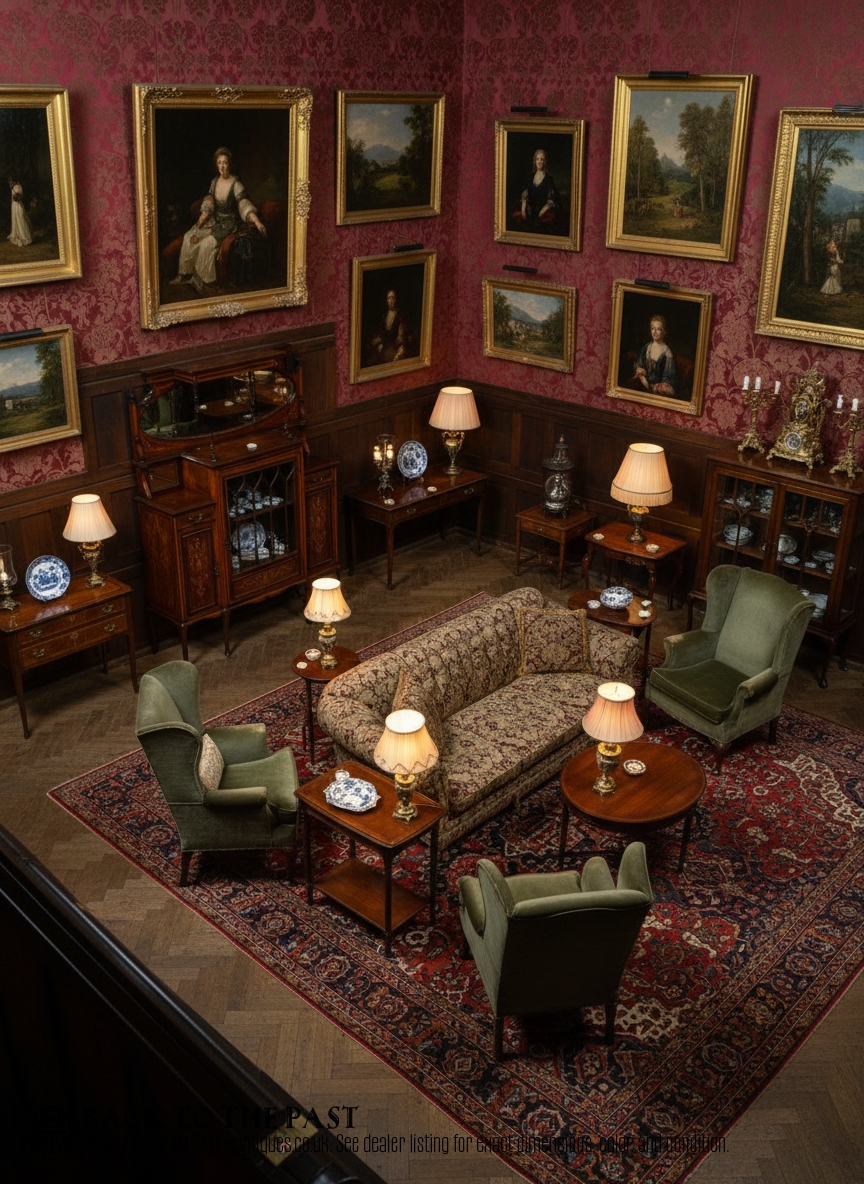
Edwardian Mirrored Back Cabinet
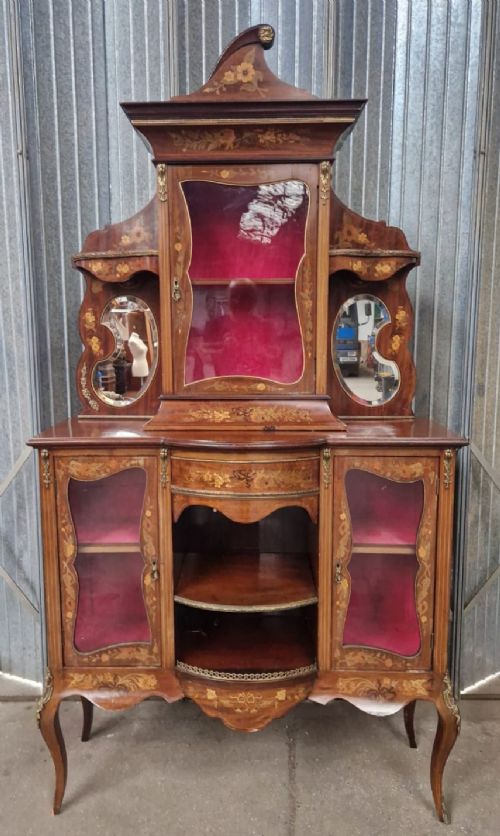
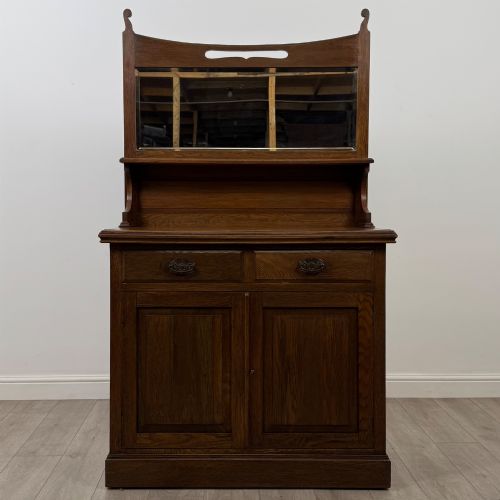
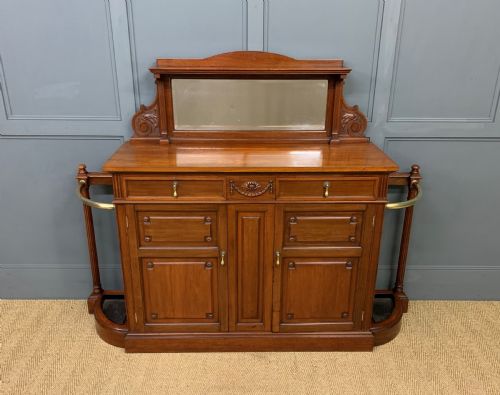
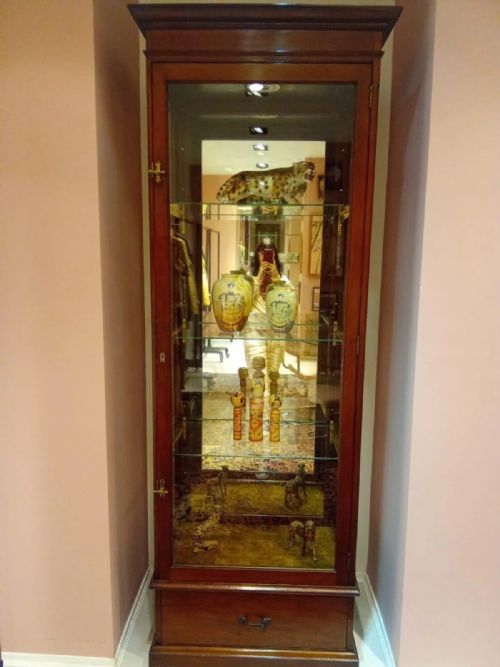
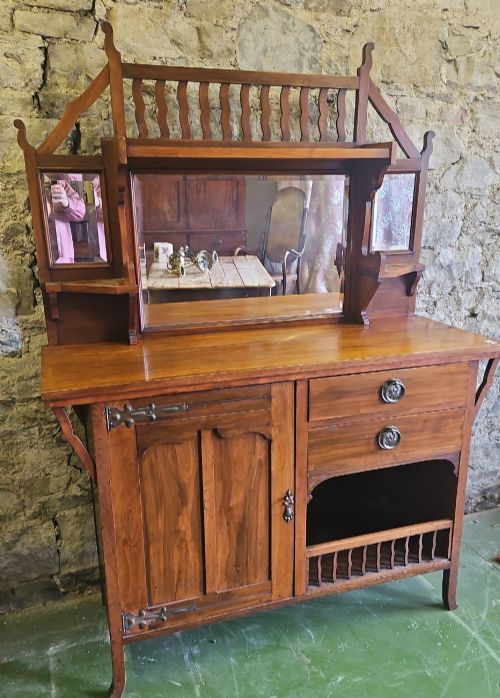
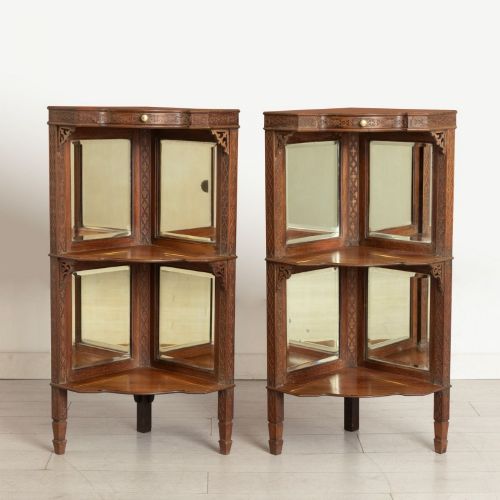
When searching for an edwardian mirrored back cabinet, buyers encounter furniture designed to catch the light and reflect interior spaces. Pieces span the Edwardian period, late Victorian era, and early twentieth century, appearing in forms such as display cabinets, sideboards, and side cabinets.
Mahogany, oak, and rosewood dominate the construction, often enhanced by glass panels and mirrored sections. Makers utilised styles ranging from Arts and Crafts and Art Nouveau to Aesthetic Movement and French influence.
Display cabinets and sideboards represent the standard forms meeting this search phrase. Walnut and satinwood also appear alongside classic mahogany and oak frameworks.
Materials and construction methods
Cabinet makers utilised dense hardwoods including mahogany, oak, walnut, and rosewood to build sturdy carcass frames. Marquetry, inlay work, and carving decorated the timber surfaces of sideboards and display cabinets.
Silvered mirror glass was set into wooden backs or door panels using brass fixings. Glazed doors utilised lead or wooden glazing bars to secure individual glass panes.
The furniture spans multiple design movements including Arts and Crafts, Art Nouveau, and the Aesthetic Movement.
Distinguishing quality in construction
Superior examples display crisp carving and precise timber matching in mahogany, walnut, or rosewood veneers. Cabinet makers who invested time in intricate marquetry and structural joinery produced pieces that endure.
The clarity of the mirror glass and the integration of the mirrored back into the overall design affect the visual balance. Substantial brass hardware and finely fitted internal shelving distinguish higher tiers of production.
Shoolbred and Co·Edwards and Roberts
The Edwardian Mirrored Back Cabinet Glossary
- Mirror-back
- A section of silvered glass incorporated into the upper rear of a sideboard, cabinet, or credenza. This feature reflects room light and displays objects placed in front of it.
- Marquetry
- Decorative patterns formed from thin pieces of wood veneer applied to a timber carcass. Craftsmen arranged contrasting timbers to create geometric or floral designs.
- Credenza
- A low cabinet or sideboard, frequently featuring mirrored glass and decorative mounts. Originating in Italy, these pieces served dining rooms and reception spaces.
- Tantalus
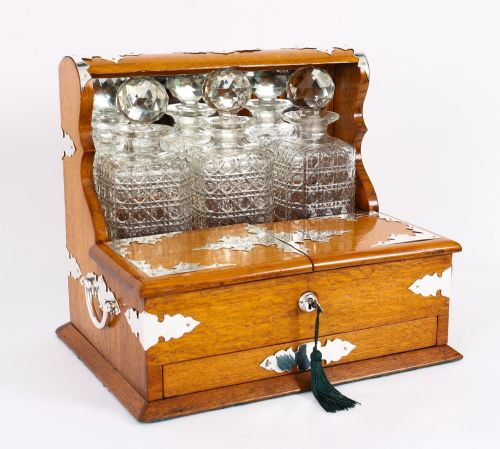
- A locking beverage container holding decanters visible through a wooden or mirrored framework. The design allowed hosts to display spirits while restricting access.
- Satinwood
- A lustrous, yellow-toned timber utilised for fine stringing and inlay work. Cabinet makers favoured it for contrasting against darker woods like mahogany.
Edwardian Mirrored Back Cabinet: Frequently Asked Questions
Where were these cabinets placed in a home?
These pieces typically stood in dining rooms, drawing rooms, or entrance halls. Their reflective surfaces helped illuminate darker corners of Victorian and Edwardian interiors.
Cabinets with glass doors or open shelves also functioned as display spaces for ceramics, glassware, and decorative ornaments.
How should I care for the mirror glass?
Clean mirror glass with a soft cloth and a gentle, ammonia-free cleaning solution sprayed onto the cloth rather than the glass. Avoid letting moisture seep behind the mirror plate where the silvered backing meets the wood.
Keep wooden frames polished with appropriate wax to maintain the moisture balance of the timber.
What is the difference between a credenza and a sideboard?
A credenza is traditionally a low-standing cabinet without legs, often featuring extensive marquetry and mirrored elements designed for display. Sideboards generally incorporate deeper storage cupboards and drawers intended for dining room service.
Both forms frequently integrated mirrored backs during the late nineteenth and early twentieth centuries.