




Edwardian Marble Side Table
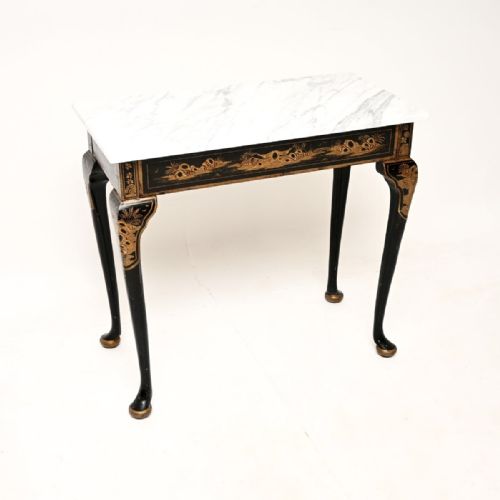
An edwardian marble side table brings a solid stone surface to a compact timber frame, offering a durable and cool-to-the-touch platform for daily use.
Edwardian Marble Side Table
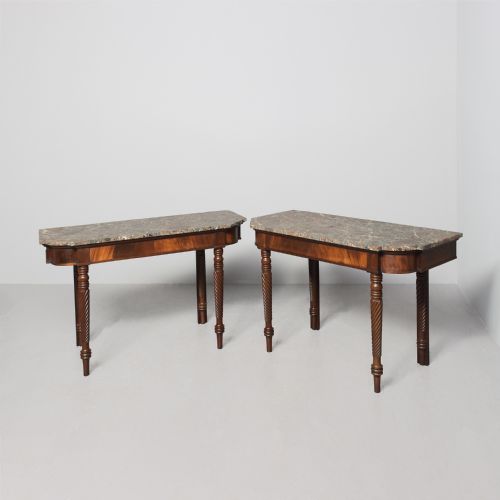
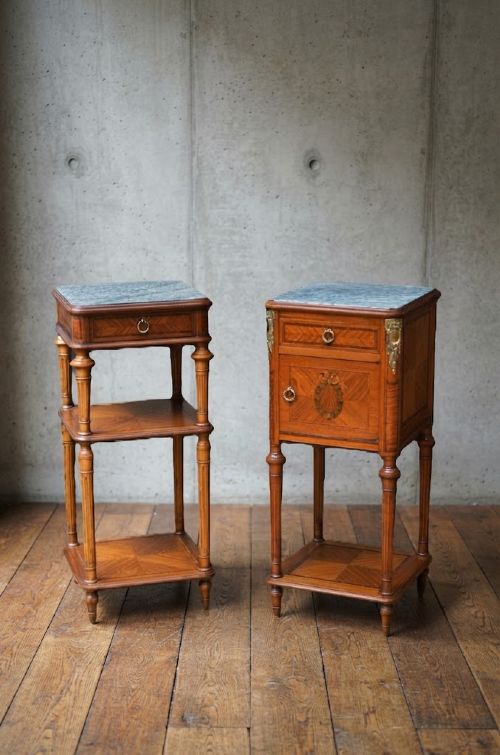
When you search for an edwardian marble side table, you encounter pieces originating primarily from the Edwardian era, alongside related nineteenth century and early twentieth century examples. The selection includes dedicated side tables, washstands, occasional tables, and bedside cabinets fitted with stone tops.
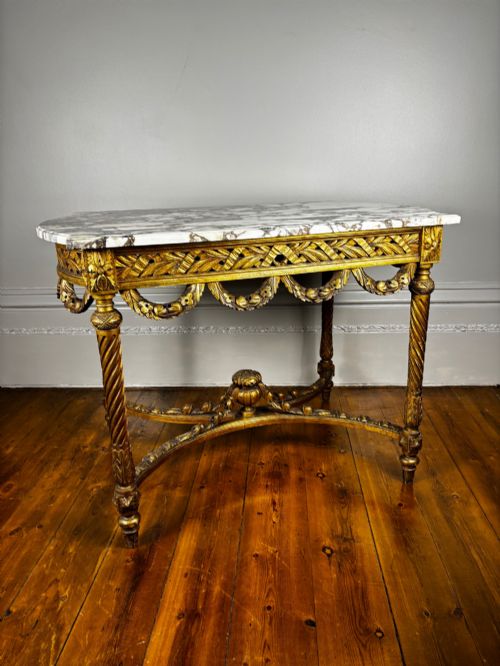
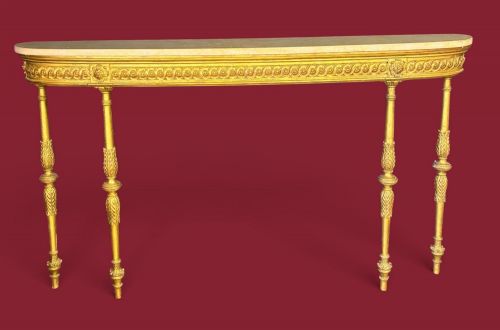
The primary forms range from simple pine and mahogany washstands to ornate French giltwood consoles and satinwood cabinets. Many items bridge the gap between practical domestic furniture and decorative display pieces.
While the search term specifies the Edwardian period, the surviving pieces often draw on earlier Regency, Victorian, and Louis styles. Walnut, mahogany, and cast iron frequently provide the supporting structure beneath the stone.
Materials and construction methods
Makers combined heavy natural stone surfaces with timber frames constructed from mahogany, walnut, satinwood, oak, and pine. Marble and onyx provide the distinctive hard-wearing tops, supported by brass fixtures, giltwood carvings, and cast iron bases.
Joinery techniques relied on traditional cabinet-making methods to support the substantial weight of a stone slab. Turned wooden legs, applied marquetry, and moulded brass mounts secure the structure while defining the aesthetic period.
Washstands dominate the Edwardian selection, proving that our ancestors took their morning splash with considerable geological heft.
Distinctions in construction and design
Quality rests on the selection of timber and the specific type of marble or fossil stone fitted to the top. Finely figured mahogany or satinwood frames paired with specialist marble indicate superior craftsmanship.
The precision of the carving, the integration of the stone within the wooden gallery, and the retention of original brass hardware separate standard utility pieces from high-end cabinet work.
The Edwardian Marble Side Table Glossary
- Washstand
- A wooden table fitted with a marble top designed to hold a wash basin and jug. These items frequently survive as side tables after the removal of their original ceramic basins.
- Gueridon
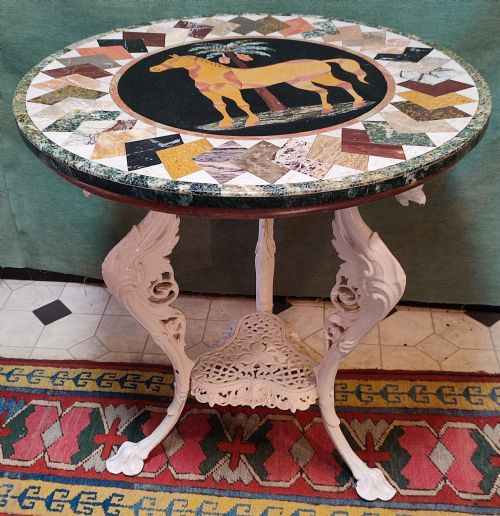
- A small circular French table used for holding lamps or ornaments. These pieces often feature a marble top supported by three or four slender legs.
- Demi-lune
- A half-moon shaped table designed to sit flush against a wall. This form appears frequently among console and side tables.
- Pietra dura
- An artistic technique using cut and fitted polished coloured stones to create geometric or pictorial designs. This work appears on select tabletop surfaces.
- Galleried
- A table top surrounded by a low raised edge or railing, often constructed from brass or carved wood. This feature prevents items from sliding off the stone surface.
Edwardian Marble Side Table: Frequently Asked Questions
How were these marble tables originally used?
These tables served various practical functions in the home, acting as washstands in bedrooms, lamp tables in parlours, or serving surfaces in hallways.
The heavy stone tops provided a waterproof and heat-resistant area suited for holding water basins, heavy lamps, or decorative ornaments.
Can I use an antique washstand as a side table?
Many washstands transition easily into modern living spaces as side tables or console surfaces. Their original stone tops make them practical for everyday placement in hallways or living rooms.
Buyers often utilise the flat marble surface for plants, lamps, or general display without needing the original wash jug and basin.
What woods support these stone tops?
Makers utilised a variety of timbers depending on the style and period of the furniture. Mahogany, walnut, satinwood, and oak appear frequently in the primary framing.
Utility pieces such as washstands were also constructed from pine, which was occasionally painted or finished to resemble more expensive hardwoods.
How do I distinguish Edwardian pieces from Victorian ones?
Edwardian furniture generally exhibits lighter proportions and simpler lines compared to the heavier, darker aesthetic of the preceding Victorian era. Satinwood and lighter mahogany finishes gain prominence in the later period.
Earlier nineteenth century examples often feature more robust timber construction and deeper decorative carving influenced by Regency or Victorian revival tastes.