



Oak Marble Top Table
When you search for an oak marble top table, you uncover a surprisingly varied lineage of robust timber frames paired with cool stone surfaces.
Oak Marble Top Table
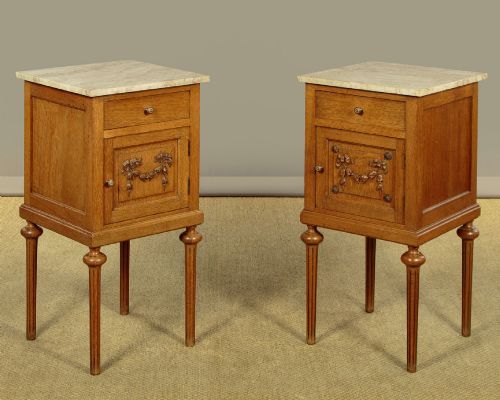
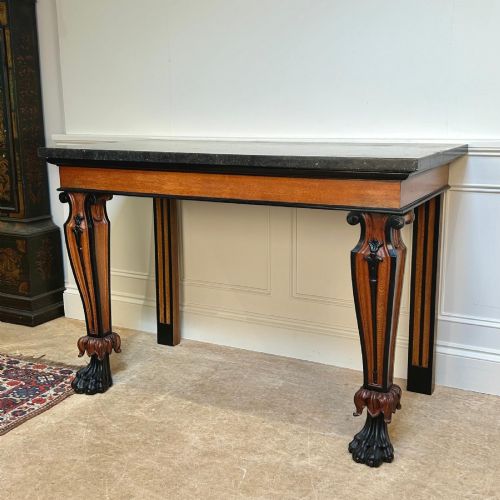
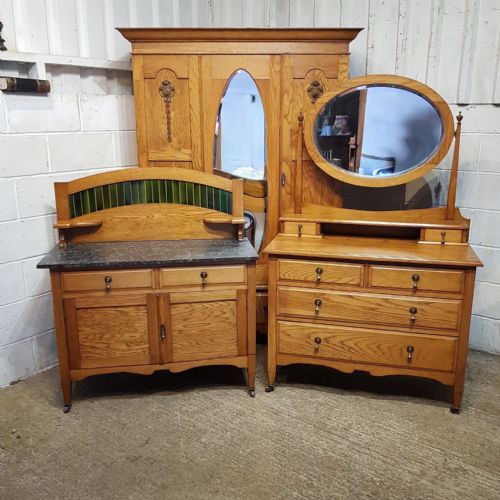
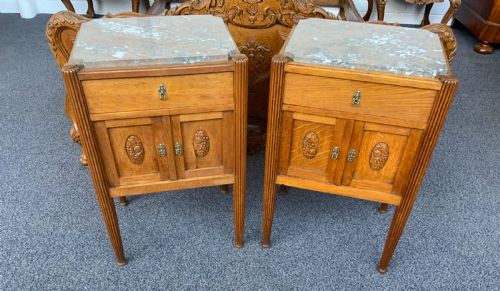
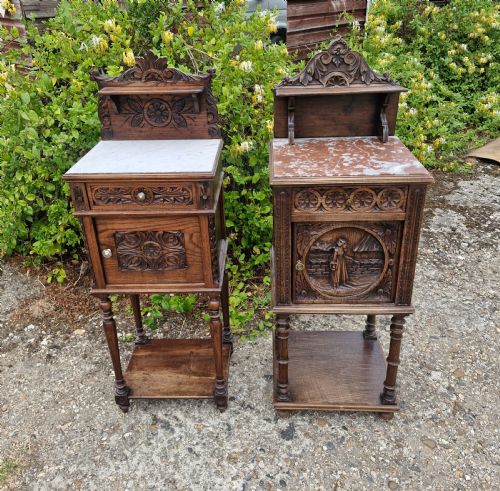
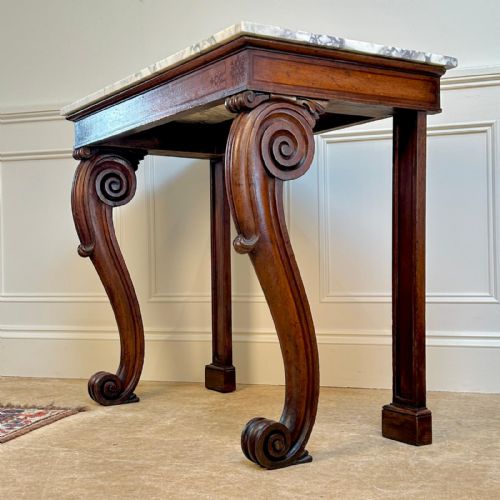
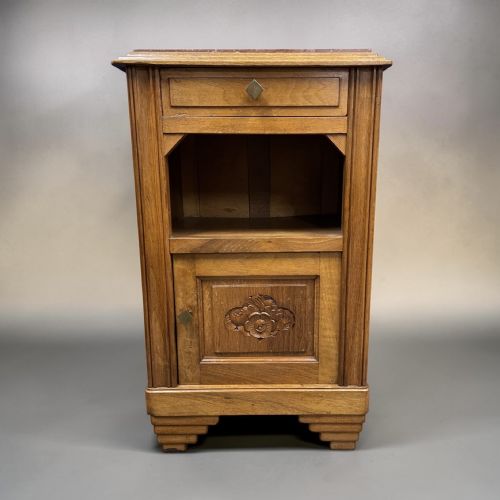
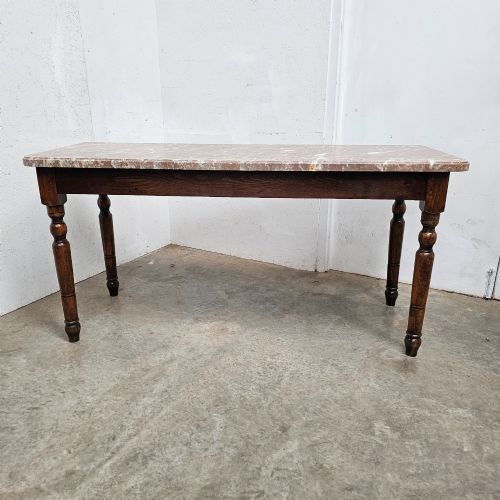
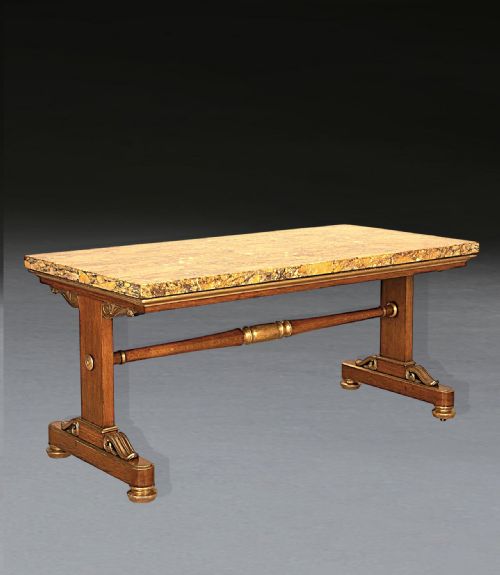
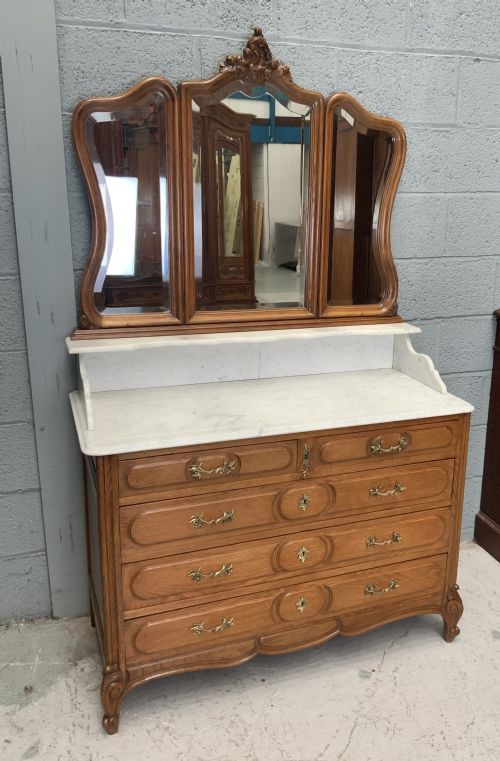
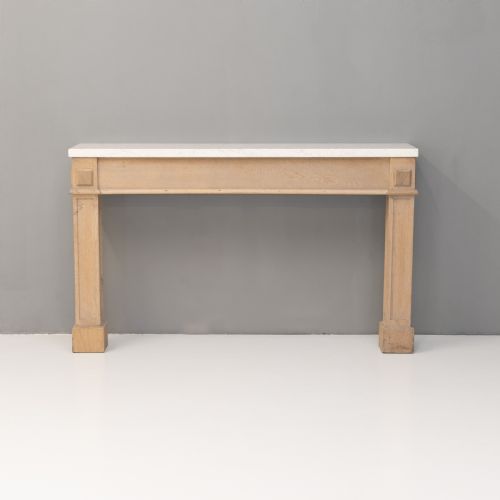
An oak marble top table brings together a sturdy wooden frame and a cool stone slab, appearing across forms such as console tables, bedside cabinets, washstands, and centre tables. These pieces span centuries of domestic life, drawing on Victorian, Regency, and Art Deco design traditions as well as French provincial aesthetics.
On this page, bedside cabinets and console tables dominate the selection, often originating from French workshops or English country houses. Makers utilised the durability of oak to support heavy stone surfaces, resulting in functional furniture designed for daily utility in bedrooms, hallways, and living spaces.
The combination bridges utility and decoration, pairing the visible grain and carved details of oak with white, grey, or specimen marble tops. Whether encountered as an 18th-century side table or a 1920s Art Deco bedside cabinet, the form relies on the contrast between warm timber and polished stone.
Materials and construction
Makers constructed the structural frames using solid oak, occasionally incorporating pine or birch in secondary parts, and supported heavy stone slabs including Carrara, Siena, and Derbyshire fossil marble. Carved ornamentation, panelled doors, and turned or fluted legs demonstrate traditional cabinet-making techniques suited to dense hardwoods.
Marble slabs rest directly upon the timber framework or within rebated wooden surrounds, sometimes secured with brackets or left loose for easy lifting. Surface finishes range from natural waxed oak and bleached grain to ebonised treatments and painted highlights, protecting the timber while framing the stone insert.
Victorian washstands often carry faint water rings from basins long since vanished, recording decades of brisk morning routines before breakfast.
Assessing craftsmanship
Quality rests in the harmony between the oak carcass and the geological character of the marble top, where thick, richly figured timber supports well-veined stone without structural sagging. Superior pieces display crisp hand-carving, such as lion masks or botanical motifs, executed directly into the solid wood rather than applied in plaster.
Cabinetwork integrity defines the upper tier, evidenced by traditional joinery in the drawers and frames, matching pairs in bedside tables, and original stone surfaces free from mismatched replacements. The depth of the oak grain and the weight and polish of the marble dictate the distinction between everyday utility items and grander country house furniture.
Krieger of Paris
The Oak Marble Top Table Glossary
- Console table
- A table designed to stand against a wall, frequently secured with brackets or supported by front legs. These pieces often served decorative and serving purposes in hallways and reception rooms.
- Specimen marble
- A decorative surface composed of various coloured marbles arranged in geometric patterns or topographical displays. This technique showcases distinct geological colours within a single table top.
- Washstand
- A piece of bedroom furniture equipped to hold a basin and jug, typically featuring a stone top to resist water damage. They frequently incorporate lower shelves or enclosed cupboards.
- Etagere
- A set of open shelves used for displaying small objects, sometimes integrated into side tables or multi-tiered console designs. The form prioritises vertical display space.
- Pietra dura
- An artistic technique using cut and fitted polished coloured stones to create pictorial images. It appears on high-status table tops inlaid into the stone field.
Oak Marble Top Table: Frequently Asked Questions
How do I clean an oak marble top table?
Wipe the marble surface using a soft cloth dampened with warm water and a neutral, non-acidic soap. Avoid abrasive cleaners or acidic substances like vinegar or lemon juice, which etch polished stone.
Maintain the oak frame with a mild beeswax applied sparingly along the grain. Buff gently with a dry cloth to preserve the natural lustre of the timber without building up excess residue.
Were these tables originally used in bathrooms?
Many washstands and dressing tables with stone tops served bedrooms before modern plumbing became standard. The marble provided a waterproof, hygienic surface for washing basins, jugs, and grooming equipment.
Console tables and serving tables were instead placed in hallways and dining rooms for display and hospitality. The stone surface on those pieces was chosen for its formal appearance and resistance to hot serving dishes.
How do I tell an 18th-century table from a 19th-century copy?
Examine the construction methods visible beneath and inside the frame, looking for hand-cut joints, pegged tenons, and irregular tool marks typical of earlier cabinet-making. Timbers from the eighteenth century often display deeper oxidation and shrinkage patterns accumulated over generations of use.
Nineteenth-century and later revival pieces frequently incorporate more uniform machine-sawn components and standardised fixings. Comparing the patina of the oak with the type of marble inlay helps clarify the likely manufacturing period.