
Antique Round Candle Stand
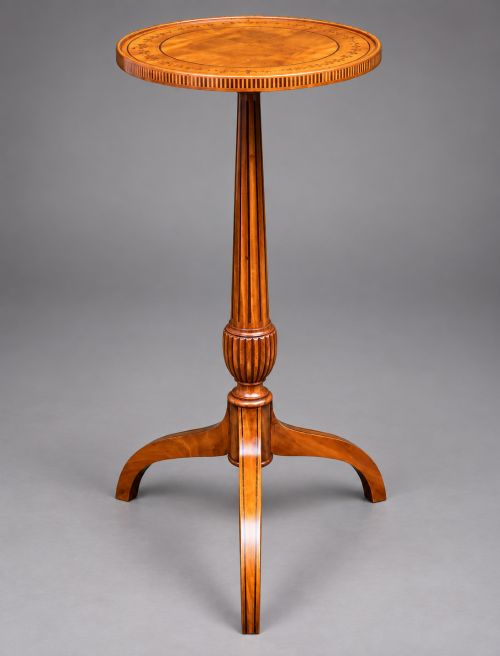
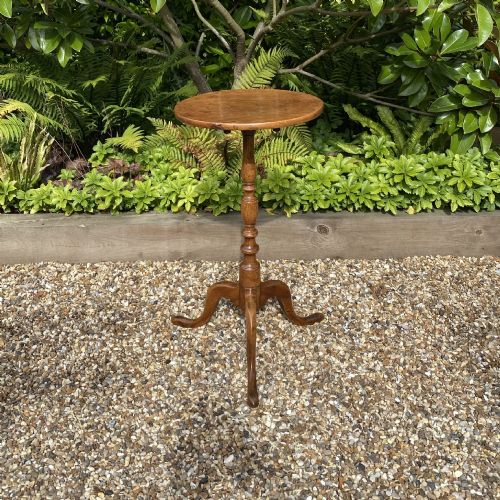
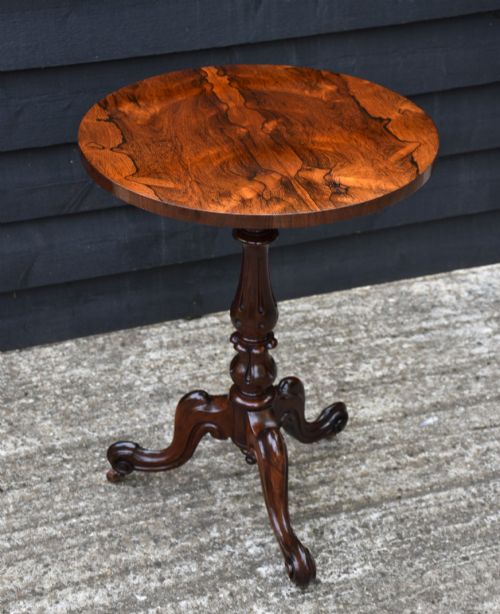
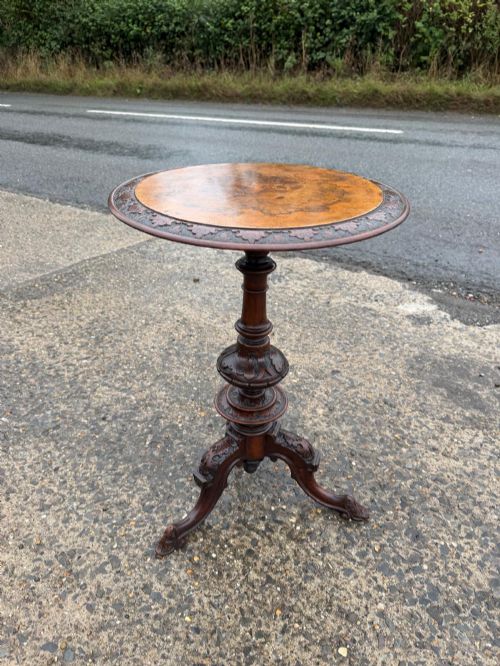
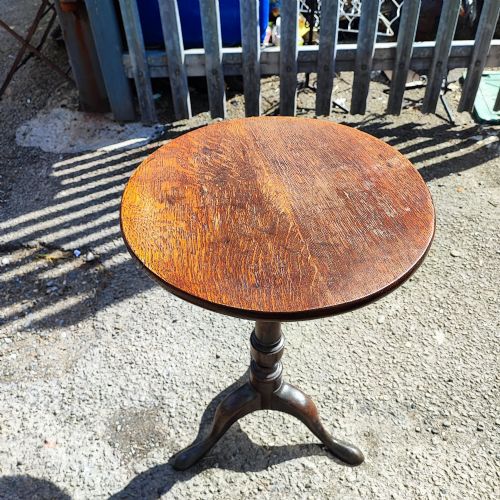
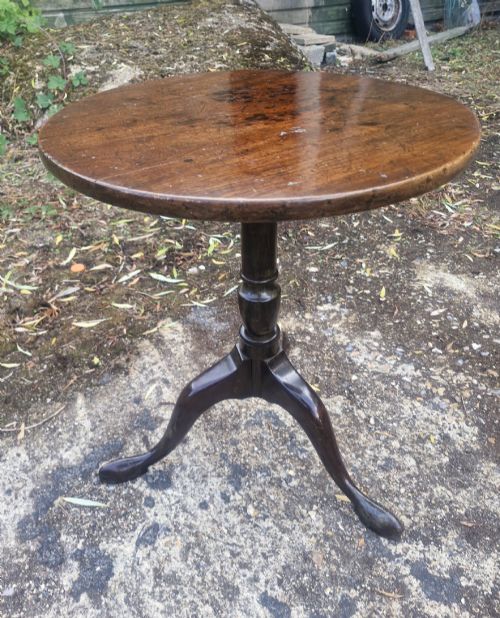
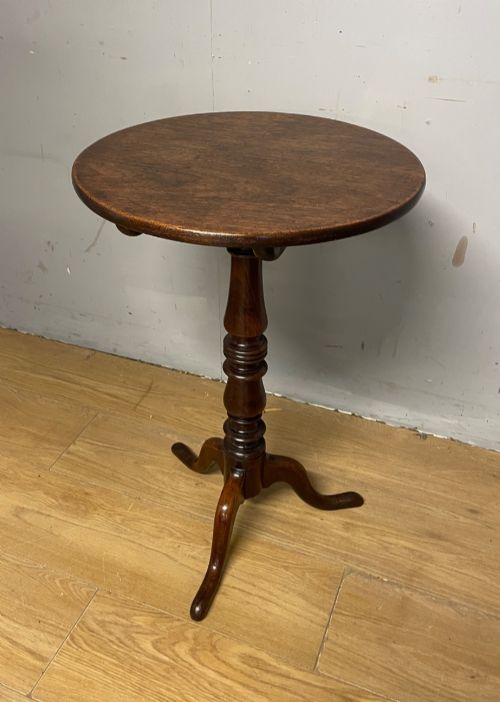
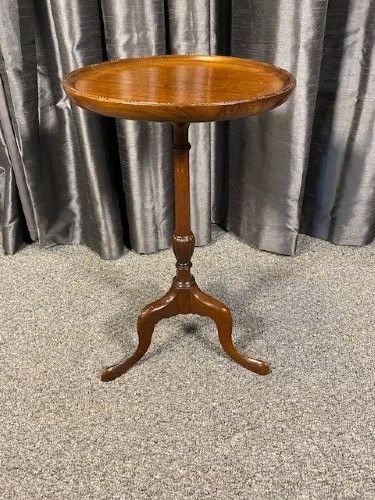
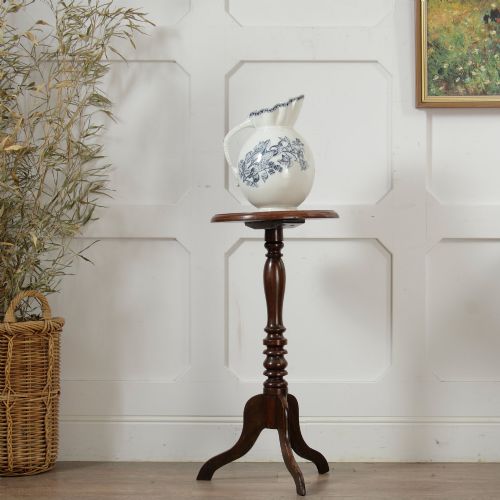
An antique round candle stand brings compact utility and traditional timber grain to a corner, serving equally well as a wine table or lamp table.
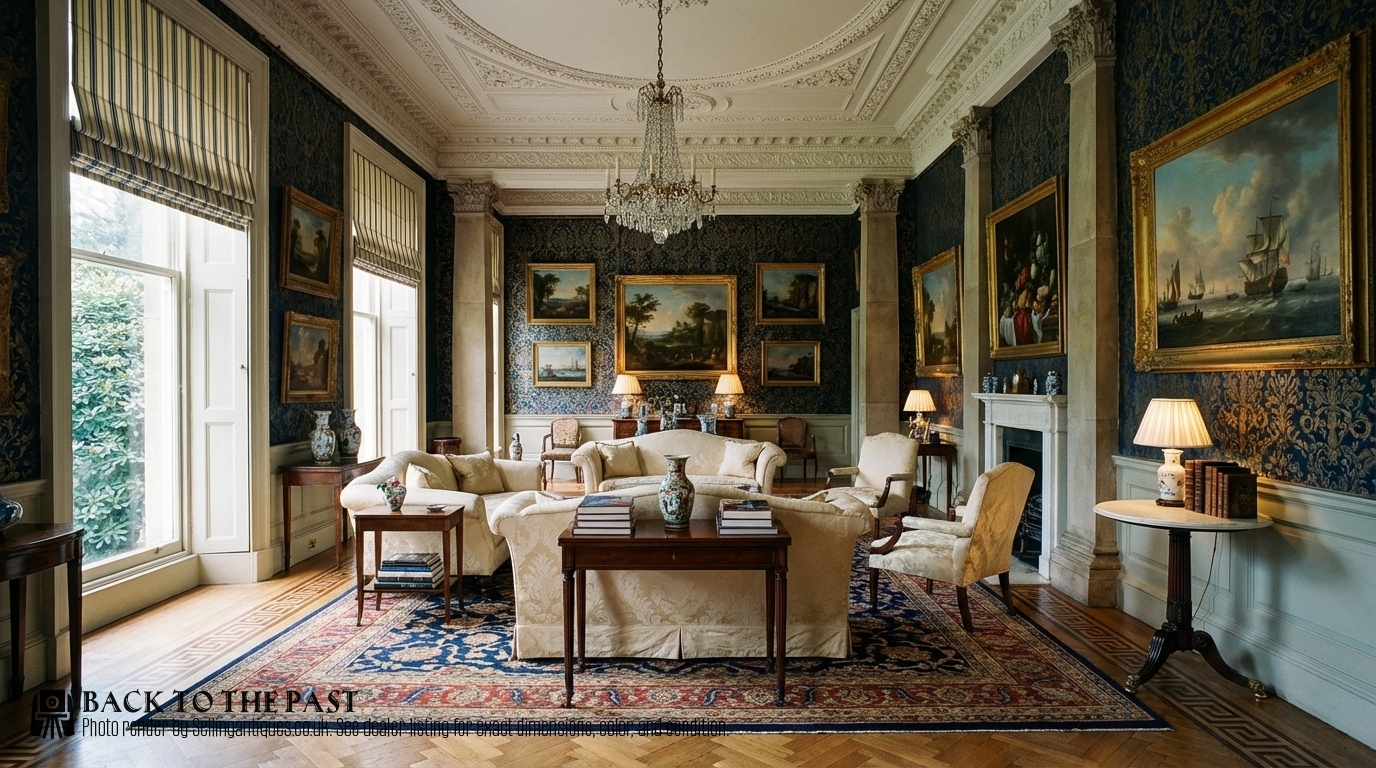
Antique Round Candle Stand
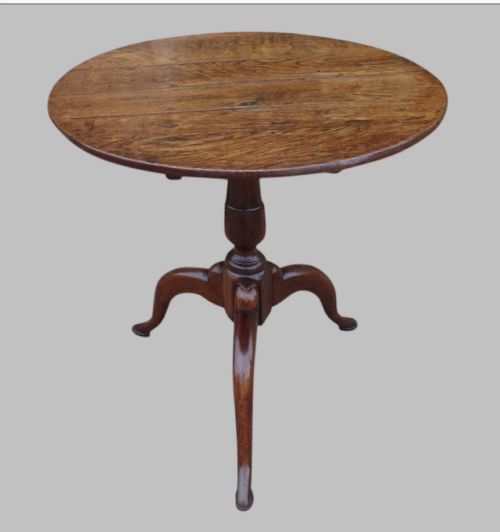
When searching for an antique round candle stand, buyers encounter small timber tables designed for specific domestic tasks rather than large dining or centre placements. These pieces frequently appear in forms such as wine tables, lamp tables and occasional tables, supported by a central pillar and three legs.
The selections available span several major periods, most notably Georgian, Regency and Victorian eras, alongside later revival pieces. Timber choices dominate the construction, ranging from country oak and walnut to polished mahogany and figured rosewood.
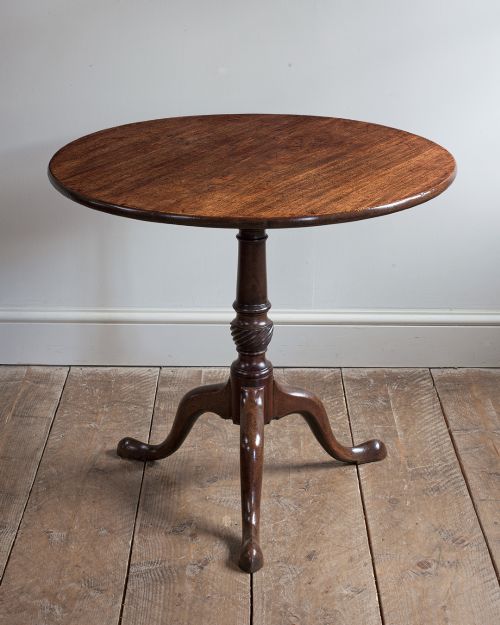
Functionally, these items served to hold candles, small lamps or glasses near seating areas. Many examples feature tilt-top mechanisms or birdcage movements, allowing the surface to fold away flat when not in active use.
Materials and construction methods
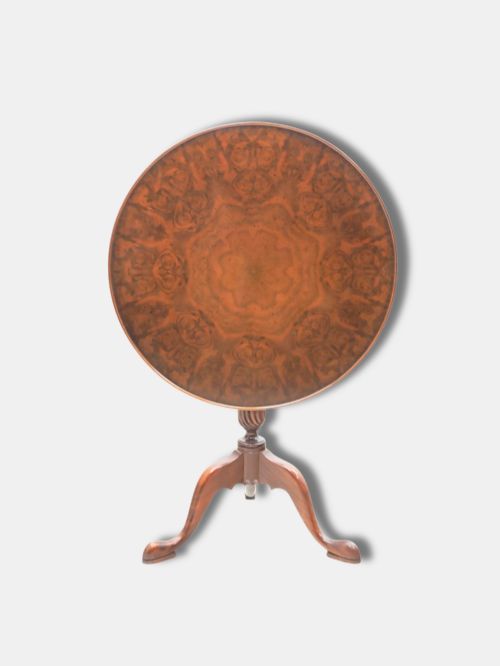
Cabinet makers utilised dense hardwoods such as mahogany, walnut, oak and rosewood, often selecting burr veneers for the circular tops to highlight natural grain patterns. Beech and other secondary timbers frequently appear in the internal framing and structural elements.
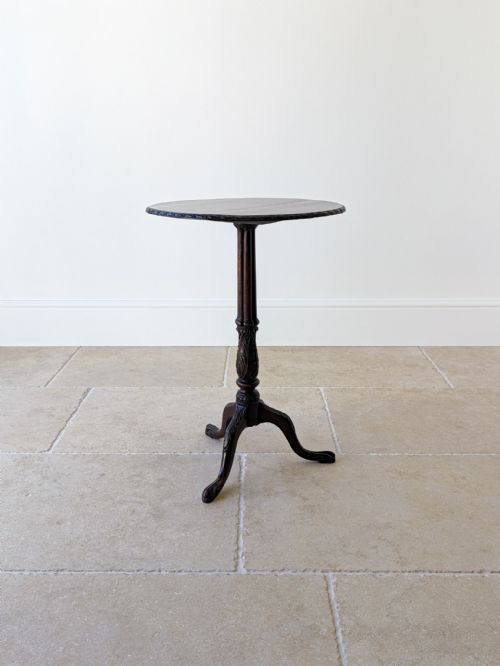
Turning and joinery define the construction, with central pedestals lathe-turned into plain columns, reeded shafts or barley twist profiles. Tripod legs join the central shaft using robust dovetail or tenon joints, providing stability for the raised circular top.
Surface treatments rely on traditional polishing techniques, while selected continental examples feature painted finishes over the wooden structure. Tilt-top variants incorporate clever brass or wooden catches that lock the surface into position.
Several tilt-top tables retain their original brass catches, ready to fold flat just as they did when clearing the parlour floor for evening dancing.
Distinctions in quality and execution
Quality rests upon the selection of timber figures and the crispness of the turning on the central pedestal. Finer examples display well-figured mahogany or burr wood tops with substantial thickness, avoiding thin laminates or poorly matched veneers.
The mechanical joints of tilt-top mechanisms and birdcage supports reveal the standard of workshop execution. Smooth rotation, tight hinge pins and stable leg alignment separate superior cabinet work from utilitarian regional output.
The Antique Round Candle Stand Glossary
- Tripod table
- A small freestanding table supported by a central pillar resting on three legs. This configuration prevents wobbling on uneven historical flooring.
- Tilt top
- A hinged table surface that rotates to a vertical position for storage. This mechanism allows the furniture to stand flat against a wall when not in use.
- Birdcage
- A revolving wooden framework beneath the table top that permits both tilting and rotation. It represents a sophisticated mechanism found on finer Georgian examples.
- Barley twist
- A spiral turning carved into the central pedestal of the table. This decorative form gained particular popularity during the Victorian period.
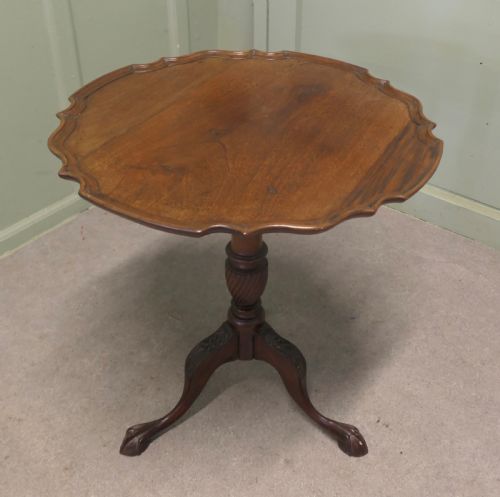
- Pie crust
- A raised, scalloped edge carved from the solid timber rim of the table top. It prevents items from sliding off the circular surface.
Antique Round Candle Stand: Frequently Asked Questions
What is an antique round candle stand used for today?
These compact tables function effectively as side surfaces for holding drinks, small lamps or books beside armchairs and sofas. Their modest footprint makes them ideal for filling awkward corners or narrow spaces in modern rooms.
Historically designed to elevate a single light source, they adapt easily to contemporary interior lighting schemes without dominating the floor plan.
How do I identify a Georgian candle stand?
Georgian pieces generally exhibit restrained classical proportions, featuring smooth mahogany or oak timbers and understated pillar turnings. Details such as pad feet or slender cabriole legs often point toward earlier eighteenth-century production.
Later Victorian interpretations tend to introduce heavier ornamentation, including barley twist shafts and more heavily figured burr veneers.
What does tilt-top mean on these tables?
A tilt-top incorporates a pivoting mechanism beneath the circular surface, allowing the entire top to fold flat against the central pedestal. This practical design enabled households to clear floor space quickly when the tables were not required.
Original catches and pivots remain key indicators of period authenticity and functional preservation.
Are these tables sturdy enough for daily use?
Solid hardwood construction and balanced tripod bases provide reliable stability for everyday placement of lamps and decorative objects. Care should be taken with tilt-top mechanisms during relocation to protect the hinge blocks from unnecessary strain.
Regular polishing helps maintain the protective timber finish against moisture and general wear.