

Edwardian Mahogany Pedestal Table
An edwardian mahogany pedestal table brings refined timber surfaces and sturdy central support to sitting rooms and dining spaces alike.
Edwardian Mahogany Pedestal Table
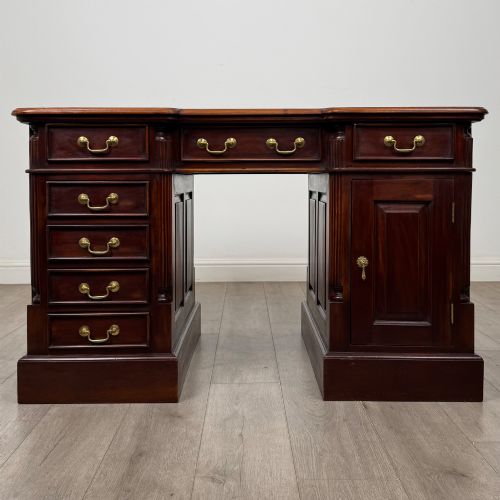
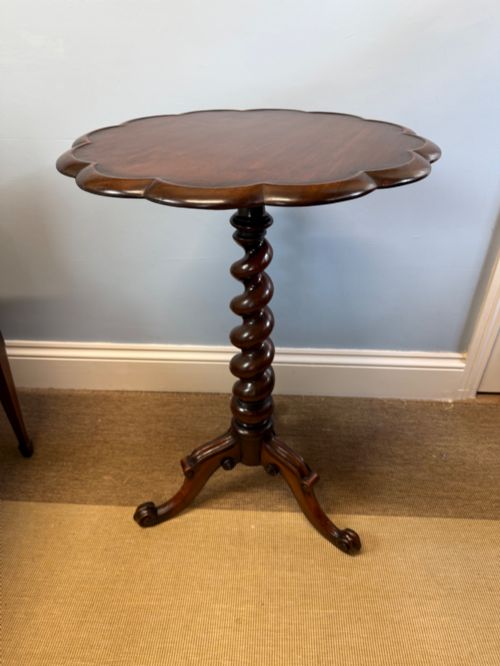
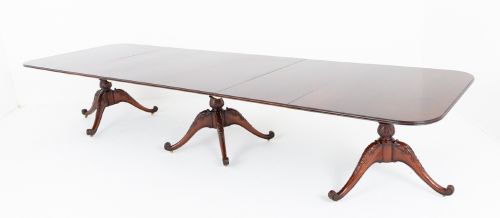
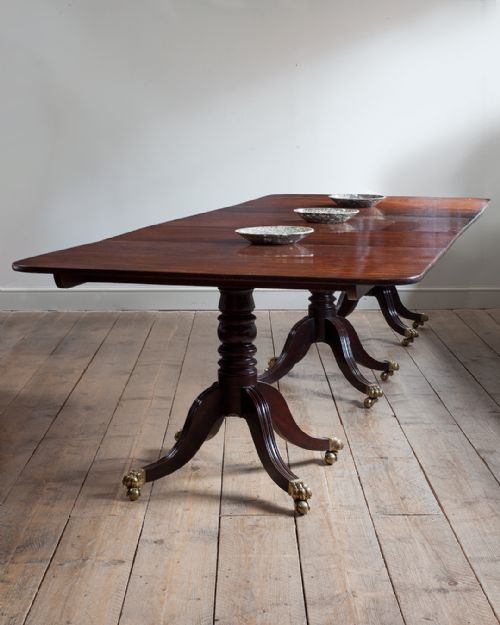
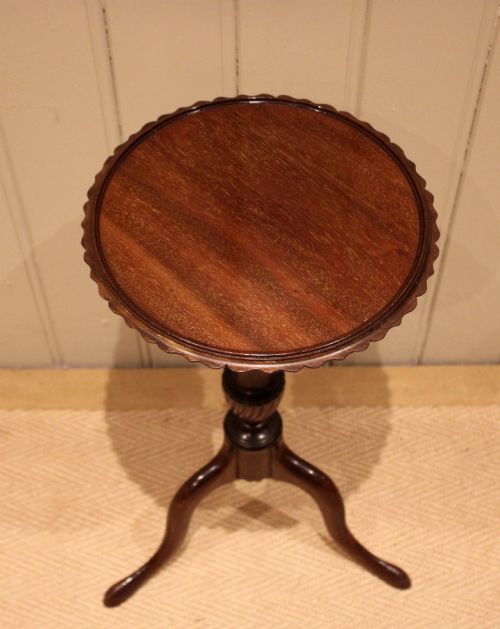
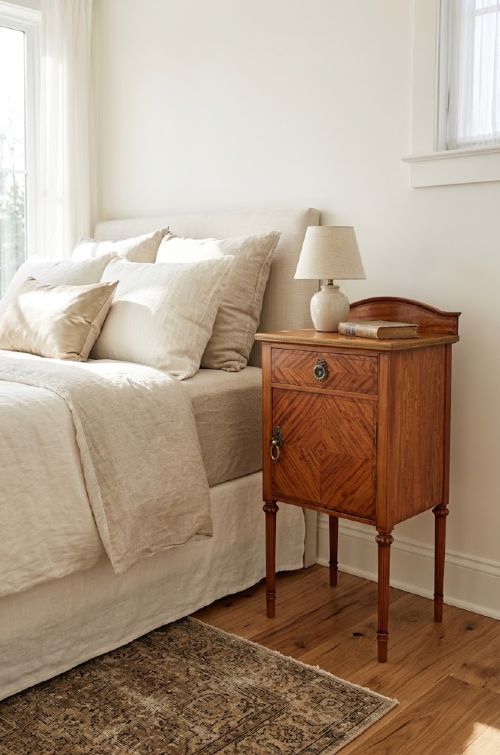
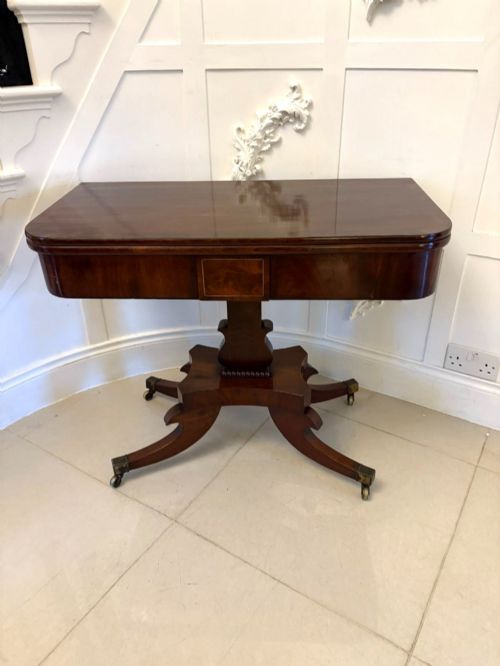
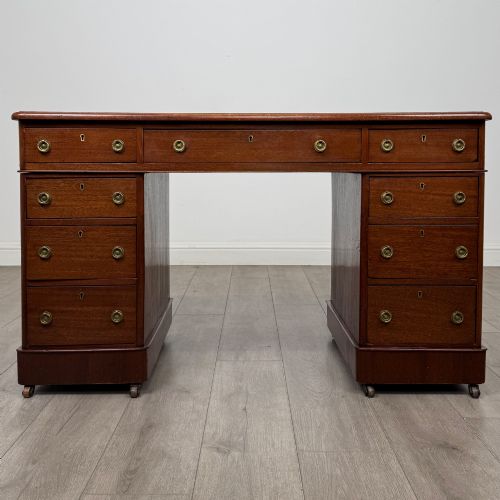
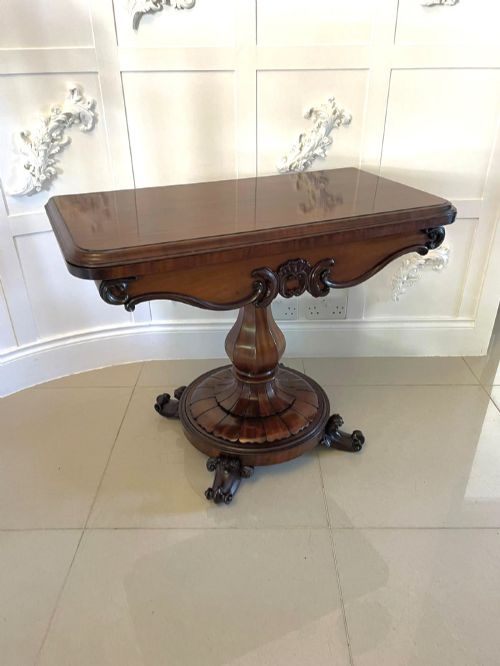
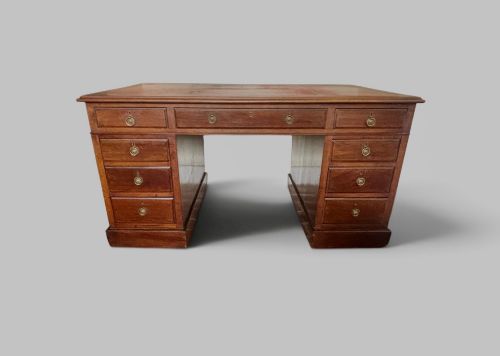
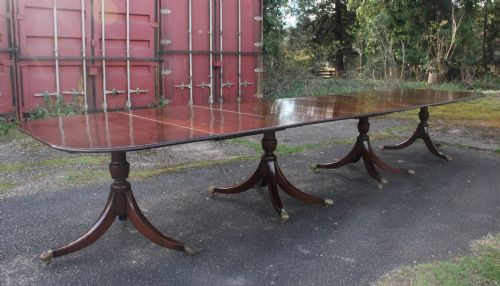
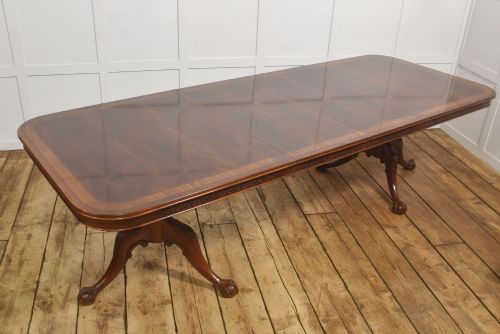
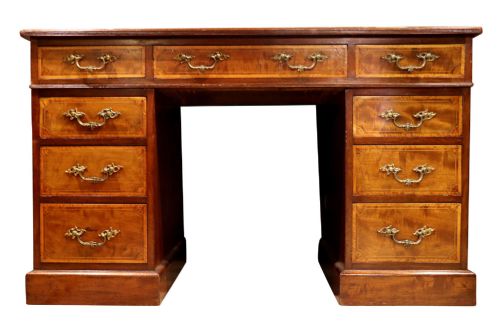
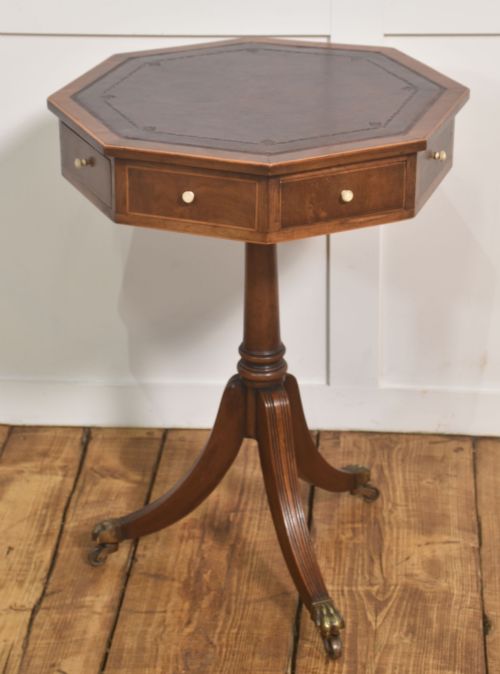
Buyers will encounter dining tables with multiple pillars, compact wine tables on tripod bases, and substantial pedestal desks intended for libraries and studies. Alongside these stand occasional tables, card tables, and bedside cabinets fashioned in styles ranging from straightforward Edwardian utility to elaborate Regency and Chippendale revivals.
Makers and workshops of the period utilised mahogany as the primary timber, often enhancing the grain with flame mahogany veneers or subtle boxwood inlay. These tables served practical domestic needs, functioning as surfaces for evening illumination, correspondence, or formal meals.
Materials and Construction
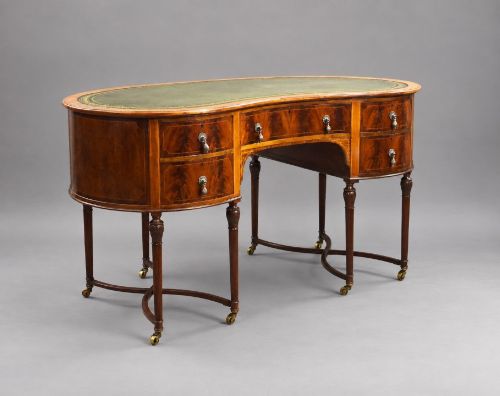
Joiners relied heavily on solid mahogany and figured veneers, selecting timber for its rich grain patterns and deep colour. Brass mounts, original handles, and leather insert panels frequently appeared on desks and writing tables of this vintage.
Pedestal construction required robust central pillars supported by splayed legs, often terminating in castors or paw feet to distribute weight evenly. Inlaid decoration utilised contrasting woods such as satinwood and boxwood, set flush into the primary mahogany surface.
Card tables fold away quietly until guests arrive for an evening of whist.
Assessing Quality
The finest examples display superior timber selection, evident in symmetrical flame mahogany veneers and crisp, hand-cut inlay rather than printed decoration. Drawer linings of solid secondary woods and the retention of original brass hardware indicate high standards of workshop production.
Structural integrity in the central pillar and leg junction separates standard furniture from exceptional pieces. Tables that maintain a firm stance without wobble, alongside well-fitted extending mechanisms and smooth-running desk drawers, represent the upper tier of surviving stock.
Trollope & sons·Edwards & Roberts·Druce & Co London
The Edwardian Mahogany Pedestal Table Glossary
- Flame mahogany
- A veneer cut from the fork of the mahogany tree, producing a distinctive fire-like pattern across the timber surface. Cabinet makers reserved this striking grain for primary display areas on tabletops and desk fronts.
- Pedestal table
- A freestanding table supported by one or more central columns rather than four corner legs. This configuration allowed greater legroom for diners and sitters.
- Satinwood
- A pale, lustrous timber native to India and Ceylon, frequently employed for contrasting stringing and marquetry panels on dark mahogany furniture. It provided a bright visual accent against the deeper background wood.
- Tripod table
- A small occasional or wine table supported by a single central pillar resting on three spreading feet. These versatile pieces gained popularity for their portability and compact footprint.
- Tilt top
- A table mechanism allowing the top to hinge vertically when not in use, enabling the piece to stand flat against a wall. This space-saving design was common in nineteenth-century occasional and dining tables.
Edwardian Mahogany Pedestal Table: Frequently Asked Questions
How do I identify an Edwardian pedestal table?
Edwardian tables generally date from the period between nineteen hundred and nineteen ten, often exhibiting lighter proportions than their Victorian predecessors. Look for restrained classical revival details and subtle string inlay.
Makers of this era frequently combined mahogany with satinwood or employed flame veneers on occasional and writing tables while retaining traditional joinery methods.
What is a pedestal dining table?
A pedestal dining table relies on one, two, or three central pillars to support a long or circular top instead of standard corner legs. This design provides unobstructed seating all around the perimeter.
Versions from the nineteenth and early twentieth centuries often feature extending mechanisms supported by additional pillars when fully opened.
How should I care for a mahogany table?
Maintain mahogany surfaces by dusting with a dry, soft cloth and avoiding direct sunlight to prevent the timber from fading. Natural wax applied sparingly helps nourish the grain and protect the finish.
Keep wooden tables away from direct heat sources and radiators to prevent the timber from drying out and the joints from loosening over time.
Are these tables suitable for daily use?
Solid mahogany construction and sturdy pedestal bases make these tables robust enough for everyday domestic tasks. Occasional tables and desks handle writing and display duties comfortably.
Dining tables with extending mechanisms offer practical flexibility for modern households needing variable seating arrangements for meals.