







Edwardian Mahogany Corner Furniture
Edwardian mahogany corner furniture brings practical elegance to overlooked angles with rich timber and classical detail.
Edwardian Mahogany Corner Furniture
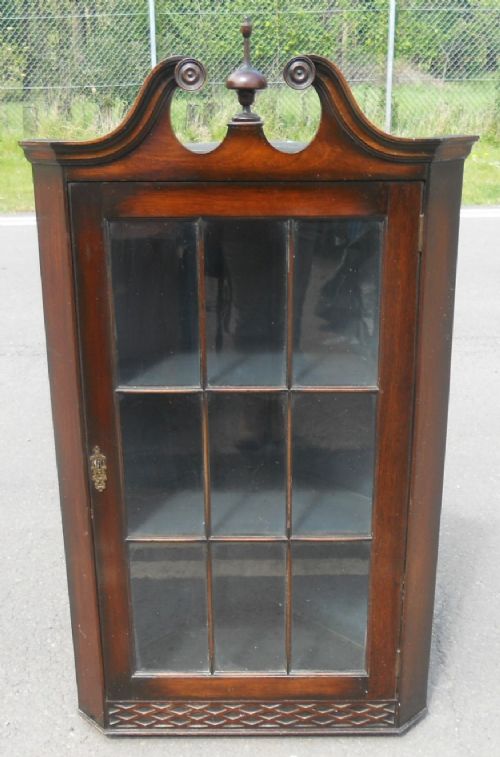
Edwardian mahogany corner furniture covers a practical range of cabinets, display cases, and shelving designed to fit domestic angles. When searching for edwardian mahogany corner furniture, buyers most frequently encounter standing and wall-hanging display cabinets featuring glazed doors and delicate proportions.
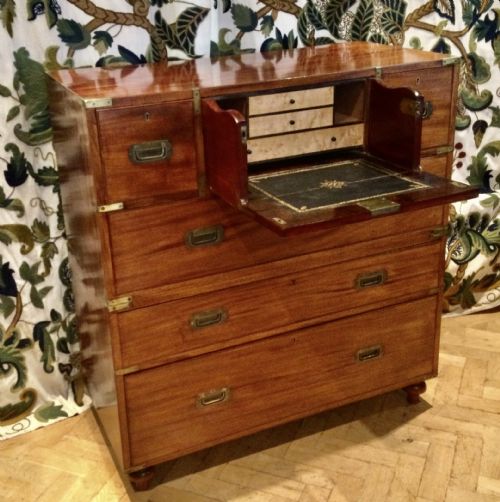
The selection extends from late Victorian examples through to early twentieth-century pieces, incorporating campaign desks and compact wardrobes alongside traditional cupboards. These items utilise rich timber grains to draw the eye toward architectural corners that might otherwise remain empty.
Materials and Construction
Cabinet makers relied on solid mahogany and carefully selected veneers to build sturdy frames that utilised restricted floor space. The structural timber often received contrasting decorative touches through satinwood and fruitwood inlay.
Glazing bars framed curved or flat glass panels on display pieces, while brass hardware served both functional and decorative purposes on campaign items. Internal shelves and backing boards relied on secondary timbers shaped to fit exact 90-degree room angles.
Edwardian Mahogany Corner Furniture Retail Price Guide 2026
Typical asking prices for edwardian mahogany corner furniture among the pieces listed under this phrase on Sellingantiques today, from the lower quarter to the upper quarter. They describe what is for sale here now, not the wider market.
Some Edwardian corner pieces included clever folding mechanisms designed specifically to tuck away damp clothes before guests arrived.
Factors Defining Quality
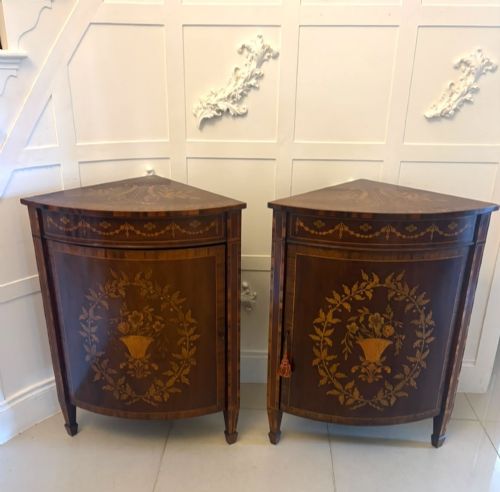
The standard of execution in marquetry inlay and stringing separates standard utility pieces from finer commissions. Sharpness in the floral or classical motifs reveals the skill of the artisan who shaped the contrasting wood veneers.
Hardware selection and internal timber choice indicate the original workshop tier. Solid brass handles, well-fitted lock mechanisms, and clean secondary woods demonstrate superior construction standards throughout the piece.
Goodhall, Lamb and Heighway·Edwards And Roberts
The Edwardian Mahogany Corner Furniture Glossary
- Marquetry
- Decorative veneer work formed by fitting together small pieces of various woods to create pictorial or geometric patterns. This technique appears frequently on door panels.
- Sheraton Revival
- A late nineteenth and early twentieth-century design movement inspired by the lightness and classical motifs of eighteenth-century furniture. Pieces often feature satinwood inlay and tapered legs.
- Campaign
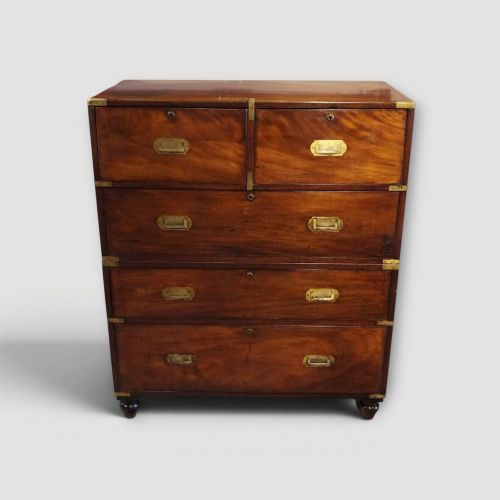
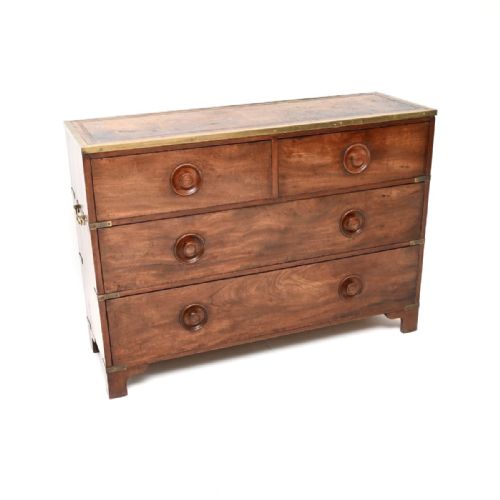
- Portable furniture built in modular sections with recessed brass handles and corner brackets for military transport. These sturdy pieces were designed for easy dismantling.
- Whatnot
- An open set of standing shelves used for displaying decorative objects and books. Multiple tiers are supported by slender upright posts.
- Compactum
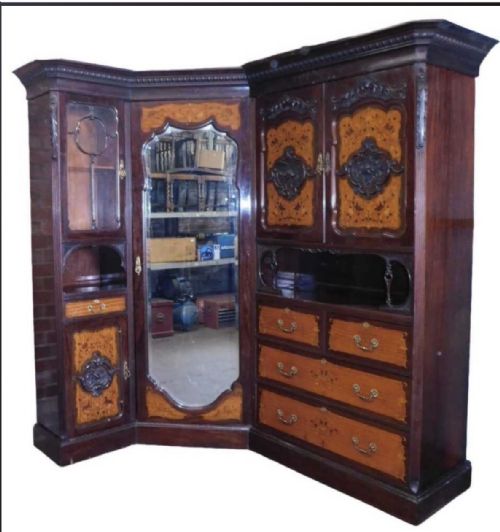
- A multi-functional wardrobe designed to maximise storage efficiency within a limited footprint. These tall units combine hanging space with drawers and shelving.
Edwardian Mahogany Corner Furniture: Frequently Asked Questions
How do I hang a wall cabinet safely?
Wall-hanging corner cabinets require secure fixings into solid masonry or direct wall studs to support the weight of the timber and glass doors.
Check the internal backboards and hanging brackets before installation to ensure the structural joints remain entirely sound.
What rooms suit corner furniture best?
These pieces fit naturally into living rooms, hallways, and dining spaces where floor space is limited but display storage is needed.
The angled design allows awkward junctions between walls to become functional display areas.
How do I distinguish Edwardian from Victorian pieces?
Edwardian items tend to show lighter proportions and brighter mahogany finishes, often influenced by the Sheraton revival style.
Victorian examples frequently display heavier timber sections, darker polish, and more robust neoclassical detailing.
How should I clean mahogany surfaces?
Dust the timber regularly with a soft, dry cloth to prevent a buildup of particles on polished surfaces.
Avoid modern aerosol polishes that contain silicone, opting instead for traditional beeswax applied sparingly.