



Dark Wood Corner Desk
A dark wood corner desk or corner seating piece organises a tight space with rich grain and traditional proportions.
Dark Wood Corner Desk
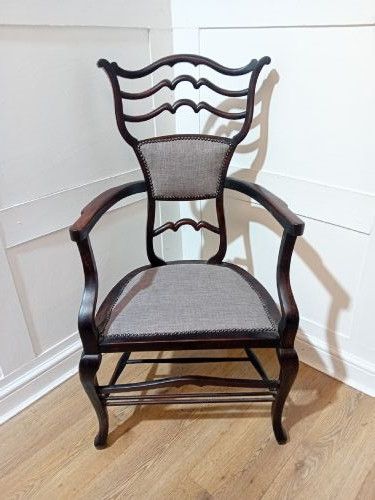
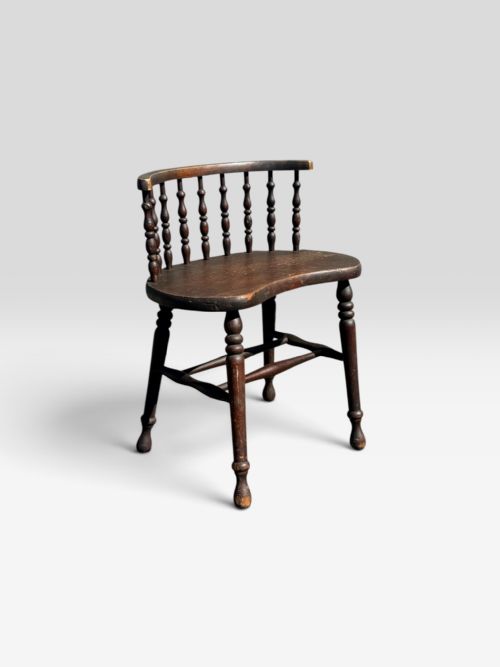
When you search for a dark wood corner desk or related seating, you find items spanning the Georgian, Victorian, and Edwardian periods. These pieces utilise sturdy timbers like mahogany, elm, and hardwood, designed to fit snugly into room angles.
How they were made
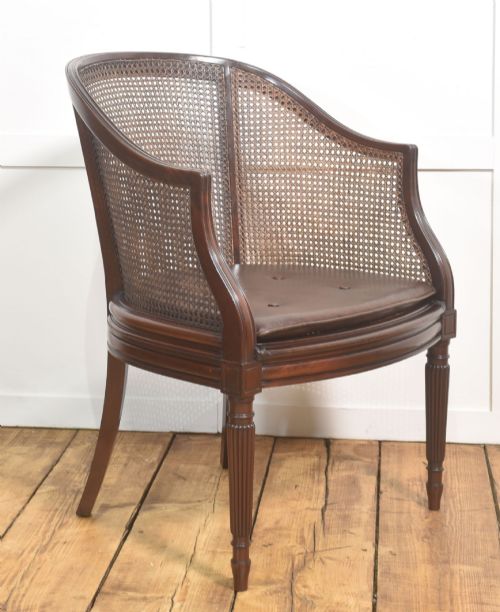
Cabinet makers utilised dense hardwoods such as mahogany and elm, often shaping the timber with curved backs and deep joinery. Surfaces display rich grain patterns, sometimes accented with marquetry inlay or supported by brass hardware.
Seating variants incorporate woven cane, leather, fabric, and tapestry upholstery. These materials demonstrate traditional construction methods designed to withstand everyday use while maintaining refined period aesthetics.
Dark Wood Corner Desk Retail Price Guide 2026
Typical asking prices for dark wood corner desk among the pieces listed under this phrase on Sellingantiques today, from the lower quarter to the upper quarter. They describe what is for sale here now, not the wider market.
The listings span the eighteenth, nineteenth, and early twentieth centuries, featuring materials such as mahogany, elm, leather, and brass.
What varies in quality
Quality rests in the precision of the timber selection and the complexity of the design. Simpler country elm chairs contrast with sophisticated Sheraton Revival or Chippendale period pieces featuring detailed carving and marquetry.
The integrity of the original wood grain and the finesse of the joinery determine the standing of each piece. Finer examples show careful attention to proportion and finish, whereas utilitarian items remain simpler in execution.
The Dark Wood Corner Desk Glossary
- Marquetry
- Inlaid wood pieces forming decorative patterns on a surface. It adds visual complexity to mahogany furniture.
- Chippendale
- A mid-eighteenth century English furniture style known for ornate carving. Pieces from this tradition display accomplished craftsmanship.
- Sheraton Revival
- A late nineteenth to early twentieth century style reviving neoclassical motifs. It often employs light inlays on dark hardwood.
- Elm
- A tough, durable native wood used frequently in country furniture. Its distinct grain resists splitting under pressure.
- Corner Chair
- A chair designed with a diagonal orientation to fit room angles. These items typically feature horseshoe-shaped back rails.
Dark Wood Corner Desk: Frequently Asked Questions
Where should I place a corner piece?
These items fit naturally into unused room angles, turning awkward junctions into functional focal points.
Their footprint makes them practical for compact studies, hallways, and living rooms.
How do I identify a Georgian piece?
Georgian items rely on robust construction, classic mahogany or elm timbers, and restrained period proportions.
Look for traditional joinery techniques and historical stylistic markers typical of the eighteenth century.
Are these items suitable for daily use?
The sturdy hardwoods and traditional joinery make these pieces resilient for regular seating or display.
Routine care keeps the polished wood surfaces and original upholstery in sound condition.
What distinguishes Edwardian furniture?
Edwardian examples often mix revival styles, such as Sheraton influences or marquetry inlay, with lighter framing.
They combine historical decorative motifs with practical forms suited to early twentieth century homes.