



Edwardian Luggage Trunk
These pieces are original travel cases and stands designed for journeys by rail, ship and road.
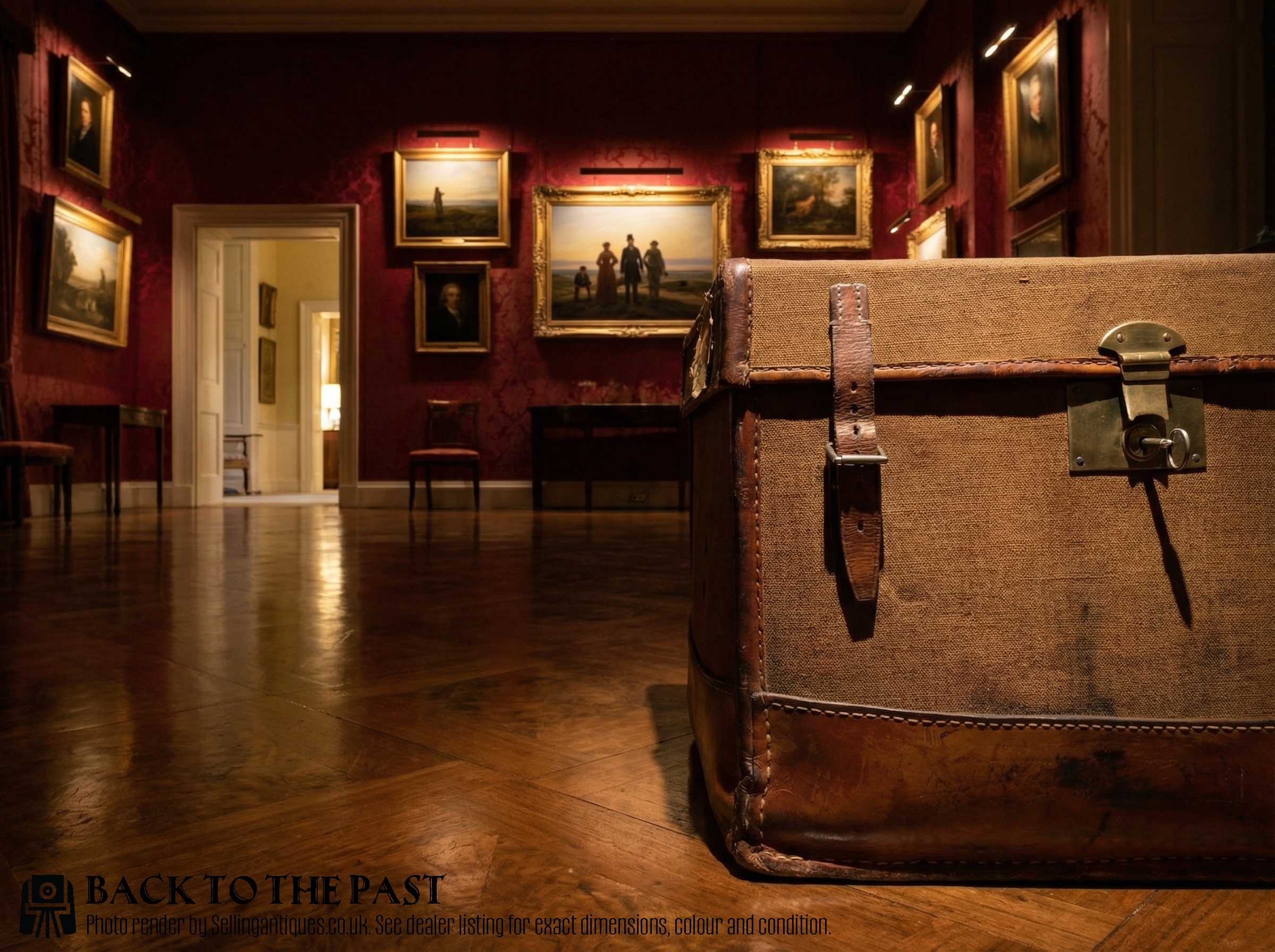
Edwardian Luggage Trunk
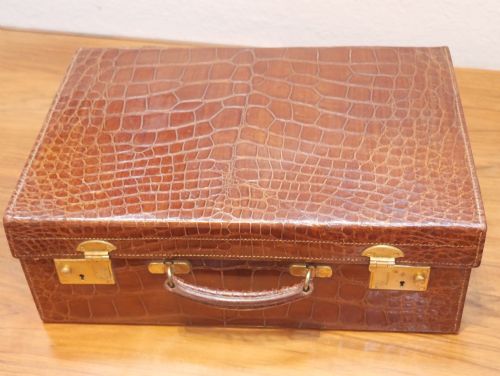
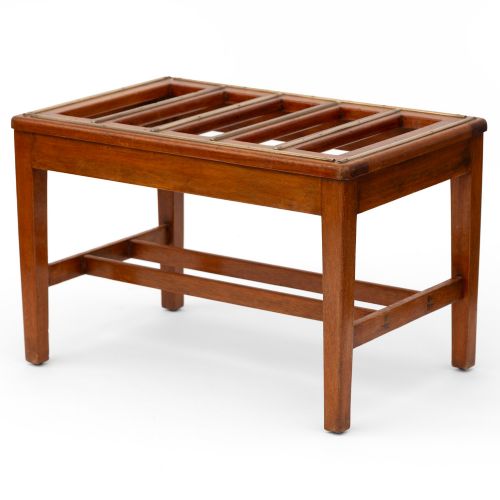
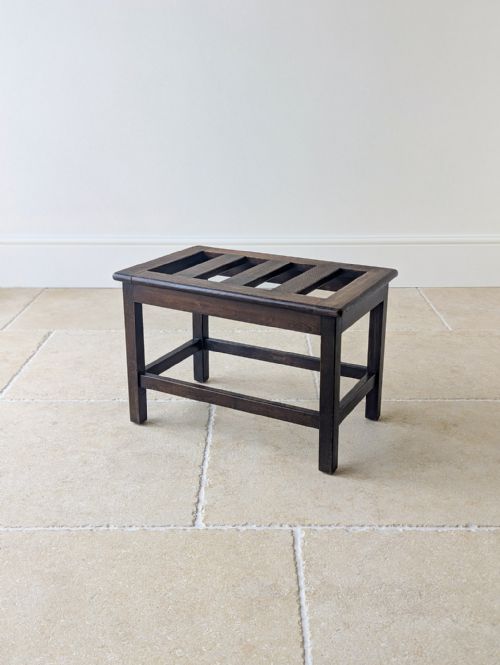
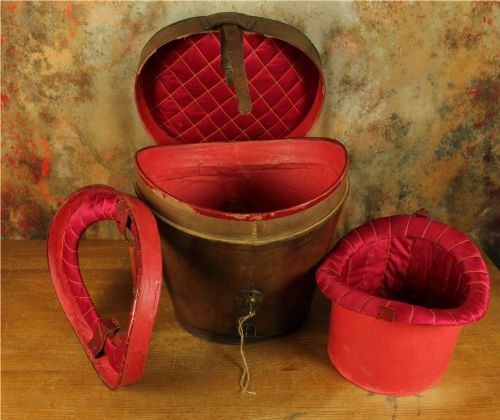
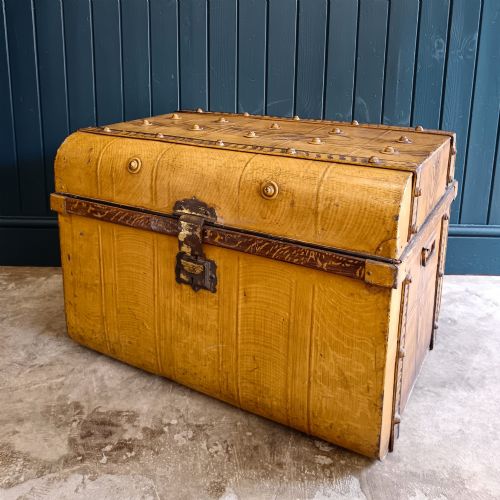
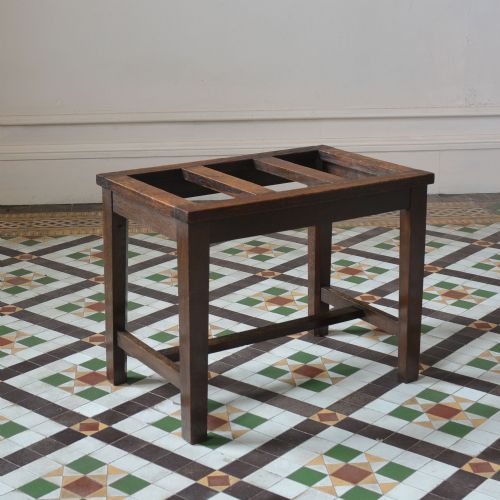
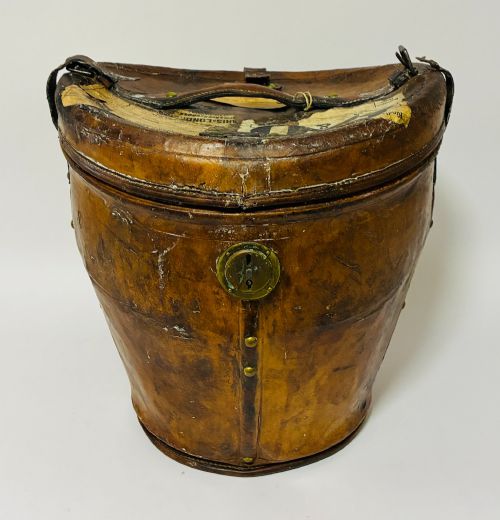
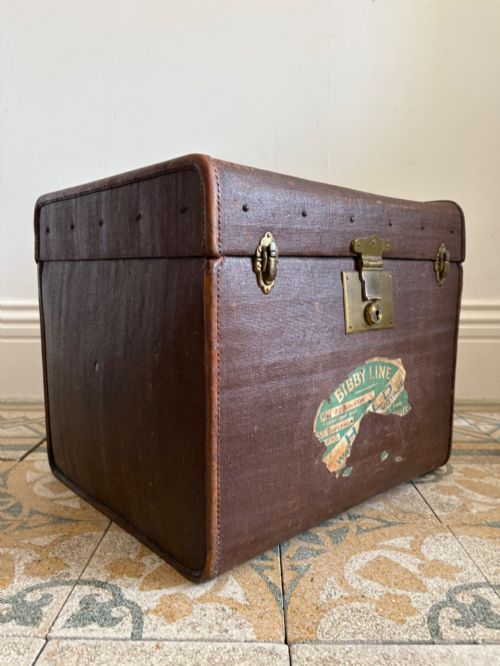
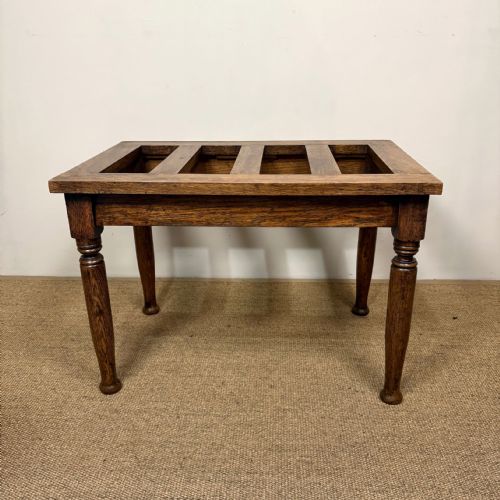
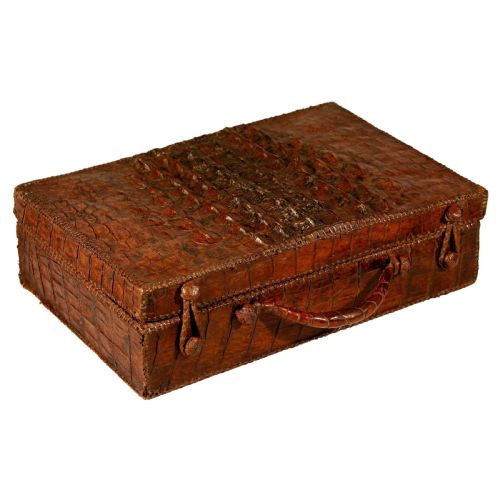
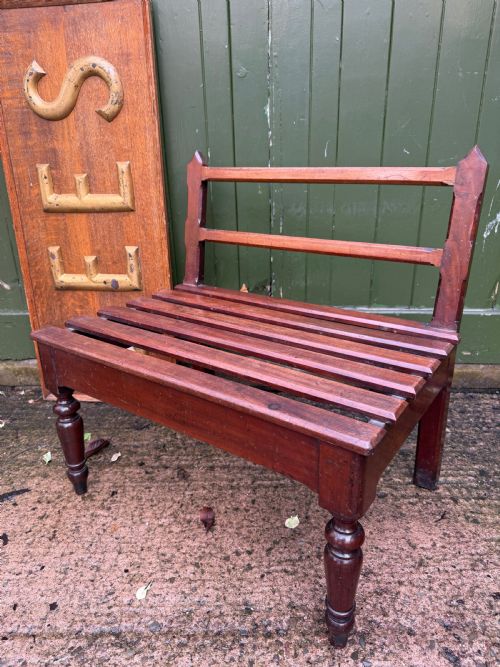
When searching for an edwardian luggage trunk, buyers encounter substantial travel chests, hat boxes, folding luggage stands and fitted cases originating from the late nineteenth and early twentieth centuries. The selection includes stout canvas and leather steamer trunks alongside oak and mahogany folding luggage racks designed for country house guest rooms and hotels.
Many examples span the Victorian period through to the 1920s, reflecting a distinct era of transit when heavy luggage accompanied travellers on extended voyages. Forms range from low profile metal shipping chests and tall hat storage boxes to compact picnic and vanity cases bearing original travel labels and makers' stamps.
How they were made
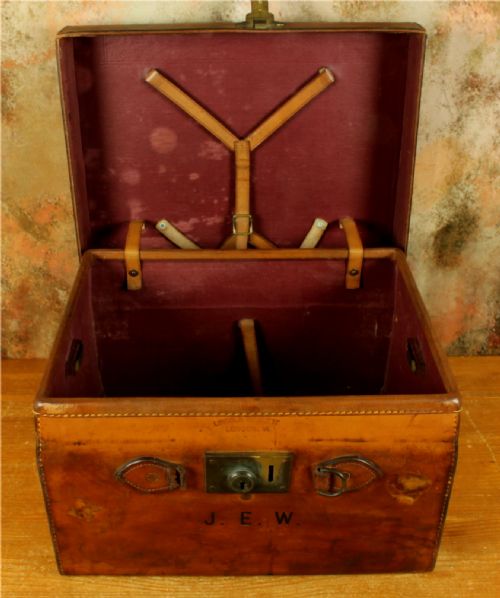
Makers constructed these sturdy pieces using a combination of timber frames, heavy cowhide leather, coated canvas and sheet metal, reinforced with brass hardware, iron corners and wooden slats. Interior compartments frequently incorporated fitted trays, velvet linings, leather straps and zinc or vellum layers designed to withstand the rigours of maritime and rail transit.
Joinery on the stands and chests relied on solid oak, ash, mahogany and polished hardwoods, often shaped with raised rear upstands or folding cross-frames for domestic service. Exterior surfaces received protective finishes of paint, polished lacquer or stitched leather secured with brass tacks.
Several trunks retain old travel labels and monogrammed initials, preserving the anonymous stories of Edwardian passengers crossing continents by rail and ship.
What varies in quality
Quality rests upon the integrity of the original construction, the robustness of the internal fittings and the retention of maker signatures or travel history. Superior examples display substantial framing, working brass locks with original keys, and untactical patina on the leather and canvas surfaces.
The degree of preservation in interior trays, silk or leather linings, and original travel labels separates standard utility chests from exceptional pieces originating from prominent makers and high-end department stores.
Allen of London·Lincoln Bennett·John Pound·Harrods·Waring & Gillow·C. Antrobus·Finnegans of Bond Street·Louis Vuitton
The Edwardian Luggage Trunk Glossary
- Steamer trunk
- A lower-profile travel chest designed to fit beneath a passenger ship's cabin berth. These cases often featured flat or slightly rounded tops and robust exterior slats.
- Luggage stand
- A folding wooden rack with supporting webbing or straps, placed in guest bedrooms to hold a suitcase at a convenient height. They frequently appeared in hotels and country houses.
- Vellum
- Fine calfskin stretched and treated for use as a durable exterior covering on luxury travel cases. It provided a smooth, resilient surface distinct from standard leather.
- Portmanteau
- A large leather travelling bag or trunk that opened into two equal compartments. The term derives from French transport terminology for carrying cloaks.
Edwardian Luggage Trunk: Frequently Asked Questions
How were steamer trunks used?
Steamer trunks served as robust luggage designed to be loaded into ship holds or railway baggage cars during extended journeys. Their low profiles allowed them to slide underneath passenger cabin berths.
Inside, travellers packed clothing, hats and personal belongings secured by internal straps and compartmentalised trays to prevent shifting during transit.
How do I date an antique trunk?
Dating relies on examining the materials, hardware construction and any surviving maker labels or transit stamps. Earlier nineteenth-century examples often feature heavy timber frames with iron and brass reinforcement, while Edwardian and later pieces frequently utilise coated canvas and vulcanised fibre.
Original travel labels, railway stickers and hotel tags also help establish a timeline of use.
Can these trunks be used as coffee tables?
These sturdy chests function well as living room storage and coffee tables, offering deep interior space for blankets and books. Their flat tops and durable leather or metal exteriors provide a stable surface for everyday use.
Placing them in a modern interior adds texture and a distinct historical presence.