


Edwardian Low Coffee Table
An edwardian low coffee table brings understated proportions and period character to a room, offering practical surface space close to the floor.
Edwardian Low Coffee Table
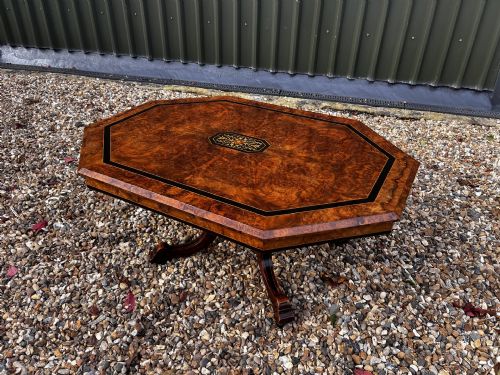
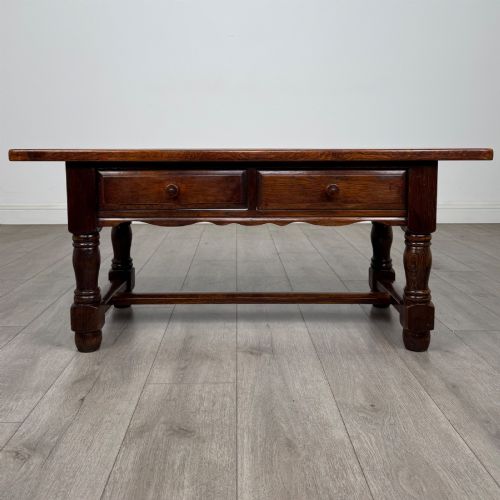
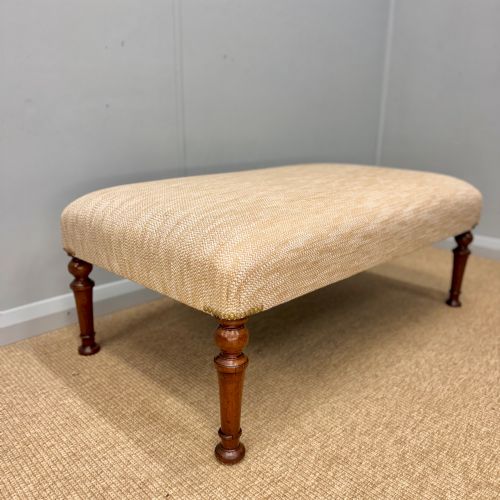
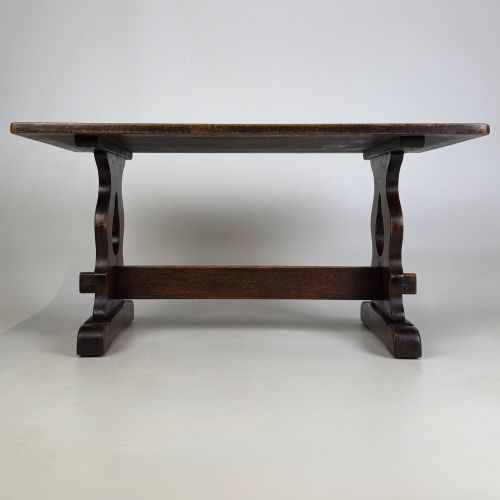
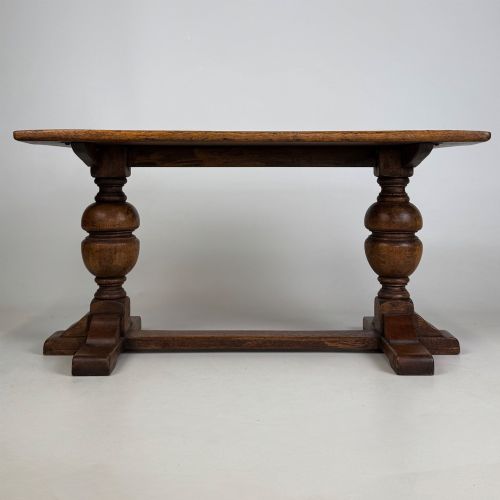
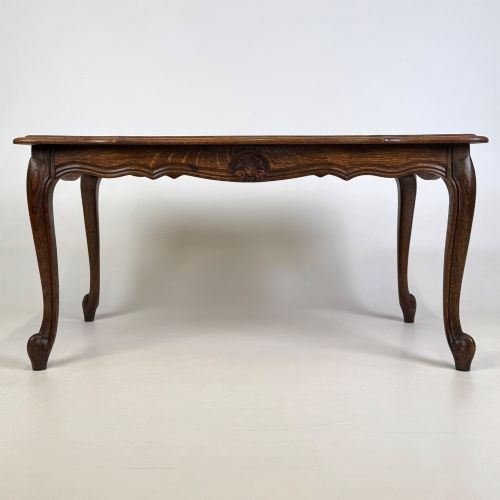
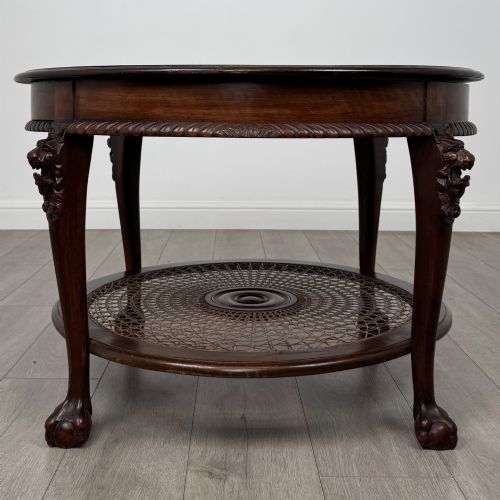
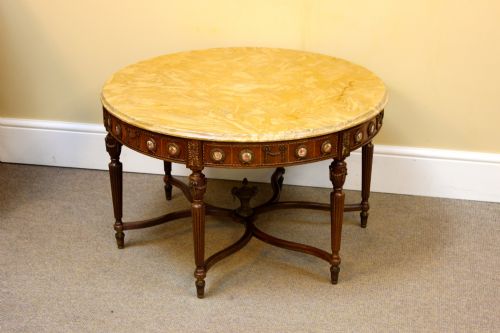
An edwardian low coffee table encompasses low-slung surfaces adapted from earlier forms, including tray tables, footstools, and occasional tables from the Edwardian era and surrounding periods. Pieces often feature oak, mahogany, or walnut construction, sometimes paired with decorative elements like carved legs or marquetry inlay.
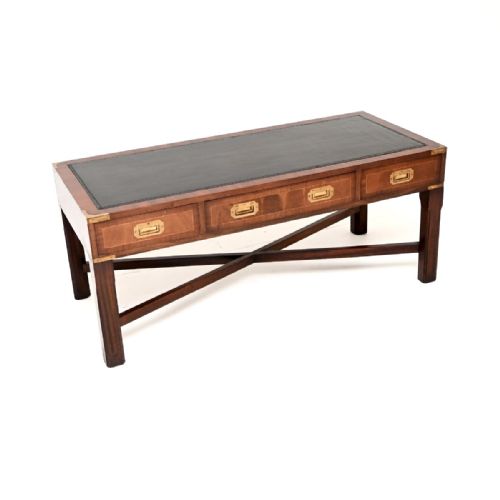
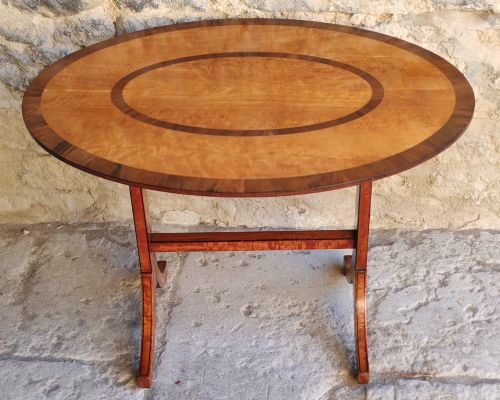
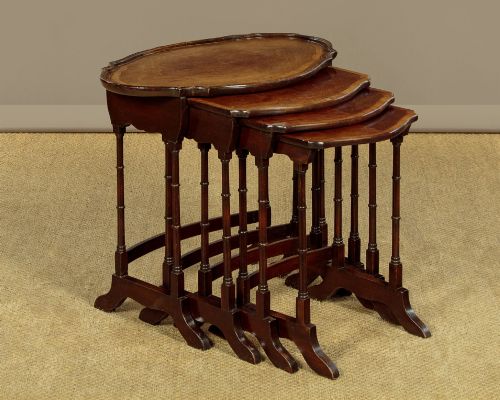
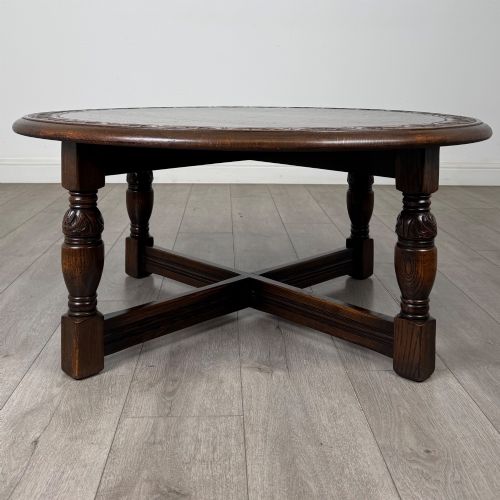
Buyers will encounter varied forms ranging from circular oak tables and rustic farmhouse styles to chinoiserie lacquer tray tables and nests of tables. The selection also includes campaign-style tables and satinwood pieces reflecting diverse revival styles.
Origins span the late nineteenth century through to the nineteen-thirties, incorporating Victorian, Edwardian, and twentieth-century interpretations. This variety allows buyers to integrate distinct period craftsmanship into modern interior settings.
How they were made
Construction relies heavily on traditional timbers such as oak, mahogany, walnut, and satinwood, frequently enhanced by burr yew wood or oyster veneers. Artisans employed detailed woodworking techniques, including marquetry inlay, carved bulbous or claw and ball legs, and hand-painted decorative scenes on japanned and lacquered surfaces.
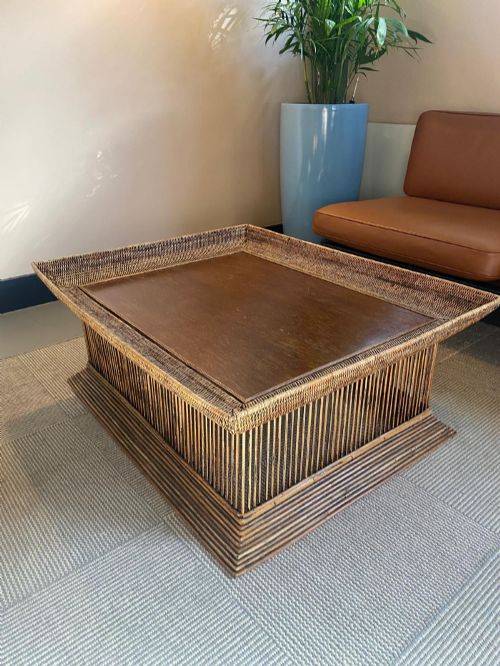
Metal fittings such as brass frames appear on specialised tier tables, while other designs incorporate leather upholstery, wicker, rattan, and marble tops. These materials demonstrate a blend of sturdy utilitarian framing and delicate decorative finishes.
Edwardian Low Coffee Table Retail Price Guide 2026
Typical asking prices for edwardian low coffee table among the pieces listed under this phrase on Sellingantiques today, from the lower quarter to the upper quarter. They describe what is for sale here now, not the wider market.
What varies in quality
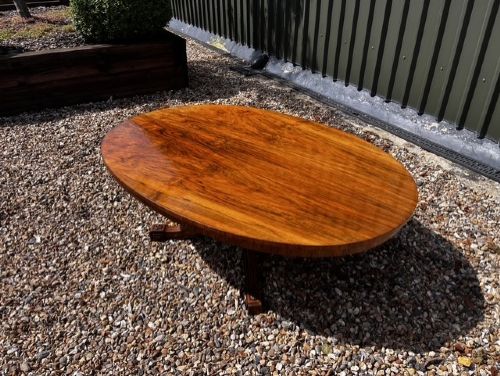
The standard of an edwardian low coffee table depends on the finesse of its timber selection, such as figured walnut or burr yew, and the precision of its marquetry or hand-painted Chinoiserie decoration. Master carpentry shows in stable joinery, finely carved legs, and the integration of specialised elements like brass framing or fitted trays.
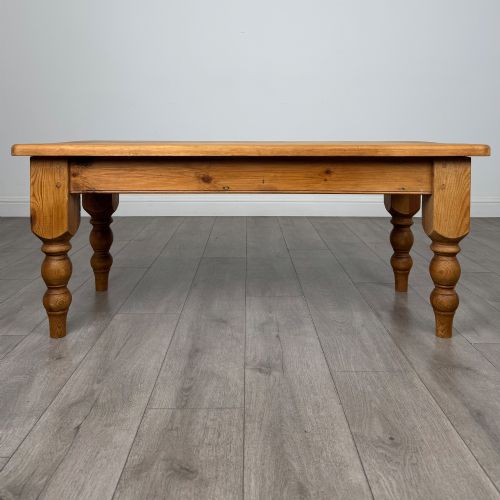
Simpler vernacular examples, such as rustic pine farmhouse tables or basic oak designs, rely on honest utility rather than elaborate ornamentation. The distinction lies between restrained functional pieces and workshops known for high-end cabinet making.
Holland and Sons Of London·Edwards and Roberts of London
The Edwardian Low Coffee Table Glossary
- Chinoiserie
- European decorative style reflecting Chinese artistic traditions, often featuring hand-painted scenes on lacquered surfaces.
- Marquetry
- The art of applying pieces of veneer to a structure to form decorative patterns and pictures.
- Oyster veneer
- Cut cross-sections of branches or small tree trunks arranged to display concentric growth rings.
- Campaign table
- Portable furniture designed for travel, typically fitted with brass corners and recessed handles.
- Pie crust table
- A small table featuring a raised, carved edge shaped in undulating curves.
Edwardian Low Coffee Table: Frequently Asked Questions
What is an edwardian low coffee table used for?
These low surfaces provide convenient placement for drinks, books, and decorative objects within a seating arrangement.
Their modest height suits them for placement in front of sofas and armchairs in daily living spaces.
How do I identify an Edwardian piece?
Edwardian furniture often displays lighter proportions and borrows motifs from earlier Georgian and Sheraton styles.
Construction from this period frequently utilises oak or satinwood, sometimes accompanied by delicate inlay work.
Are these tables suitable for everyday use?
Solid construction in timbers like oak and mahogany ensures durability for daily living requirements.
Care should be taken with delicate surfaces such as lacquered Chinoiserie or polished walnut veneer.
How do I care for polished wood surfaces?
Regular dusting with a soft cloth helps maintain the finish of antique timber without abrasive cleaners.
Keeping tables away from direct heat sources prevents the wood and veneer from drying out.