


Edwardian Leather Settee
An Edwardian leather settee brings enduring comfort and rich character to a room, offering deep buttoning and sturdy timber frames.
Edwardian Leather Settee
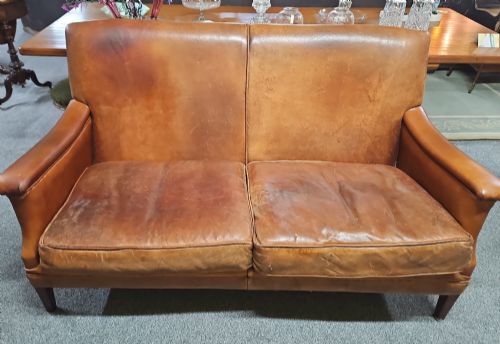
An Edwardian leather settee represents a sturdy and comfortable form of seating, frequently appearing as a Chesterfield or library settee with generous proportions. These pieces emerge from the periods spanning the late nineteenth century through to the nineteen-thirties, reflecting traditional English craftsmanship and country house styles.
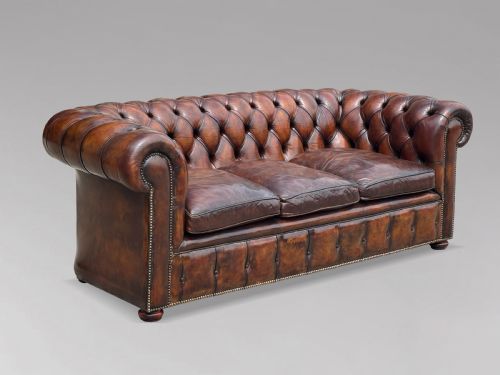
The version most commonly met on this page is the brown leather Chesterfield sofa, often featuring deep buttoning and hand-dyed finishes. Alongside these sit occasional variations like banquette sofas, chaise longues, and matching lounge suites incorporating wood and brass details.
Makers and designers from the era, such as Maple and Co, contributed to the broader landscape of these furnishings alongside unlabelled pieces shaped by skilled hands. The materials combine timber and leather with traditional fillings to create seating built for longevity.
How they were made
Makers utilised hardwood frames, often in mahogany or general timber, to provide a rigid structural skeleton for each settee. These wooden foundations supported heavy use and allowed for intricate carved details, such as lion motifs or serpentine fronts.
Upholstery relied on traditional stuffing methods, utilising horsehair fillings alongside fully loose coil springing to achieve resilience and comfort. The exterior surfaces utilised leather, sometimes raw or hand-dyed in whisky brown and red tones, occasionally accented with velvet trim or brass tacks.
Listings feature settees spanning the Victorian era through to the nineteen-thirties, constructed from mahogany, hardwood, brass, and leather.
What varies in quality
The grade of the leather and the depth of the hand-dyeing process define the visual richness of the surface. Rich whisky browns and uniform patination distinguish superior pieces from simpler finishes.
Structural integrity depends on the underlying coil springing and the density of the horsehair fill, which dictate how firmly the seat holds its shape over decades of sitting.
Maple and Co
The Edwardian Leather Settee Glossary
- Chesterfield
- A traditional style of sofa characterised by equal height back and arms, traditionally featuring deep button tufting. This form remains a staple of classic English seating.
- Horsehair fill
- A traditional upholstery stuffing material derived from equine manes and tails, prized for its durability and springiness. It provides firm support beneath the leather cover.
- Hand-dyed
- A colouring technique applied to leather to achieve depth of tone and historic character, often utilising whisky brown shades. This process highlights the natural grain of the hide.
- Banquette
- A long upholstered bench or sofa, sometimes associated with French Belle Epoque styling. These pieces often incorporate decorative trim alongside traditional wooden framing.
- Serpentine front
- A furniture silhouette featuring a sweeping, undulating front edge that curves inward and outward. This shaping adds visual movement to heavy timber frames.
Edwardian Leather Settee: Frequently Asked Questions
How do I clean leather?
Wipe surfaces gently with a soft, damp cloth to remove dust and everyday particles. Avoid harsh chemical detergents that strip natural oils.
Condition the hide periodically using a quality leather balm to maintain suppleness and prevent cracking over time.
Are these sofas comfortable?
Traditional coil springing and dense horsehair stuffing provide a supportive, resilient sit that adapts to daily use. Deep buttoning keeps the internal padding securely distributed.
Generous proportions and sturdy hardwood frames ensure these settees remain practical for lounging as well as formal sitting rooms.
How do I date a settee?
Examine the timber frame construction, upholstery methods, and hardware details for clues about the manufacturing era. Styles range from Victorian deep buttoning through Edwardian library pieces to nineteen-thirties club sofas.
Compare the stitching and hide characteristics against known examples from the same period to narrow down the decade.
Will a large sofa fit?
Measure your room dimensions and access doorways carefully before selecting a larger three-seater or multi-piece suite. Consider the physical depth and arm height when planning placement.
Allow adequate clearance around the settee so the profile and any carved wooden details remain visible in the space.