



Edwardian Leather Ottoman
These edwardian leather ottoman pieces combine period seating with practical storage, offering a robust centrepiece for traditional rooms.
Edwardian Leather Ottoman
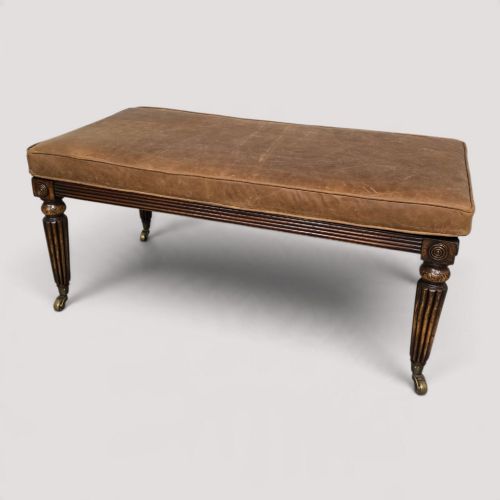
An edwardian leather ottoman brings together firm seating and functional utility, spanning several distinct periods and styles. Buyers browsing this selection encounter forms ranging from simple footstools to large window seats and metamorphic gout stools.
The material palette draws heavily on traditional timber frames paired with durable hide. Oak, mahogany, walnut, and general hardwood underpin the construction, while brass details occasionally punctuate the design.
While the search term points towards the Edwardian era, surviving examples frequently cross over into Victorian, Regency, and nineteen-twenties production. The resulting assortment provides varied silhouettes, from carved oak to cabriole-legged walnut frames.
How they were made
Makers utilised solid timbers such as mahogany, oak, and walnut to build sturdy underframes capable of supporting regular weight. Turned or carved wooden legs, including cabriole forms, support the main body.
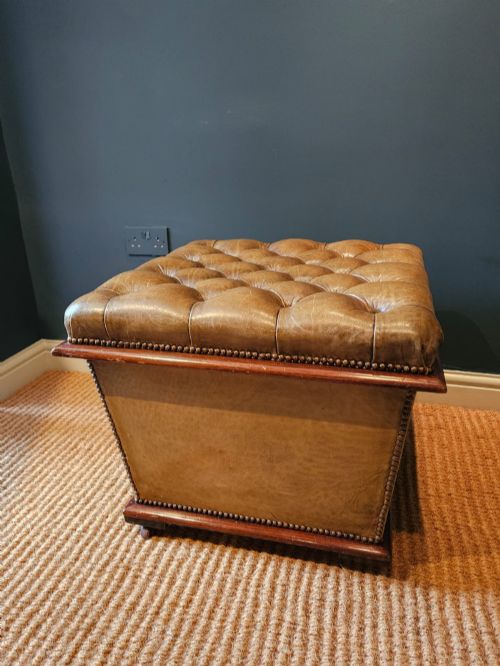
Upholstery techniques relied on durable leather, hand-dyed finishes, and buttoned detailing to secure the surface. Brass hardware and carved wooden accents such as lions heads finish the structural work.
Edwardian Leather Ottoman Retail Price Guide 2026
Typical asking prices for edwardian leather ottoman among the pieces listed under this phrase on Sellingantiques today, from the lower quarter to the upper quarter. They describe what is for sale here now, not the wider market.
Carved wooden lions gaze out from beneath heavy oak seats.
What varies in quality
The standard of timber selection and carving depth dictates the upper tier of these pieces. Substantial hardwoods and detailed work like carved lions heads distinguish superior examples from simpler utilitarian stools.
The application and ageing of the leather surface also influence the overall character. Rich hand-dyed hides and traditional buttoning reflect a higher grade of craftsmanship compared to plain upholstery.
Simpson Kendall·James Shoolbred
The Edwardian Leather Ottoman Glossary
- Metamorphic
- An item designed with mechanical parts that transform its shape or function for specialised use. Gout stools often utilise this arrangement to adjust leg support.
- Cabriole
- A furniture leg that curves out and then in, resembling the leg of an animal. This shape appears frequently on walnut frames from the period.
- Buttoned
- An upholstery method where depressions are created across the leather surface by pulling ties deep into the padding. This secures the filling and creates a patterned texture.
- Window seat
- A long stool or bench built specifically to sit within a window recess. Examples often match the proportions of surrounding period joinery.
Edwardian Leather Ottoman: Frequently Asked Questions
What is an edwardian leather ottoman?
It is a solid wood footstool or seat upholstered in leather, dating from the early twentieth century or related historic periods. These items serve as functional furniture for living spaces and studies.
They combine timber frames in oak or mahogany with durable hide coverings. Many incorporate padding and buttoning for comfortable seating.
How were these stools used historically?
Historically, these pieces served multiple domestic purposes including resting feet, seating guests near windows, or supporting legs during rest. Metamorphic variants offered adjustable positions for specific comfort needs.
Their sturdy construction made them suitable for daily placement in drawing rooms and parlours. They functioned as both movable seats and decorative furniture.
How do I care for antique leather?
Maintaining old leather requires gentle cleaning and occasional conditioning to prevent the hide from drying out. Keeping pieces away from direct heat sources preserves the material.
Avoid harsh chemical cleaners that strip the original dyed finish. Soft cloths and specialist balms help maintain the supple texture.
How can I tell periods apart?
Distinguishing periods involves examining the choice of wood, leg shape, and upholstery style. Victorian pieces often feature walnut with cabriole legs and buttoned leather, while Edwardian designs frequently use oak or mahogany.
Earlier Regency examples display distinct classical proportions and heavier timber forms. Comparing the joinery and carving style clarifies the likely era of manufacture.