



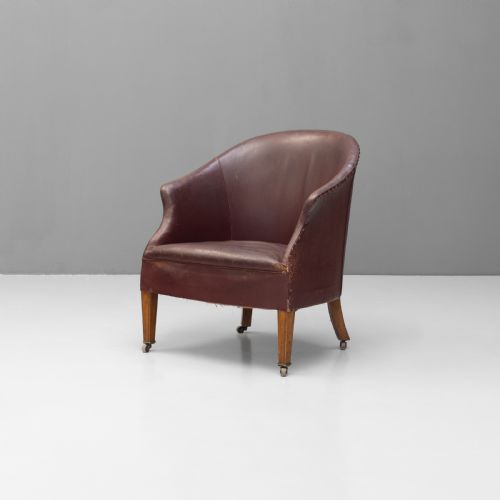

Edwardian Leather Library Chairs
Edwardian leather library chairs are sturdy seating built for reading rooms, typically combining heavy timber frames with supple hides for daily use.
Edwardian Leather Library Chairs
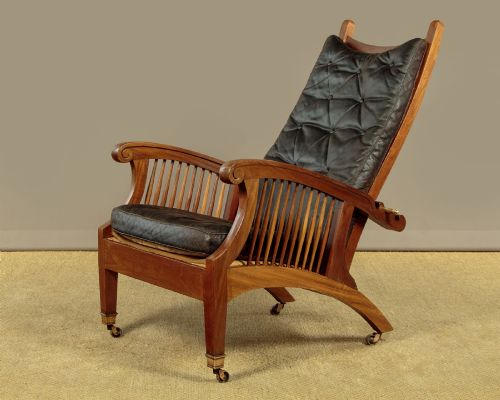
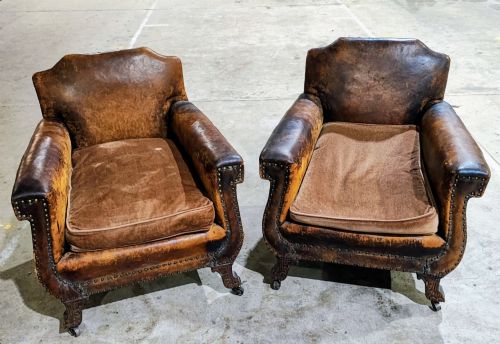
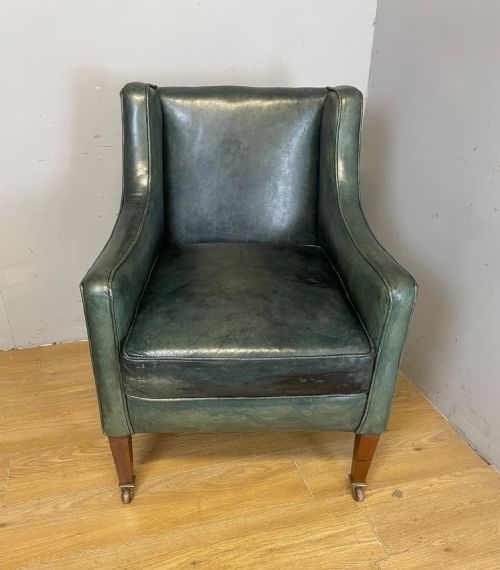
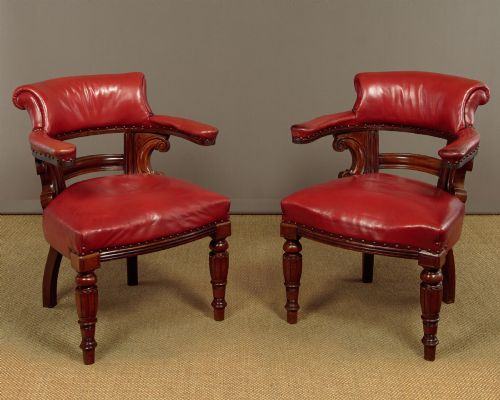
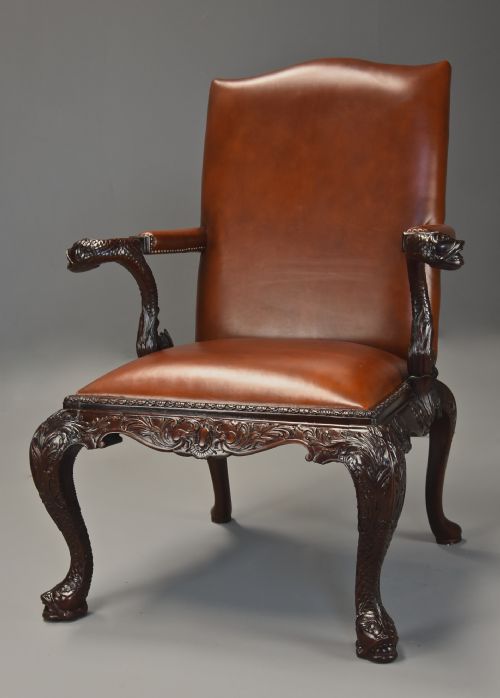
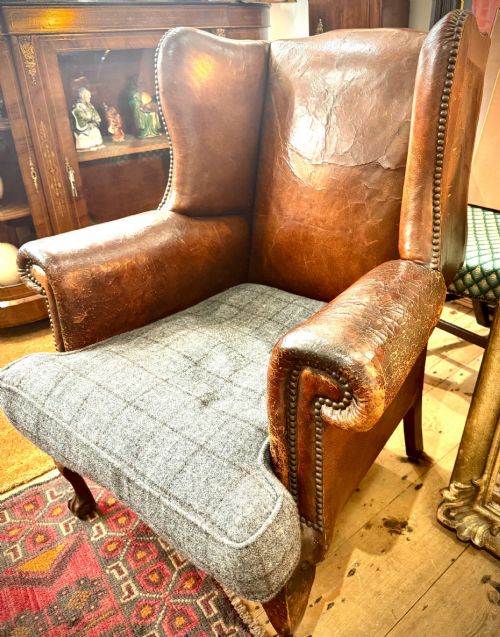
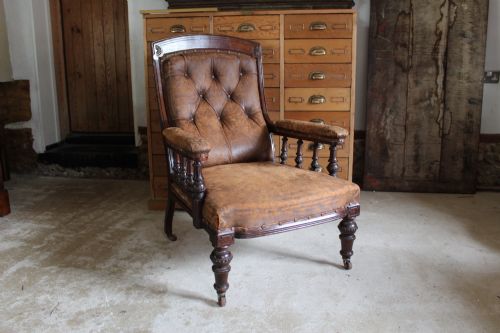
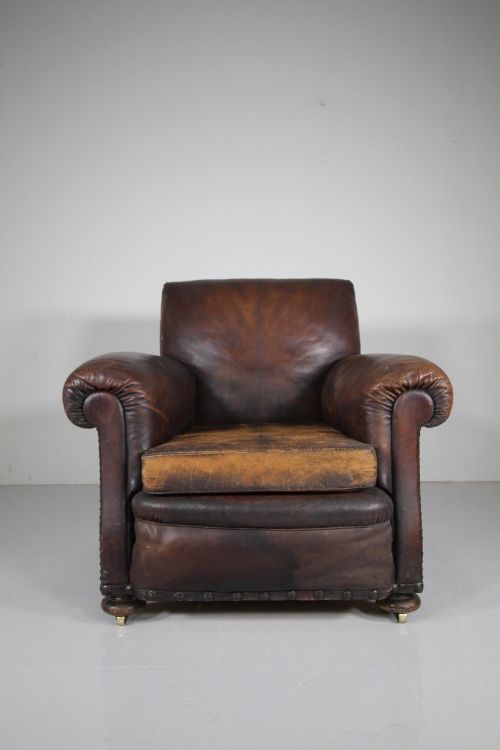
Edwardian leather library chairs span comfortable club seating, low fireside chairs, and sturdy desk armchairs designed for sustained reading and writing. The search phrase covers pieces originating from the late nineteenth century through to the early twentieth century, alongside earlier nineteenth-century variants that share the same robust proportions.
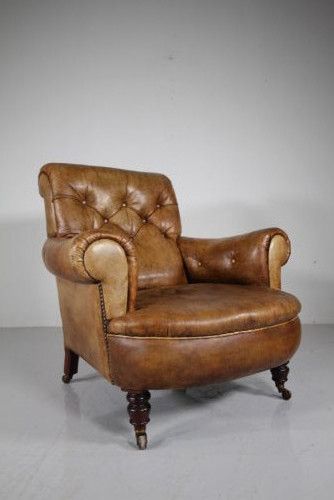
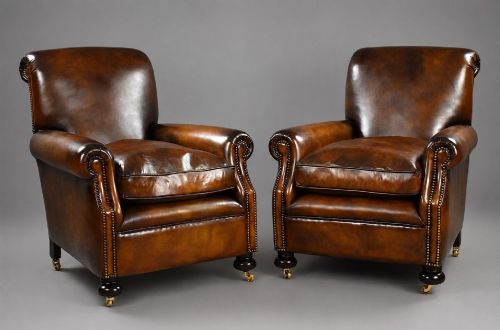
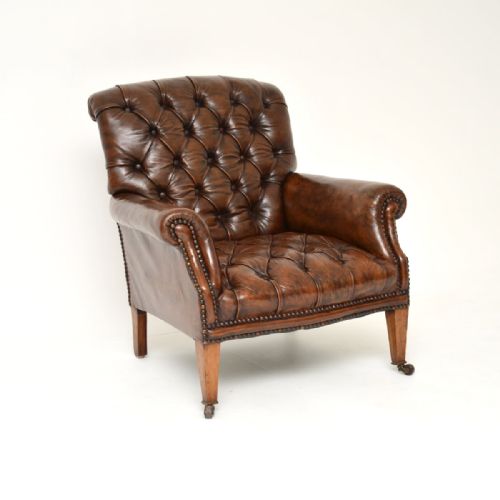
The version you are most likely to meet on this page is a mahogany or oak armchair upholstered in tan or brown leather, often featuring buttoned backs or open arms. Makers from the Edwardian period built these seats to endure, pairing traditional timber frames with supportive padding.
While many examples align strictly with the Edwardian decade, the selection also draws in Victorian, Regency, and Georgian revival forms. These overlap in purpose and materials, providing a consistent language of heavy wood and serviceable leather.
Construction and materials
Frames rely principally on dense hardwoods such as mahogany and oak, occasionally augmented by walnut, beech, or cane panels. Timber components receive careful turning, carving, or simple steam-bending to form the structural skeleton of each armchair.
Upholstery centres on durable hide leather, often hand-dyed in shades of tan, brown, or burgundy, secured with brass tacking or finished with deep buttoning. Internal stuffing provides firm support, while swivel mechanisms or adjustable heights appear on specialised desk variants.
Edwardian Leather Library Chairs Retail Price Guide 2026
Typical asking prices for edwardian leather library chairs among the pieces listed under this phrase on Sellingantiques today, from the lower quarter to the upper quarter. They describe what is for sale here now, not the wider market.
One chair even carries a mysterious maker's number hidden inside its upholstery.
Judging quality
Quality rests in the integrity of the timber frame and the depth of the hide rather than surface ornamentation alone. Superior examples display dense, well-figured mahogany or oak joined with precision, whereas lesser pieces rely on simpler secondary woods or softer constructions.
The leather itself marks the division between standard utility seating and exceptional library chairs. Hand-dyed hides that retain a supple texture and age gracefully separate the finest workshops from routine commercial production.
W.Williamson & Sons·A.W.N. Pugin
The Edwardian Leather Library Chairs Glossary
- Bergère
- An enclosed armchair with stuffed upholstery and cane panels set into the wooden frame. This French-influenced style provides a lighter visual weight while retaining solid structural support.
- Gainsborough chair
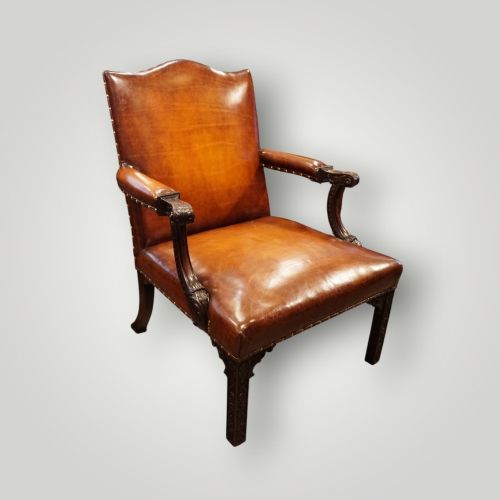
- A wide, open-armed desk chair with a padded seat and back, standing on short legs. This form originated in the eighteenth century but remained popular through later revivals.
- Club chair
- A deep, low-slung armchair with upholstered arms designed for comfortable lounging. These chairs prioritize padded ease over upright posture.
- Smokers bow
- A sturdy, low-backed Windsor-style armchair with a curved wooden arm rail, frequently utilised in studies and offices. They offer robust support in solid timber.
- Blind carving
- Carved ornament kept flat within the profile of the wood, common on Chippendale revival frames. This technique decorates the surface without interrupting clean structural lines.
Edwardian Leather Library Chairs: Frequently Asked Questions
What defines edwardian leather library chairs?
Edwardian leather library chairs are sturdy seating pieces constructed with timber frames and upholstered hide surfaces. They are built to provide reliable support in studies, libraries, and reading rooms.
These chairs combine the heavier proportions of Victorian seating with cleaner Edwardian lines, utilising materials like mahogany, oak, and supple leather.
How were these armchairs used originally?
These armchairs served primarily as functional seating for reading, writing, and study in domestic libraries and institutional offices. Their robust construction was meant to withstand daily use.
Desk variants provided mobility and adjustable height for clerical work, while club and fireside chairs offered deeper comfort for prolonged reading.
How do I care for leather library chairs?
Leather upholstery requires stable humidity and protection from direct sunlight to prevent the hide from drying out or cracking. Regular dusting keeps abrasive particles away from the surface.
Conditioning the leather periodically maintains its suppleness, while timber frames benefit from occasional waxing with appropriate furniture polish.
How can I tell the periods apart?
Distinguishing periods relies on observing shifts in timber choice, carving styles, and structural proportions. Earlier nineteenth-century pieces often display heavier proportions and distinct revival details like Gothic tracery or Regency reeding.
Edwardian iterations generally favor lighter mahogany or oak frames, sometimes incorporating simpler Arts and Crafts influences or understated revival aesthetics.