





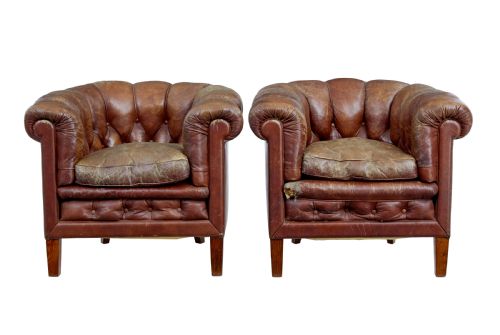
Antique Tan Tub Chairs
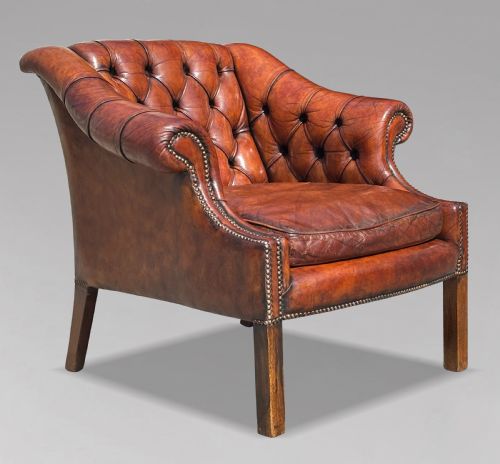
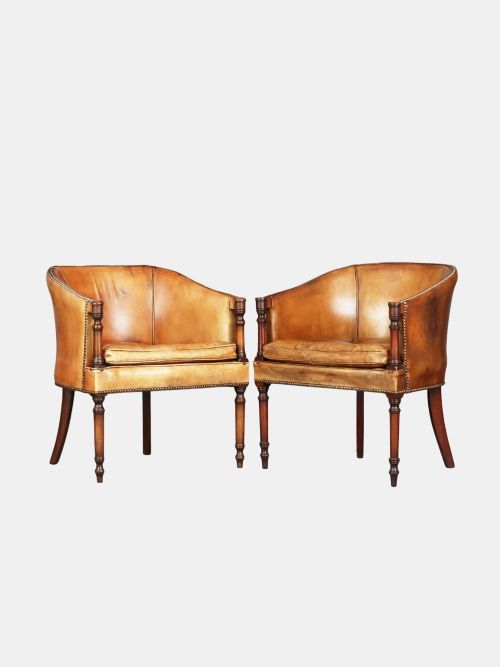
Antique tan tub chairs are deeply comfortable low seats offering curved backs, bringing rich leather and handsome wood into a study or library.
Antique Tan Tub Chairs
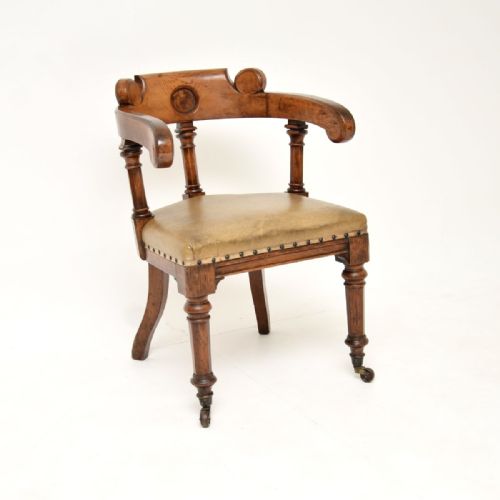
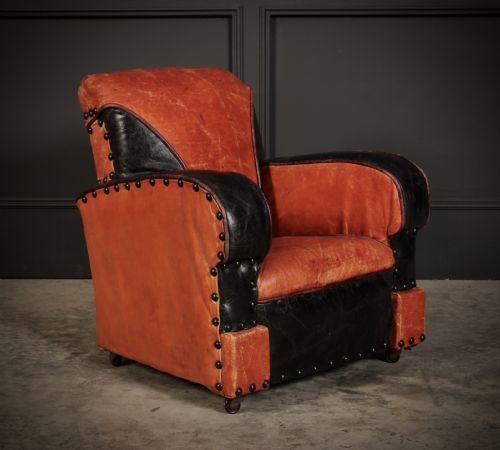
When you search for antique tan tub chairs, you encounter a selection of sturdy armchairs and desk chairs spanning the Victorian, Edwardian, and Art Deco periods. These pieces include horseshoe desk chairs, library club chairs, and low lounge seats designed for comfortable sitting.
The materials recorded on this page centre on leather upholstery paired with wooden frames made from oak, mahogany, beech, rosewood, or light wood. Many examples incorporate brass castors or gilt bronze mounts, showing the diverse craftsmanship of the nineteenth and early twentieth centuries.
How they were made
Makers built the structural frames of these seats using solid hardwoods such as oak, mahogany, beech, and rosewood, often shaping the timber into continuous curved tub backs. These wooden skeletons provided the necessary rigidity for heavy daily use in studies, libraries, and parlours.
Upholsterers fitted the chairs with hand-dyed brown and tan leather hides, securing the edges with careful studding. Metal elements like brass and gilt bronze appear on castors and decorative mounts, completing the construction.
Antique Tan Tub Chairs Retail Price Guide 2026
Typical asking prices for tan tub chairs among the pieces listed under this phrase on Sellingantiques today, from the lower quarter to the upper quarter. They describe what is for sale here now, not the wider market.
Listings on this page span the 19th Century, Victorian, Edwardian, and Art Deco periods, showcasing diverse historical styles.
What varies in quality
The standard of an antique tan tub chair depends heavily on the crispness of the timber carving and the richness of the leather hide. Finely grained woods like mahogany and rosewood elevate a piece above simpler beech or oak frames.
Attention to detail in the metalwork, such as well-cast ormolu mounts and solid brass fittings, distinguishes superior examples from standard commercial seating of the period.
The Antique Tan Tub Chairs Glossary
- Tub chair
- A low-backed armchair where the arms curve continuously into the back in a single rounded enclosure. This form provides a snug and supportive sit.
- Hide
- The natural animal skin used for upholstery, often hand-dyed to achieve the warm tan and brown tones seen on these chairs. It develops a distinct patina over decades of use.
- Ormolu
- Gilt bronze applied as a decorative mount on furniture frames, particularly prominent in Empire Revival designs. This technique adds metallic brilliance to the wood.
- Horseshoe desk chair
- A seating form featuring a semi-circular backrest shaped like a horseshoe, designed for mobility and comfort at a writing table.
Antique Tan Tub Chairs: Frequently Asked Questions
What is a tub chair?
A tub chair is an armchair featuring a curved back that flows directly into the arms, forming a continuous circular enclosure. This design provides a cocoon-like seat suited for reading or desk work.
Historically, these chairs appeared in libraries, offices, and studies where comfortable upright seating was essential.
How do I identify Victorian examples?
Victorian pieces often display heavier solid wood frames in oak, mahogany, or rosewood, sometimes featuring Gothic Revival details or swivel mechanisms. The upholstery typically consists of deep brown or tan leather.
Examining the construction methods and timber choices helps distinguish these nineteenth-century seats from later Edwardian or Art Deco variants.
Were these chairs used at desks?
Many listings for this search phrase comprise desk chairs and horseshoe desk chairs designed specifically for writing tables. These versions often incorporate swivel functions or sturdy wooden bases for easy movement.
They combine the supportive curved back of a tub chair with the practicality required for a workspace.
What woods were commonly used?
Cabinet makers utilised a variety of timbers including oak, mahogany, beech, rosewood, and light wood to construct the frames. Hardwoods like mahogany and oak provided durable support for the curved upholstery.
Secondary woods also appear in hidden structural components, reflecting the manufacturing standards of each era.