
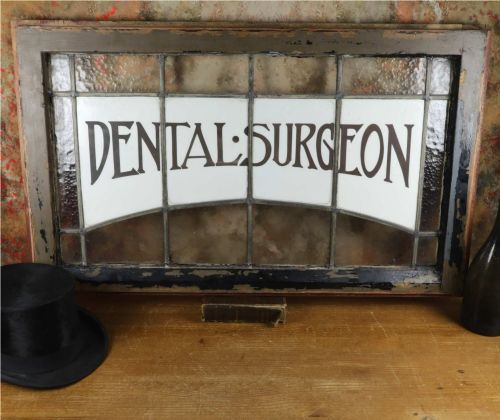


Edwardian Leaded Glass Window
An edwardian leaded glass window brings historic colour and architectural character into a modern interior.
Edwardian Leaded Glass Window
The forms span stained glass panels, architectural glass, and window panels mounted in timber, pine, or pine wood frames. Many examples incorporate intricate hand-painted pictorial scenes, botanical motifs, and textured glass bullseyes.
Art Nouveau, Arts and Crafts, Gothic Revival, and Art Deco styles appear frequently across the inventory. Buyers most commonly meet rectangular panels and multi-section windows designed for domestic or commercial settings.
How they were made
Glass sections are held together by flexible lead cames, forming geometric or figurative patterns across each panel. Artisans frequently integrated hand-painted details directly onto the glass surface to depict countryside scenes, birds, flowers, and historical figures.
Timber frames, including pine and general wood surrounds, provide structural support for heavier panels. The inclusion of amber bullseyes and specialised stained glass adds varied texture and depth to the completed window assemblies.
Listings feature items from the Victorian, 1890, 1900, 1910, and 1920 periods, utilising lead, glass, timber, and pine.
What varies in quality
The sophistication of the hand-painted artwork dictates the visual appeal of individual panels. Pieces featuring detailed countryside views, castles, knights, or avian motifs demand greater artistic skill than simpler geometric designs.
The integrity of the lead network and the preservation of the surrounding timber frame influence the structural condition. Original mounting in pine or timber surrounds alongside intact stained and painted glass elevates the overall character of the piece.
The Edwardian Leaded Glass Window Glossary
- Came
- A slender channel of lead used to hold pieces of glass together in a window. These pliable strips form the structural grid of leaded glass panels.
- Bullseye
- A small, rounded disc of glass formed during the glassblowing process. They often appear centrally within panels to add texture and catch light.
- Architectural salvage
- Building components rescued from older structures for reuse or display. This category encompasses individual windows and multi-section panels.
- Stained glass
- Glass that has been coloured by the addition of metallic salts during its manufacture. It forms the vibrant panels characteristic of this period.
Edwardian Leaded Glass Window: Frequently Asked Questions
How were these windows originally used?
These windows served as interior transoms, exterior house windows, and decorative panels within domestic and commercial buildings. They allowed privacy while diffusing natural daylight into hallways and reception rooms.
Commercial premises such as dental surgeries and confectionary shops also utilised specialised signage panels to advertise their trade to the street.
How do I hang a glass panel?
Most panels require secure fixing points attached to the outer timber or pine frame rather than suspending them from the lead work alone. Professional framing or dedicated window hanging brackets ensure the weight is supported evenly.
Positioning the panel in front of a light source, such as an interior wall light or an exterior window, maximises the visibility of the coloured glass.
Can I date a window by its style?
Stylistic cues help narrow down the period of manufacture across Edwardian, Victorian, and Art Nouveau designs. Flowing botanical lines typically point towards Art Nouveau influences, while formal floral swags often align with Edwardian tastes.
1900 and 1910 pieces frequently combine traditional leaded techniques with hand-painted pastoral scenes or figurative subjects.
What maintenance do old windows need?
Gentle cleaning with a soft cloth preserves the delicate hand-painted surfaces found on many period panels. Harsh chemical cleaners can damage both the painted designs and the aged lead cames.
Periodic inspection of the timber frames and lead joints ensures the glass remains securely supported within its structure.