


Edwardian Lavaliere Pendant
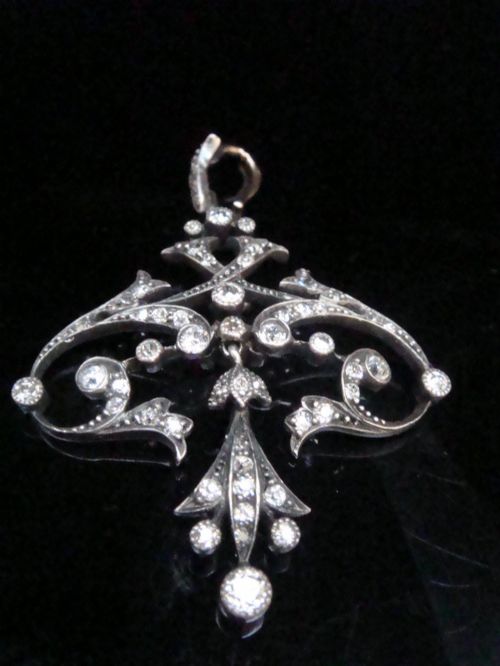
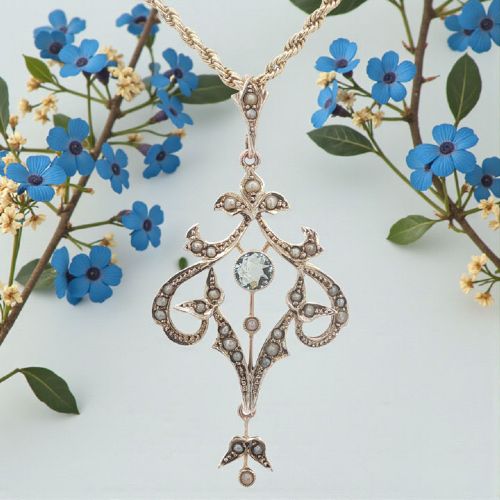
An Edwardian lavaliere pendant offers a delicate pendant drop suspended on a slender chain, capturing the refined grace of the early twentieth century.
Edwardian Lavaliere Pendant
The versions most commonly met on this page span the Edwardian period, along with related pieces from the Victorian era through to the nineteen twenties. Materials range from silver and platinum to nine, fifteen and eighteen carat gold, frequently set with seed pearls, diamonds, amethysts and garnets.
Materials and construction methods
Jewellers utilised precious metals such as platinum and yellow gold to construct light, intricate frameworks that held stones securely without adding unnecessary weight. Techniques like plique-a-jour enamel and fine millegrain bezel settings allowed light to pass through coloured stones and diamonds.
Components such as seed pearls and small diamonds were meticulously arranged around larger centre stones including aquamarines, sapphires, moonstones and pink tourmalines. Articulated suspension links were soldered by hand to ensure the pendant drops swayed freely with movement.
Listings feature platinum, silver, and gold ranging from nine to eighteen carats, combined with diamonds, pearls, amethysts, and garnets.
Distinctions in craftsmanship and materials
The fineness of the metalwork and the precision of the stone setting separate standard examples from exceptional ones. Master workshops employed heavier platinum or higher carat gold alongside perfectly matched natural pearls and vibrant, clean gemstones.
Condition plays a role, particularly regarding the survival of original fitted boxes, intact enamel work, and replacement-free seed pearls. Pieces retaining their original chain demonstrate greater completeness and desirability.
Eduard Foehr
The Edwardian Lavaliere Pendant Glossary
- Lavaliere
- A pendant necklace featuring a suspended drop stone or tassel hanging below the main cluster. This style gained popularity during the late nineteenth and early twentieth centuries.
- Seed pearl
- A very small, naturally formed or cultured pearl, often drilled and threaded onto fine wire or silk within delicate floral clusters. These tiny pearls define much of the period's texture.
- Millegrain
- A decorative technique involving a row of tiny raised metal beads along the edges of a setting. This softens the metal outline and frames the stones with a subtle texture.
- Plique-a-jour
- An enamelling technique where the enamel is applied without a backing, resembling miniature stained glass. Light shines directly through the translucent coloured glass.
Edwardian Lavaliere Pendant: Frequently Asked Questions
What is an edwardian lavaliere pendant?
An edwardian lavaliere pendant is a necklace design featuring a central gemstone ornament with one or more hanging drops suspended below. These jewels date predominantly from the early nineteen hundreds.
They reflect the lighter, more feminine aesthetic that succeeded heavy Victorian jewellery, combining platinum or gold with diamonds and pearls.
How were these pendants worn?
These pieces were typically worn suspended from a fine metal chain around the neck, often resting against high-collared dresses or evening wear of the period. Some designs doubled as detachable brooches.
The articulated drops were engineered to sway gently with the wearer, catching the candlelight during evening gatherings.
How do I care for antique jewellery?
Living with these delicate items requires gentle handling, as seed pearls and antique settings are sensitive to harsh chemicals, ultrasonic cleaners, and moisture. Store them flat in lined boxes to prevent chains from tangling.
Professional inspection of the prongs and links every few years ensures the stones remain secure during occasional wear.
How can I tell the period?
Differentiating periods involves examining the choice of metals, such as platinum use from the turn of the century onwards, alongside characteristic motifs like garlands, bows, and flowing plant forms. Hallmark stamps and box inscriptions also provide concrete chronological clues.
Maker marks and specific stone cuts, such as old cut diamonds, further anchor a piece to the Edwardian or late Victorian eras.