


Edwardian Cabochon Pendant
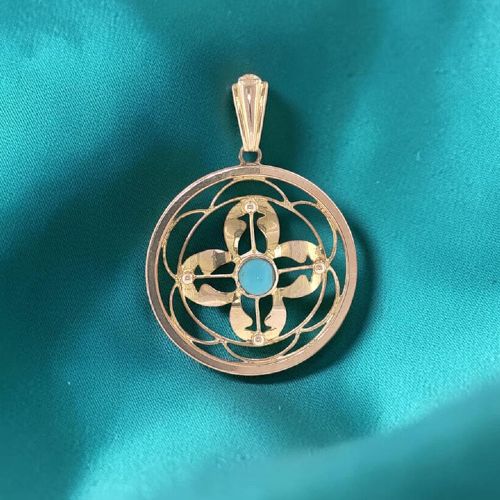
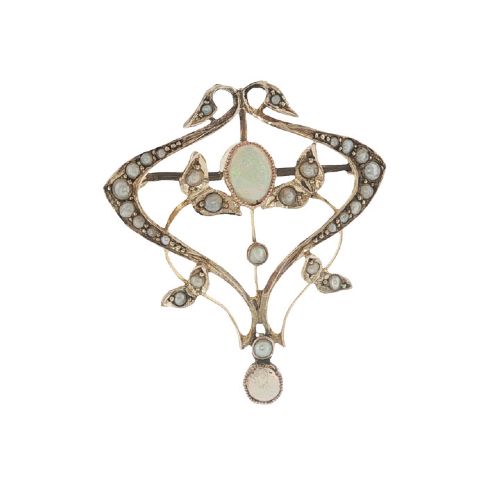
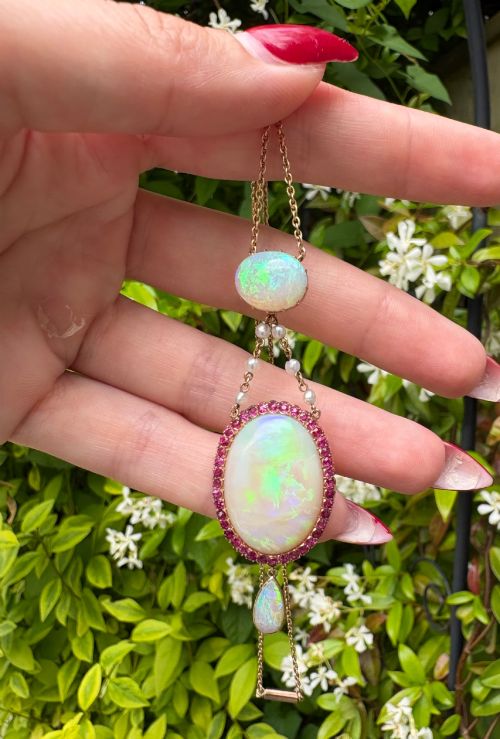
An edwardian cabochon pendant holds a polished, unfaceted gemstone that captures light with a soft, rounded glow.
Edwardian Cabochon Pendant
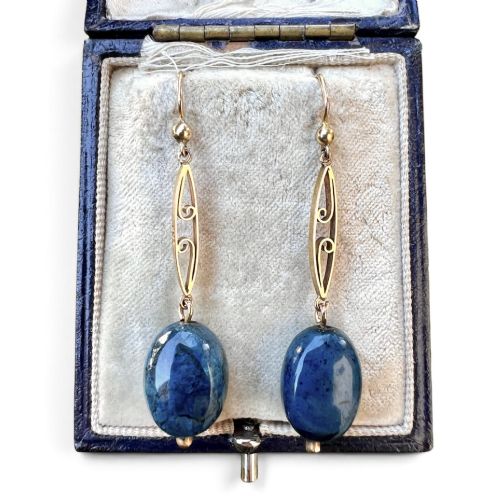
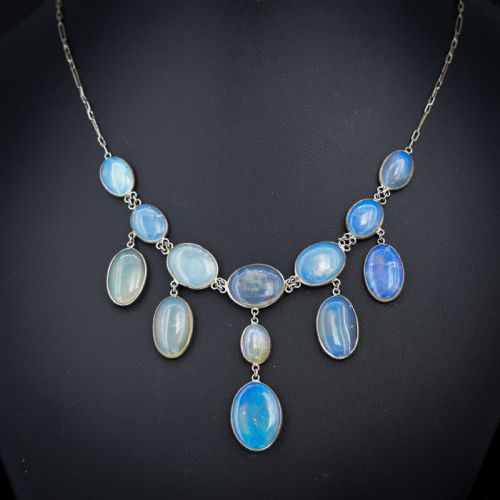
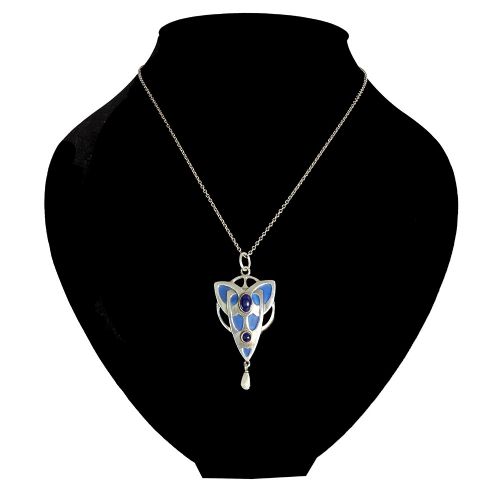
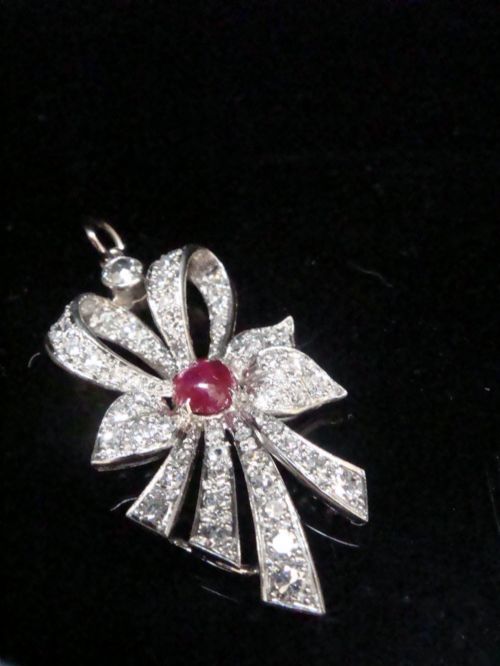
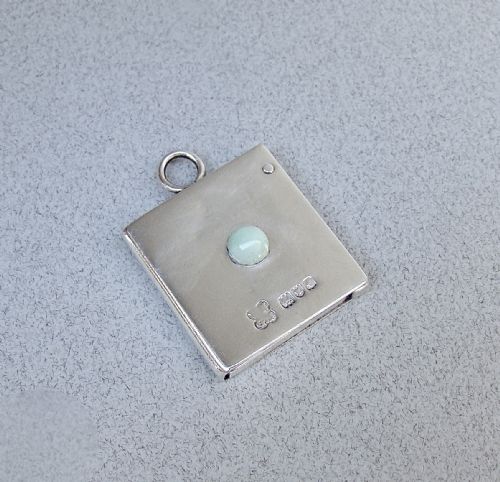
An edwardian cabochon pendant represents an intimate piece of jewellery centred on a smooth, domed stone rather than a faceted cut. Pieces matching this description span periods from the late nineteenth century through the Edwardian era into Art Deco and Arts and Crafts designs.
The versions most commonly found here pair gold or silver settings with distinctive stones like opal, moonstone, turquoise and garnet. These necklaces often take the form of drops, lavalieres or festoons designed to hang gracefully against the collar.
Makers and designers working during these periods embraced flowing organic lines, resulting in pendants that balance delicate metalwork with substantial cabochon centrepieces.
Materials and construction
Goldsmiths and silversmiths utilised nine carat, fifteen carat and eighteen carat gold alongside silver and platinum to build secure bezels that cradled the domed stones. Metalwork frequently incorporated wirework, granulation and hand-beaten silver elements typical of the Arts and Crafts movement.
Gemstones such as opals, moonstones and turquoise were carefully shaped and polished into high rounded domes to emphasise their natural optical properties and colour variations. Pearls, diamonds and smaller accent stones were then set around the primary cabochon to enhance the overall composition.
Listings feature yellow gold, rose gold, silver and platinum alongside opals, moonstones, turquoise, garnets and pearls across Victorian, Edwardian and Arts and Crafts styles.
Distinctions in craftsmanship and materials
Design attribution to known workshops or prominent makers elevates a piece, as does the survival of original matching chains or components. The harmony between the domed stone and the surrounding precious metal defines the visual success of the pendant.
W and G Neal·The Gaskins·WH Haseler for Liberty and Co·Dorrie Nossiter·George Hunt·John Paul Cooper·Amy Sandheim·Theodor Fahrner
The Edwardian Cabochon Pendant Glossary
- Cabochon
- A gemstone shaped and polished with a smooth, rounded dome instead of flat facets. This cut is chosen for stones like opals and moonstones to display their internal sheen.
- Lavaliere
- A type of pendant featuring a dangling gemstone or drop suspended from a central motif or chain. These pieces gained immense popularity during the Edwardian period.
- Festoon
- A necklace design composed of draped chains or links suspended across the chest, often punctuated by drops and gemstones. This style defines many Arts and Crafts and Edwardian pieces.
- Matrix
- The host rock in which a gemstone is formed, remaining visible within or around stones such as turquoise. Turquoise matrix pieces show the natural webbing of the parent rock.
- Adularescence
- The optical phenomenon where light billows across a gemstone, most notably seen in moonstones. This floating sheen moves as the angle of the pendant shifts.
Edwardian Cabochon Pendant: Frequently Asked Questions
What is a cabochon stone?
A cabochon is a gemstone that has been shaped and polished smooth with a rounded top, rather than cut with flat facets. This technique preserves the natural body of the material and highlights optical effects like the play of colour in opals.
Historically, this was the standard method for preparing many coloured stones before facet-cutting machinery became widespread. In Edwardian and Arts and Crafts jewellery, the cabochon cut experienced a major revival.
How do I care for a moonstone pendant?
Moonstones and opals require gentle handling because they possess a lower hardness than diamonds or sapphires. Clean them using a soft cloth and warm soapy water, avoiding harsh chemical dips or ultrasonic cleaners.
Store your pendant separately from harder jewellery to prevent scratching the polished surface of the domed stone.
Are these necklaces supplied with original chains?
Many pendants from this era survive on period chains, though some have been paired with later matching chains over time. Descriptions specify whether a chain is original to the pendant or a later addition.
When inspecting a piece, examine the jump rings and clasp to see if the gold or silver tone matches the pendant frame.