

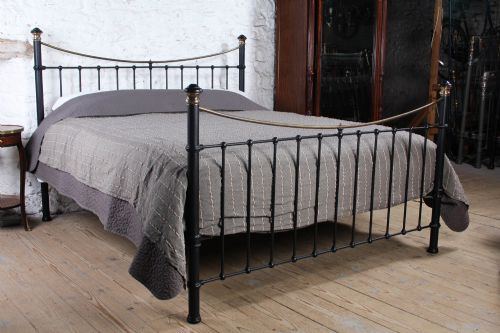


Edwardian Iron Headboard
These edwardian iron headboard pieces are sturdy structural items that anchor a bedroom with period character.
Edwardian Iron Headboard
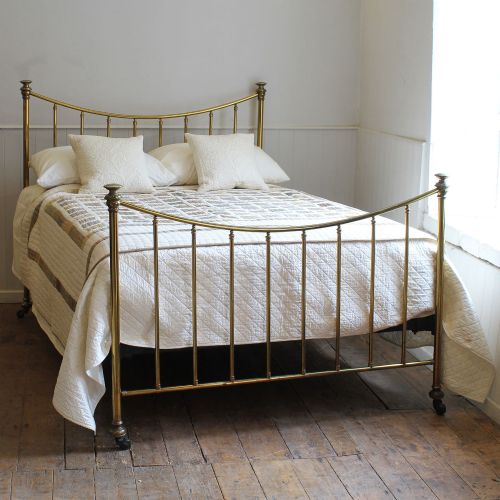
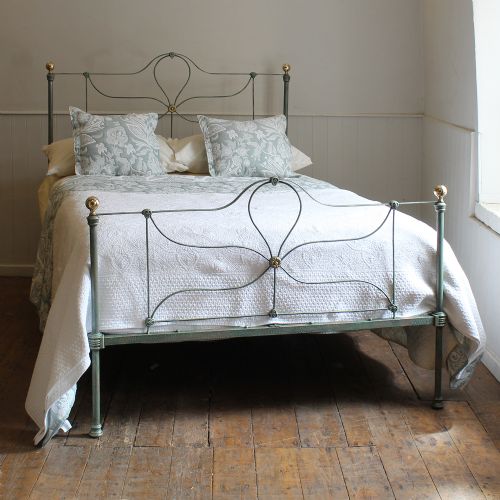
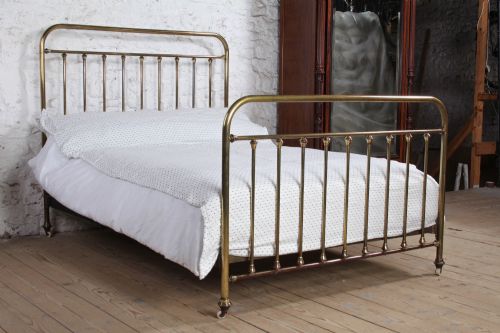
When you search for an edwardian iron headboard, you are looking at metal framing designed to attach to a bed base or support a mattress setup against a wall. The pieces listed span iron, cast iron, and wrought iron, often paired with brass elements.
You will encounter various forms ranging from simple straight rails to dip-rail designs and ornate configurations. Many items originate from the Victorian and Edwardian periods, bringing substantial weight and traditional metalwork into modern spaces.
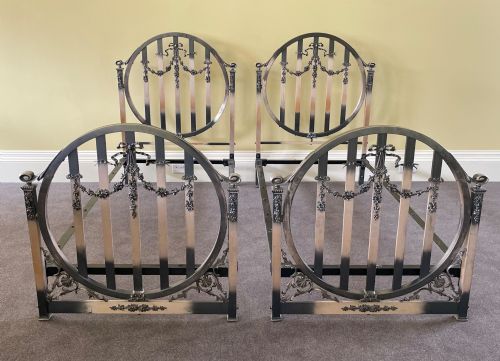
The selection includes single beds, double beds, and larger king sizes, showing how iron and brass were combined for domestic sleeping quarters. French Provincial and Art Nouveau styles also appear, offering curved lines alongside standard industrial forms.
How they were made
Makers utilised cast iron and wrought iron for the primary structural framework, shaping molten metal in moulds or hammering it into rigid bars. These iron components provide the heavy weight and load-bearing strength characteristic of the period.
Brass elements and nickel plating were applied to decorative finials, rails, and corners to introduce contrasting metallic tones against the dark or painted iron body. Some pieces feature green verdigris or cream finishes applied over the base metal.
Joints and connections relied on mechanical fixings and heavy brackets that allowed large bedsteads to be assembled or dismantled securely.
Some single iron beds were built with clever joining mechanisms so they could lock together as a double.
What varies in quality
The distinction between standard utility items and finer pieces lies in the complexity of the casting work and the treatment of decorative brass details. Heavier gauge iron and crisper moulding indicate a higher grade of manufacture.
Surface preservation affects the overall character, with original patination, intact nickel plating, and well-maintained painted finishes commanding greater interest than heavily stripped or repainted surfaces.
Maple & Co
The Edwardian Iron Headboard Glossary
- Dip Rail
- A horizontal top bar on a headboard that curves downward toward the centre. This configuration softens the rigid rectangular profile of standard metal bed frames.
- Cast Iron
- Iron shaped by pouring molten metal into a mould. It allows for intricate decorative patterns and heavy structural components.
- Wrought Iron
- Iron shaped through heating and hammering by hand or machine. This material offers high tensile strength and a fibrous internal structure.
- Nickel Plating
- A thin layer of nickel applied over base metals like iron or brass to prevent corrosion and provide a bright, silver-coloured finish.
- Verdigris
- A green patina formed naturally on copper, brass, or bronze through atmospheric oxidation. It appears as an aged surface colour on older metalwork.
Edwardian Iron Headboard: Frequently Asked Questions
How do I attach an antique headboard?
Most antique metal frames and headboards use integrated bolt systems or require specific adapter brackets to fit modern divan bases. You should check the alignment of the existing mounting holes against your bed frame dimensions.
Because these pieces were built to proprietary nineteenth-century standards, minor adjustments to the fixings are sometimes necessary for a secure attachment.
Are iron headboards heavy to move?
Solid cast iron and wrought iron components possess substantial weight, making these headboards significantly heavier than modern wooden or upholstered alternatives. Two people are usually required to lift and position them safely.
This heft ensures the headboard remains stable against the wall without requiring excessive wall-mounting hardware.
How do I clean antique brass and iron?
Dust the metal surfaces regularly with a soft, dry cloth to prevent the accumulation of grime in decorative crevices. Avoid abrasive scourers or harsh chemical solvents that can strip original lacquers or painted finishes.
For unlacquered brass components, a mild metal polish applied sparingly will restore brightness without damaging the surrounding iron.
How do I date a metal bedstead?
Dating relies on stylistic clues such as the presence of Art Nouveau flowing lines, heavy Victorian brass ornamentation, or Edwardian dip-rail profiles. The manufacturing techniques, such as hand-poured casting versus later machine stamping, also indicate the era.
Maker stamps or retailer plates stamped directly into the iron frame provide the most definitive chronological reference.