

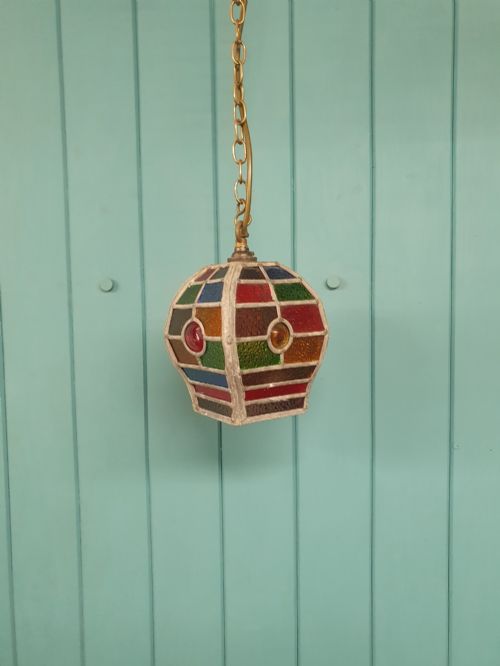
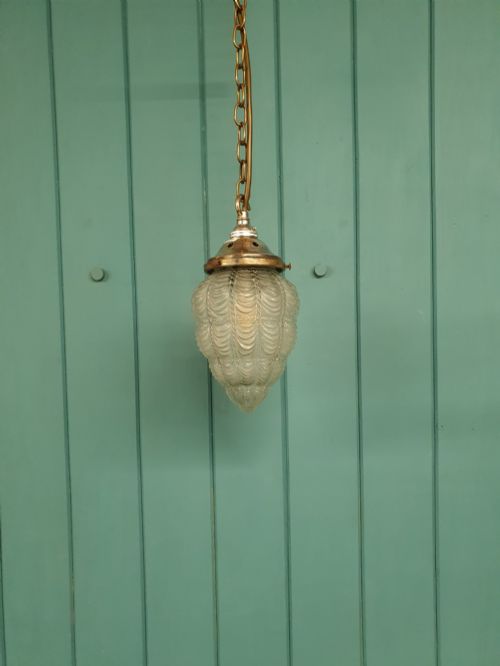

Edwardian Hanging Pendant Shade
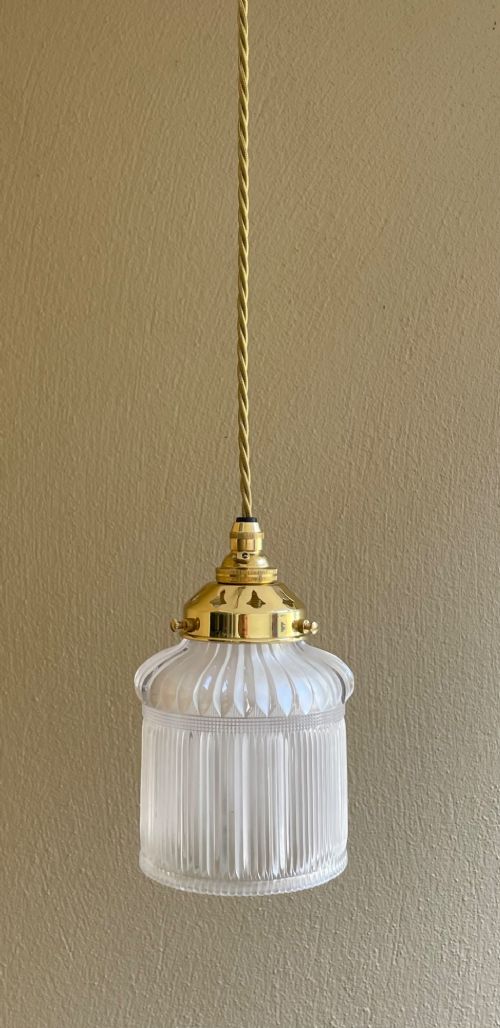
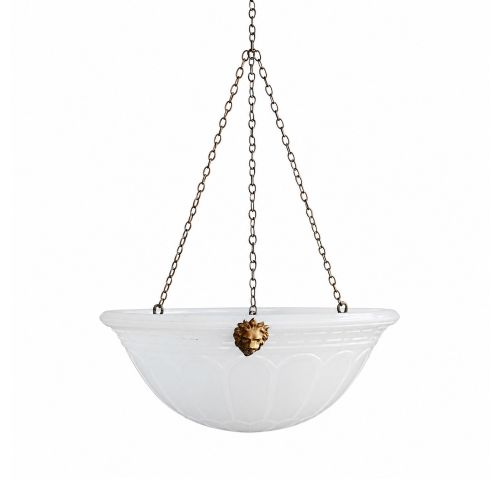
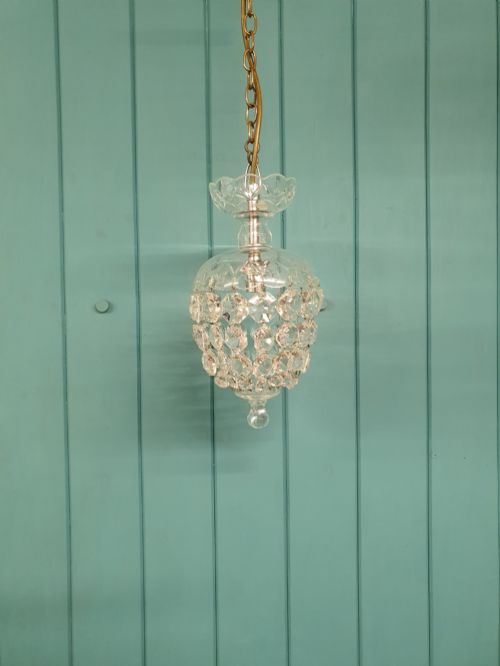
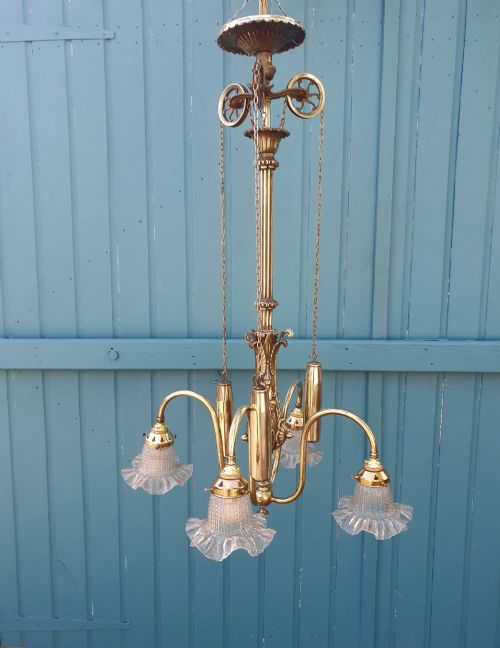
These edwardian hanging pendant shade examples bring period character to a ceiling, combining practical illumination with decorative glass and metalwork.
Edwardian Hanging Pendant Shade
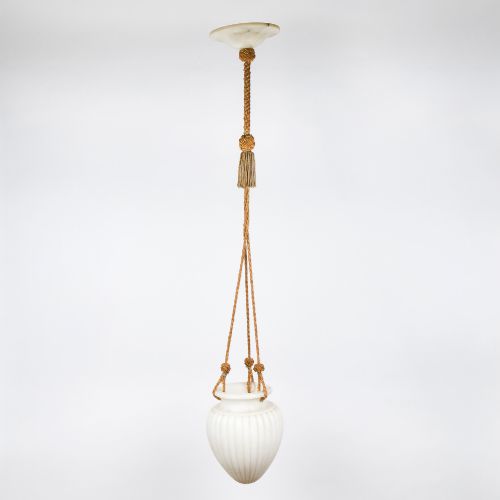
An edwardian hanging pendant shade sits overhead, suspended from chains, cords or brass rods to light a room from above. The search phrase covers a broad spectrum of overhead fixtures, from simple glass shades to multi-armed chandeliers and lanterns.
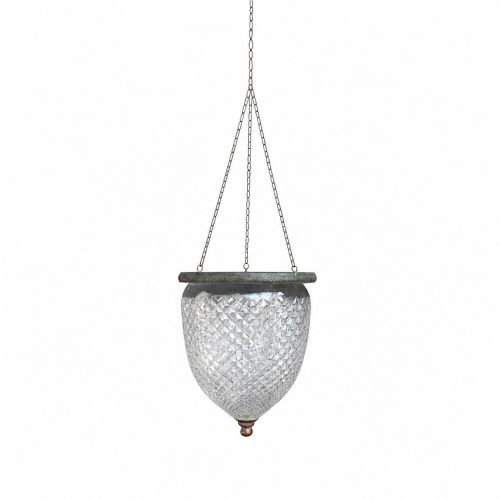
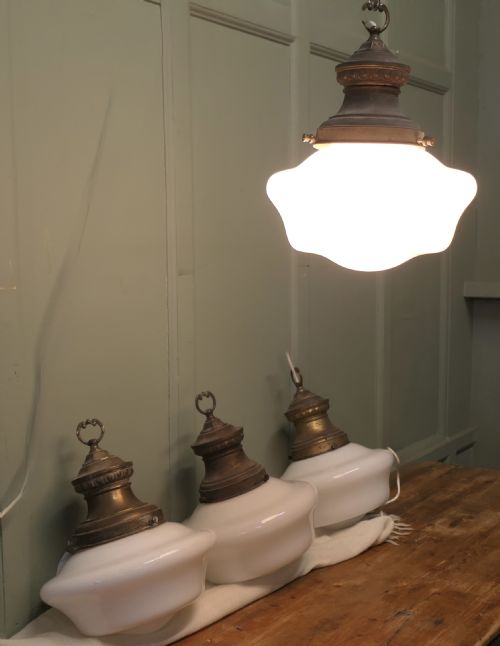
The versions most commonly met here date from the early twentieth century and the Edwardian period, often incorporating opaline glass, cut glass or prismatic glass. Many items reflect distinct movements like Arts and Crafts or industrial designs alongside classic Edwardian forms.
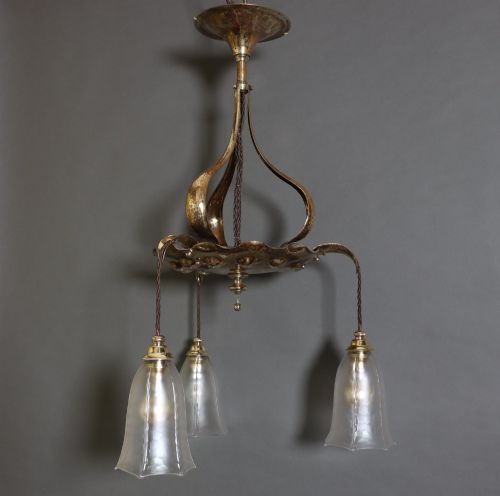
Makers utilised various metals such as brass and copper to mount these diffusers, creating functional centrepieces for hallways, porches and main living spaces. Surviving pieces range from compact single pendants to substantial multi-bulb chandeliers.
Materials and Construction
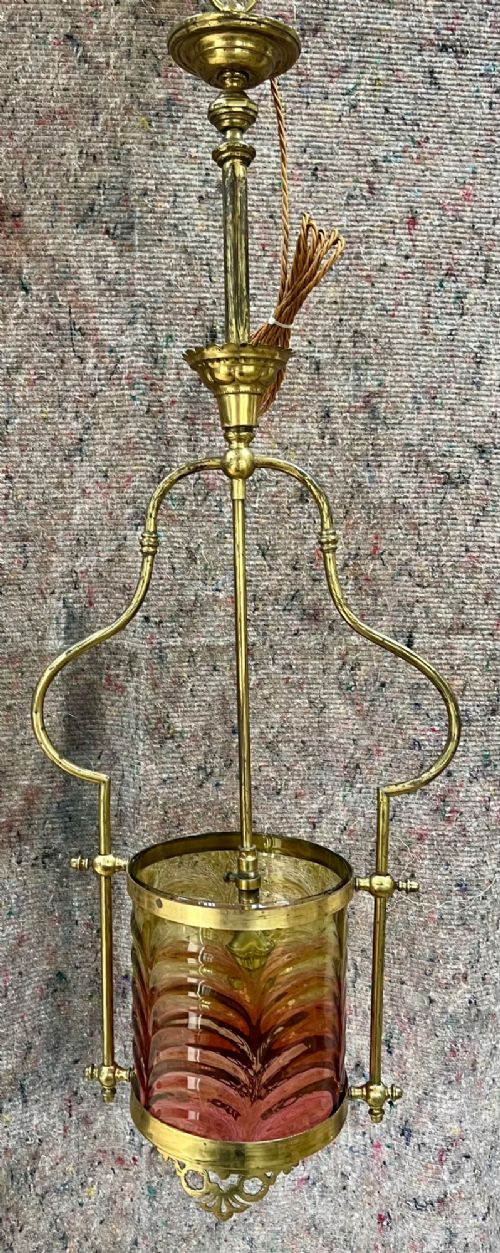
Makers combined cast and spun brass or copper with blown, moulded and pressed glass to build these hanging lights. Metal components provide structural support through chains, canopies and galleries, whilst glass bowls, domes and shades diffuse the illumination.
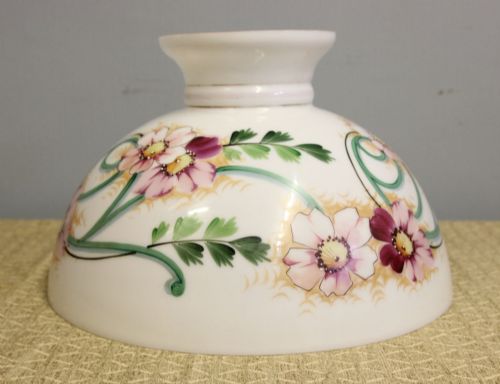
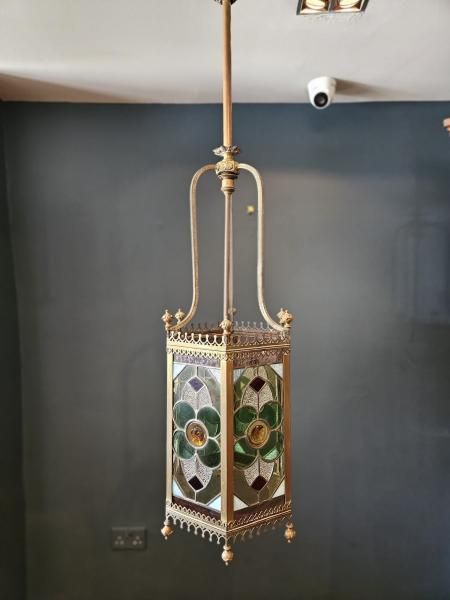
Techniques varied from leaded stained glass construction and delicate hand-etching to heavy pressed prismatic ribs designed to spread light efficiently. Silver plating and painted finishes appear on select metal and glass surfaces to add decorative detail.
Listings feature items spanning the Victorian era through the 1940s, constructed predominantly from brass, copper, opaline glass, and cut crystal.
Assessing Quality
Quality rests in the weight of the metal components, the clarity of the glass, and the sophistication of the decorative detailing. Heavier brass castings and deeply cut crystal or prismatic glass elevate a piece above standard utility items.
The distinction between ordinary production and superior craftsmanship also shows in integrated design choices, such as matching period galleries, hand-soldered leaded joints, and balanced proportions across multi-armed chandeliers.
The Edwardian Hanging Pendant Shade Glossary
- Plafonnier
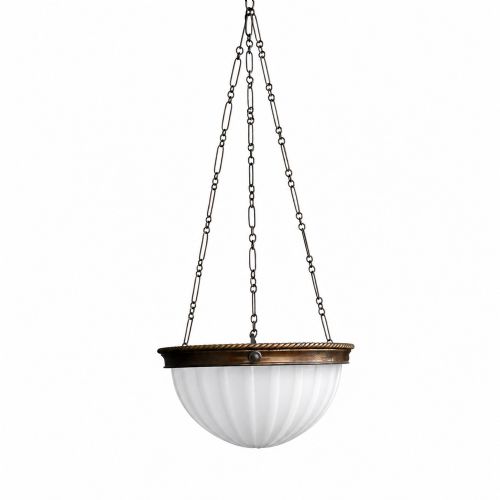
- A bowl-shaped ceiling light fixture mounted flush or suspended close to the ceiling. These direct illumination upwards or outwards through decorative glass.
- Opaline glass
- A milky, semi-translucent glass developed in the nineteenth century to soften harsh bulb glare. It diffuses light evenly across a room.
- Prismatic glass
- Glass moulded with precise optical ribs or prisms on the surface to bend and disperse light. Holophane is a prominent example found in industrial and Edwardian contexts.
- Rise and fall
- A mechanical pulley system using weights or springs that allows the pendant height to be adjusted. This mechanism is frequently housed within brass ceiling fittings.
- Gallery
- The metal ring or collar that grips the top rim of a glass shade. Galleries secure the shade to the suspension fitter.
Edwardian Hanging Pendant Shade: Frequently Asked Questions
How do I hang a pendant shade?
Most pieces suspend from a ceiling hook or bracket attached to wiring in the ceiling void. The weight of the fixture determines whether it requires direct joist fixing.
Professional installation ensures the electrical components and suspension chains safely support the weight of heavy brass and glass assemblies.
What rooms suit these lights?
Pendant shades work well in hallways, above dining tables, or as central lighting in principal living rooms. Their drop length suits spaces with standard or high ceilings.
Smaller lanterns and single bowls fit well in porches or compact landings, whilst larger multi-arm chandeliers anchor spacious rooms.
How do I clean antique glass?
Remove the glass shade from its metal gallery where possible to wash it in warm, soapy water. Avoid harsh abrasives that might scratch delicate painted surfaces or etched designs.
Dry the glass thoroughly with a lint-free cloth before reattaching it to the brass or copper mount.
Are these lights wired for modern use?
Many surviving fixtures have been rewired with modern cable to meet current safety standards, though some retain older wiring. It is standard practice to have an electrician check or update internal components.
Modern LED bulbs can often be used inside vintage shades provided they fit the historic lamp holder dimensions.