


Antique Glass Ceiling Bowl
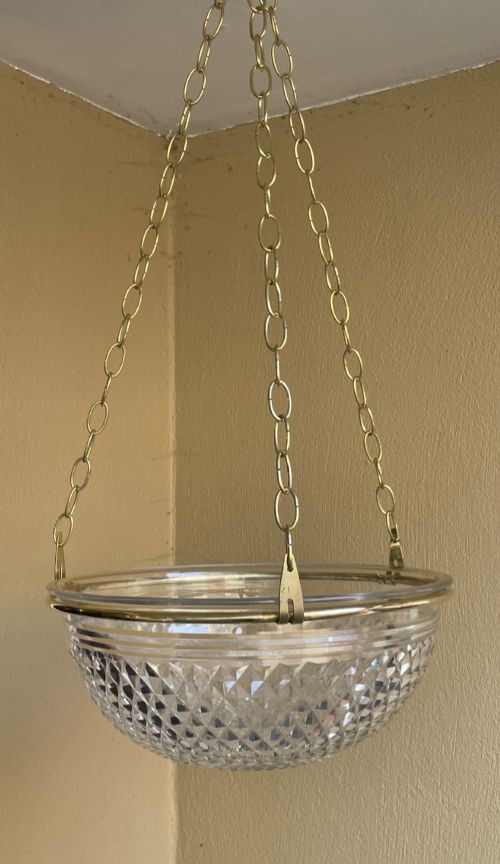
An antique glass ceiling bowl hangs close to the plaster, diffusing light evenly across a room through cut, frosted or moulded glass.
Antique Glass Ceiling Bowl
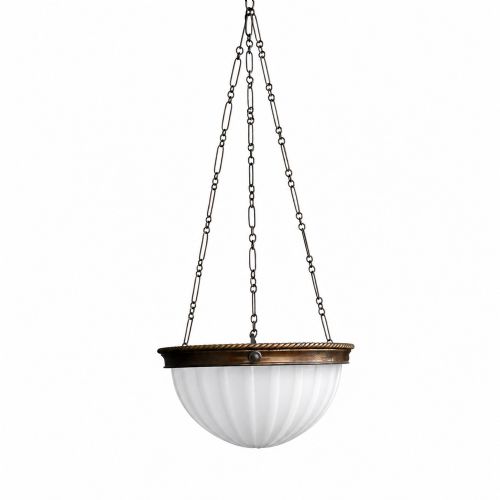
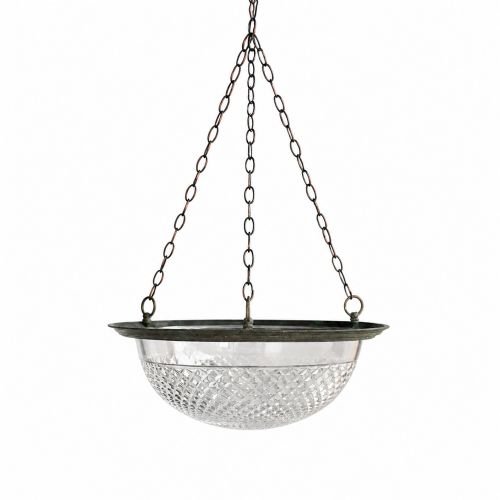
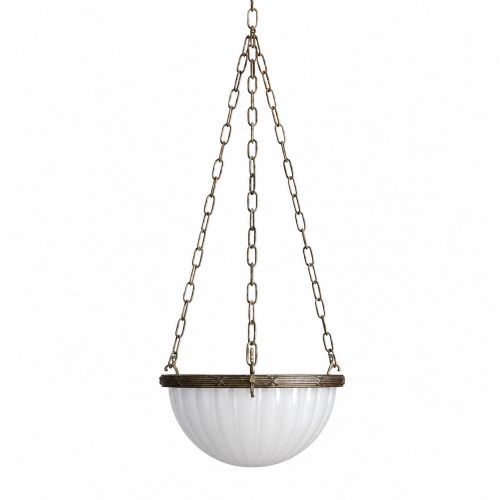
An antique glass ceiling bowl, often referred to as a plafonnier or dish light, provides direct overhead illumination while sitting flush or suspended on short chains. These fixtures appear across multiple design movements, including Edwardian cut glass, Arts and Crafts crystal, and Art Deco opalescent pressed glass.
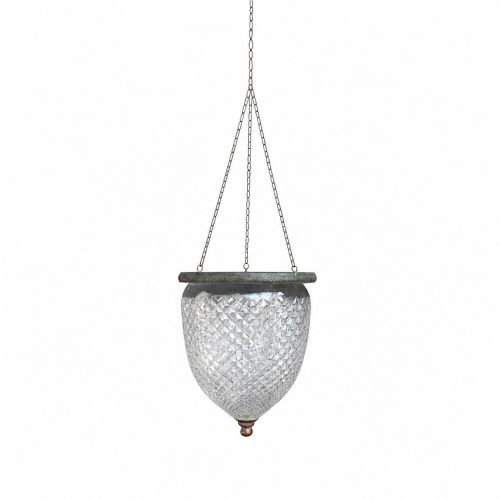
The materials span from straightforward pressed glass and opaline to heavy cut crystal and moonstone glass, supported by brass, bronze, copper, and silver-plated mounts. Formats range from simple shallow dishes to large acorn-shaped shades and specialised pendant bowls.
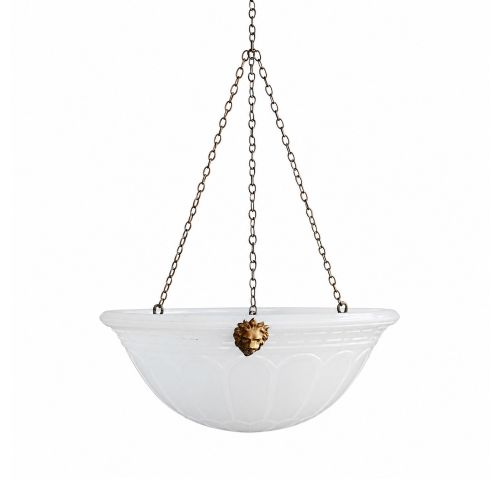
Buyers frequently encounter Edwardian cut glass styles and 1930s Art Deco pieces on the market. Earlier Victorian examples and Neoclassical variants with rams head details also emerge among the selection.
Materials and construction methods
Glass production for these ceiling bowls relies on moulding, pressing, or blowing, followed by hand-cutting or acid-etching for decorative surface patterns. Opalescent, moonstone, and frosted finishes diffuse the bulb glare, creating a soft atmospheric glow.
Metal components such as brass, bronze, copper, and silver plating form the structural suspension rings, chains, and decorative fitments that secure the heavy glass bowls safely to the ceiling.
Materials appearing across the inventory include moonstone glass, bronze, copper, and heavy cut crystal.
Factors of distinction
Depth and crispness of the glass cutting or moulding distinguish standard commercial production from finer artistic work. Sharp facets on heavy lead crystal or intricate relief moulding in opalescent pieces show superior workshop execution.
The quality of the metal mounts, including cast bronze or heavy silver plating rather than light stamped brass, indicates the original grade of the light fixture.
René Lalique·Verrerie Des Vosges
The Antique Glass Ceiling Bowl Glossary
- Plafonnier
- A French term for a ceiling light, usually describing a bowl-shaped glass shade mounted close to the ceiling. These fixtures project light downward and outward.
- Moonstone glass
- A semi-translucent milky glass type that diffuses light with a soft, lunar appearance. It gained popularity during the early twentieth century.
- Opalescent glass
- Glass containing ingredients that cause it to display milky blue and amber tones when lit. This material defines many Art Deco lighting designs.
- Flush ceiling light
- A luminaire mounted directly against the ceiling surface without a hanging drop rod or long chain. This style suits rooms with lower ceiling heights.
Antique Glass Ceiling Bowl: Frequently Asked Questions
How do I hang a ceiling bowl?
Most ceiling bowls suspend from a central ceiling rose using three or four metal chains attached to a rim or matching hardware. Wiring runs through a central tube or alongside the suspension chains down to the lampholder inside the bowl.
Professional installation is recommended because these glass bowls are heavy and require secure fixing to ceiling joists rather than plaster alone.
What rooms suit these ceiling lights?
Pendant bowls and plafonniers work well in hallways, bedrooms, and reception rooms where low-hanging chandeliers might obstruct movement. Their diffused light output provides gentle overall illumination rather than harsh task lighting.
Larger specimens illuminate high-ceilinged period stairwells or living spaces, while flush fittings accommodate standard modern ceiling heights.
How do I clean an antique glass bowl?
Remove the glass shade from its metal suspension frame carefully before cleaning to prevent accidental drops. Wash the glass in lukewarm water with mild soap and dry it thoroughly with a soft cloth.
Avoid submerging or harsh polishing of antique metal mounts that retain their original patination and protective lacquering.
How do I date a glass ceiling light?
Dating relies on stylistic clues and manufacturing techniques evident in both the glass and the metal mounts. Edwardian and Victorian pieces often feature heavy hand-cut crystal with brass or silver-plated chains.
Art Deco fixtures from the 1930s typically display pressed satin glass, opalescent finishes, and streamlined bronze or copper hardware.