


Vintage English Glass Shade
These vintage English glass shade options bring genuine period character to a room, offering the soft diffusion that only old glass provides.
Vintage English Glass Shade
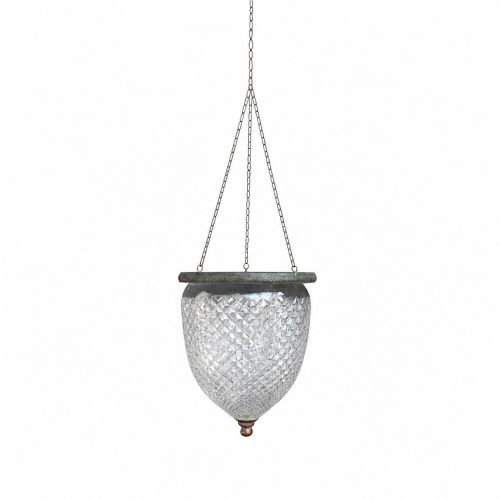
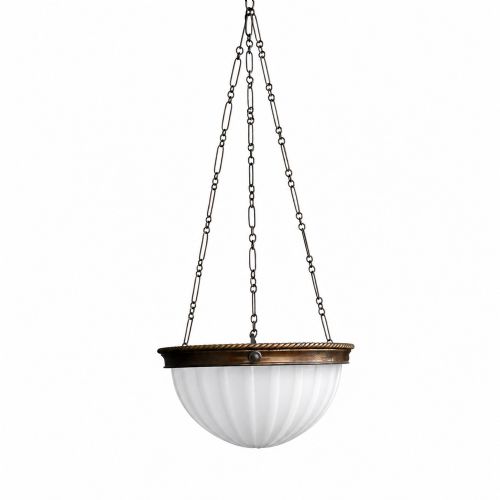
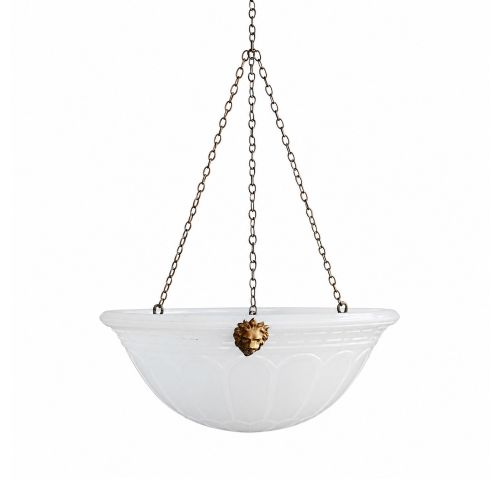
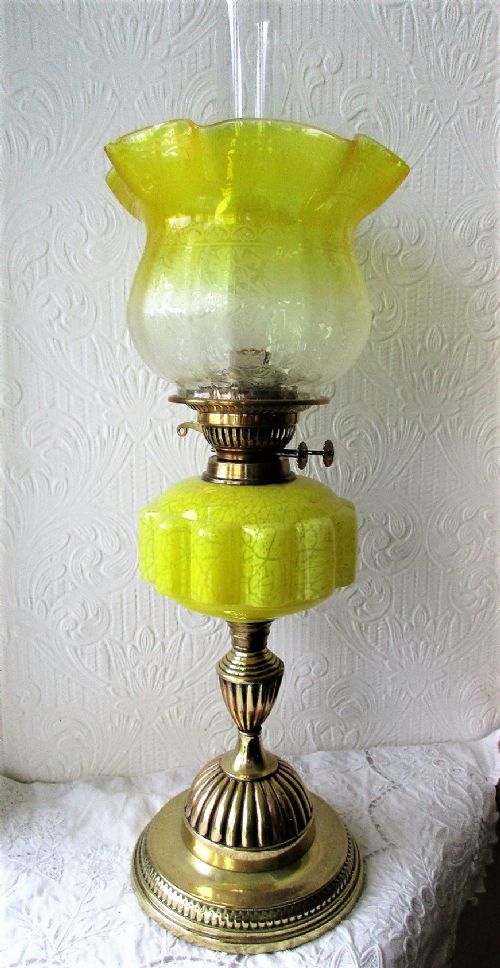
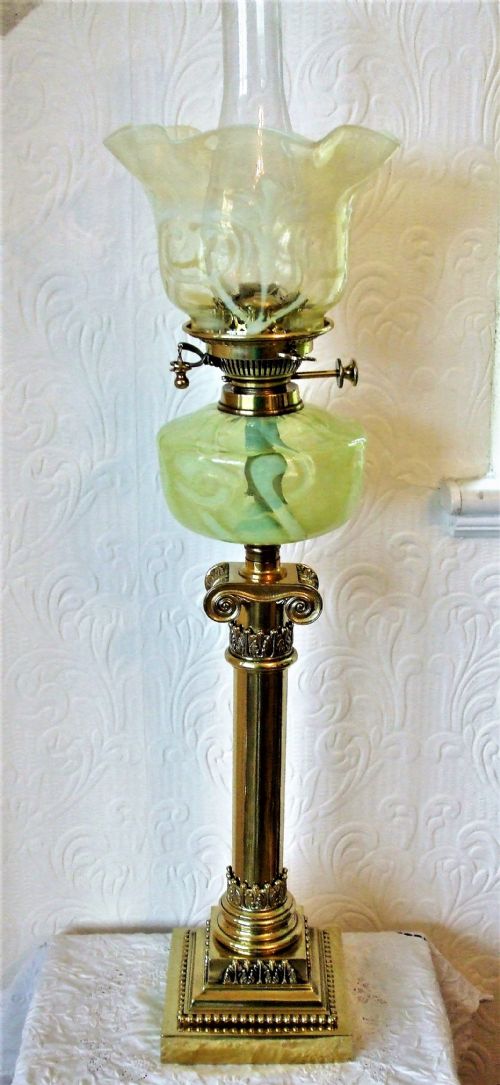
When you search for vintage english glass shade, you find lighting elements spanning the Victorian, Edwardian, and early twentieth-century periods. The selection on this page centres on ceiling lights, pendant lights, and oil lamps complete with their original glass fixtures.
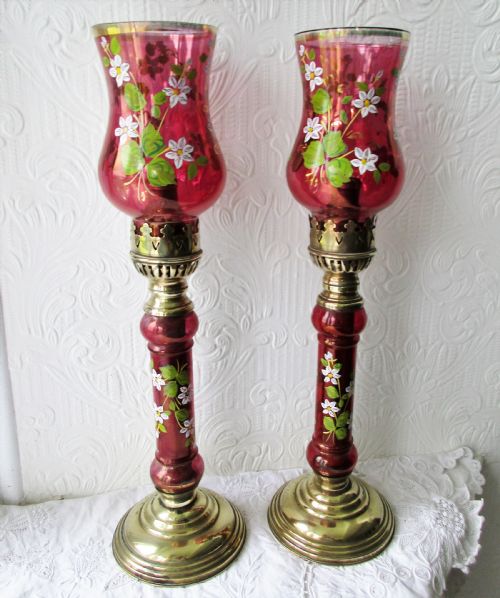
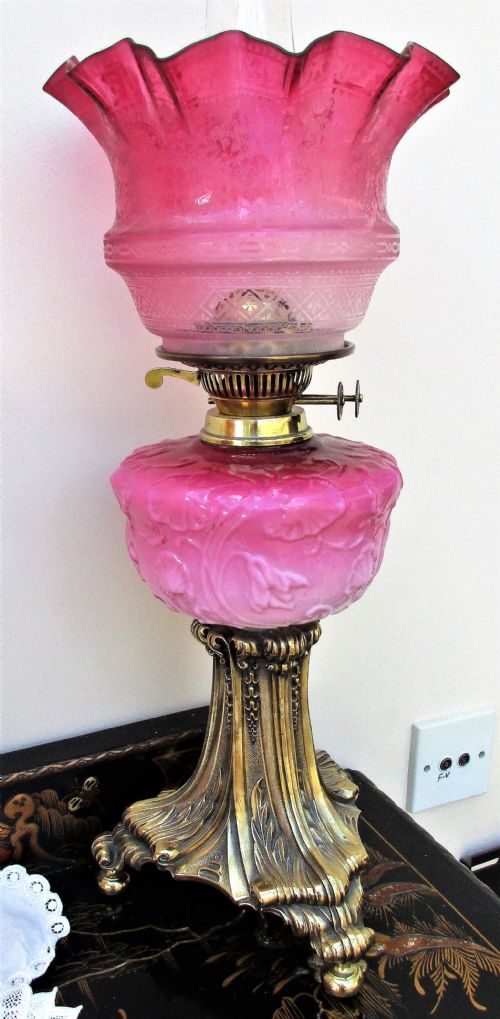
Most examples hail from the nineteenth and early twentieth centuries, showcasing forms ranging from small candle-lamps to large pharmacy pendants and brass oil lamps. These pieces represent functional domestic and commercial lighting of their respective eras.
How they were made
The makers utilised glass alongside brass fittings, shaping materials through cutting, moulding, and enamelling techniques. Pieces frequently feature specialised glass types such as cranberry, moonstone, opal, and opaline glass.
Cut glass elements provide faceted brilliance, whilst moonstone and opal varieties diffuse light with a characteristic milky softness. Brass components structure the oil lamps and pendant mounts, pairing metalwork directly with the glass shades.
Pharmacy pendants once illuminated old apothecary shelves, meaning your kitchen might now host lighting that once oversaw mysterious bottled potions.
What varies in quality
Quality rests in the depth of the glass cutting, the weight of the brass mountings, and the purity of special colourations like moonstone or cranberry. Superior pieces display crisp facet work and substantial metal casting.
Scale also distinguishes the range, moving from diminutive shades to huge pharmacy pendants. The integration between the glass shade and its original brass oil lamp or ceiling fitting determines the integrity of the piece.
The Vintage English Glass Shade Glossary
- Moonstone glass
- A semi-translucent, milky glass type that diffuses light evenly without harsh glare. It was widely utilised in Edwardian and early twentieth-century lighting.
- Plafonnier
- A ceiling-mounted bowl light that sits close to the surface. These fixtures often feature cut glass or patterned surfaces.
- Opaline glass
- An opaque or semi-opaque glass with a delicate pastel or white appearance. This material gained popularity during the Victorian era for decorative lamps.
- Cranberry glass
- A rich pinkish-red glass created by adding gold chloride to the molten batch. It appears frequently in nineteenth-century decorative lighting.
- Cut glass
- Glass decorated by grinding facets or patterns into the surface using a wheel. This technique enhances the sparkle and refraction of pendant lights.
Vintage English Glass Shade: Frequently Asked Questions
How do I hang a vintage shade?
Most pendant lights and shades require compatible brass or metal galleries to secure them safely to a ceiling cord. Electricians can easily wire these older fixtures to modern domestic standards.
Ensure the fitter size matches your chosen shade before installation to guarantee a secure and balanced hang.
What is moonstone glass?
Moonstone glass is a translucent, milky material designed to soften and diffuse light efficiently. It became especially popular during the Edwardian period.
This glass type creates a warm, even glow when illuminated from within by either oil or electricity.
How do I date a glass shade?
Dating relies on observing stylistic markers such as Victorian ornamentation, Edwardian cut patterns, or early twentieth-century minimalist forms. The combination of brass hardware and glass type usually points to a specific decade.
Comparing the manufacturing technique and weight against known period pieces provides a reliable guide to age.