





Edwardian Hand Mirror
An edwardian hand mirror offers a tactile piece of dressing table history, crafted with period charm to elevate daily routines.
Edwardian Hand Mirror
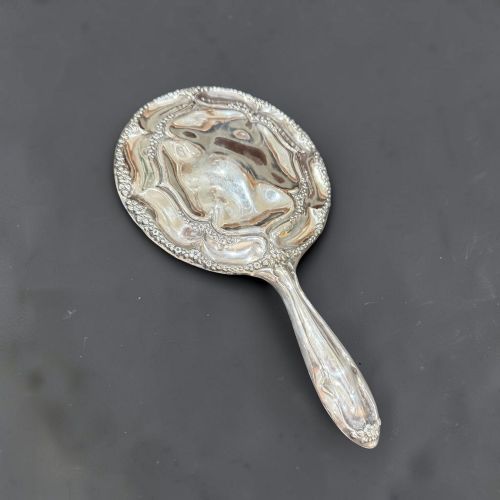
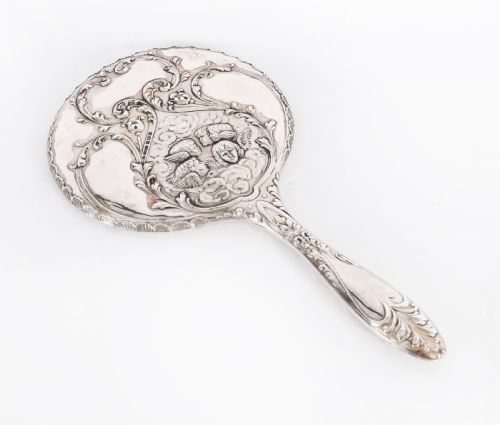
An edwardian hand mirror forms part of a traditional dressing table service, designed for personal grooming and close-up reflection. These pieces reflect the aesthetic preferences of the early twentieth century, incorporating decorative elements typical of the era.
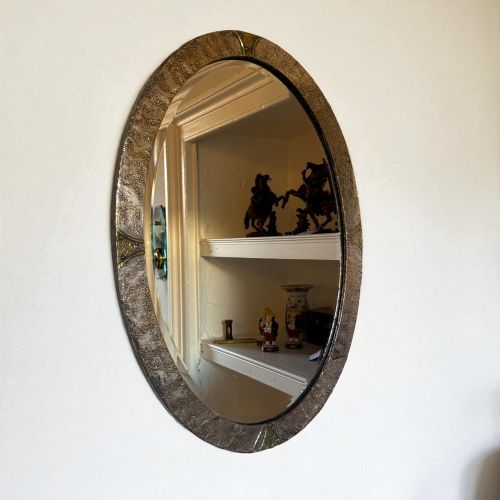
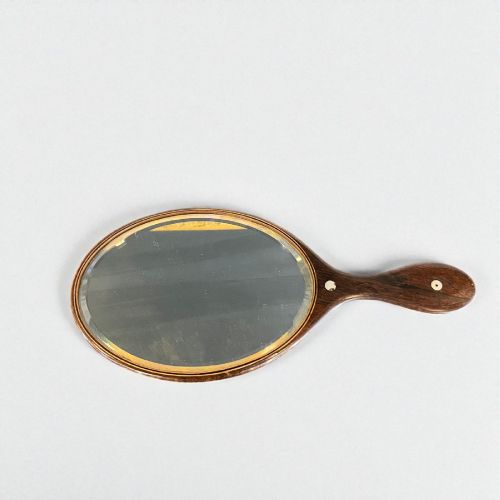
The selections on this page centre on handheld vanity accessories, alongside related wall mirrors and vanity sets from the same broad timeline. Materials span polished sterling silver, beaten copper, and rich woods such as rosewood.
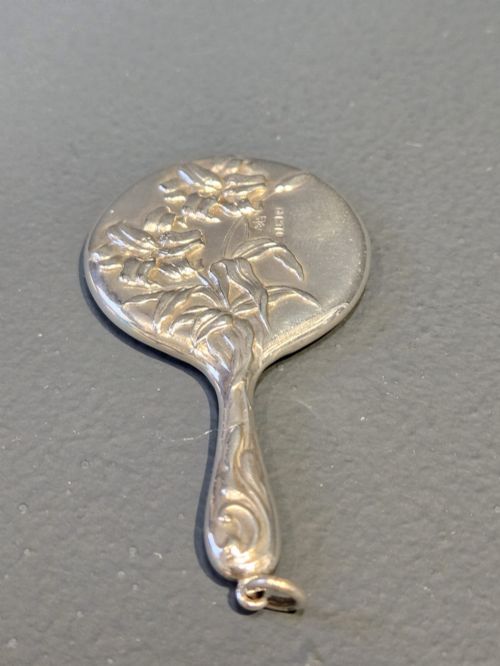
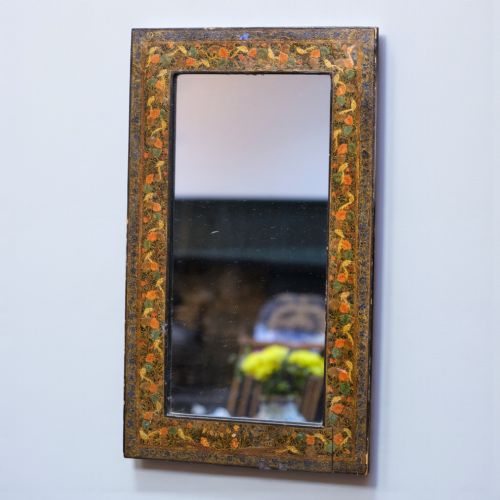
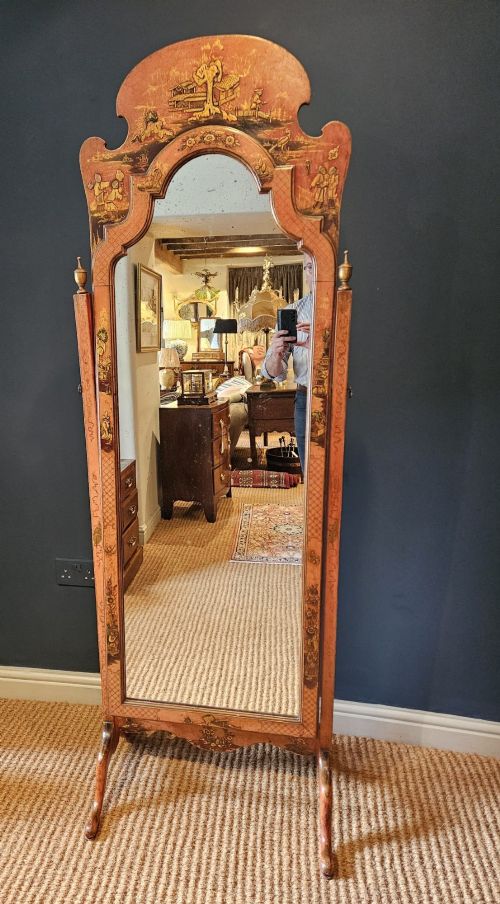
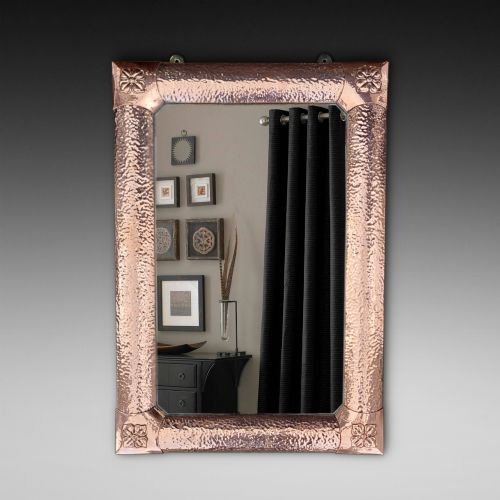
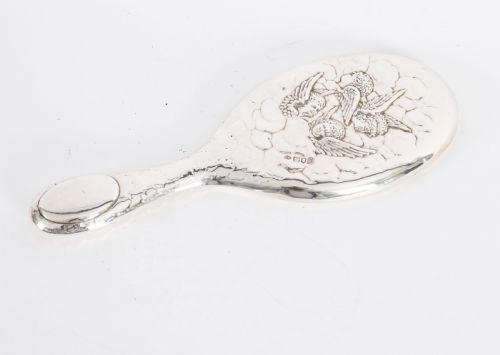
Makers of the period utilised distinct regional styles, ranging from embossed floral motifs to clean Arts and Crafts metalwork. Buyers encounter both sterling silver examples bearing Birmingham hallmarks and more rustic wooden or lacquered pieces.
Assessing quality and craftsmanship
Quality rests in the crispness of the metal embossing or the precision of the woodwork, where finer pieces display hand-tooled depth rather than pressed shallow patterns. Maker marks and clear hallmarks also distinguish mass-produced items from workshop pieces.
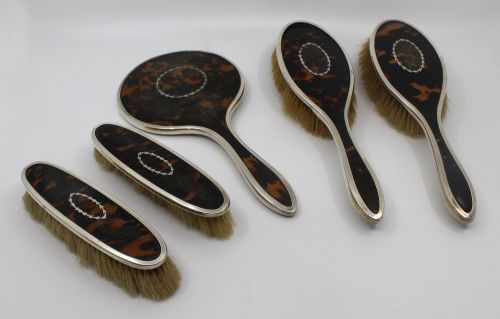
The clarity and bevelling of the glass plate indicate the standard of production, alongside the structural integrity of the handle attachment. Heavier gauge metals and genuine tortoiseshell or mother of pearl inlay separate standard items from superior examples.
Edwardian Hand Mirror Retail Price Guide 2026
Typical asking prices for edwardian hand mirror among the pieces listed under this phrase on Sellingantiques today, from the lower quarter to the upper quarter. They describe what is for sale here now, not the wider market.
Listings span the Edwardian period alongside Arts and Crafts and Art Deco pieces, using sterling silver, copper, brass, and rosewood.
Charles Boyton·S Blanckensee & Son
The Edwardian Hand Mirror Glossary
- Sterling silver
- A silver alloy containing 92.5 percent pure silver by mass, frequently utilised in Edwardian vanity items and marked with assay office stamps.
- Repoussé
- A metalworking technique where the metal is hammered from the reverse side to create a raised design on the front.
- Arts and Crafts
- A design movement of the late nineteenth and early twentieth centuries emphasising handcraftsmanship and traditional materials.
- Bevelled glass
- A mirror plate with edges cut and polished at an angle to create a framed optical effect.
Edwardian Hand Mirror: Frequently Asked Questions
What defines an edwardian hand mirror?
An edwardian hand mirror is a handheld looking glass produced during the reign of Edward VII or the wider early twentieth century. These objects typically feature sterling silver frames, beaten copper, or polished wood.
They served as functional items for the dressing table and often formed part of matching vanity sets with brushes and combs.
How do I clean a silver hand mirror?
Cleaning requires a soft microfibre cloth and a specialist silver polish, applied gently to avoid the mirror glass. Care must be taken around cemented handles to prevent moisture seeping inside the frame.
Regular light dusting preserves the metal finish without stripping the natural patina built up over decades.
Were these mirrors made by hand?
Many examples display hand-hammered copper or embossed silver work executed by skilled silversmiths and metalworkers. Workshops utilised traditional hand tools to shape and decorate the metal frames.
Some simpler pieces incorporated machine stamping, while others combined handmade metal mounts with turned wooden handles.
How can I date an edwardian hand mirror?
Dating relies on hallmarks stamped into the silver frame, which indicate the assay office, standard mark, and date letter for the specific year. Birmingham and London were common assay locations during this period.
Stylistic markers such as Art Nouveau curves or Arts and Crafts hammering also help establish the decade of production.