

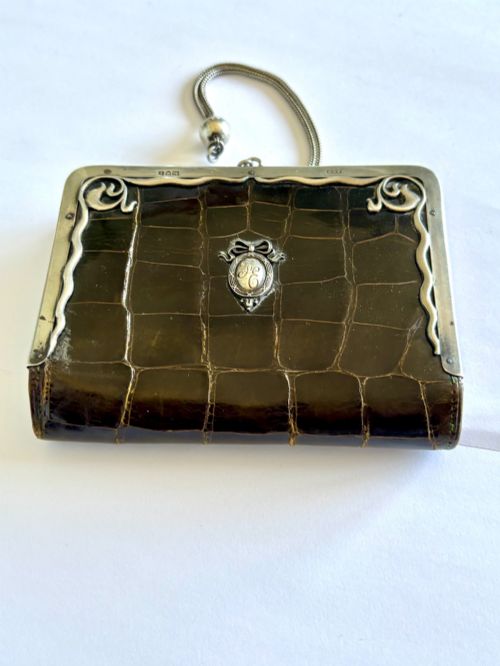
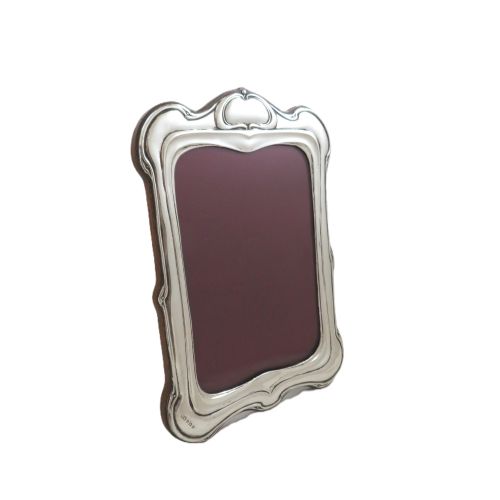
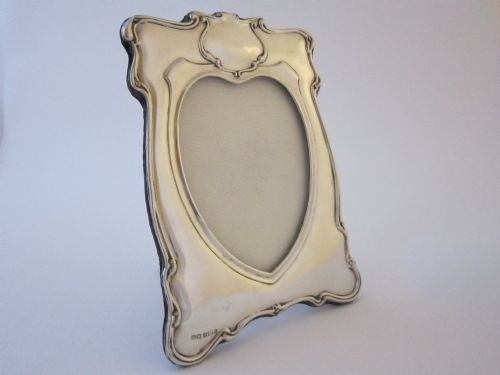
Edwardian Hallmarked Silver Frame
These edwardian hallmarked silver frame examples combine precious metal with functional display, offering collectors a tangible link to early twentieth-century craftsmanship.
Edwardian Hallmarked Silver Frame
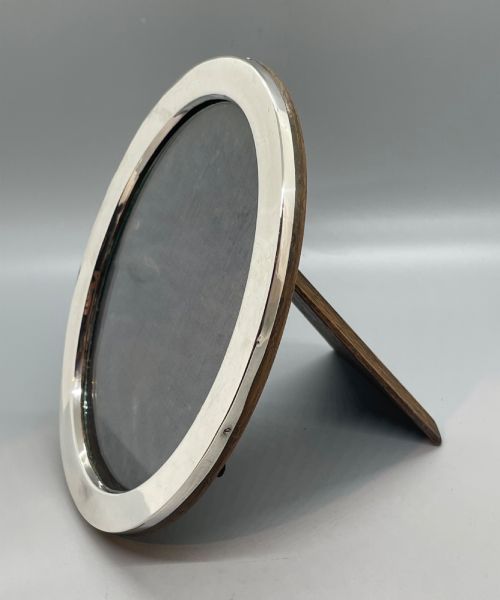
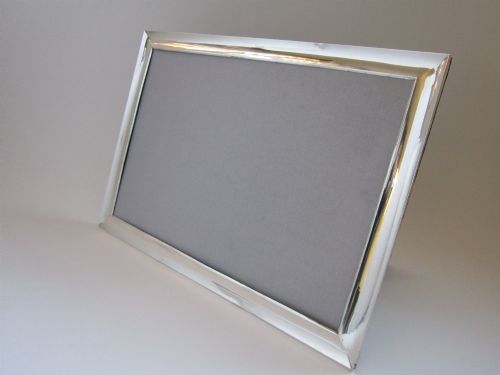
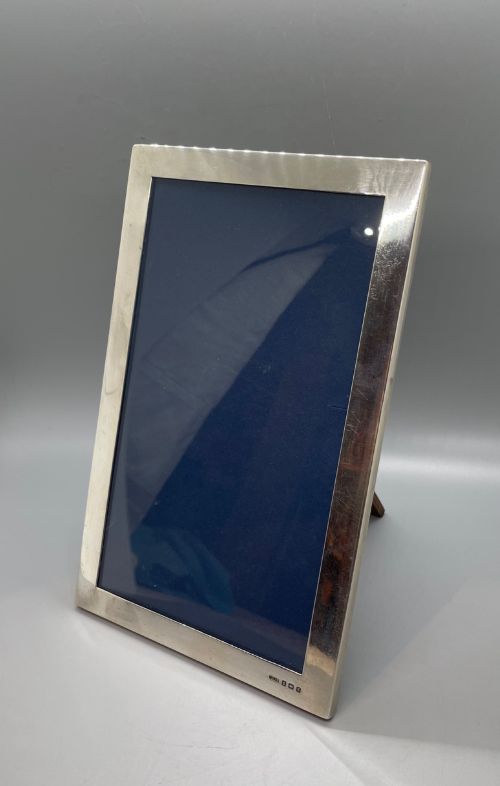
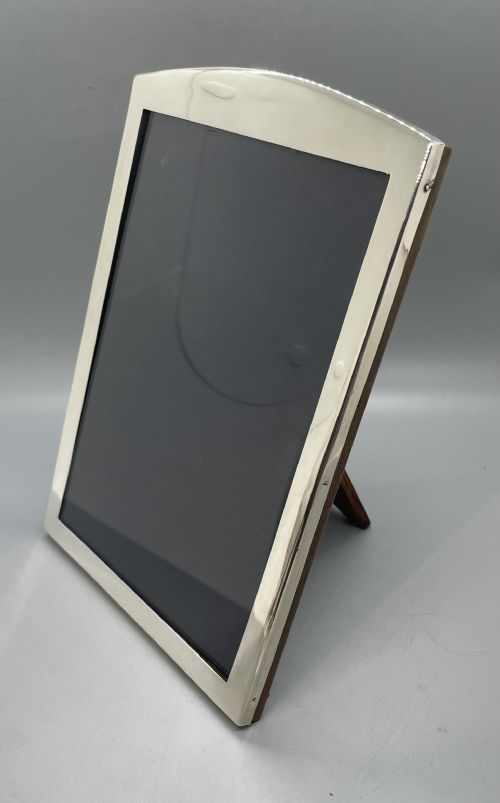
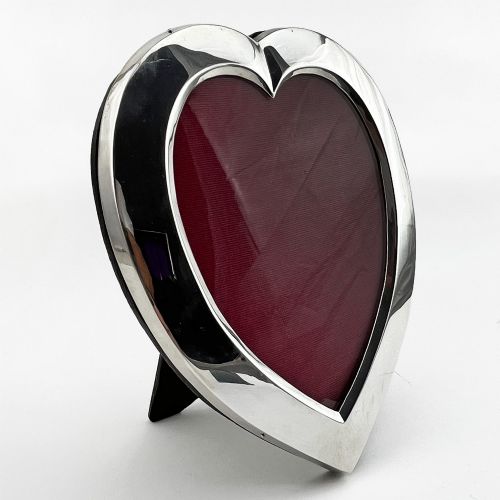
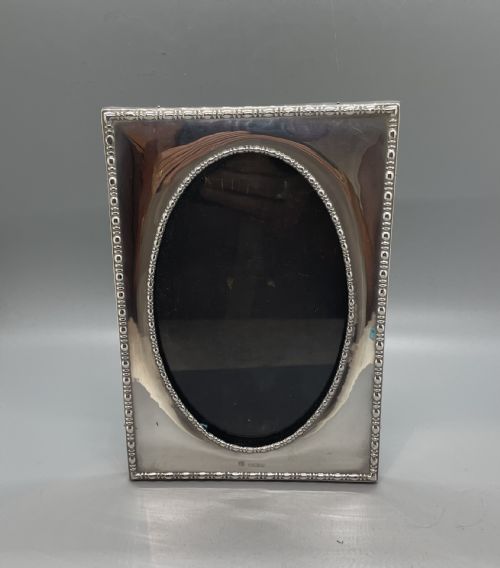
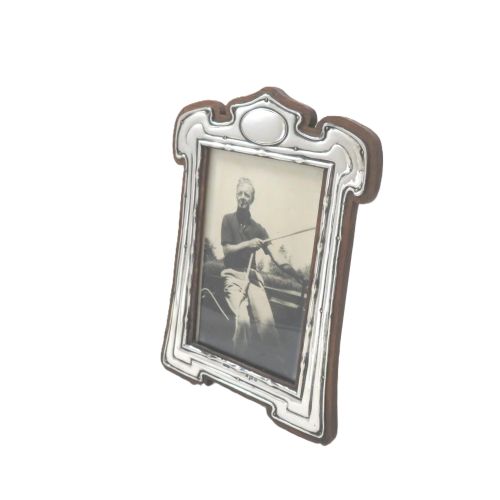
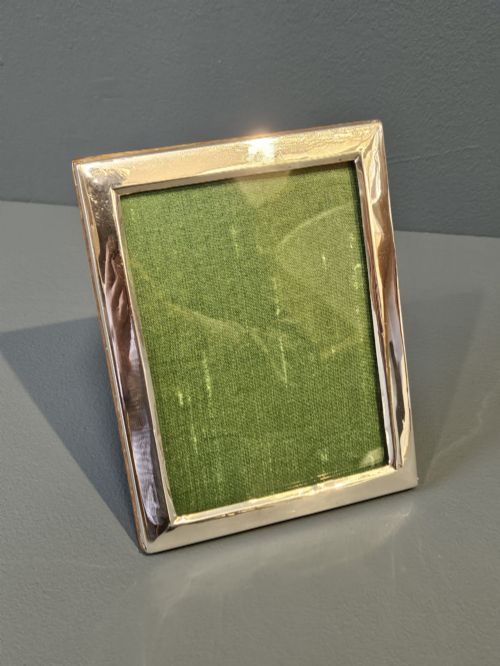
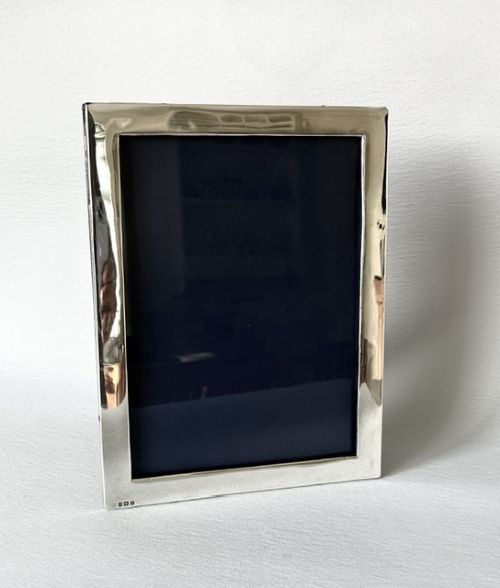
An edwardian hallmarked silver frame serves primarily to display cherished portraits and landscape photographs, taking forms that range from simple rectangular shapes to heart and oval outlines. Most pieces encountered on this page date from the Edwardian period and the surrounding decades, manufactured in assay offices such as Birmingham and Sheffield.
Makers stamp these pieces with official hallmarks to verify the standard of the metal, providing a clear record of origin and date. Alongside sterling silver fronts, these items commonly integrate supportive structural elements behind the glass display window.
Materials and Technique
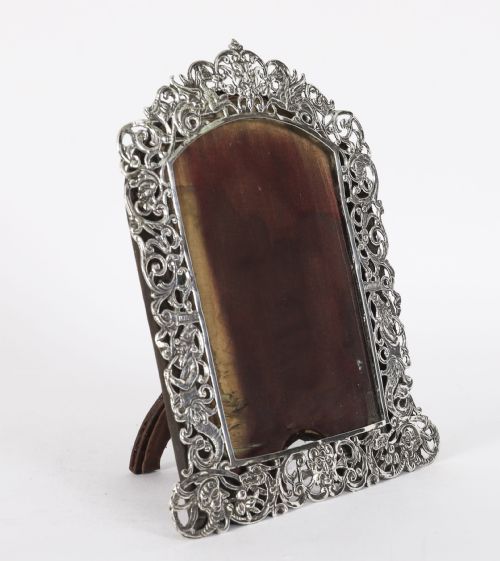
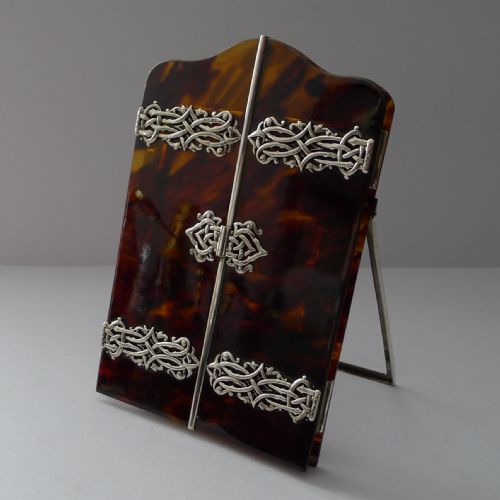
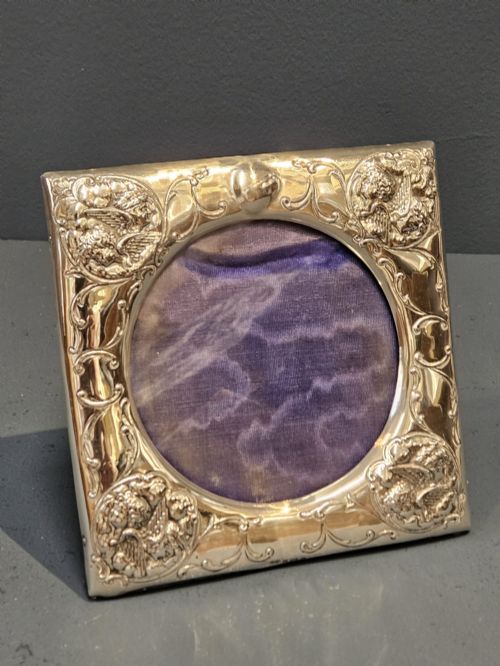
Silversmiths utilised sterling silver sheet metal, shaping the precious material through stamping, embossing, and hand-chasing to produce detailed borders such as Art Nouveau whiplash lines and floral reliefs. The metalwork is mounted onto robust internal wooden carcasses, often constructed from oak or exotic hardwoods, which provide structural rigidity to the upright display.
Backing and support systems rely on organic materials including leather, velvet, and fabric to secure the glass pane and the photograph safely inside. Metal struts and hinges attach firmly to the reverse, allowing the frame to stand securely in portrait or landscape orientation.
One persistent silversmith managed to squeeze cherubic angelic faces into the corners of an otherwise stern Edwardian portrait frame.
Markers of Distinction
The distinction between standard production and superior craftsmanship rests on the depth and clarity of the embossed decoration, alongside the crispness of the stamped assay hallmarks. Heavy-gauge sterling silver fronts maintain their structural integrity better over time, resisting dents and distortion along vulnerable decorative edges.
The choice of backing materials and the complexity of the internal wooden frame contribute significantly to the overall build quality. Exemplary pieces display careful hand-finishing by recognised makers, retaining original fabric linings and functional easel backs without replacement parts.
Rosenthal, Jacob and Co·William Comyns·John Collard Vickery·Mappin Bros·W I Broadway and Co·Henry Matthews
The Edwardian Hallmarked Silver Frame Glossary
- Hallmark
- An official stamp applied to precious metals indicating the standard of purity, the assay office of origin, and the date letter. These marks are essential for verifying the authenticity and age of antique silver objects.
- Assay Office
- An official organisation responsible for testing the purity of precious metal items and stamping them with statutory hallmarks. Towns such as Birmingham, Sheffield, and Chester operated prominent offices during the periods represented here.
- Sterling Silver
- An alloy consisting of ninety-two point five percent silver by mass, with the remainder comprising other metals, usually copper. This standard represents the primary material used for the manufacture of these frames.
- Art Nouveau
- A stylistic movement characterised by organic forms, sinuous plant stems, and flowing asymmetrical lines. This aesthetic frequently appears on the embossed silver borders of early twentieth-century picture frames.
- Easel Back
- A hinged support strut attached to the reverse of a frame, allowing it to stand upright on a desk or table. These supports are typically covered in leather, velvet, or fabric.
Edwardian Hallmarked Silver Frame: Frequently Asked Questions
How do I clean an antique silver frame?
Use a soft microfiber cloth designed for precious metals to gently remove accumulated tarnish from the embossed surfaces. Avoid harsh chemical dips, as these can strip the original patination and damage the delicate fabric or leather components on the reverse.
Take care around assay hallmarks and inset decorative elements when polishing. Regular, gentle dusting preserves the surface detail far better than aggressive cleaning.
Were these frames meant for travel or display?
Most surviving examples were created for stationary domestic display on mantelpieces, desks, or dressing tables. Their weighted construction and integrated easel backs provided stable support in private rooms.
Smaller variants and specialised pieces, such as pocket watch holders, accommodated personal items during transit. However, the delicate embossed silver fronts required careful handling even in domestic settings.
How can I date an unmarked silver frame?
Dating relies primarily on the style of ornamentation, the form of the object, and the materials used for the backing and internal structure. Art Nouveau motifs and specific floral borders often align with the early nineteen hundreds.
Comparing the physical construction methods with hallmarked pieces from known workshops provides a reliable baseline. Without official assay marks, dating remains an informed estimate based on stylistic evidence.
What materials support the silver fronts?
The thin sheet of sterling silver forms only the decorative front and border of the object, requiring internal support to maintain its shape. Oak and other hardwoods commonly serve as the foundational core beneath the metal.
Leather, velvet, and fabric finish the reverse side, enclosing the glass pane and the photograph securely. These organic materials often show age-related wear that corresponds to the era of manufacture.