

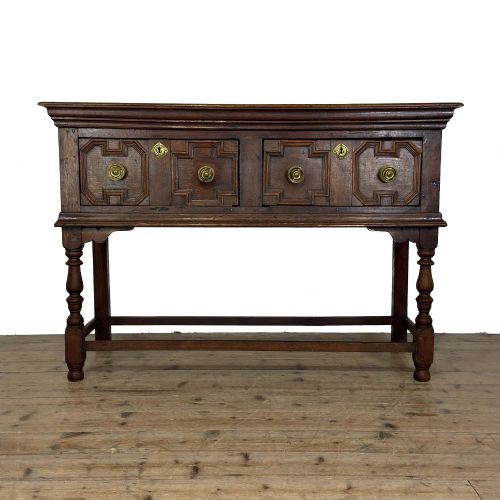
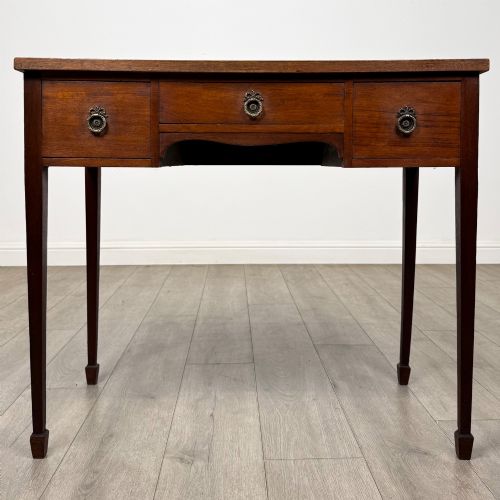
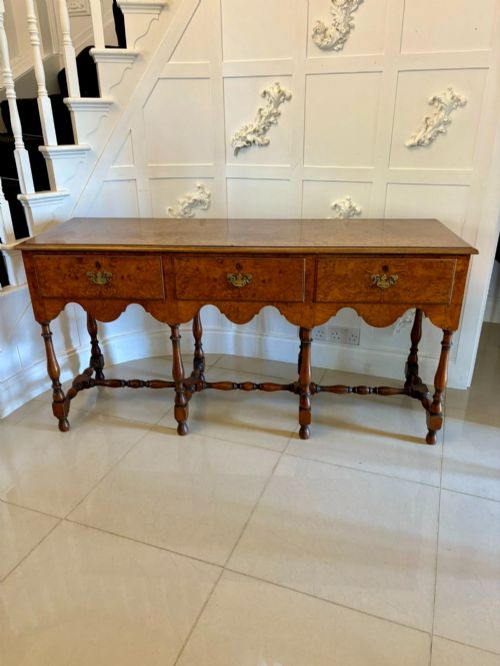
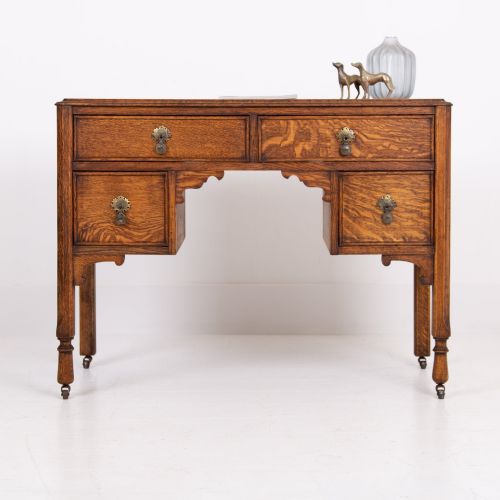
Edwardian Hall Table Drawer
An edwardian hall table drawer provides a practical surface and discreet storage for letters and keys in a narrow entrance space.
Edwardian Hall Table Drawer
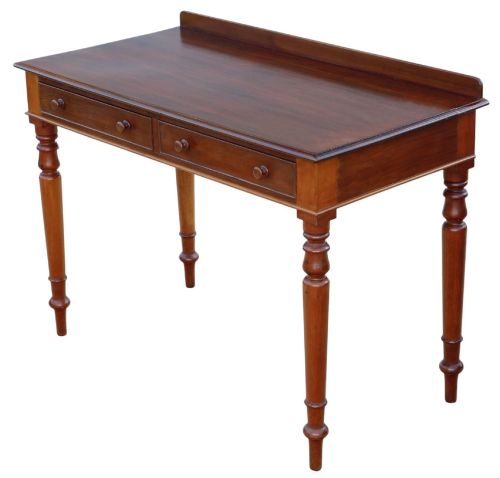
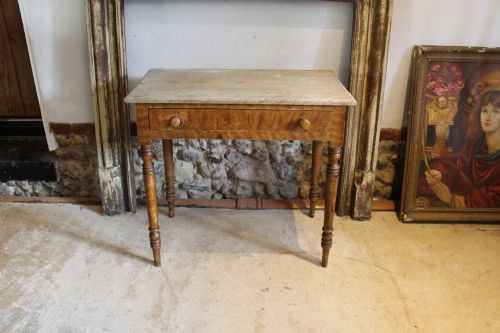
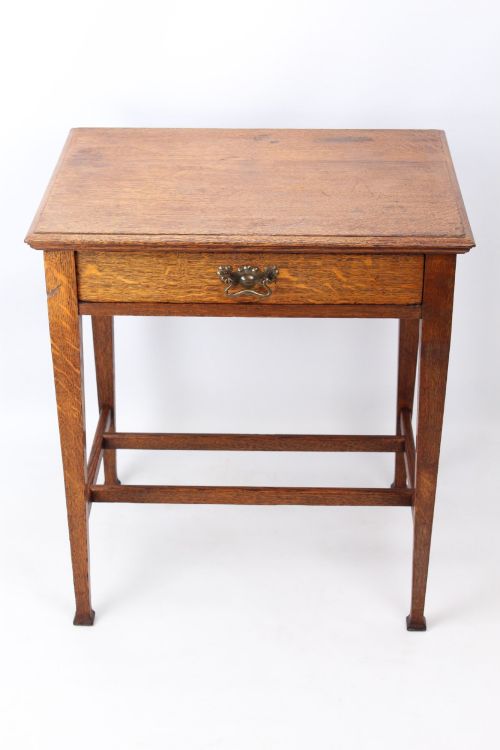
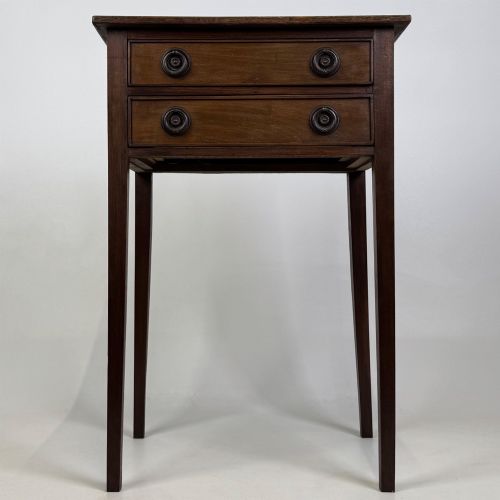
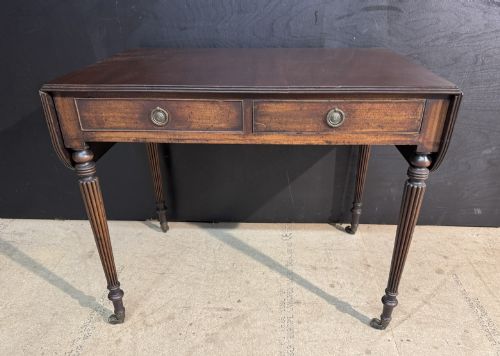
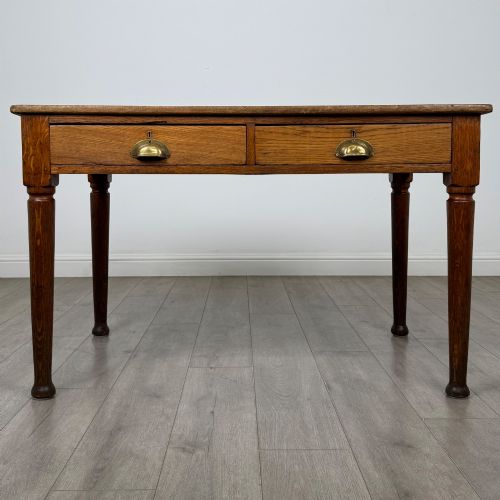
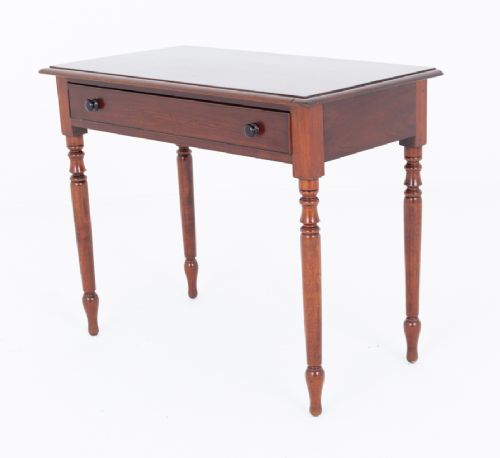
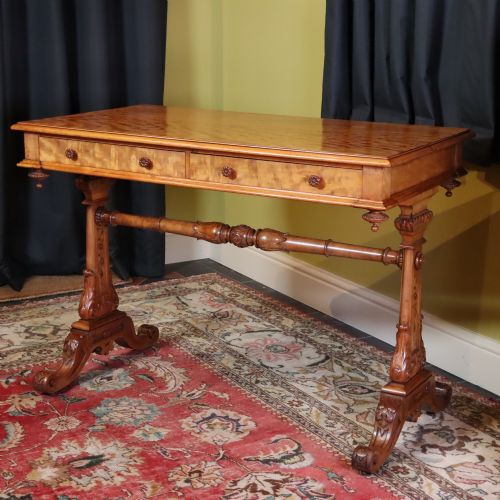
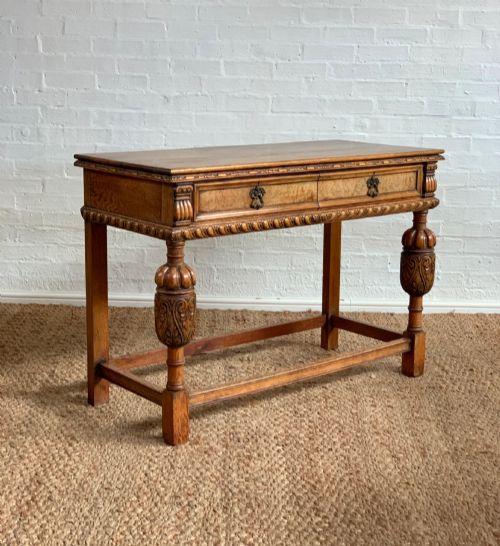
When you search for an edwardian hall table drawer, you encounter compact furnishings designed specifically for entranceways and narrow corridors. These pieces combine a functional tabletop surface with one or more fitted drawers for everyday correspondence and small items.
The Edwardian examples on this page typically feature slender proportions and straightforward profiles suited to smaller spaces. Alongside these, you meet Victorian and later pieces spanning the nineteenth and twentieth centuries that share a similar form and purpose.
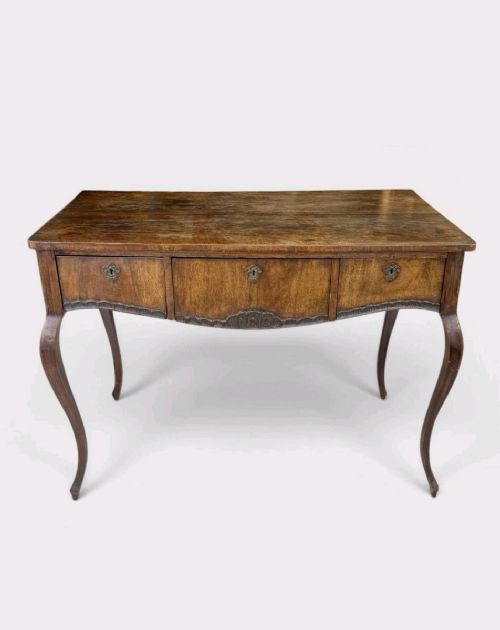
Makers and workshops of the period produced these tables in various configurations, including console formats and serpentine fronts. Mahogany and oak dominate the selection, often complemented by walnut and satinwood details.
Materials and Construction
Cabinet makers utilised solid timber and reliable veneers, relying principally on mahogany and oak for structural stability. Walnut and satinwood appear as decorative surfaces, adding subtle grain patterns to the topboards and drawer fascias.
Joinery techniques included traditional drawer construction with fitted runners to ensure smooth operation over decades of daily use. Brass handles and pulls provide the functional hardware, secured firmly to the single or twin front drawers.
Some hall tables hide secret felt-lined compartments inside the drawer for storing visiting cards out of sight.
Quality and Distinction
The standard of a piece rests upon the selection of timber and the precision of the cabinet work. Superior examples display carefully matched wood grains on the drawer fronts and solid timber framing that remains rigid.
Refinement in the carving, the crispness of the spade feet, and the original quality of the brass fittings separate standard utility items from finer domestic furnishings. Integration of the drawer within the frieze without excessive gaps indicates careful initial manufacture.
Heal and Son·Gillows·Beresford and Hicks·Hubert Simpson of Kendal·Druce and Co
The Edwardian Hall Table Drawer Glossary
- Frieze
- The horizontal band situated directly beneath the tabletop. This is the structural member that usually houses the single or double drawer.
- Serpentine
- A curved front edge featuring a central recess flanked by outward sweeps. It requires skilled carpentry to shape the timber accurately.
- Demi lune
- A half-moon shape used for console tables designed to sit flush against a wall. This format saves floor space in narrower hallways.
- Satinwood
- A durable hardwood with a natural golden lustre often used for decorative banding and inlay work. It contrasts sharply with darker timbers like mahogany.
Edwardian Hall Table Drawer: Frequently Asked Questions
What is an edwardian hall table drawer used for?
These tables provide a convenient surface in narrow hallways for placing keys, post, and small decorative items. The integrated drawer offers hidden storage to keep the entrance tidy.
Historically, they served as a station for greeting visitors and depositing calling cards before entering the main rooms of the house.
How do I spot an Edwardian hall table?
Edwardian pieces generally exhibit lighter proportions and simpler lines than their heavier Victorian predecessors. They often incorporate satinwood inlay, brass drop handles, and tapered legs.
Examining the secondary timbers inside the drawer can also help confirm the period of manufacture.
Will these tables fit in a small hallway?
Most hall tables from this era were built with shallow depths specifically for narrow corridors and tight entrance spaces. Console and demi-lune variants sit particularly close against the wall.
Checking the exact depth dimensions in the listing ensures the piece will not obstruct the passage of doors or people.
How do I care for antique wood surfaces?
Maintenance requires regular dusting with a soft, dry cloth and occasional application of appropriate beeswax to nourish the timber. Avoiding direct sunlight prevents the polish and wood from fading unevenly.
Keeping the table away from direct heat sources stops the solid wood and veneers from drying out and splitting.