
Edwardian Gold Jewelry
When choosing edwardian gold jewellery, collectors encounter delicate rings, pendants, and brooches that reflect the refined tastes of the early twentieth century.
Edwardian Gold Jewelry
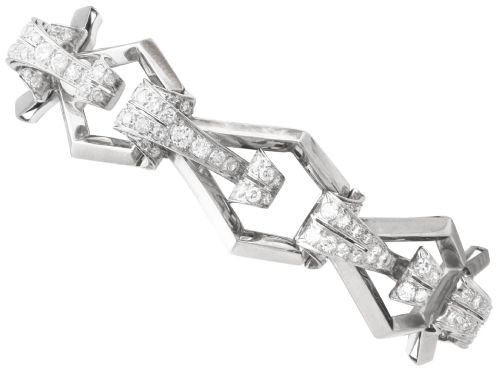
When searching for edwardian gold jewellery, buyers typically discover wearable ornaments such as rings, pendants, bracelets, earrings, necklaces, and brooches spanning the late nineteenth century through the early twentieth century. The selections available on this page encompass distinct stylistic movements including Art Nouveau, Art Deco, and Belle Epoque alongside traditional Edwardian craftsmanship.
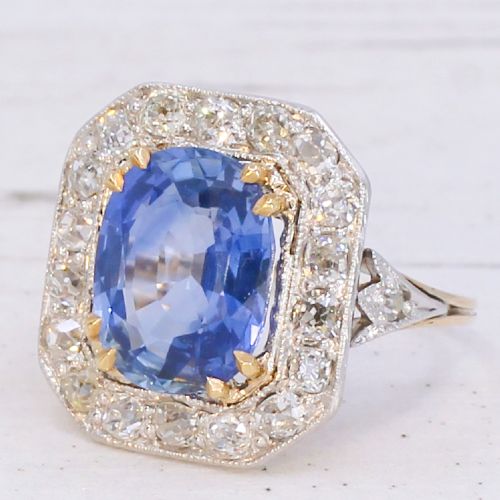
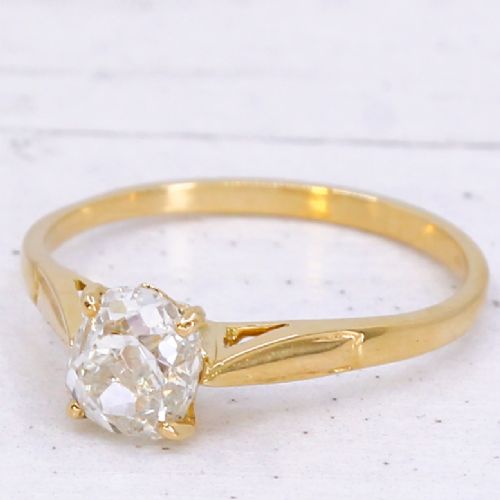
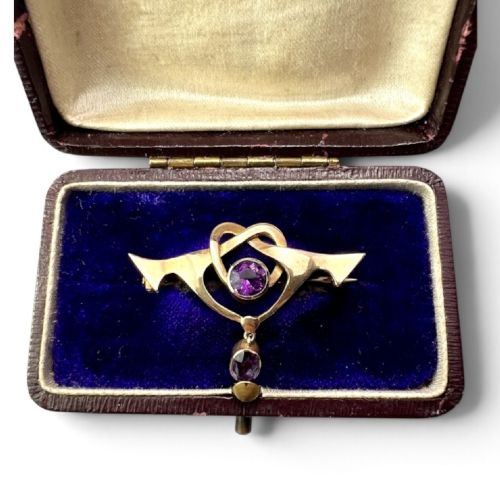
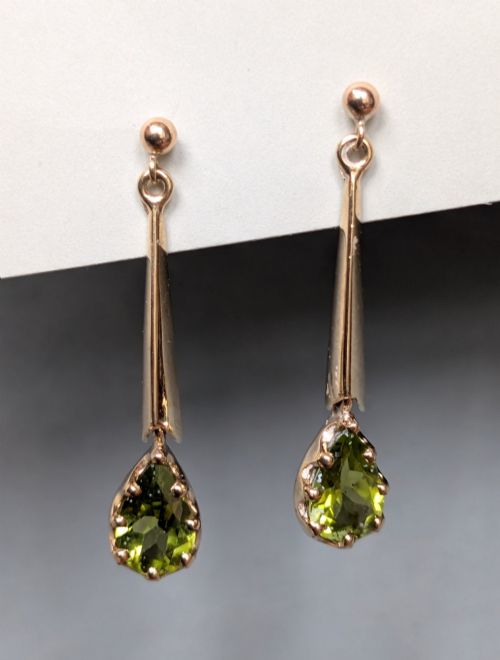
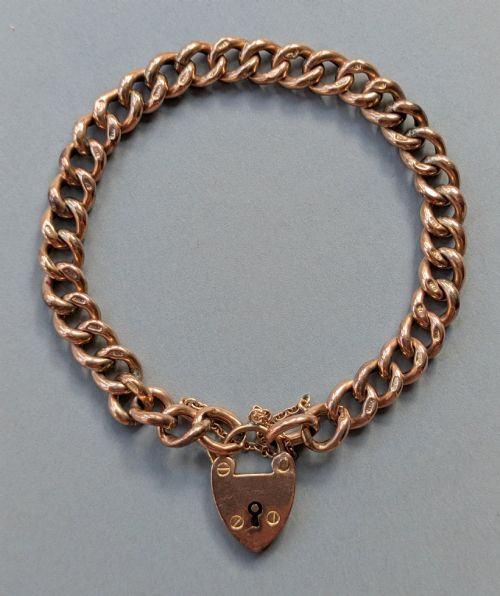
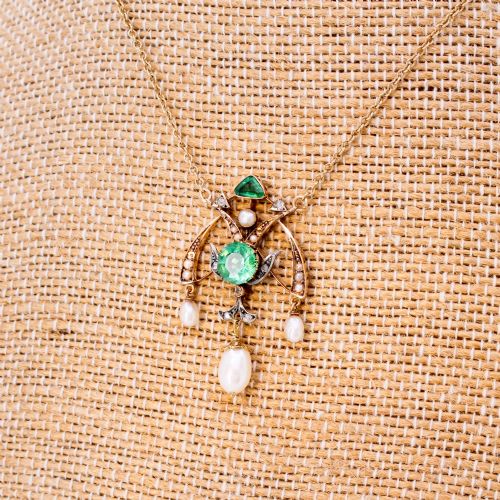
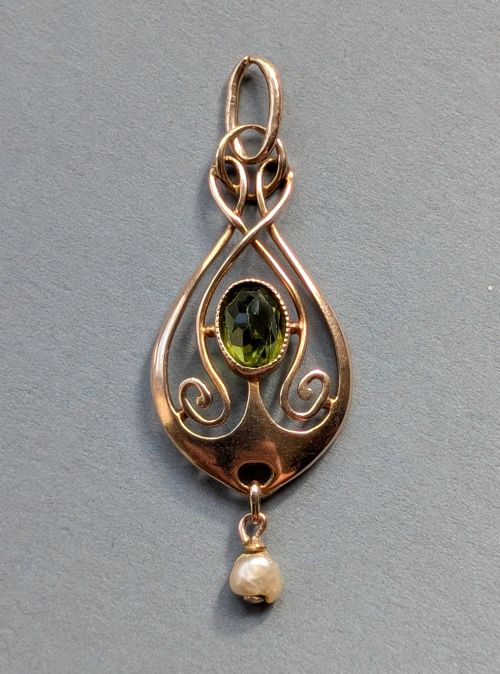
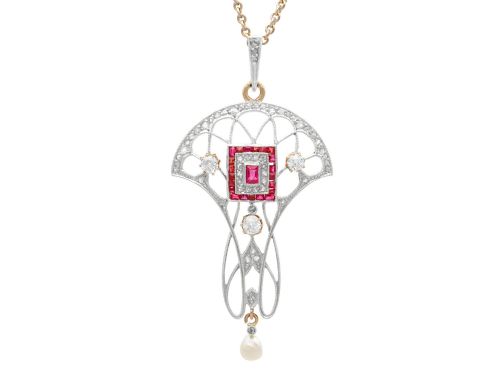
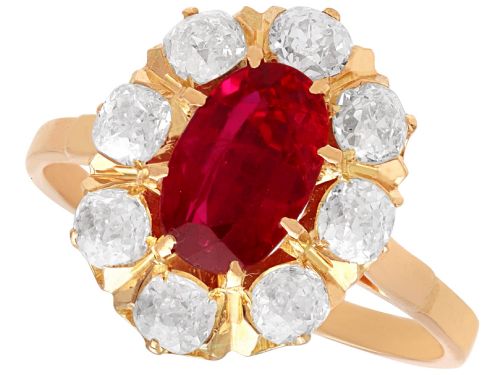
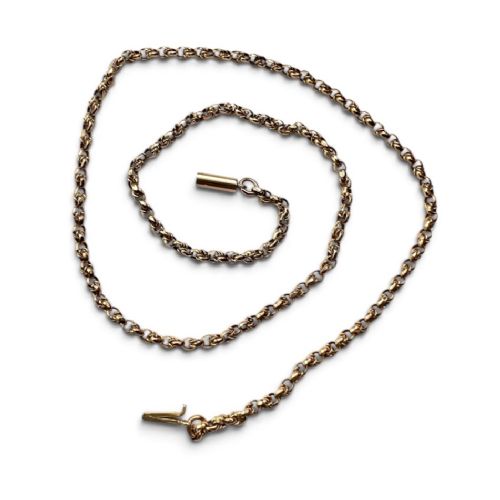
Makers and workshops of the era produced items that range from simple 9ct rose gold curb chains with padlocks to elaborate diamond and sapphire cluster rings. Pieces often incorporate natural pearls, amethysts, peridots, and rubies set within varied carats of gold, alongside platinum mountings that emerged during the period.
Materials and Techniques
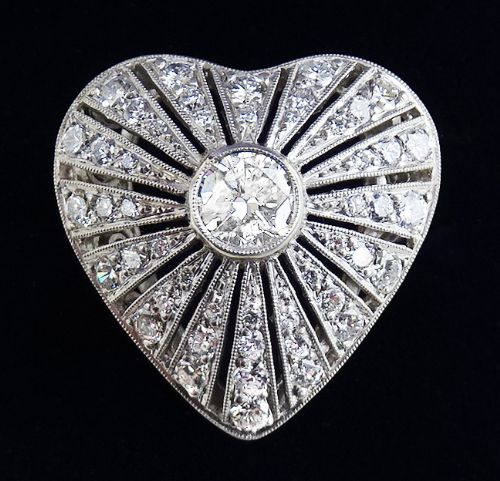
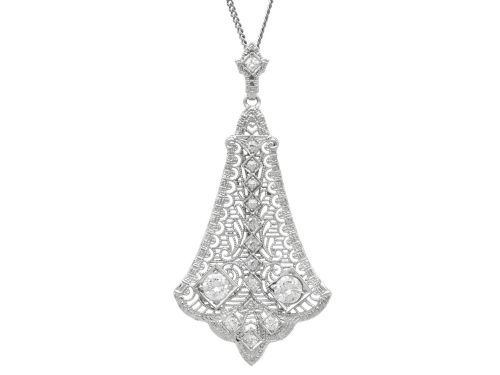
Metals such as 9ct, 14ct, 15ct, 18ct gold, and platinum provide the structural foundation for these ornaments, frequently paired with white gold or rose gold variants. Openwork floral designs and delicate filigree demonstrate the intricate metalworking techniques characteristic of workshops operating around the 1900s.
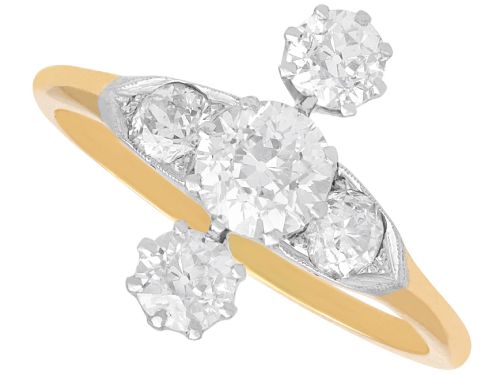
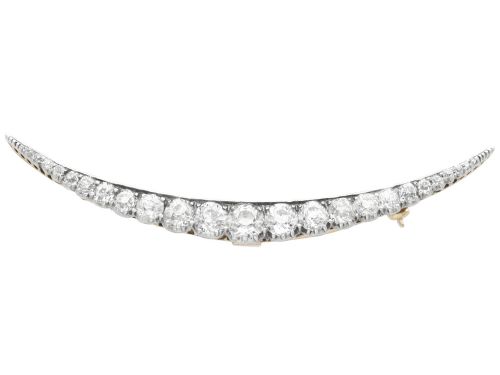
Gemstone selection defines much of the production, with old-cut diamonds, natural pearls, sapphires, amethysts, and peridots secured in collet or cluster settings. Enamel work and spinning fobs also appear, showcasing the diverse bench skills applied by period artisans.
Listings feature 9ct, 15ct, and 18ct gold alongside platinum, incorporating diamonds, sapphires, amethysts, peridots, and natural pearls across multiple decades.
Craftsmanship and Proportion
Superior examples demonstrate meticulous stone matching, particularly in cluster rings and fringe necklaces where graduated gems require precise grading of colour and cut. The delicacy of openwork frames and the security of integrated settings distinguish finer items from standard commercial output.
The weight and gauge of the gold, alongside the crispness of millegrain edging and hand-engraved details, separate standard production from exceptional studio output. Preservation of original components, such as swivels, padlocks, and dog clips, further influences the standing of individual items.
Deakin and Francis·Murrle Bennett
The Edwardian Gold Jewelry Glossary
- Old Cut
- A diamond cutting style typical of the period, featuring a smaller table, higher crown, and open culet that produce a softer candlelit luminescence.
- Millegrain
- A decorative technique involving a row of tiny raised metal beads along the edges of a setting, adding texture and a refined border.
- Peridot
- A lime-green gemstone frequently utilised in Edwardian pendants and earrings, often paired with seed pearls and yellow gold.
- Fob
- A short chain or ornament attached to a pocket watch, which evolved into wearable spinning pendants featuring bloodstone or carnelian.
- Openwork
- A metalworking method where portions of the background are pierced and removed to create lace-like patterns within brooches and drops.
Edwardian Gold Jewelry: Frequently Asked Questions
What defines edwardian gold jewelry?
This category encompasses personal ornaments produced during the early twentieth century, characterised by lighter metalwork, platinum integration, and delicate gemstone settings.
Items frequently display floral motifs, openwork frames, and distinctive stones such as peridots, amethysts, and old-cut diamonds.
How do I care for these pieces?
Cleaning requires gentle methods suitable for antique settings, avoiding harsh ultrasonic cleaners that might dislodge natural pearls or fragile gems.
Store items individually in soft pouches to prevent abrasion between platinum, gold, and softer coloured stones.
How are periods identified?
Distinguishing between Victorian, Edwardian, and Art Deco items involves examining the metal choices, such as the emergence of platinum alongside yellow and rose gold.
Stylistic cues like flowing Art Nouveau lines or geometric Art Deco symmetry also help date individual rings, pendants, and brooches.
Were these items worn daily?
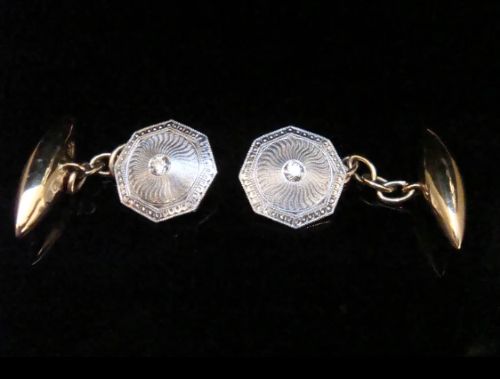
Many pieces served functional daily roles as watch chains, charm pendants, cufflinks, or everyday dress rings.
Bracelets and lockets were designed for regular personal wear, incorporating secure clasps like dog clips and padlocks.