

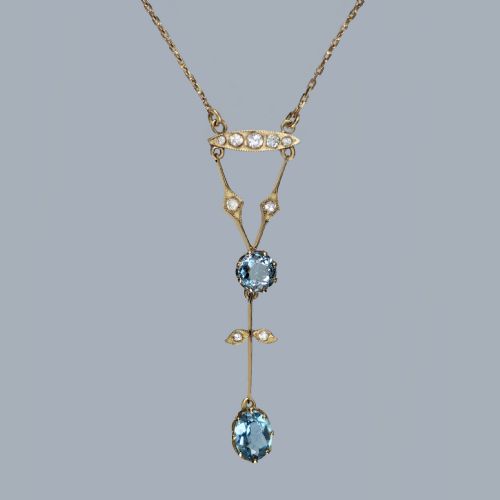


Edwardian Gold Jewellery 1910
When you search for edwardian gold jewellery 1910, you are looking at rings, necklaces, and brooches that capture the delicate artistry of the early twentieth century.
Edwardian Gold Jewellery 1910
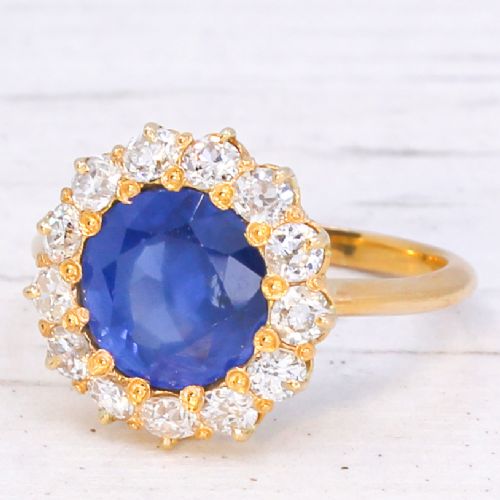
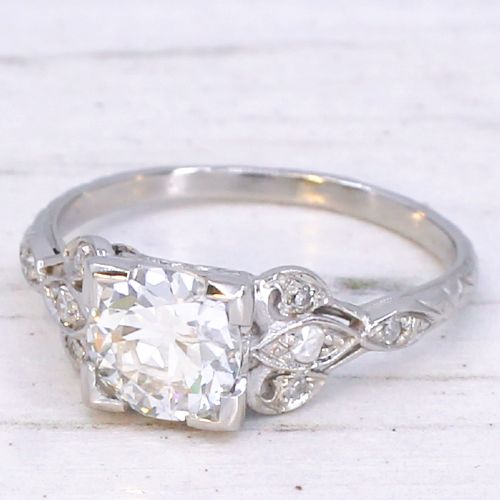
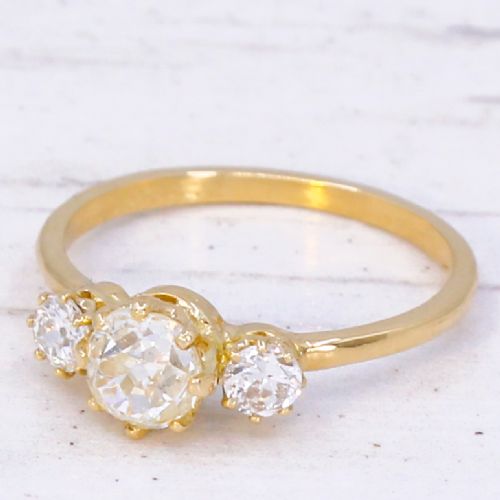
Edwardian gold jewellery 1910 encompasses rings, necklaces, pendants, bracelets, and earrings shaped by the prevailing Edwardian and Art Nouveau aesthetics of the period. Pieces frequently combine high-carat yellow gold, rose gold, and platinum settings to showcase precious and semi-precious stones.
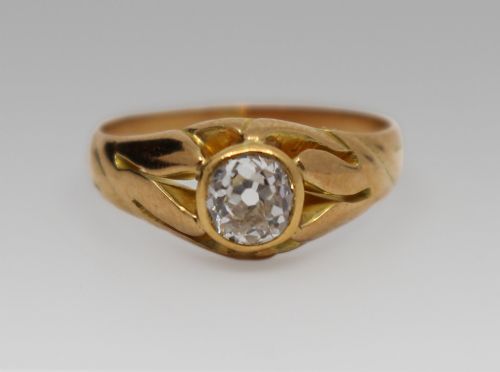
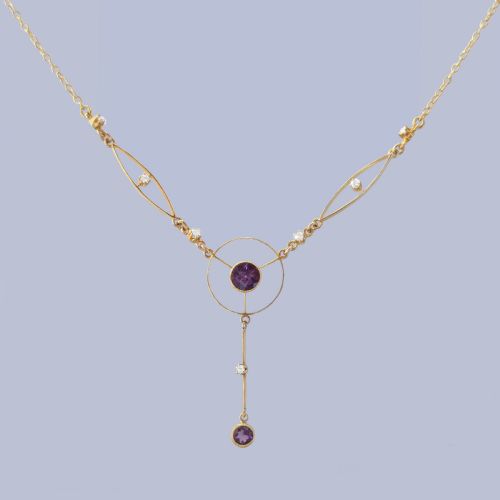
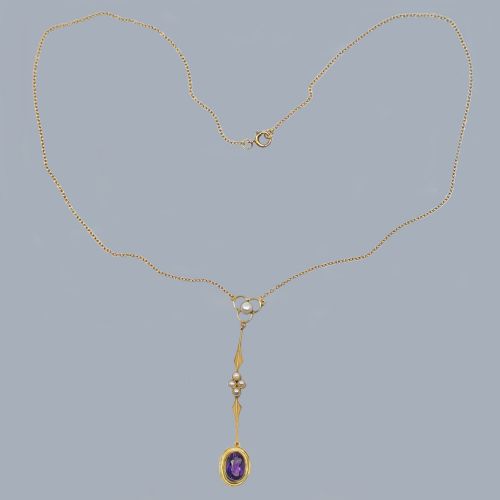
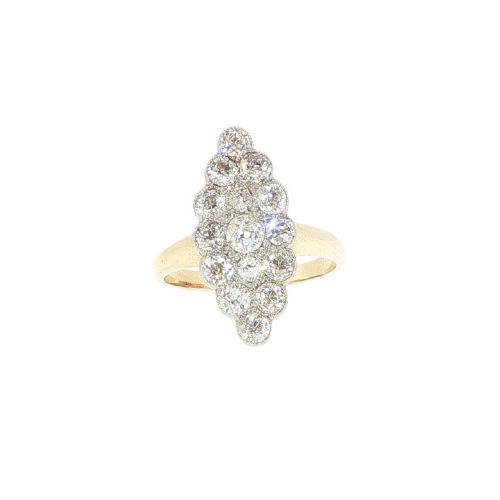
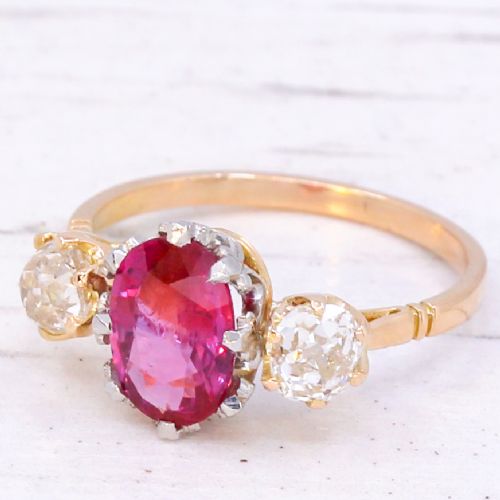
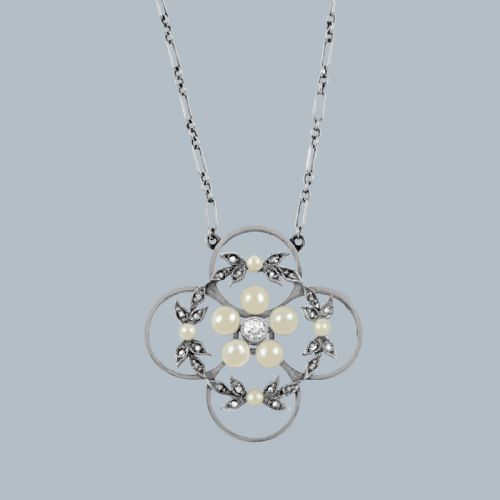
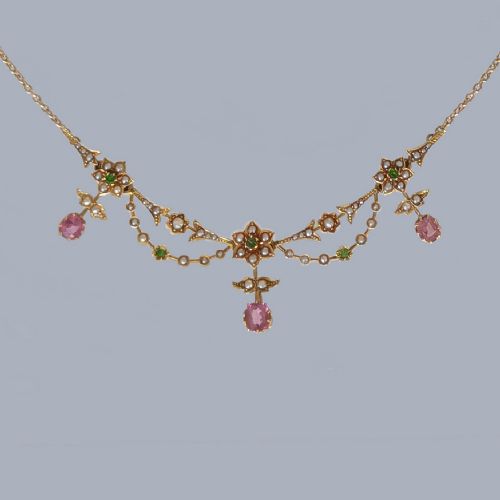
The selection here is heavily populated by cluster rings, lavalier necklaces, and gemstone pendants featuring old cut diamonds paired with amethysts, sapphires, and seed pearls. These items reflect the refined, decorative tastes of the era before the First World War transformed manufacturing.
Makers of this period relied on intricate metalwork, utilising fine wire and pierced settings to create lightweight, airy designs. Consequently, buyers encounter a prevalence of delicate drop necklaces and multi-stone rings that prioritize visual grace over sheer mass.
Materials and Construction
Goldsmiths of the era commonly worked in 9ct, 14ct, 15ct, and 18ct gold, alongside platinum, which emerged as a preferred metal for securing diamonds due to its strength and bright white finish. This metallurgical combination allowed workshops to construct elaborate, lightweight frames that appeared lace-like while holding substantial stones securely.
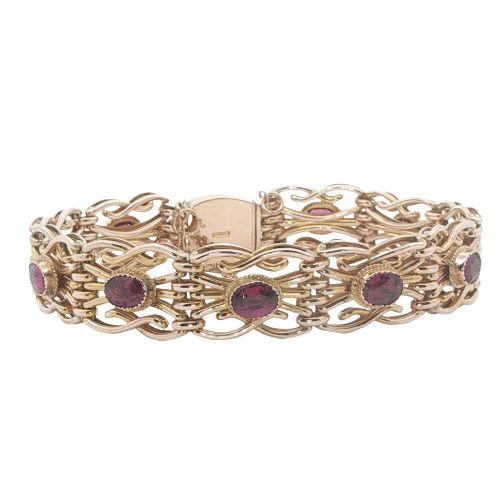
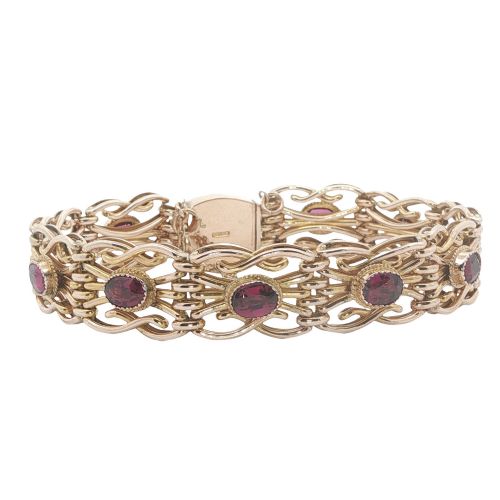
Gemstones such as old cut diamonds, seed pearls, almandine garnets, and amethysts were hand-set into bezel or collet mountings, often accented with millgraining along the edges of the metal. Jewellers also incorporated silver in specific pieces, such as star brooches, to contrast with the warm tones of gold.
Some Edwardian brooches double as pendants, offering versatile wear for anyone who cannot decide between pinning or hanging their diamonds.
Distinctions in Quality
The distinction between standard and superior pieces rests on the precision of the hand-pierced metalwork and the uniformity of the millegrain borders. Master jewellers achieved an exceptional level of symmetry and fineness in the openwork frames, whereas lesser pieces display thicker, coarser metal sections.
Stone selection and matching dictate the upper tier of the inventory, particularly in multi-stone cluster rings and fringe necklaces where colour saturation and cut consistency matter. Well-matched sapphires, aquamarines, or high-purity old cut diamonds elevate the status of a pendant or ring significantly.
The Edwardian Gold Jewellery 1910 Glossary
- Old Cut Diamond
- A diamond cut by hand before modern machinery standardised facet proportions, typically featuring a small table, high crown, and open culet. These stones exhibit a softer, candlelit sparkle under lower light conditions.
- Millegraining
- A decorative technique involving a row of tiny raised metal beads along the edge of a setting. This border softens the transition between metal and stone, characteristic of the period's detailed finish.
- Lavalier Necklace
- A pendant necklace featuring a central drop or multiple suspended elements that swing independently. They gained immense popularity during the early twentieth century for their fluid movement.
- Navette
- A boat-shaped gemstone or setting that tapers to a sharp point at both ends. In rings, this elongated silhouette sits prominently across the finger.
- Seed Pearl
- A tiny, naturally occurring or early cultured pearl, often drilled and threaded into clusters or fringe drops. Their delicate size allowed jewellers to incorporate organic texture into intricate gold and platinum frameworks.
Edwardian Gold Jewellery 1910: Frequently Asked Questions
How do I wear antique Edwardian rings safely?
These rings feature delicate settings and old cut stones that benefit from gentle care during daily activities. It is wise to remove them before gardening, heavy lifting, or swimming to protect the thin gold or platinum bands.
Store each piece individually in a lined box to prevent the stones from scratching neighbouring items. Regular checks by a jeweller will ensure the tiny claws holding the diamonds or sapphires remain secure.
What is the difference between Edwardian and Art Nouveau styles?
Edwardian design leans towards symmetrical elegance, lace-like platinum settings, and brilliant diamond clusters. It represents a continuation of refined, aristocratic taste.
Art Nouveau embraces flowing, asymmetrical lines, organic plant motifs, and enamelling alongside coloured gems like amethysts and opals. Many pieces from the era blend both influences seamlessly.
Can I resize an Edwardian gold ring?
Most gold and platinum rings from this period can be adjusted by a skilled bench jeweller who understands antique construction. The process requires care to preserve any engraved shoulders or delicate millegrain work near the band.
Consult a specialist who works regularly with antique pieces to ensure the structural integrity of the gallery is maintained during the adjustment.