




Edwardian Gold Frame
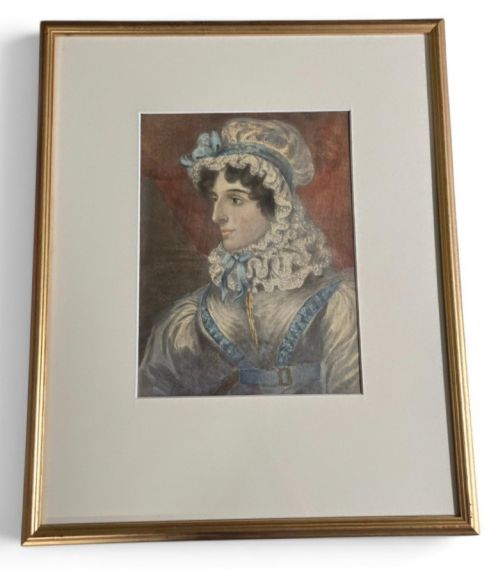
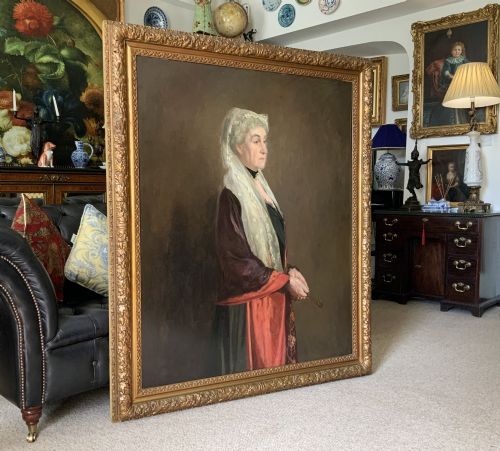
These pieces for an edwardian gold frame bring warmth and period character to any interior through refined metallic finishes.
Edwardian Gold Frame
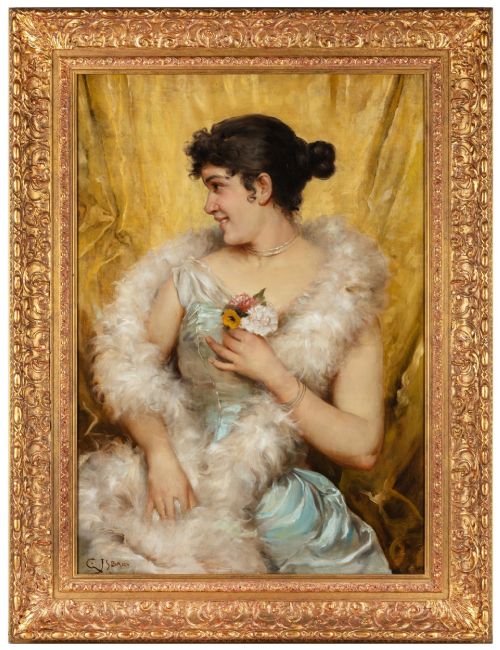
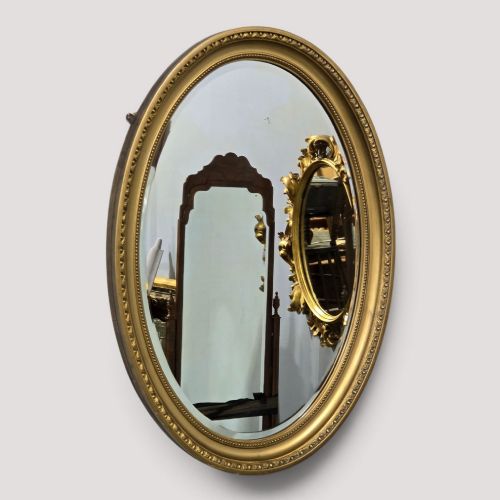
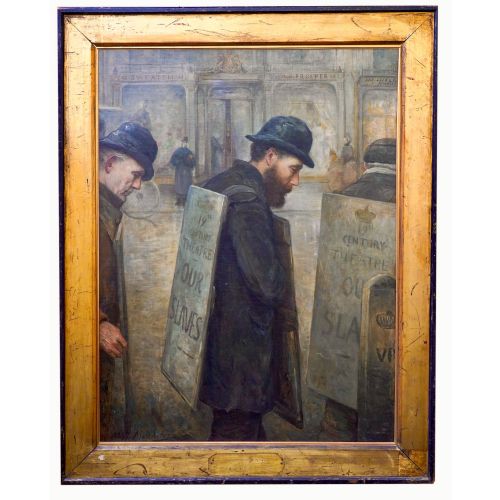
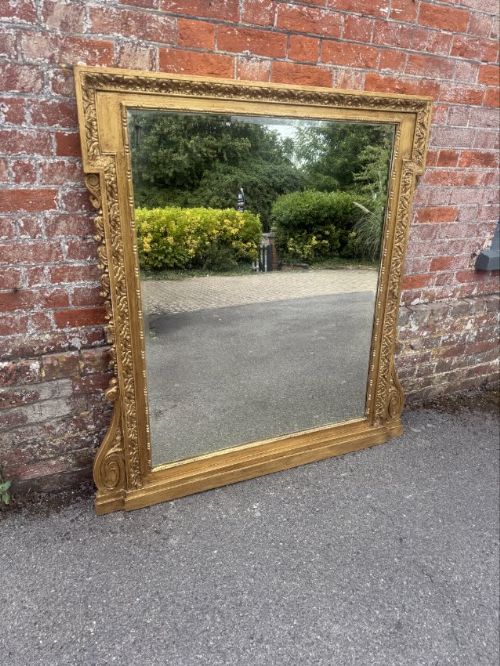
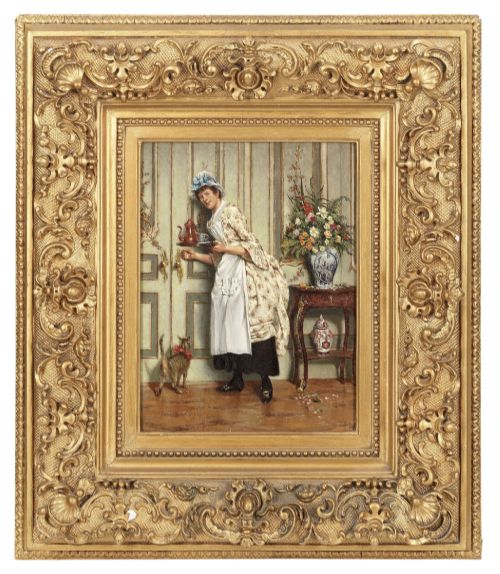
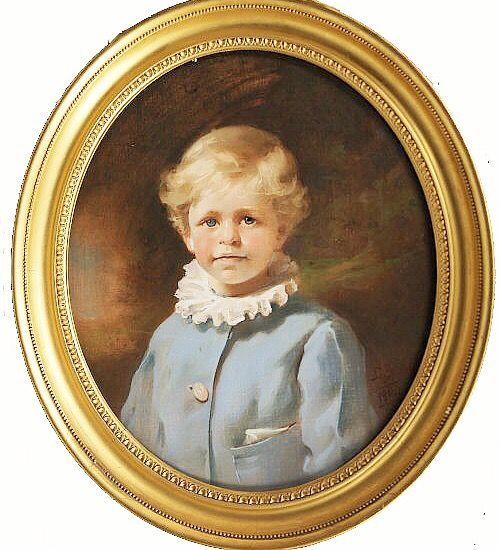
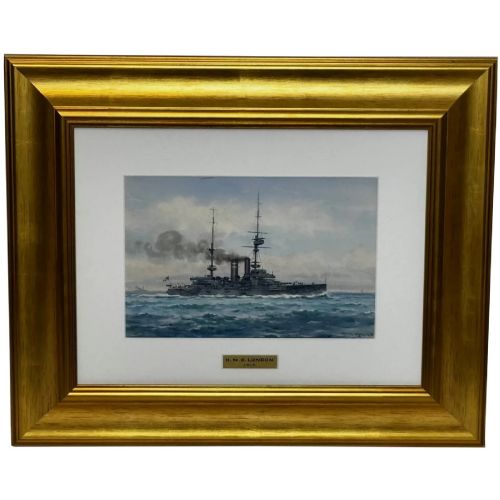
An edwardian gold frame encompasses decorative borders used primarily to house portraits, watercolours, and mirrors from the early twentieth century. These objects reflect the stylistic preferences of the Edwardian era, often pairing classical gilded elegance with lighter proportions than their Victorian predecessors.
The selections available here range from small, intricate desk accessories and photo holders to substantial wall mirrors and swept picture frames. Gilt finishes and polished metals dominate the forms, capturing the light in domestic interiors with understated grace.
How they were made
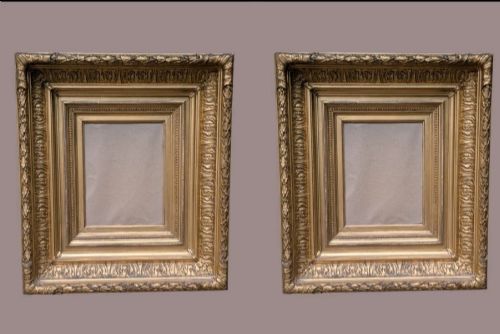
Artisans applied thin layers of gold leaf or metal gilt onto carved wood, gesso, or cast brass bases to achieve a radiant surface. Carved wooden profiles provided structural integrity for larger mirror and picture surrounds, while moulded plaster elements added ornamental relief.
Smaller tabletop formats utilised precious metals like sterling silver and solid gold, alongside ormolu and brass, often featuring intricate stamped or chased details. Glass protected the delicate watercolours, pastels, and photographs housed within the bezels.
Listings feature materials such as glass, gesso, giltwood, and gold leaf applied to nineteenth and early twentieth-century domestic objects.
What varies in quality
The depth and crispness of the surface ornamentation dictate the distinction between standard productions and finer examples. Hand-carved wooden mouldings and meticulously applied gold leaf display a sharpness and warmth that mechanical casting or heavy paint substitution cannot replicate.
Structural preservation also plays a defining role in overall merit, particularly regarding the integrity of corner joints in timber frames and the original patina on exposed brass or gilt surfaces.
Goldsmiths And Silversmiths·Maple And Co
The Edwardian Gold Frame Glossary
- Giltwood
- Wood that has been coated with gold leaf or a gold-coloured metallic finish. This technique provides a durable and reflective surface for mirrors and picture mouldings.
- Gesso
- A plaster mixture applied to wood frames as a base for gilding and intricate relief carving. It allows artisans to shape sharp decorative details before applying gold leaf.
- Ormolu
- Finely ground high-carat gold-mercury amalgam applied to a bronze or brass base. The process creates a rich, matte metallic lustre popular in decorative mounts and frames.
- Swept frame
- A picture frame featuring deeply curved, flowing mouldings that sweep outward from the inner sight edge. This profile adds theatrical depth and movement to portraiture.
Edwardian Gold Frame: Frequently Asked Questions
Can I hang heavy Edwardian mirrors safely?
Assess the structural condition of the timber and corner joints before mounting any substantial wall piece. Ensure the hanging wire or integrated brackets can support the combined weight of the wood, gesso, and glass.
Consult a professional framer to install appropriate wall anchors suited to the specific weight of the giltwood surround. Secure placement prevents warping and protects the integrity of the antique frame.
How do I date an Edwardian frame?
Examine the construction methods, backboards, and fastener types used to secure the contents within the rebate. Edwardian pieces often feature specific brass turn-buttons or original paper backings distinct from later reproductions.
Stylistic cues such as restrained foliate motifs or Art Nouveau linearity also help pinpoint the manufacturing era. Compare these details against documented examples from the early twentieth century.
Where should I place these in my home?
Position gilded wall mirrors opposite windows to maximise natural light distribution within smaller or darker rooms. Tabletop photo frames and miniature mounts suit sideboards, mantels, and desks where their fine details can be appreciated up close.
Keep wooden and metal pieces away from direct heat sources and excessive moisture to prevent warping or metal tarnishing. Balanced indoor humidity preserves both the substrate and the gilt finish.