
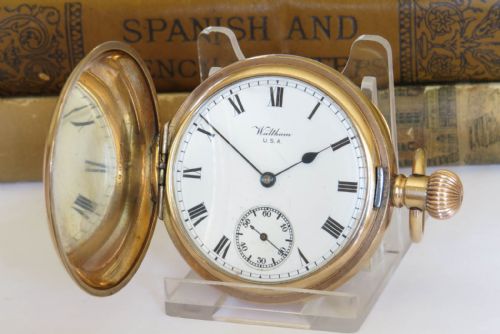
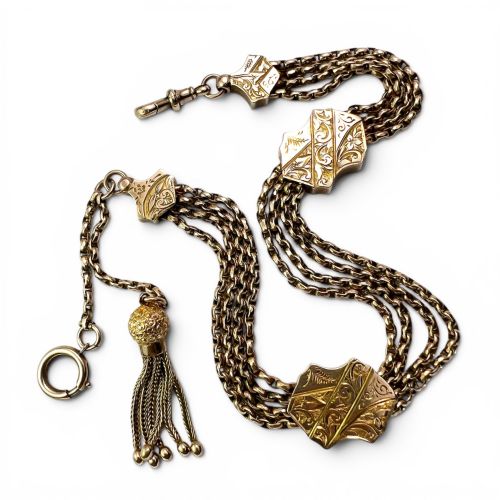
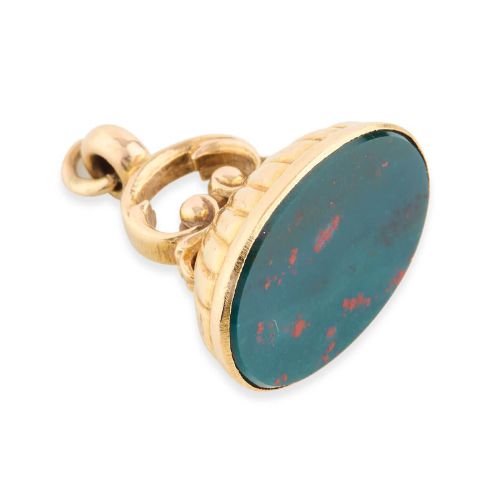
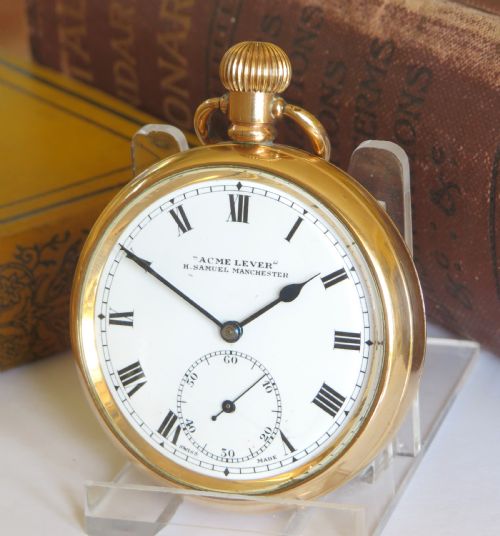

Edwardian Gold Fob
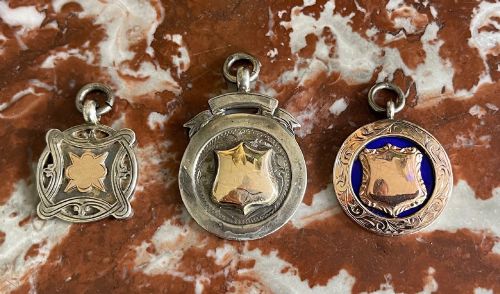
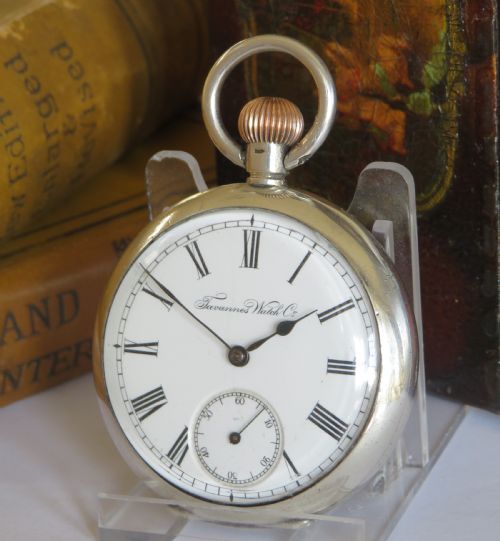
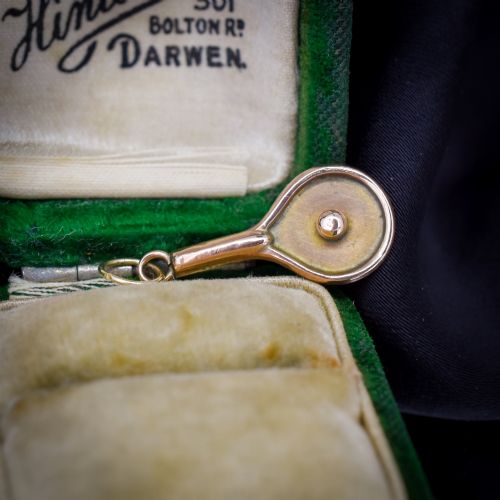
Edwardian gold fob pieces are pocket watch pendants offering both utility and miniature display, combining precious metalwork with turning seals.
Edwardian Gold Fob
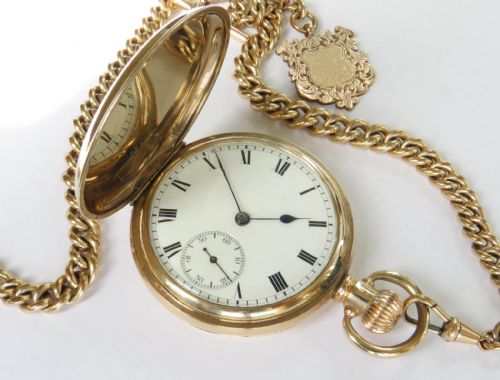
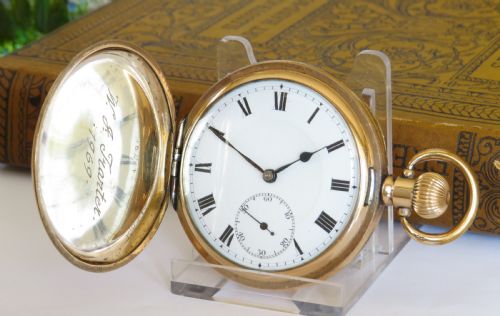
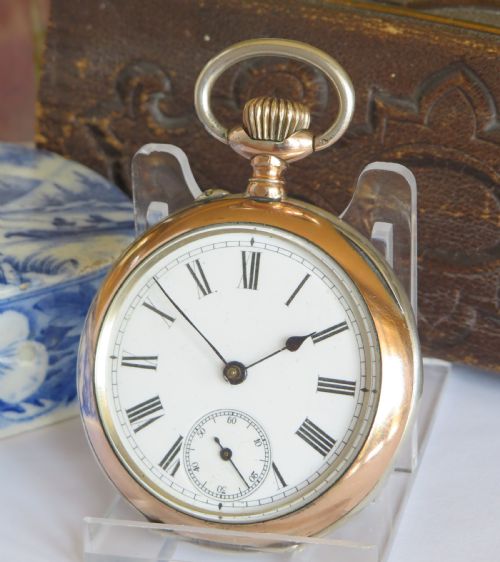
An Edwardian gold fob sits on the end of a pocket watch chain or albert, descending into waistcoats or hanging from chatelaines as a decorative and functional accessory. These items appear across the Edwardian and Victorian periods, taking forms such as spinning seals, medals, and photo holders.
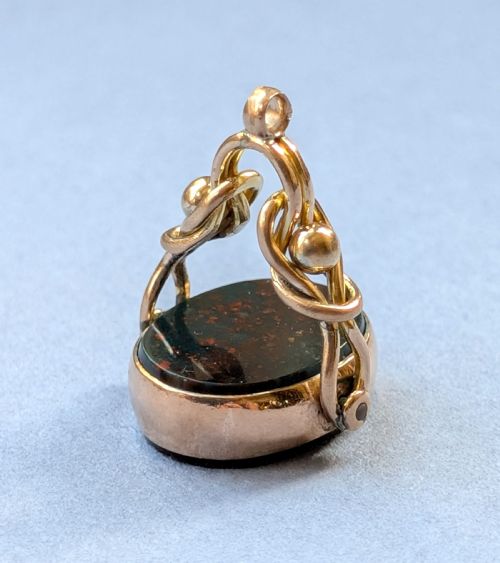
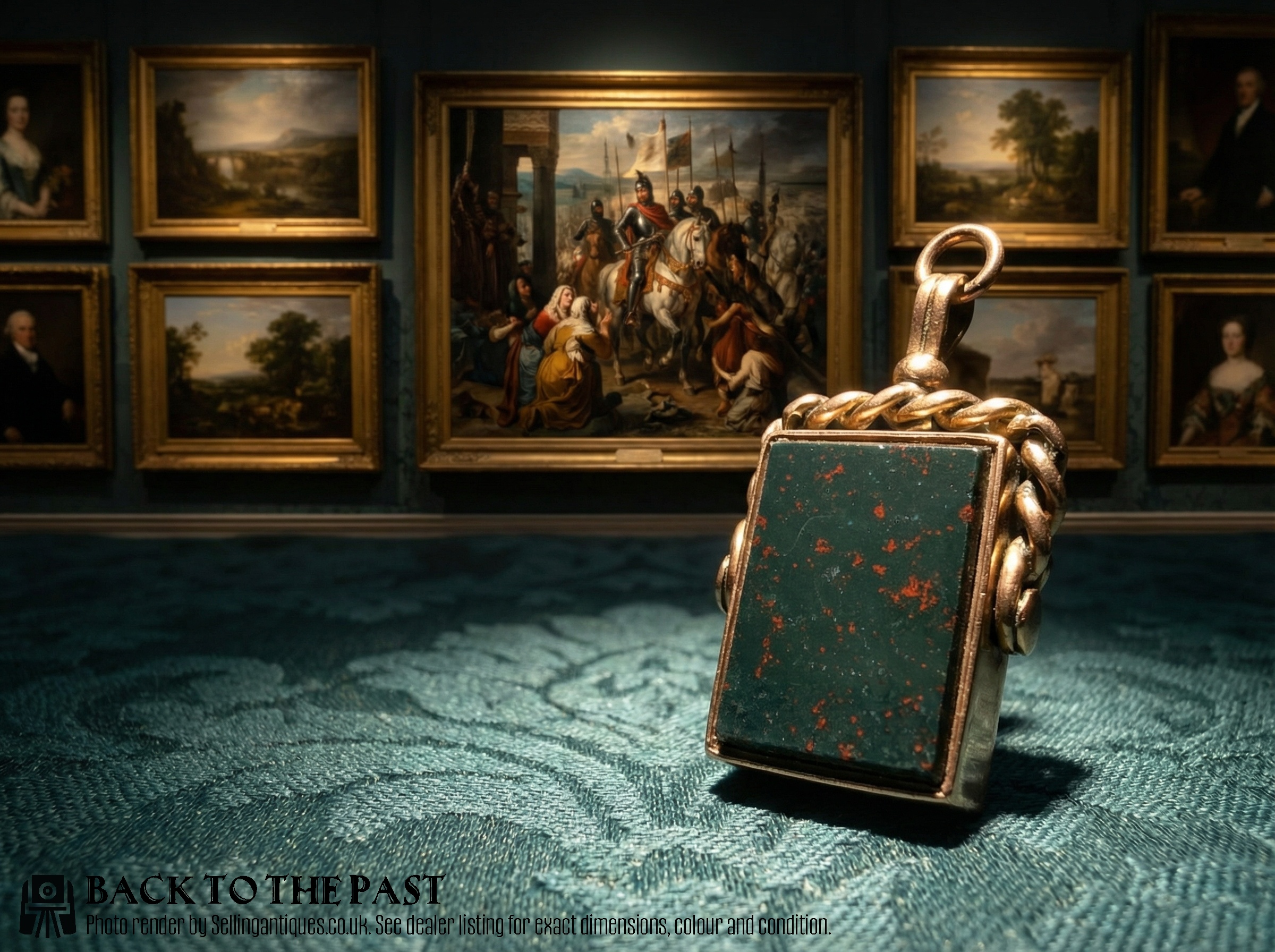
The spinning fob is the version most frequently encountered on this page, designed with a central pivot that allows the stone-set bezel to turn over. Many examples feature double-sided faces, often pairing bloodstone with empty shields or personal initials.
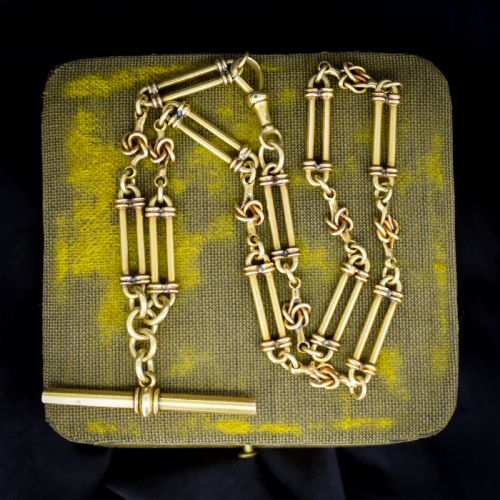
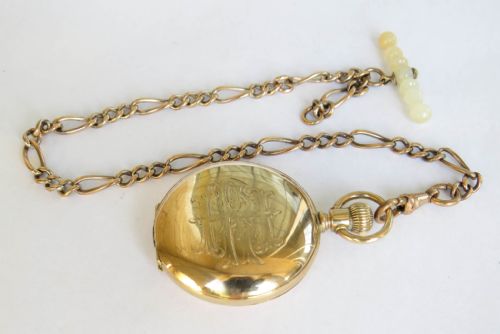
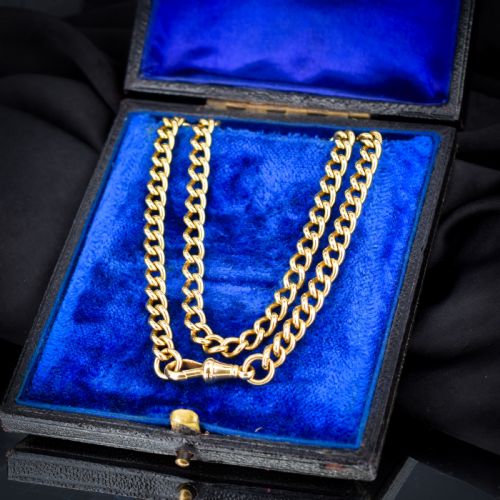
Beyond standard swivel designs, the inventory holds rose gold plated watch chains and medal forms created during the same early twentieth-century era. Jewellery pieces of this scale served practical purposes in daily dress while offering miniature canvases for precious materials.
How They Were Made
Maker workshops utilised 9ct gold, 14ct gold, and rose gold plating over base metals to construct the hollow or solid frames of each pendant. Spinning mechanisms required precise metal engineering to allow the central bezel to rotate smoothly within its outer bow.
Stones such as bloodstone and amethyst were hand-cut and bezel-set into the rotating mounts, flush against the surrounding gold. Links and chains accompanying these fobs were soldered together by hand, incorporating jump rings and toggle bars designed to secure pocket watches.
The site's listings demonstrate a strong presence of Edwardian and Victorian 9ct gold pieces, alongside rose gold plated chains and bloodstone stones.
What Varies in Quality
The distinction between standard production and finer work lies in the heft of the gold and the crispness of the chased mounts. Solid 9ct or 14ct gold components demonstrate superior durability compared to gold-plated alternatives, maintaining structural integrity around the pivot joints.
Stone selection and lapidary skill define the upper tier of these pieces, particularly when bloodstone or amethyst is deeply saturated and cleanly polished. The complexity of the mechanism, such as a multi-layered spinning frame, indicates greater labour investment by the original maker.
The Edwardian Gold Fob Glossary
- Fob
- A small medallion or seal suspended from a pocket watch chain. It hangs at the end of an albert and was traditionally used for sealing letters.
- Spinning Fob
- A watch pendant featuring a central pivoting stone or metal face that turns on an axis. This allows the wearer to display two distinct sides.
- Bloodstone
- A dark green chalcedony flecked with red jasper spots. It is frequently set into the rotating face of antique fobs.
- Albert Chain
- A type of watch chain worn by men and women in the nineteenth and early twentieth centuries. It secures a pocket watch in a waistcoat pocket while displaying fobs.
- Rose Gold
- An alloy of gold and copper known for its warm reddish tint. It appears frequently across Edwardian watch chains and medal fobs.
Edwardian Gold Fob: Frequently Asked Questions
What is an edwardian gold fob?
An edwardian gold fob is a small decorative pendant attached to a watch chain. These items were worn on waistcoats and chatelaines during the early twentieth century.
Many examples function as spinning seals with bloodstone faces. They combined personal utility with miniature ornamental metalwork.
How were these fobs used?
Owners attached them to pocket watch chains, known as alberts, to anchor the watch securely in a pocket. The rotating stone face often doubled as a wax seal for correspondence.
They served as both practical accessories and decorative markers of personal style. Some versions also incorporated miniature photo frames or prize medals.
How do I tell edwardian from victorian pieces?
Edwardian pieces date from the reign of Edward VII, typically showing lighter, more delicate mounts and distinctive rose gold tones. Victorian examples originate from the preceding nineteenth-century decades.
Both periods overlap in the surviving inventory of spinning fobs and watch chains. Hallmark stamps and style nuances help distinguish the exact manufacturing era.
What materials are used in these fobs?
The pieces utilise 9ct gold, 14ct gold, and gold plating over base metal. Gemstones such as bloodstone and amethyst are set into the rotating bezels.
Solid gold versions offer heavier construction than plated alternatives. The combination of precious metals and hardstones defines their enduring survival.