
Edwardian Gold Chain Bracelet
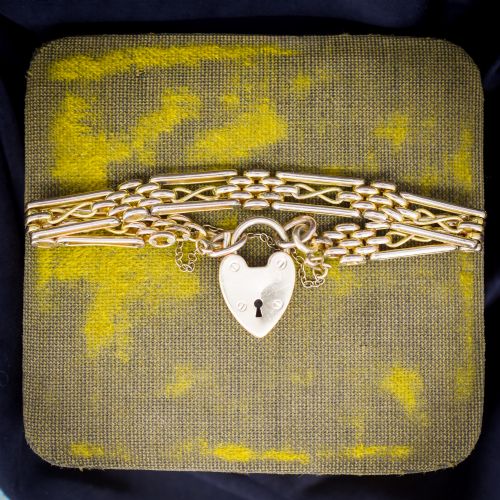
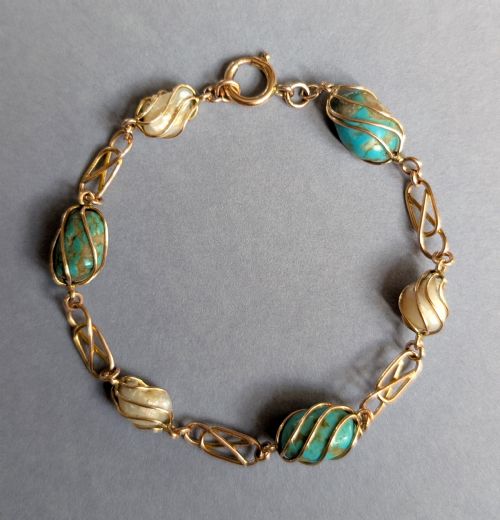
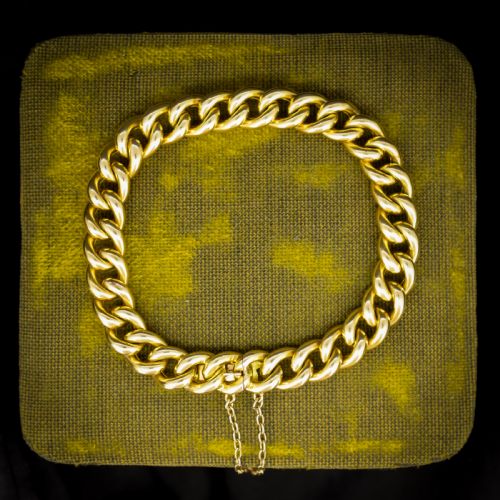
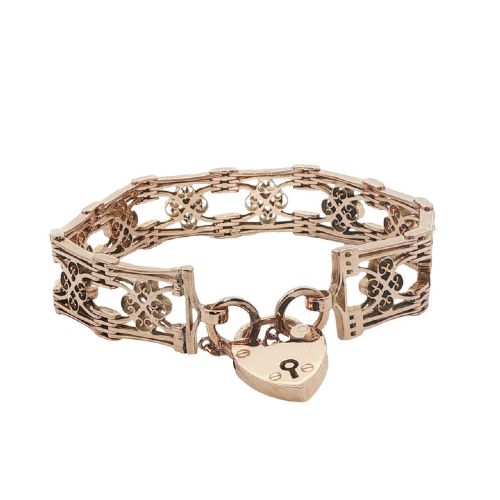
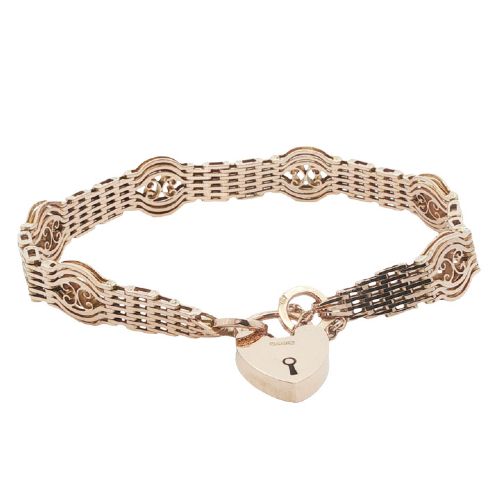
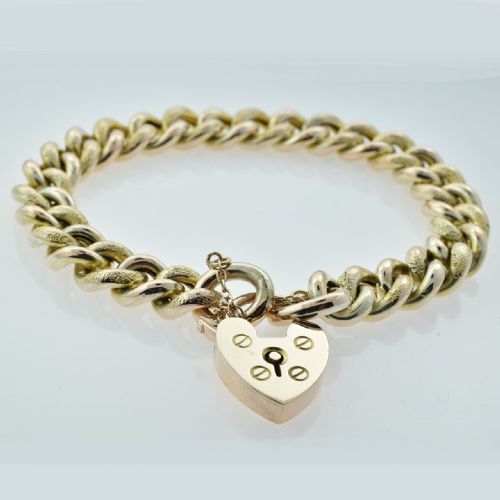
These pieces of edwardian gold chain bracelet are solid gold links and padlocks shaped by hands over a century ago.
Edwardian Gold Chain Bracelet
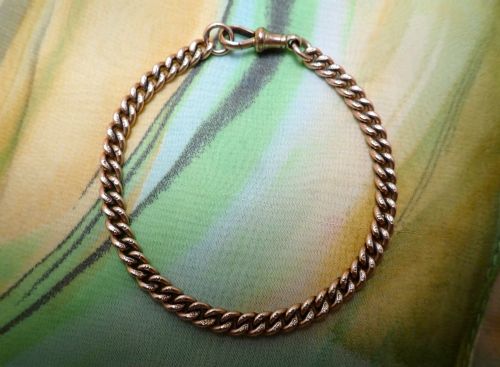
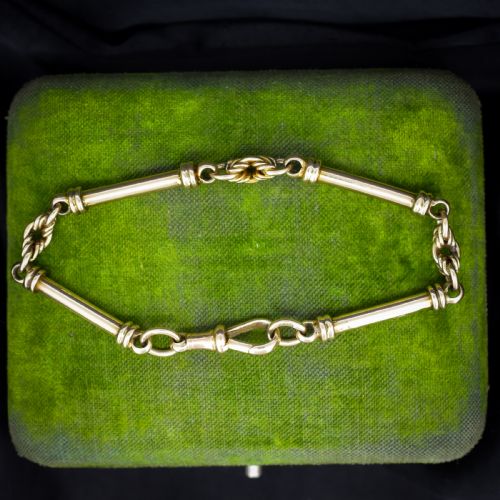
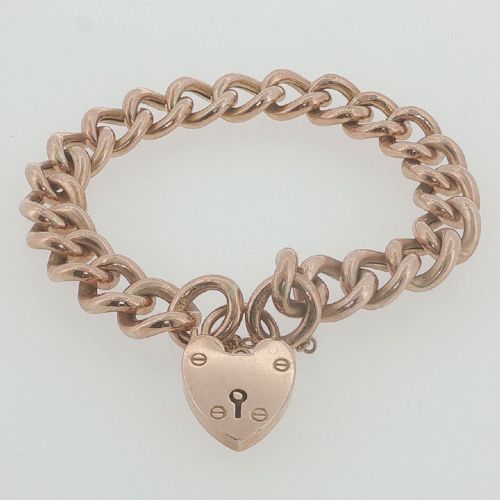
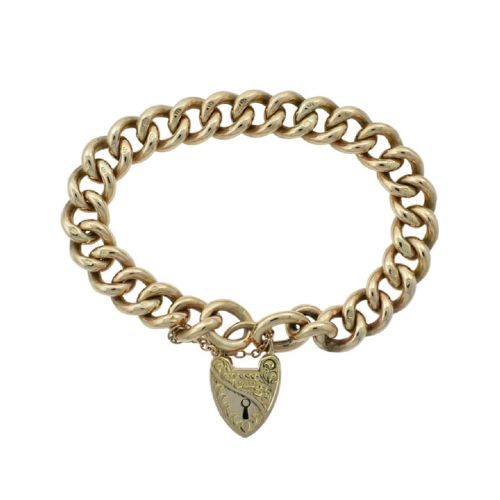
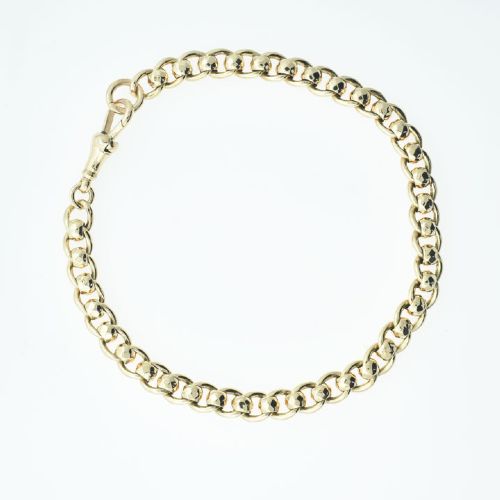
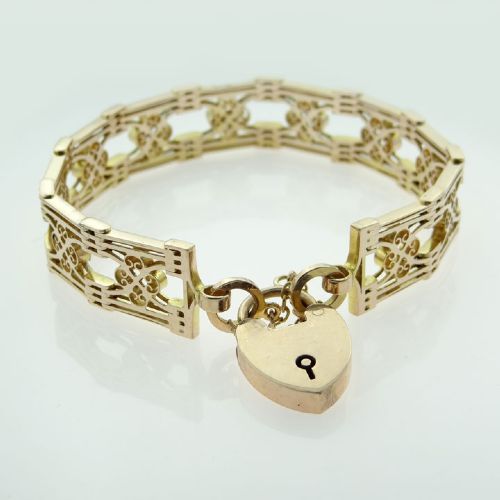
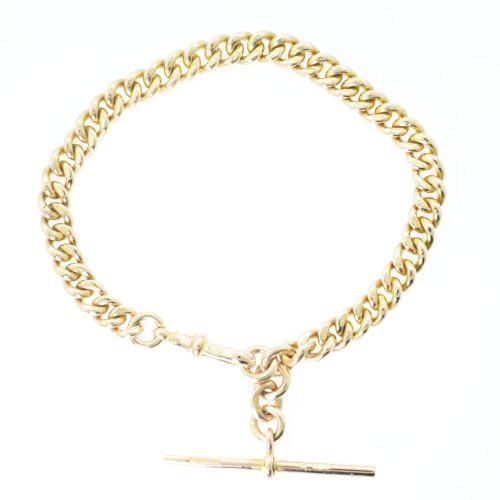
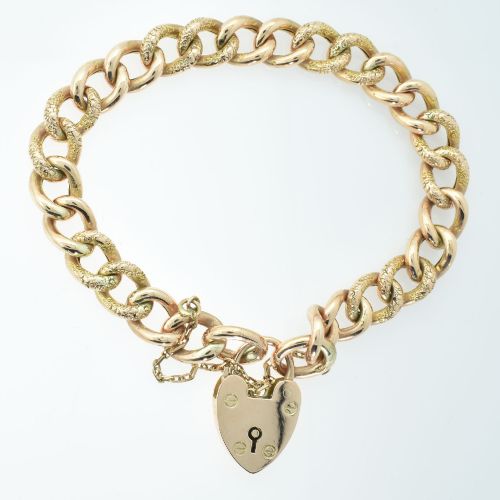
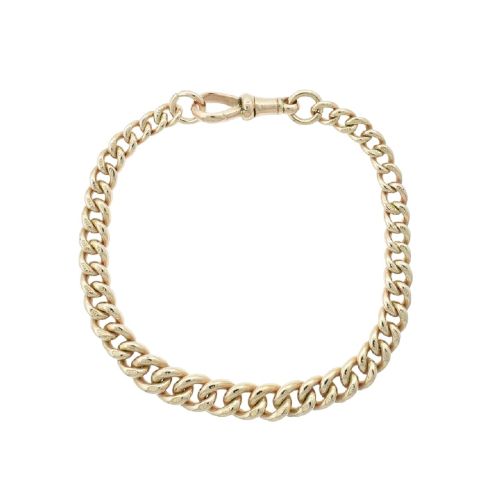
An edwardian gold chain bracelet is a wrist ornament built from interlocking metal links, frequently secured with a heart padlock or dog clip. The pieces seen on this page stem from the Victorian and Edwardian eras, spanning the late nineteenth century up to nineteen hundred.
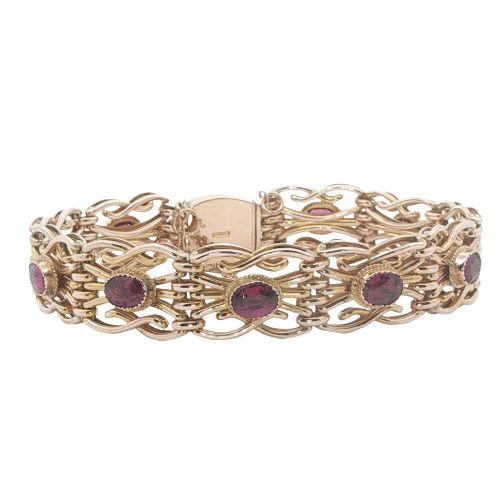
Most examples rely on curb links or fancy link patterns such as stars and bars. They originate from British workshops as well as continental ones, including French production.
How They Were Made
Goldsmiths worked with various purities of gold, predominantly nine carat and fifteen carat, alongside eighteen carat yellow and rose gold. Links were individually formed and soldered to create flexible, strong strands.
Many designs incorporate small gemstones set into the metalwork, including seed pearls, turquoise, and sapphires. Padlocks and clasps often feature hand-engraved surface patterns or applied decorative motifs like pearl crescents and clover leaves.
Edwardian Gold Chain Bracelet Retail Price Guide 2026
Typical asking prices for edwardian gold chain bracelet among the pieces listed under this phrase on Sellingantiques today, from the lower quarter to the upper quarter. They describe what is for sale here now, not the wider market.
Current listings and past archives feature gold purities spanning nine carat, fifteen carat, and eighteen carat.
What Varies in Quality
Quality rests in the weight and structural integrity of the metal links, moving from lighter hollow construction up to substantial solid gold formations. The complexity of the link pattern and the presence of integrated padlocks or security chains alter the character of the piece.
The finesse of any decorative gem-setting and hand engraving dictates the level of craftsmanship. Pieces retaining their original matched clasps and proper hallmarks sit higher in the hierarchy than altered examples.
The Edwardian Gold Chain Bracelet Glossary
- Curb Link
- A type of jewellery chain formed of flat, interlocking uniform links that lie relatively flat against the wrist. This design forms the foundation of many heavy antique bracelets.
- Dog Clip
- A spring-loaded swivel clasp commonly used on antique watch chains and bracelets to secure a padlock or charm. It allows the fastener to rotate freely without twisting the main chain.
- Padlock Clasp
- A miniature lock-shaped fastening device that serves as the primary closure for Victorian and Edwardian charm bracelets. They often open via a spring mechanism triggered by a small internal lever.
- Seed Pearl
- A tiny, naturally small saltwater or freshwater pearl, often unnucleated and half-drilled for mounting onto gold pins. They appear frequently in crescent and star motifs from the period.
Edwardian Gold Chain Bracelet: Frequently Asked Questions
How do I fasten a padlock bracelet?
Most heart padlocks on these bracelets open by pressing down on a small internal spring-loaded arm or hidden latch. Once depressed, the bail swings open to hook onto a designated jump ring or loop on the chain.
Ensure the mechanism clicks securely shut to prevent the bracelet from slipping off the wrist during wear.
Can I wear my gold chain daily?
These antique chains are robust enough for regular wear, provided they are treated with sensible care. Solid gold links handle daily movement well, though hollow or lighter Victorian pieces require more caution.
Take the bracelet off before swimming, heavy lifting, or gardening to protect fragile stone settings like seed pearls and turquoise.
What is the difference between curb and fancy links?
Curb links feature uniform, twisted ovals that lie flat and create a sleek, continuous ribbon of gold. They offer a streamlined look typical of traditional watch chains.
Fancy links incorporate alternative shapes, decorative bars, or star motifs within the pattern, adding visual texture and variation to the wrist.
How do I date an antique gold bracelet?
Dating relies on stylistic clues, link construction, and any accompanying hallmarks stamped onto the metal or clasps. Victorian pieces often lean towards heavier rose gold and symbolic motifs like padlocks.
Edwardian examples frequently showcase lighter, airier designs, French import marks, or delicate green and yellow gold tones from the early nineteen hundreds.