



Edwardian Gold Case
An edwardian gold case carries the quiet authority of the early twentieth century, offering a tactile pocket-sized treasure for anyone drawn to portable refinement.
Edwardian Gold Case
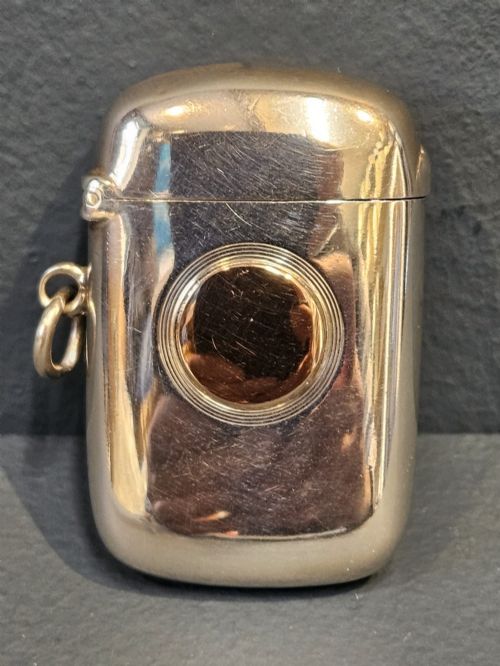
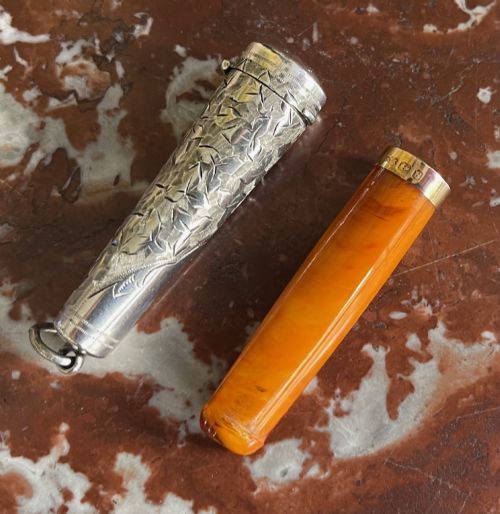
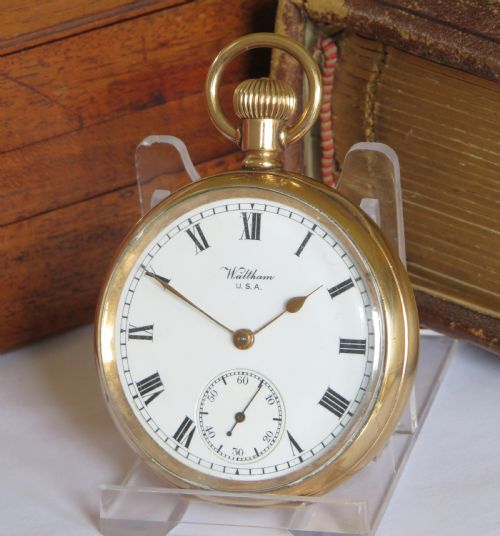
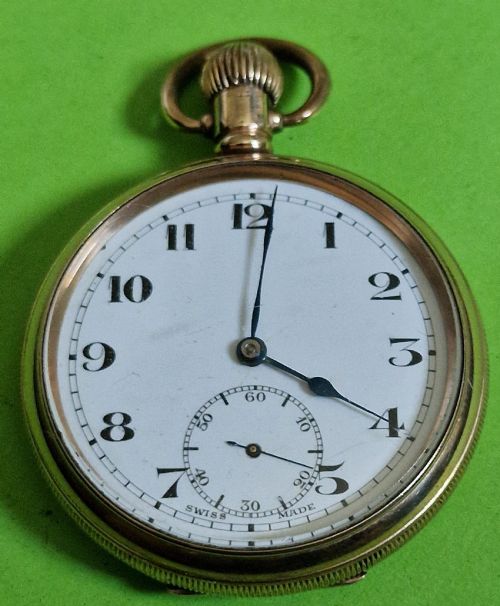
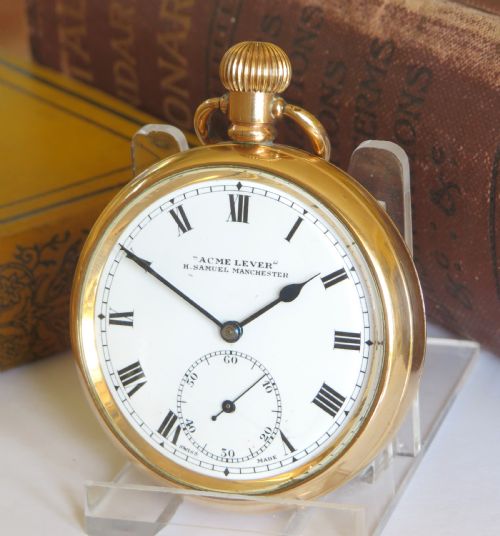
An edwardian gold case encompasses compact containers and personal accessories fashioned around the turn of the twentieth century. These items frequently appear as pocket watch lockets, cheroot holders, or vesta cases touched with precious metals.
The objects derive from periods spanning the late Victorian era into the early decades of the twentieth century. They reflect a time when personal items were routinely constructed with precious materials and ornamental detail.
Pocket watch cases and small containers form the core of what surfaces in this category. They serve as pocket companions or dressing table ornaments that demonstrate period craftsmanship.
How they were made
Makers shaped these items using solid gold, nine-carat gold, and silver-gilt alongside mounted amber, glass, and enamel. Metals were worked into hinged boxes, delicate bezels, and protective outer shells.
Surface decoration relied on hand engraving, guilloche enamelling, and applied gold mounts. These techniques required precise hand tools to pattern the metal without compromising the thin structural walls of a pocket case.
Edwardian Gold Case Retail Price Guide 2026
Typical asking prices for edwardian gold case among the pieces listed under this phrase on Sellingantiques today, from the lower quarter to the upper quarter. They describe what is for sale here now, not the wider market.
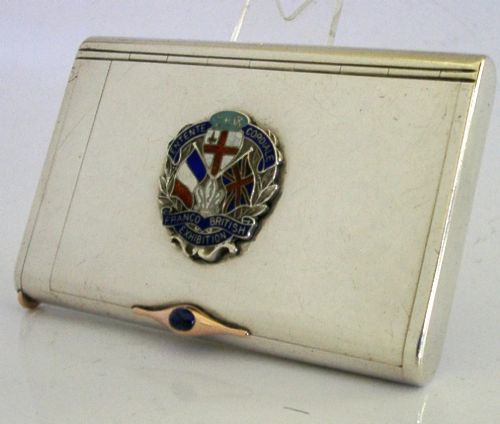
Edwardian gentlemen carried match cases with spring-loaded lids so they could ignite their cigars with a single, dramatic flick of the thumb.
What varies in quality
The distinction between ordinary and exceptional pieces rests upon the crispness of the hand engraving and the integrity of the hinges and closures. Superior examples maintain tight seams and smooth opening mechanisms that survive generations of daily handling.
The quality of the materials, particularly the purity of the gold and the preservation of any enamel work, dictates the standing of the piece. Intact enamelling and deep, unrubbed engraving denote superior workshop origins.
Deakin and Francis·Eastern Watch Case Co·James Grohe·Short and Mason
The Edwardian Gold Case Glossary
- Vesta case
- A small pocket container designed to hold matches, typically fitted with a striking surface on the base. These cases often featured hinged lids and engraved metal bodies.
- Guilloche enamel
- A decorative technique where intricate geometric patterns are engraved beneath a translucent layer of coloured enamel. This method creates depth and shifting light across the surface of the metal.
- Half hunter
- A pocket watch case featuring a glass or open centre in the front cover, allowing the wearer to read the time without opening the outer lid. The surrounding metal ring often displays blue enamel numerals.
- Silver-gilt
- Sterling silver that has been coated with a thin layer of gold. This treatment combined the structural reliability of silver with the rich appearance of solid gold.
- Cheroot holder
- A small tubular accessory designed to grip a thin cigar while being smoked. They were frequently housed in dedicated leather, silver, or gold cases.
Edwardian Gold Case: Frequently Asked Questions
What is an edwardian gold case used for?
These small containers were originally carried in pockets or handbags to protect personal valuables like matches, timepieces, or smoking accessories.
Today they function as decorative objects, pocket companions, or miniature display pieces for collectors of early twentieth-century metalwork.
How do I tell an edwardian gold case from a victorian one?
Edwardian items tend to display lighter, more restrained motifs influenced by neoclassical tastes, whereas Victorian pieces often feature heavier, busier ornamentation.
Examining the assay marks and hallmarks stamped into the metal provides the definitive date of manufacture.
Are these gold cases solid gold?
The pieces vary, with some formed from solid nine-carat or eighteen-carat gold, while others consist of gold mounts or gold plating over silver or base metals.
Maker stamps and hallmark punches on the inside rims clarify the exact metal composition of each individual item.
How should I care for an antique gold case?
Gentle cleaning with a soft, dry cloth is usually sufficient to maintain the polished surface of the metal without wearing away delicate engraving.
Harsh chemical dips should be avoided, particularly on items featuring enamel work or amber mounts which require specialised preservation.