

Edwardian Glazed Front Cabinet
An edwardian glazed front cabinet brings refined timber and clear glass together to display books and china with distinct period elegance.
Edwardian Glazed Front Cabinet
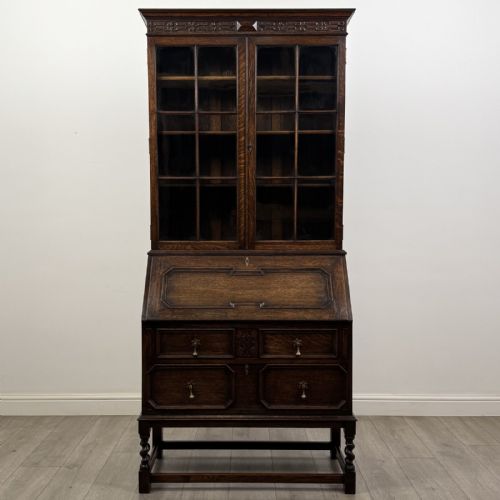
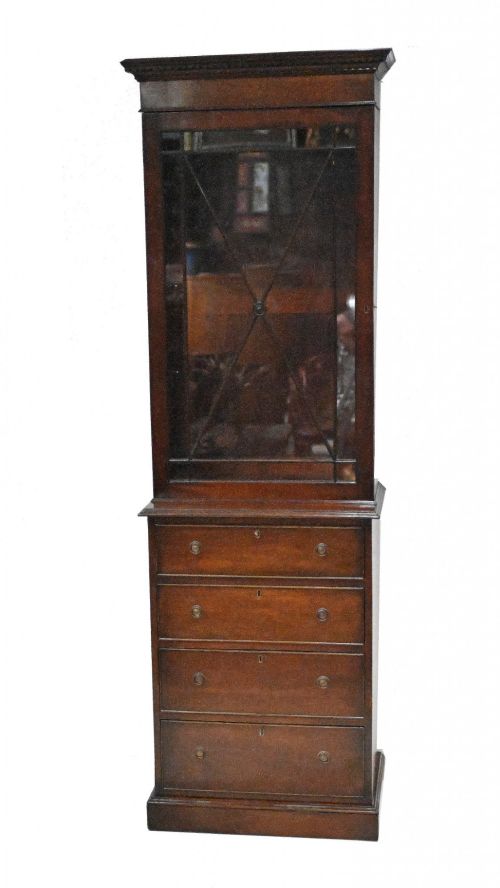
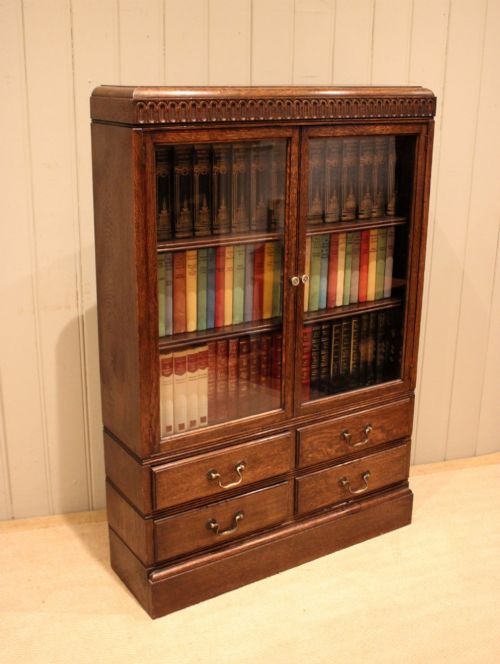
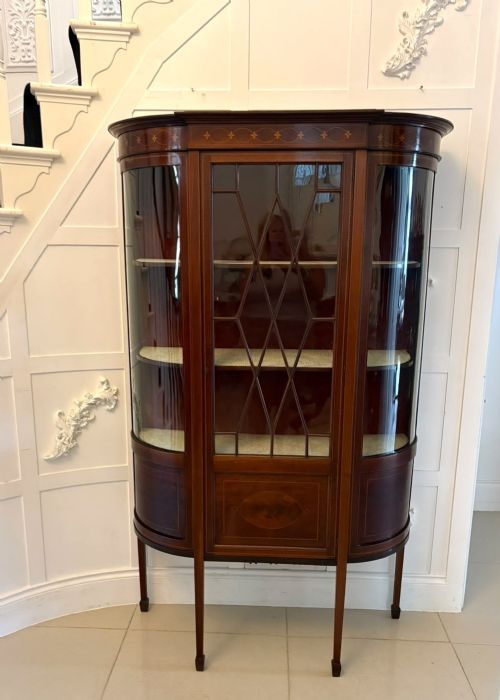
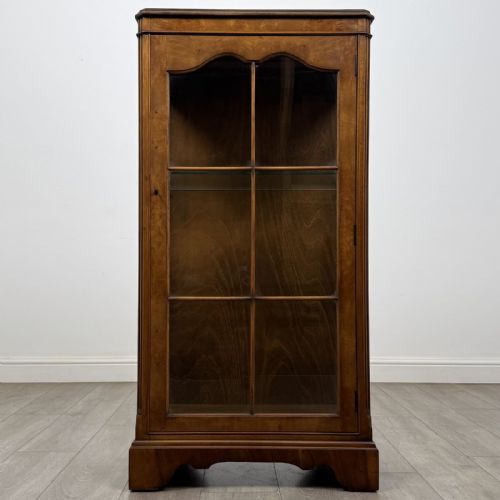
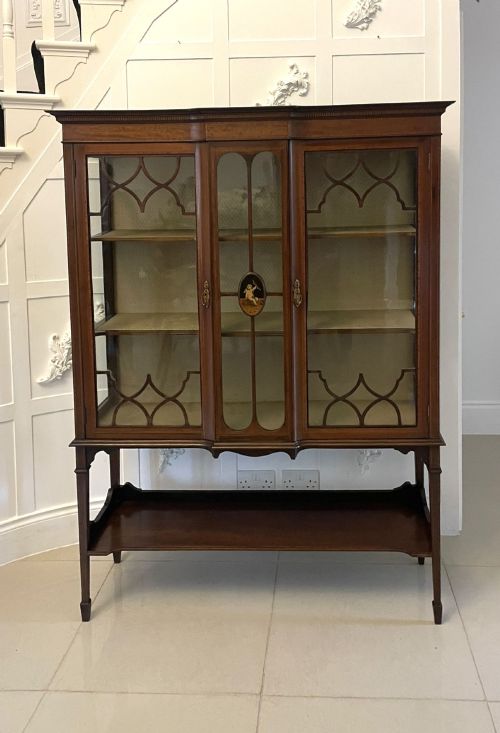
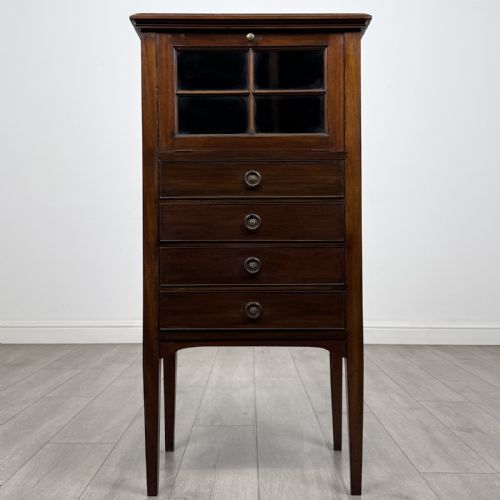
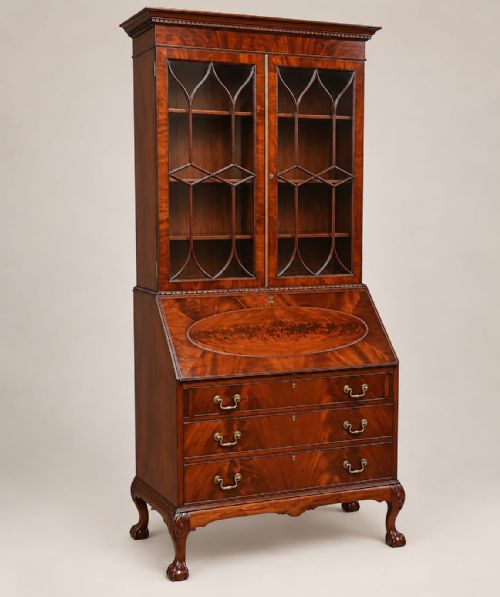
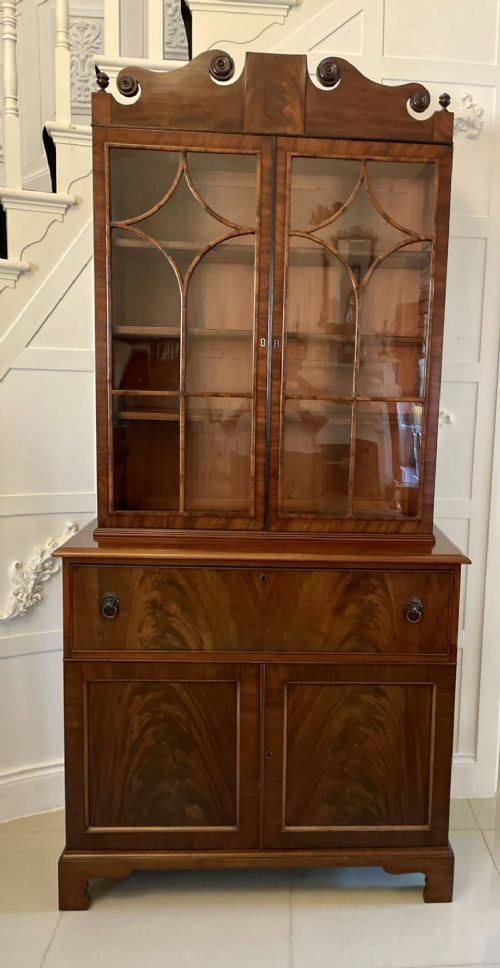
An edwardian glazed front cabinet spans refined display pieces, bookcases, and bureau combinations rooted primarily in the Edwardian era, alongside Victorian and early twentieth-century precedents. Buyers frequently encounter bow-fronted display cabinets and bureau bookcases featuring glass doors designed to protect contents while keeping them visible.
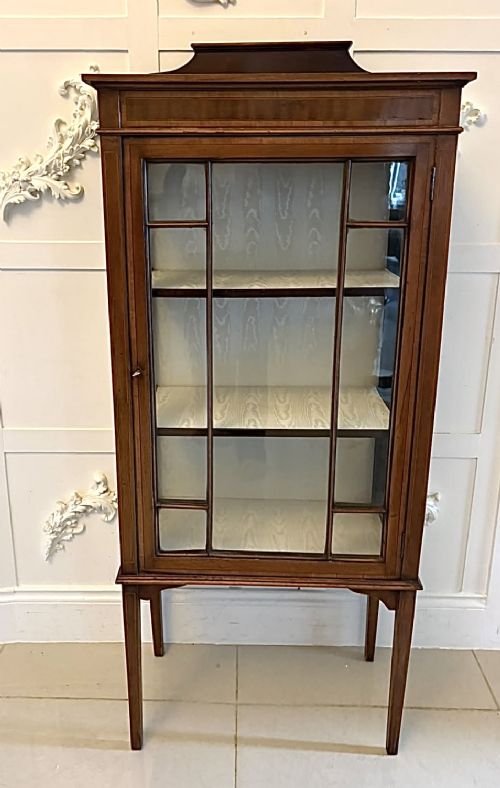
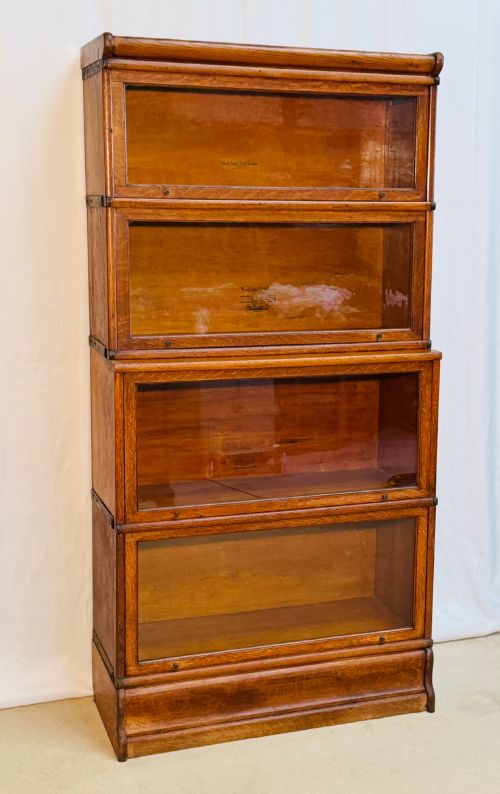
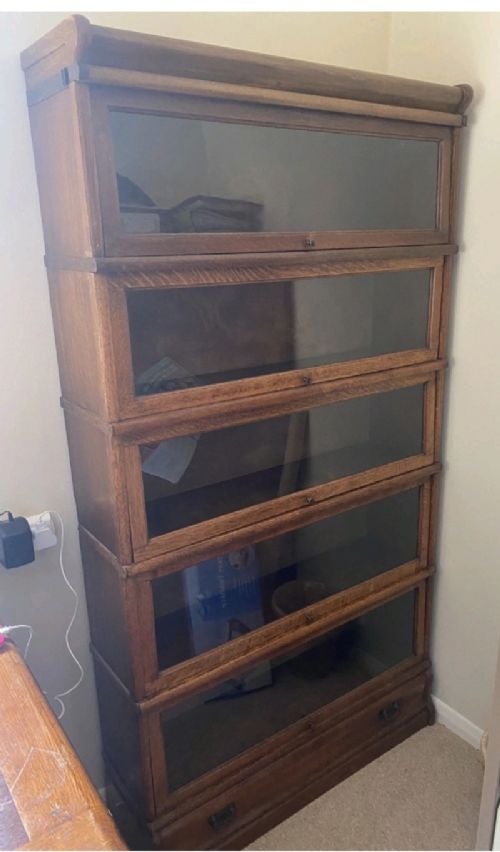
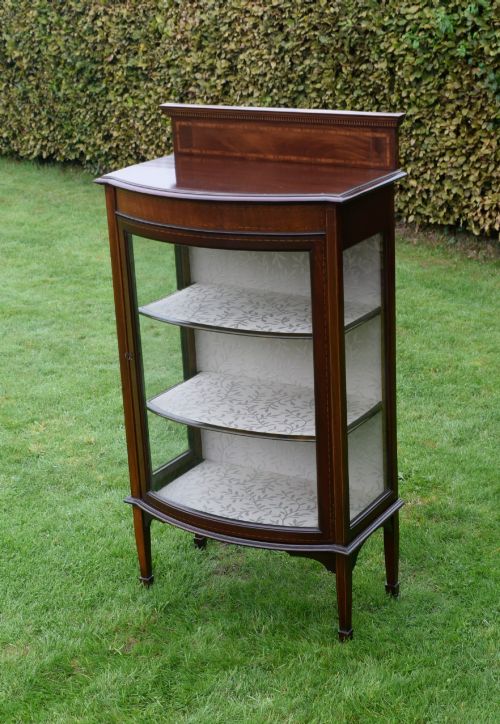
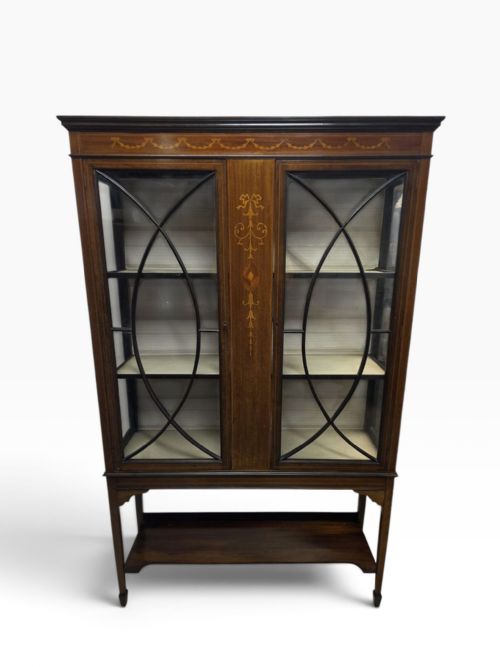
The selection ranges from slender satinwood vitrines and mahogany inlaid bow-fronts to sectional oak barrister bookcases and Arts and Crafts designs. These pieces originate from domestic settings where refined storage and display mattered greatly.
Materials and construction
Cabinetmakers relied on solid and veneered timbers including mahogany, walnut, burr walnut, satinwood, oak, and yew, often enhanced with delicate stringing and inlaid motifs. Glass panes are fitted into doors with timber glazing bars or leaded cames, while hardware incorporates brass handles and hinges.
Edwardian Glazed Front Cabinet Retail Price Guide 2026
Typical asking prices for edwardian glazed front cabinet among the pieces listed under this phrase on Sellingantiques today, from the lower quarter to the upper quarter. They describe what is for sale here now, not the wider market.
Some barrister bookcases let you lift and slide the glass straight into the shelf above, which feels slightly like magic every single time.
Judging execution and finish
The distinction between standard production and superior craftsmanship lies in the selection of timber veneers and the precision of the inlay work. Highly figured burr walnut or carefully matched satinwood indicate greater workshop investment.
Structural refinement shows in the handling of glazing bars, the alignment of bow fronts, and the integration of functional elements like sliding glass doors or fitted writing desks.
Maple & Co·Globe Wernicke
The Edwardian Glazed Front Cabinet Glossary
- Astragal glazed
- A method where glass in a cabinet door is divided into smaller panes by narrow wooden bars called astragals. This technique creates a light, grid-like appearance common in bookcase doors.
- Bow front
- A convex curved cabinet front that swells outward in the centre. This shape softens the corners of a room and adds visual depth to smaller display pieces.
- Vitrine
- A glass-sided display cabinet designed specifically for showing porcelain, silver, or curiosities. These pieces often feature satinwood finishes and delicate painted details.
- Sectional bookcase
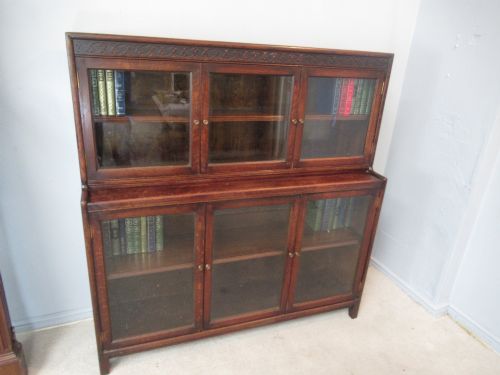
- A modular shelving system composed of stacked glazed units that operate independently. The Globe Wernicke system typifies this practical approach.
- Bureau bookcase
- A dual-purpose furniture form combining a sloping writing flap above drawers with a glazed bookcase section on top. They frequently incorporate fitted pigeonholes and small drawers inside.
Edwardian Glazed Front Cabinet: Frequently Asked Questions
What is an edwardian glazed front cabinet?
An edwardian glazed front cabinet is a wooden storage or display piece featuring glass doors, produced during the early twentieth century or inspired by that aesthetic.
These cabinets were built to house books, china, and decorative objects while protecting them from dust.
How do I identify an Edwardian piece?
Edwardian cabinets often feature lighter timbers, subtle satinwood or mahogany inlay, and slender proportions compared to heavier Victorian predecessors.
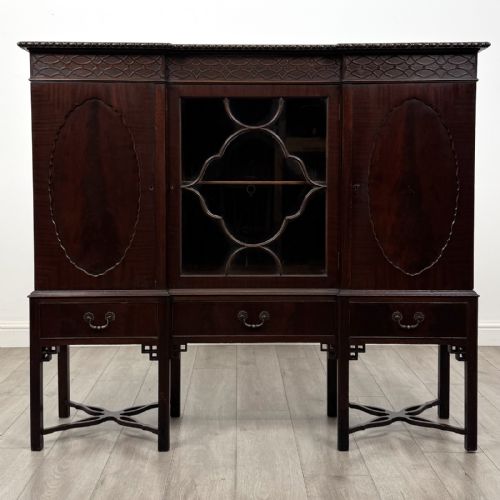
Look for refined Edwardian Chippendale or Sheraton revival details, lighter stringing, and delicate brass hardware.
Where were these cabinets used?
These cabinets served primarily in drawing rooms, libraries, and studies of period homes as functional display and storage furniture.
They allowed owners to exhibit collected porcelain and bound volumes while keeping the interior secure.
How do sectional bookcases work?
Sectional bookcases consist of individual stacking tiers with glass doors that lift and slide inside the unit.
This modular design allowed owners to add matching sections as their book collections expanded over time.