
Edwardian Glazed China Display
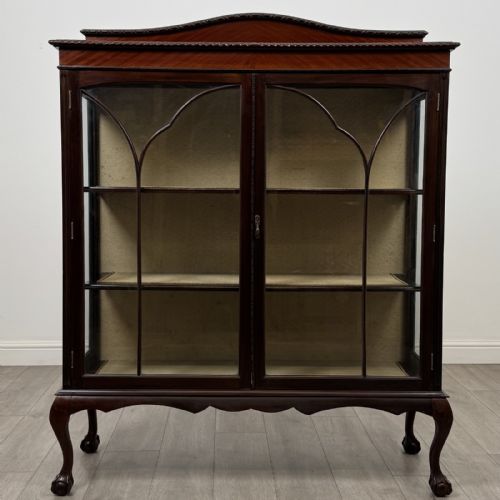
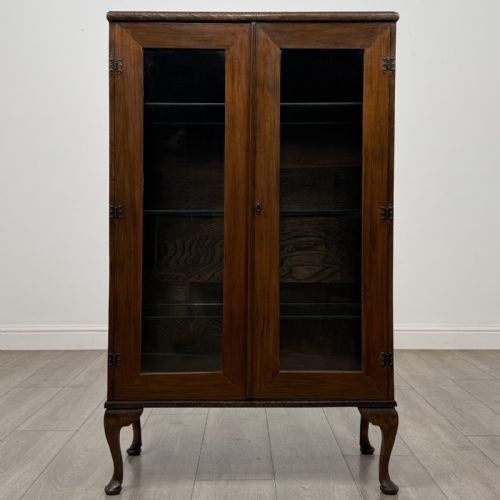
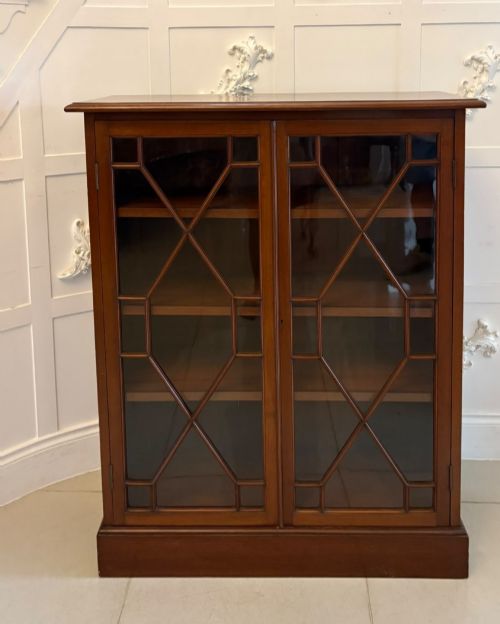
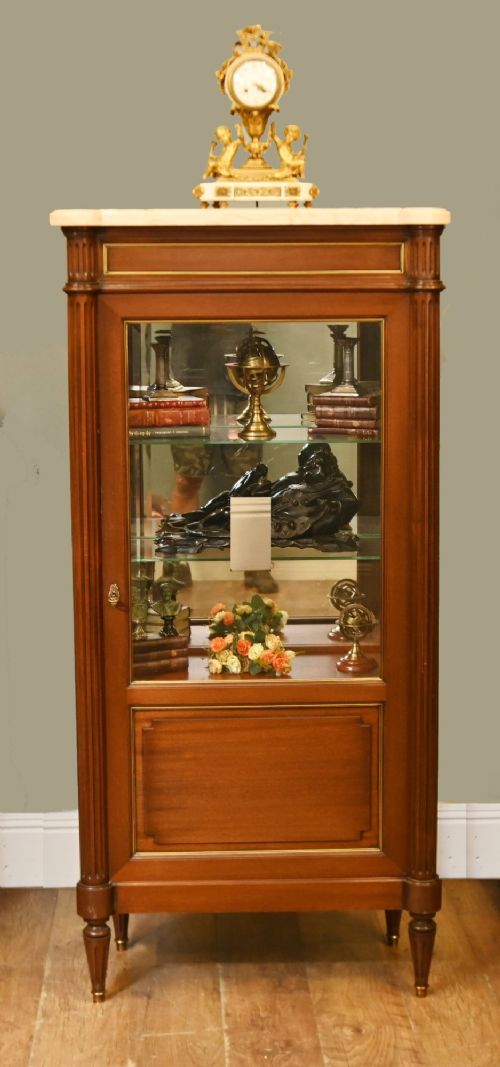
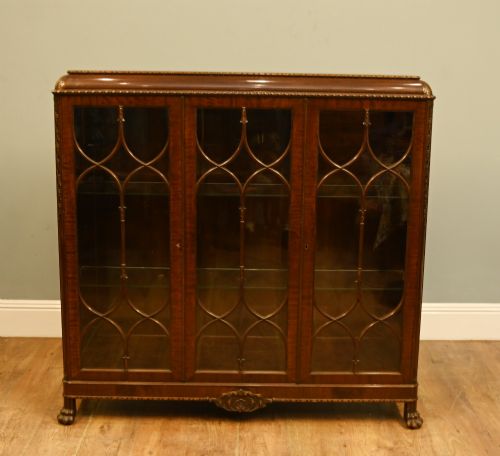
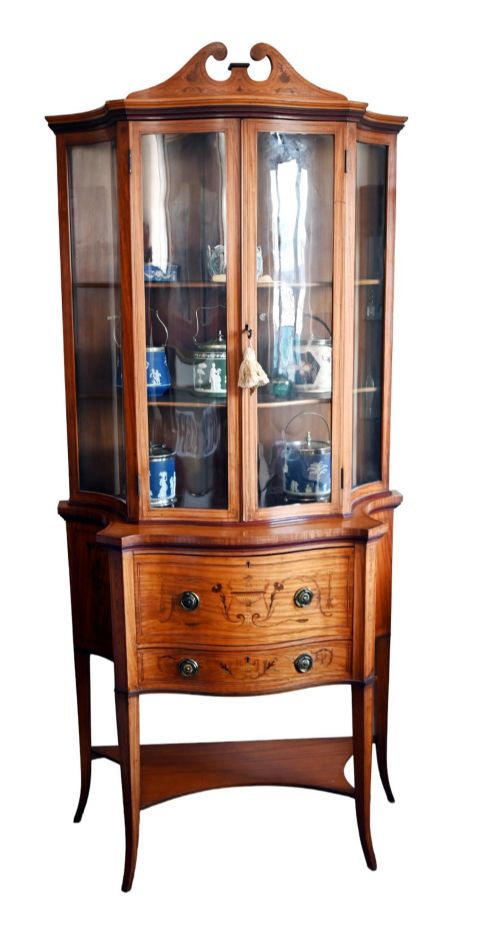
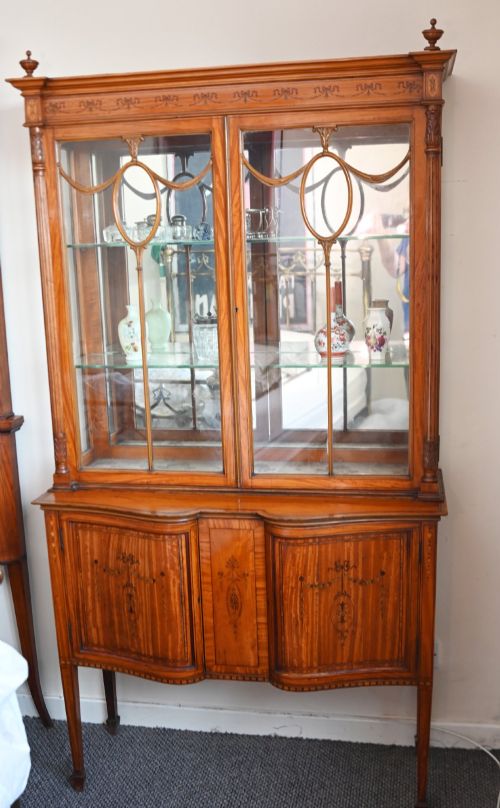
These edwardian glazed china display pieces combine fine timber frames with clear glass panels to hold and protect collections.
Edwardian Glazed China Display
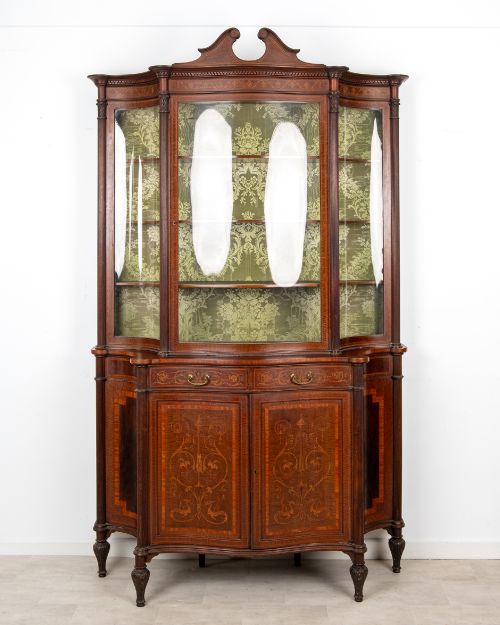
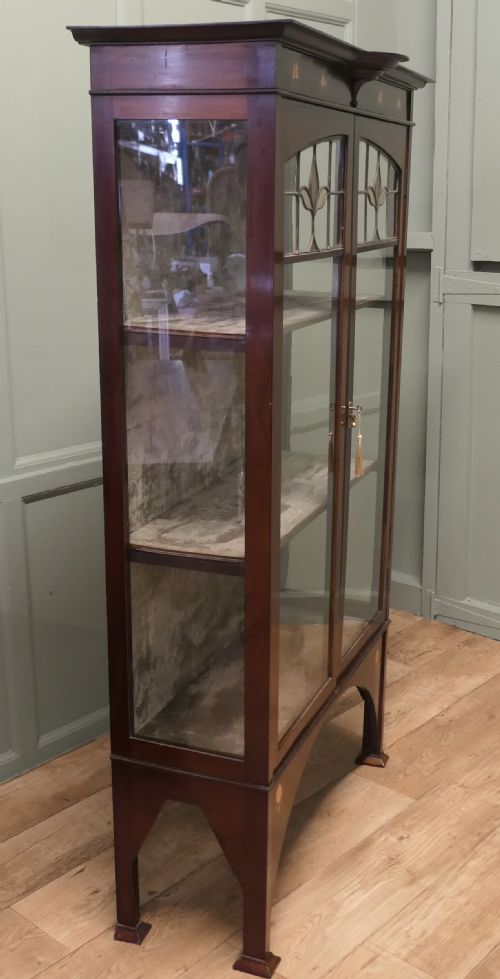
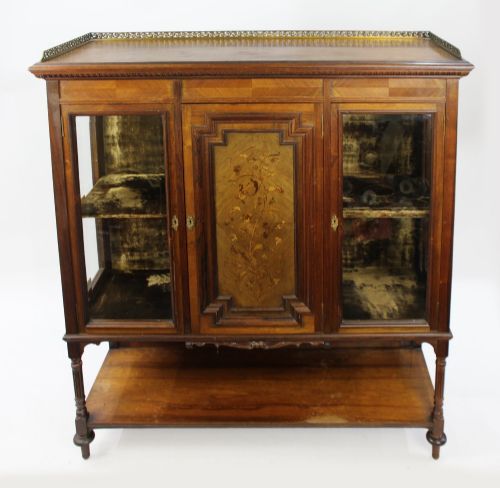
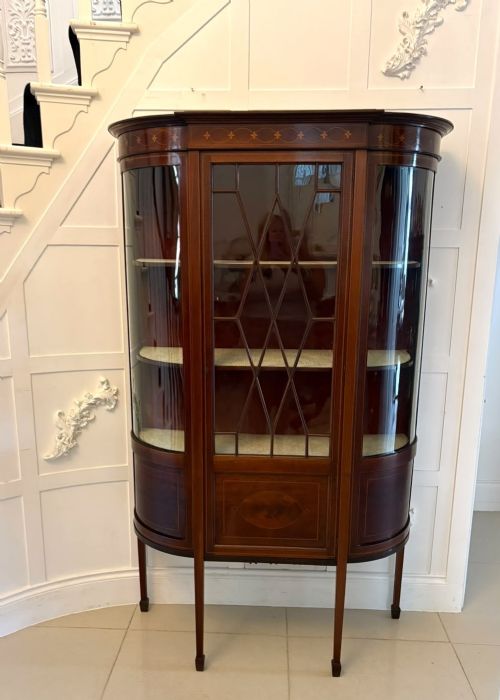
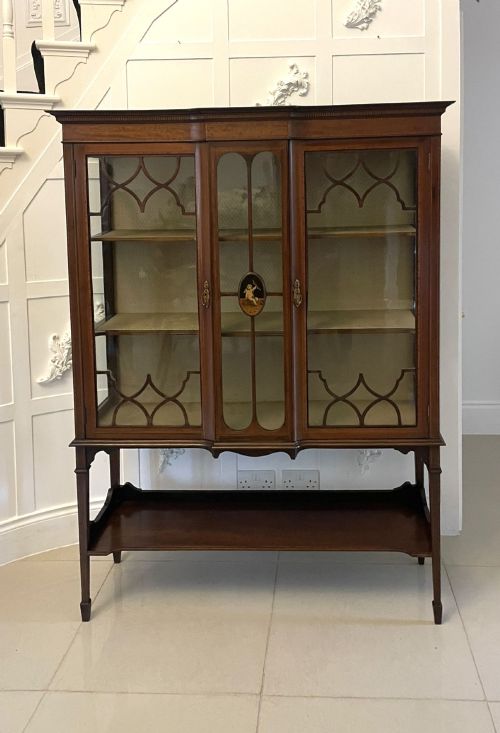
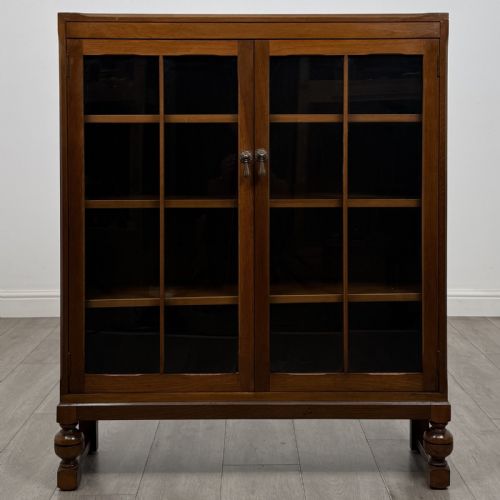
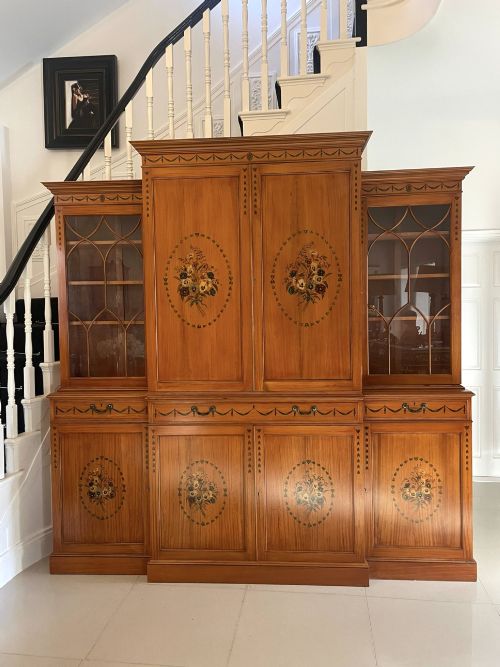
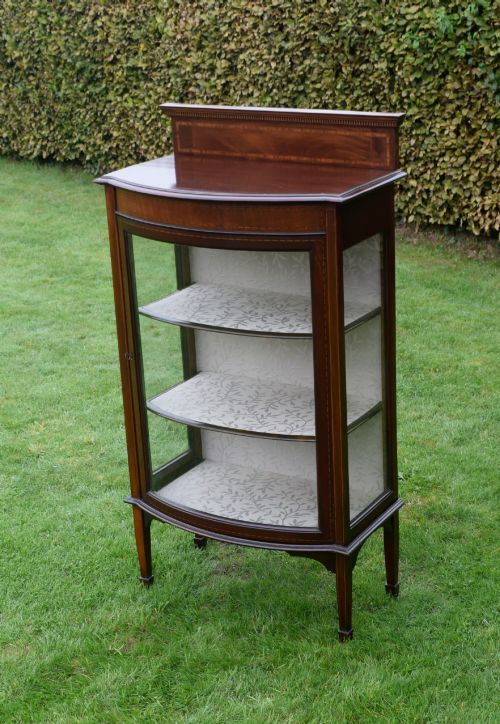
An edwardian glazed china display cabinet takes several distinct forms, from bow-fronted mahogany structures to taller breakfront bookcases with glass shelves. Most pieces originate from the Edwardian period and the late Victorian era, though earlier nineteenth-century examples and later interpretations extending into the nineteen-twenties also appear.
Makers constructed these units primarily as display cabinets, bookcases, and combined bureau bookcases to showcase porcelain alongside volumes. The design vocabulary draws heavily on revival styles, notably Sheraton Revival, Chippendale Revival, and Queen Anne Revival, alongside Arts and Crafts influences.
Materials and Construction
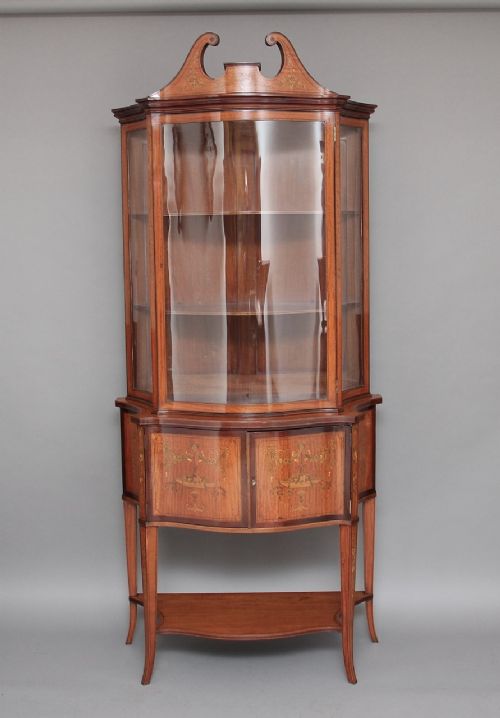
Cabinet makers relied predominantly on mahogany, satinwood, oak, and walnut, often applying intricate marquetry and inlay work using contrasting timbers. Glazing techniques range from simple geometric panes to complex Gothic arches and astral bars that structure the front and side windows.
Structural details include spade feet, cabriole legs, turned supports, and occasionally hand-painted decoration or porcelain plaques set into the wooden framework.
Revival styles span Sheraton, Chippendale, Jacobean, and Queen Anne aesthetics across the Edwardian and Victorian eras.
Craftsmanship and Materials
The standard of an edwardian glazed china display unit rests on the choice of timber and the precision of its inlay. Dense grain figures in the mahogany or satinwood and crisp execution of stringing elevate certain cabinets.
Joinery integrity and the originality of the glass panes, painted motifs, and brass hardware determine the standing of each piece.
Maple and Co·Hampton and Sons
The Edwardian Glazed China Display Glossary
- Breakfront
- A piece of furniture whose central section projects forward from the flanking wings. This architectural arrangement creates depth and visual variety across the front facade.
- Astral Glazing
- Glazing bars that divide a glass door into multiple smaller panes. These delicate wooden strips support the glass while contributing to the overall decorative style.
- Vitrine
- A glass-sided cabinet designed specifically for displaying porcelain, curiosities, or objects d'art. The term derives from the French word for glass.
- Marquetry
- Decorative veneer patterns formed by fitting together small pieces of different woods, metals, or shells. Artisans apply these pictorial or geometric designs to the primary timber surfaces.
- Bow-Front
- A convex, outward-curving front section on a cabinet or chest. This curved profile softens the rectangular geometry typical of many timber storage pieces.
Edwardian Glazed China Display: Frequently Asked Questions
What fits inside an edwardian glazed china display cabinet?
These cabinets suit porcelain services, glassware, figurines, and decorative ceramics. The enclosed shelving protects delicate items from household dust while keeping them visible.
Deep shelves accommodate larger platters, while narrower upper compartments support smaller teacups and saucers.
How do I care for the timber surfaces?
Maintain the wood by applying a quality beeswax polish periodically and buffing with a soft cloth. Keep the furniture away from direct sunlight and heat sources to prevent timber splitting.
Clean the glass panels using a standard glass cleaner applied to a cloth rather than sprayed directly onto the surface.
Where should I place a display cabinet?
Position the cabinet against a sturdy interior wall away from damp areas and heavy traffic zones. Adequate room in front allows the glass doors to swing open fully for access.
Stable floor placement ensures the tall glass and timber structure remains level and secure.
How do I distinguish Edwardian from Victorian styles?
Edwardian pieces tend to feature lighter timbers like satinwood and brighter, more delicate inlay patterns reflecting Sheraton Revival tastes. Victorian examples often employ heavier carved mahogany and darker oak.
Proportions also shift, with Edwardian designs favouring airier silhouettes and bracket or spade feet.