
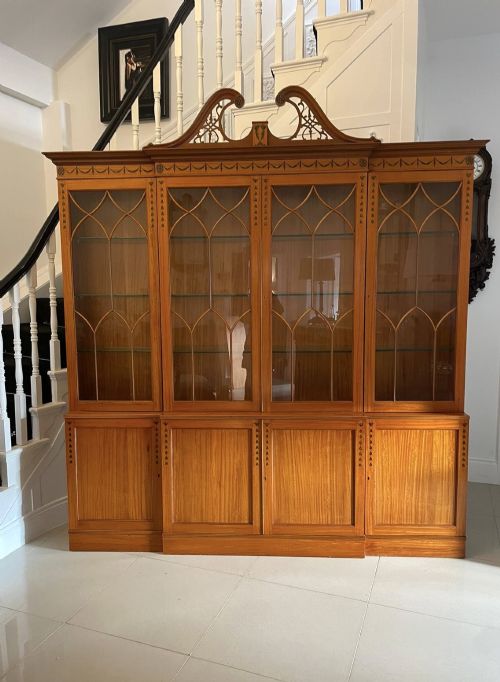
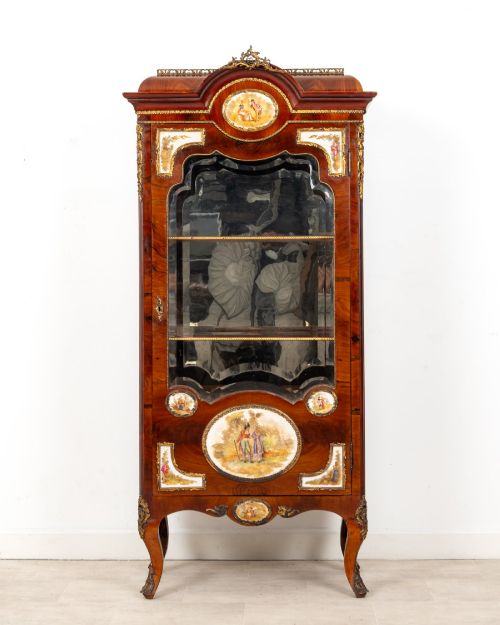
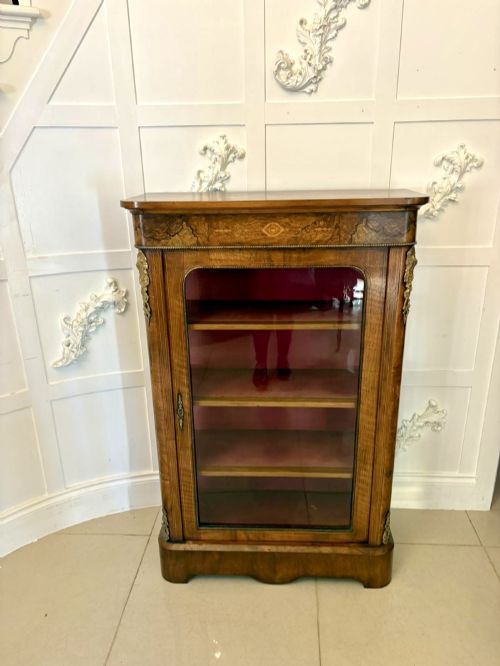
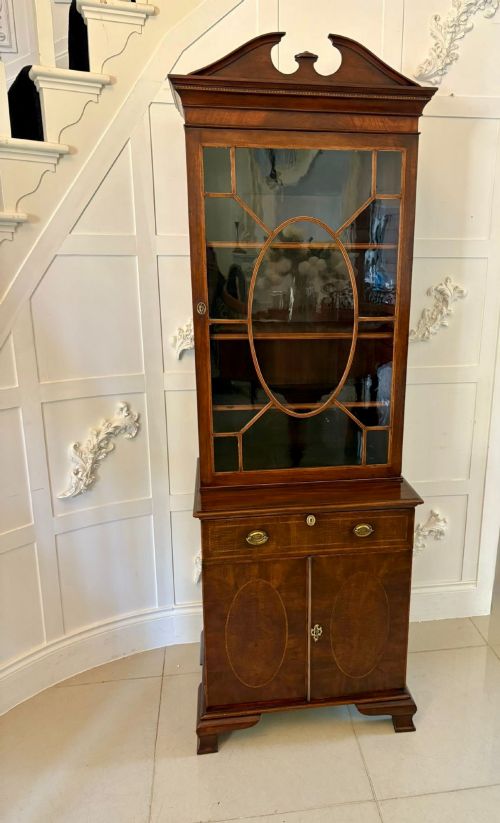

Edwardian Glass Bookcase
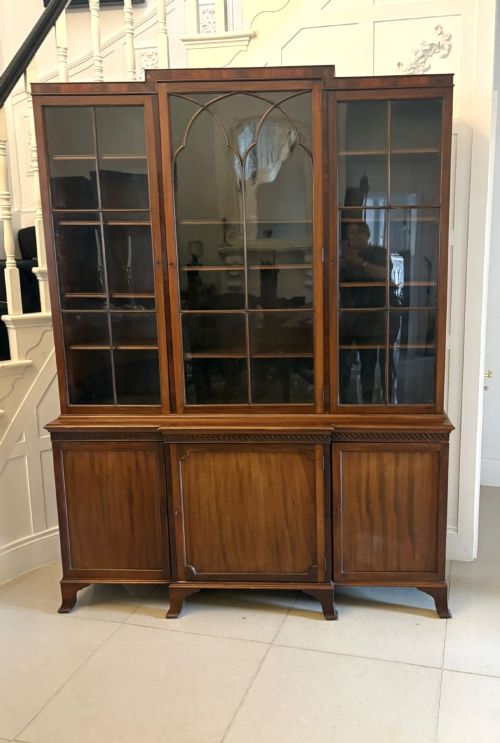
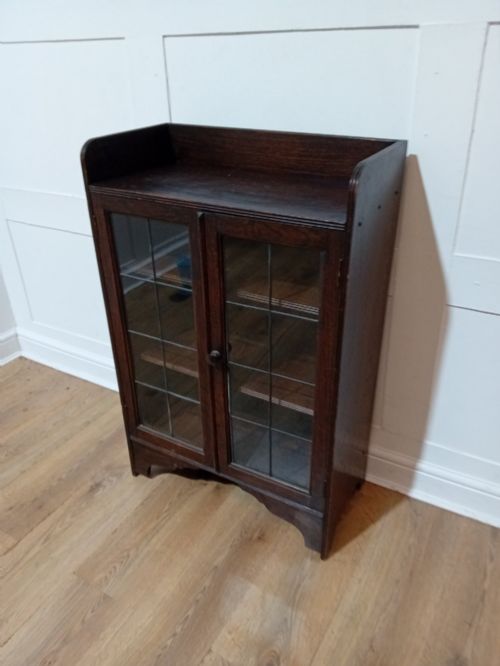
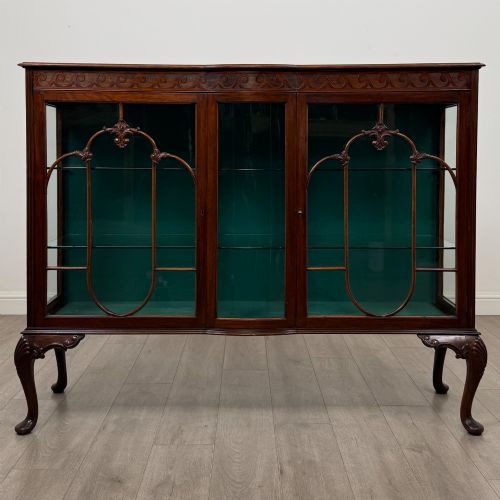
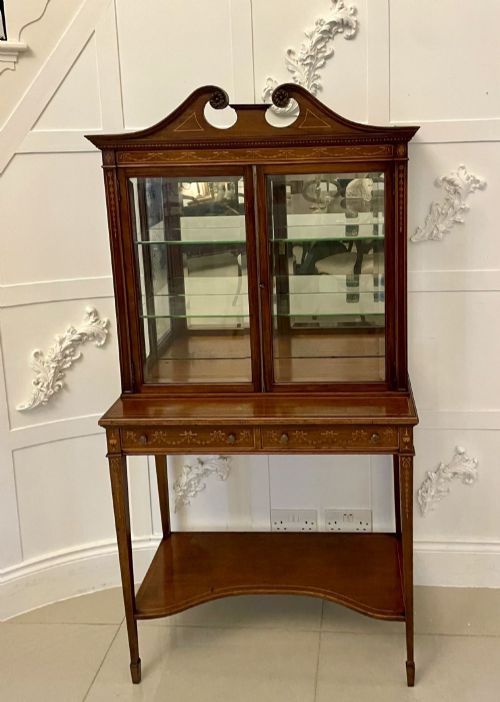
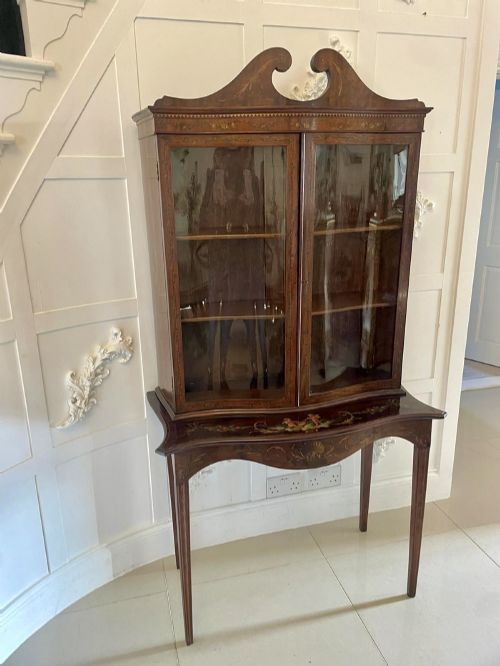
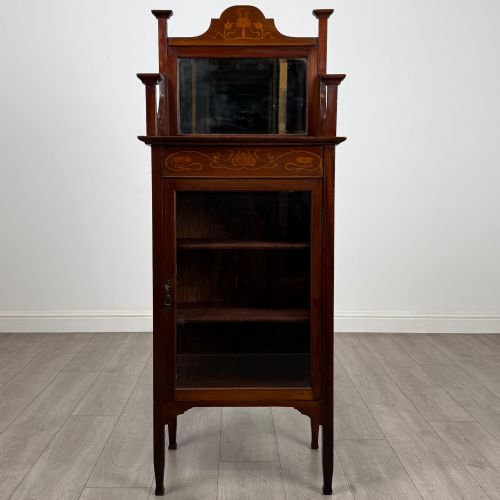
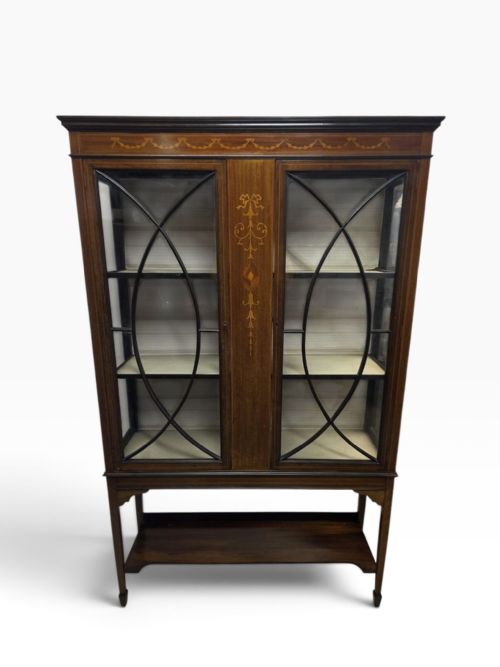
An edwardian glass bookcase brings together polished timber and clear glazing to hold a library.
Edwardian Glass Bookcase
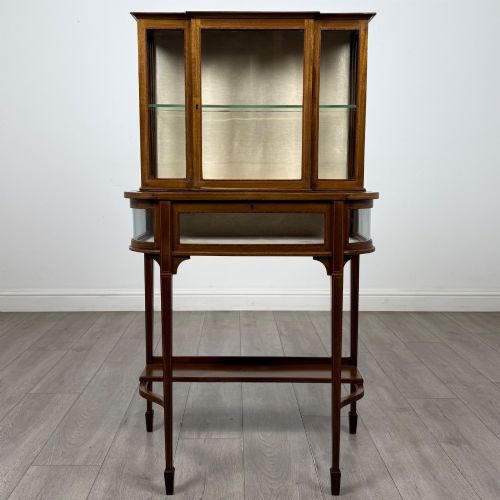
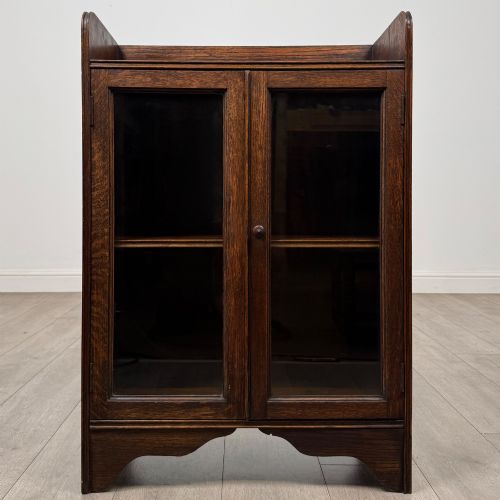
An edwardian glass bookcase gathers display cabinets, glazed cabinets, and stacking units into a single domestic family. Pieces span the Edwardian era alongside late Victorian and early twentieth-century dates, anchoring studies and drawing rooms.
Makers construct these items primarily in mahogany, oak, and satinwood, applying walnut and brass details. Styles draw on Sheraton Revival, Arts and Crafts, and Queen Anne Revival idioms.
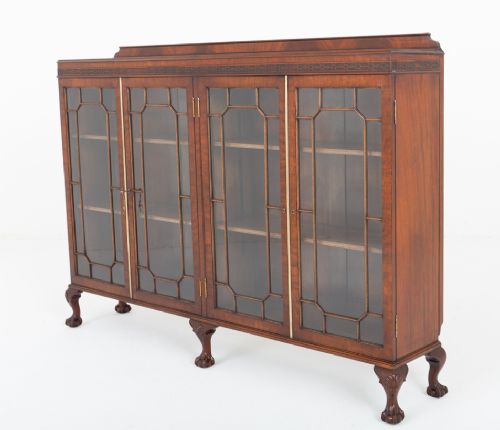
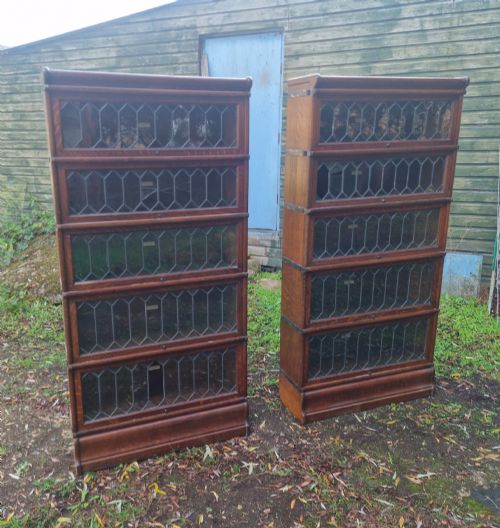
The dominant forms are breakfront libraries, two-part display cabinets, and sectional barrister bookcases with leaded glass panes.
Materials and Technique
Cabinetmakers select mahogany, oak, satinwood, and walnut, often framing the timber with brass fittings and glass panels. Lead secures individual panes in leaded variants.
Joiners apply inlay, marquetry, and original painted decoration to the wooden surfaces, framing glazed doors that protect books and porcelain.
Design influences span Sheraton Revival, Arts and Crafts, and Queen Anne Revival movements.
Standards of Construction
Excellence rests in the selection of figured timbers, the crispness of inlaid details, and the integrity of the glazing bars. Breakfront proportions and original painted decoration separate standard utility furniture from finer commissions.
The precision of stacking mechanisms in sectional bookcases and the weight of the brass hardware determine the durability of the piece over time.
Hampton & Sons·Edwards & Roberts·Maple & Co.
The Edwardian Glass Bookcase Glossary
- Breakfront
- A cabinet design where the central section projects forward from the flanking wings. This creates architectural depth in large bookcases.
- Globe Wernicke
- A sectional stacking bookcase with glass doors that lift and slide into the cabinet above each shelf. These modular units permit custom assembly.
- Astral glazed
- Glazing divided into delicate geometric panes by narrow wooden bars called muntins. This method frames the contents while maintaining structural rigidity.
- Marquetry
- The art of applying pieces of veneer to a structure to form decorative patterns. Craftsmen utilise various coloured woods to achieve pictorial designs.
- Vitrine
- A glass-fronted display cabinet used for showcasing china, glass, or small objects. These pieces rely on full glass doors to maximise visibility.
Edwardian Glass Bookcase: Frequently Asked Questions
What defines an edwardian glass bookcase?
These pieces combine wooden cabinetry with glass doors, designed to hold books and display objects simultaneously. They utilise timbers such as mahogany and oak.
Craftsmen often added decorative inlay or leaded panes, reflecting revival styles popular at the turn of the twentieth century.
How do stacking bookcases work?
Stacking bookcases consist of separate modular sections that fit vertically one upon another. Each tier possesses its own glass door.
Users lift and slide the door into the unit above to access the books stored inside that specific section.
Where were these bookcases placed?
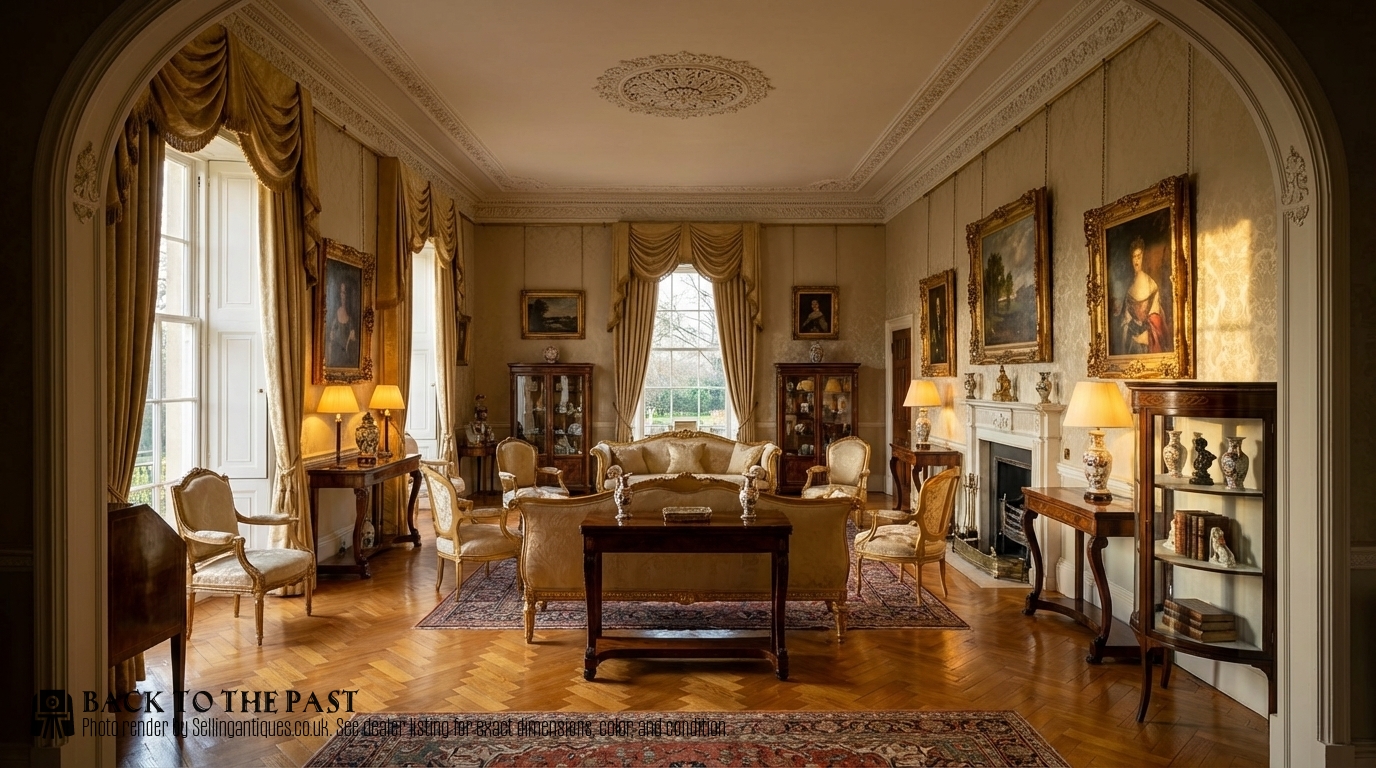
Households positioned these cabinets in libraries, studies, and drawing rooms to protect valuable volumes from dust. Glazed doors permitted owners to view titles easily.
Some variants served a dual purpose as china cabinets or display vitrines for decorative items.
How do I care for the wood?
Maintain timber surfaces by dusting with a soft cloth and avoiding direct sunlight. Excessive heat causes the wood to dry and warp.
Apply suitable wax periodically to nourish mahogany, oak, and satinwood finishes without sealing the grain.