


Edwardian Gilt Frame
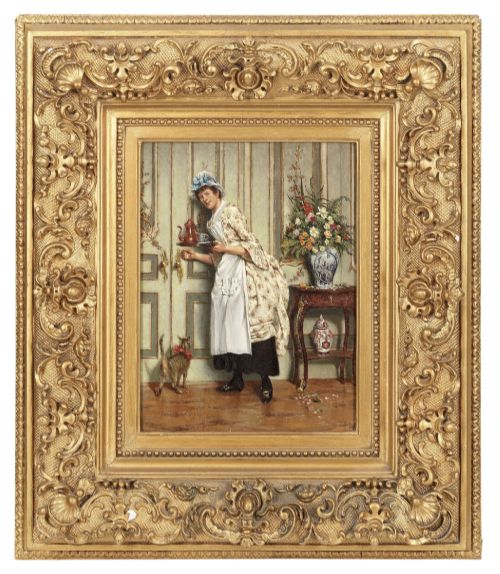
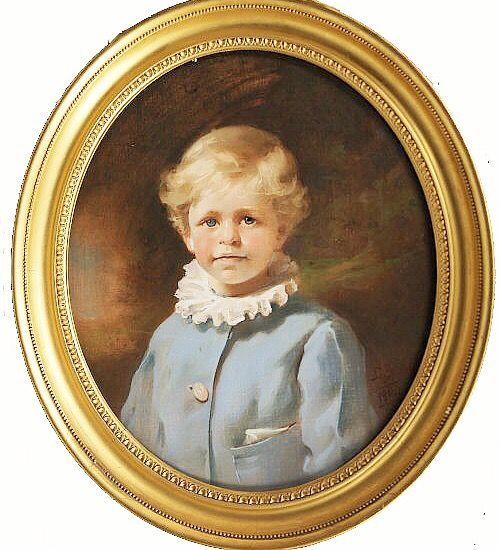
When you search for an edwardian gilt frame, you find wall mirrors, dressing mirrors, and picture surrounds that bring period warmth to a room.
Edwardian Gilt Frame
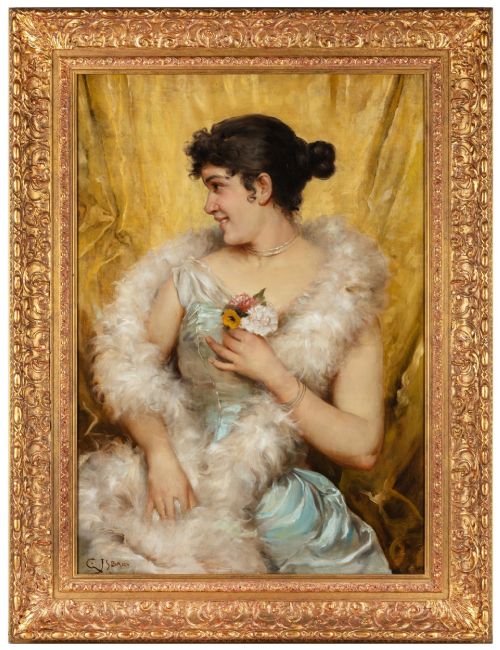
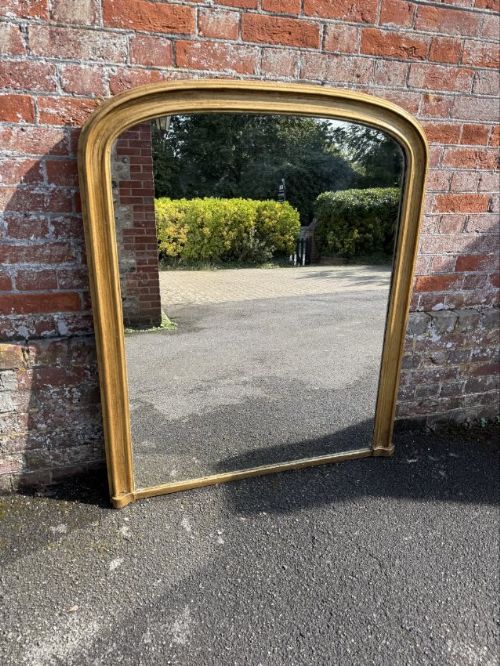
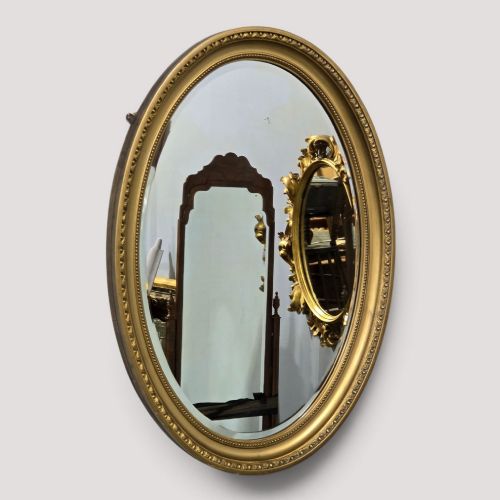
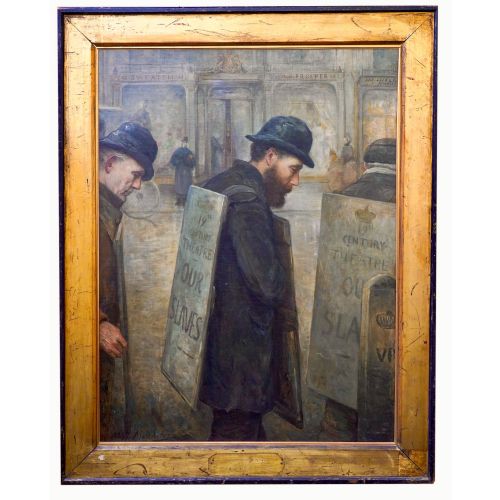
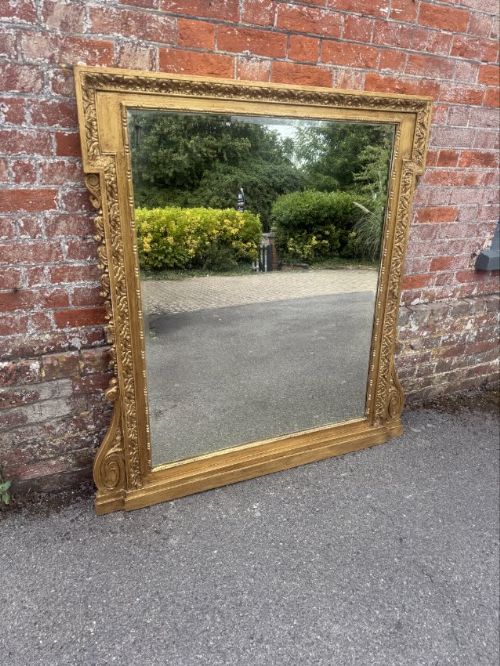
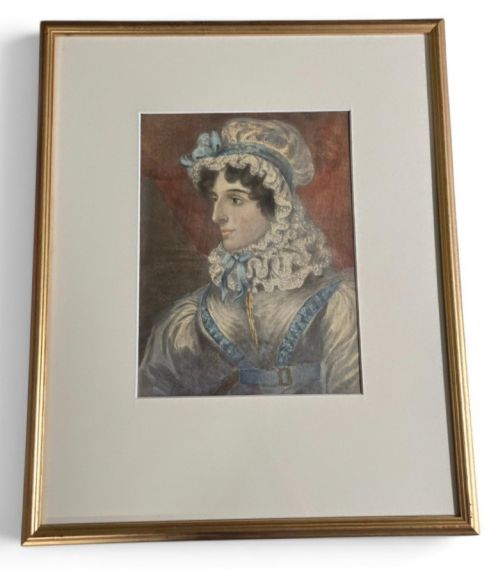
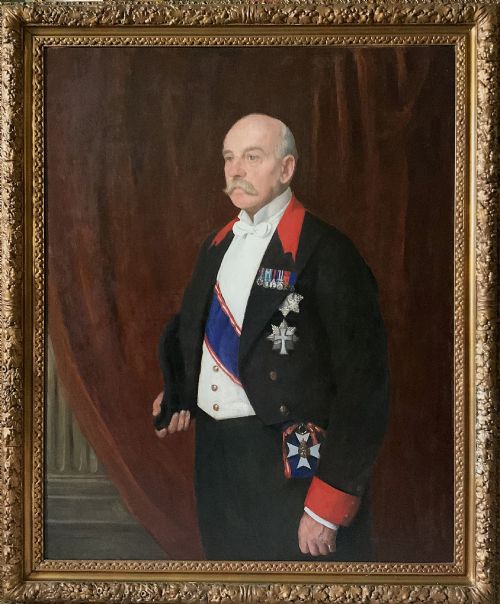
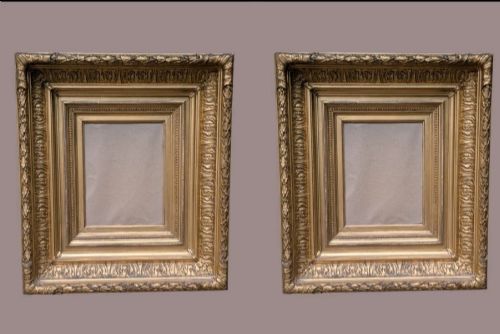
The edwardian gilt frame search term brings together mirrors, portraits, and decorative surrounds shaped during the early twentieth century and the surrounding decades. You will frequently encounter oval wall mirrors, large overmantels, and swept picture frames designed to hold oil paintings or watercolours.
Many examples combine the heavy ornamentation carried over from Victorian workshops with the lighter proportions favoured after nineteen hundred. Makers utilised carved wood and moulded plaster to build profiles that ranged from simple beaded borders to deeply curved sweeps.
Originating largely in British domestic contexts, these objects served both functional daily use in dressing rooms and formal display in drawing rooms. Surviving pieces often retain their original glass, backing boards, or period watercolours.
Materials and construction methods
Makers built the structural core of an edwardian gilt frame using seasoned timber such as pine or hardwood, joined at the corners with mitres and reinforced blocks. Over this wooden base, artisans applied layers of gesso, a fine plaster mixture that provided a smooth, responsive surface for carving and detail work.
Guilders then laid thin sheets of gold leaf or applied liquid metallic finishes across the prepared gesso, burnishing the surface to achieve a warm lustre. Decorative motifs, including scrolling foliage and beaded lines, were either hand-carved directly into the wood or moulded in composition paste and pressed onto the frame.
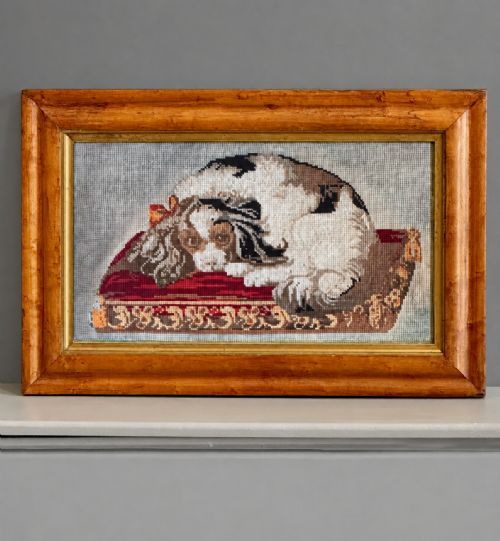
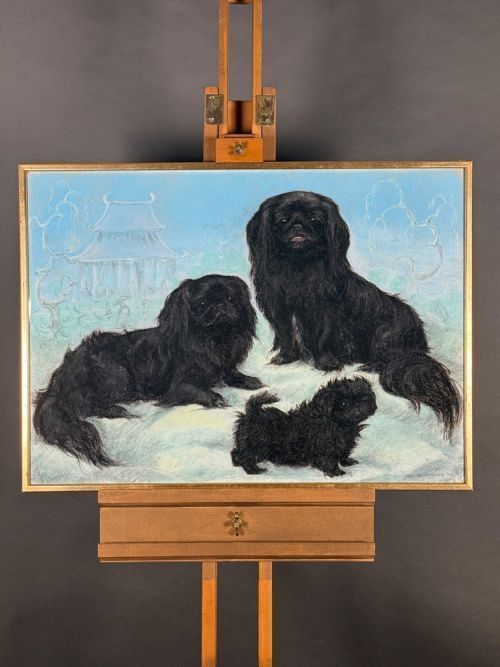
Several Edwardian frames chose to abandon human portraits entirely in favour of immortalising King Charles spaniels and Pekingese dogs in gold.
Distinctions in construction and finish
Quality in an edwardian gilt frame rests upon the depth and precision of the underlying carving compared to mass-produced composition ornament. Hand-carved wooden details show crisp undercut edges and organic variation, whereas moulded paste decorations can appear soft or uniform under close inspection.
The preservation of the original gilt surface determines much of the character of a surviving piece. Frames that retain their original gold leaf with natural ageing and minimal overpainting display a richer tonal depth than those stripped and regilt in later decades.
The Edwardian Gilt Frame Glossary
- Gesso
- A dense plaster mixture applied to the wooden substrate of a frame to create a smooth base for gilding. It allows artisans to carve intricate relief patterns before applying gold leaf.
- Giltwood
- Timber that has been coated in gold leaf or gold paint. This material gives frames their characteristic metallic radiance while keeping the core structure relatively lightweight.
- Swept frame
- A picture frame featuring a deeply curved profile that rolls outward from the rebate toward the outer edge. This style draws the eye inward toward the canvas.
- Overmantel mirror
- A large wall mirror specifically designed to hang above a fireplace mantel. These pieces often feature arched tops and substantial proportions to fill the chimney breast.
- Composition
- A pliable mixture of whiting, resin, glue, and oil pressed into moulds to create decorative ornaments for frames. It was widely used as a cost-effective alternative to hand carving.
Edwardian Gilt Frame: Frequently Asked Questions
How do I clean an antique gilt frame?
Dust the surface gently with a soft, dry brush to remove accumulated particles without disturbing the delicate metallic leaf. Avoid using water, household detergents, or chemical solvents, which can strip the thin gold layer and underlying gesso.
If the piece requires deeper attention, consult a professional conservator rather than attempting repairs at home. Modern cleaning agents often cause irreversible damage to aged gilded surfaces.
Were these frames made only for mirrors?
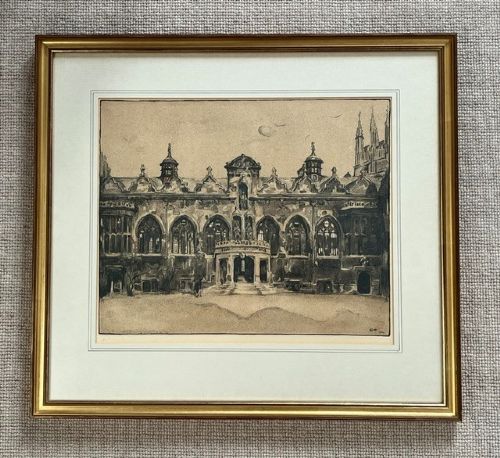
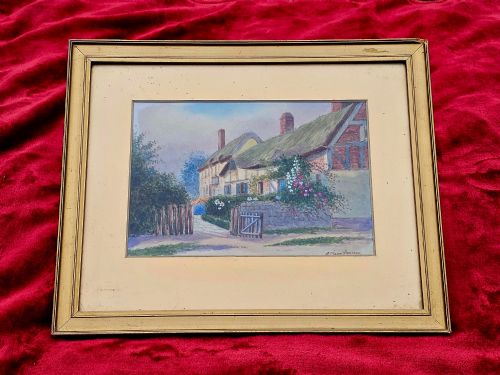
Makers constructed these surrounds to house a wide variety of domestic items, including oil paintings, watercolours, photographs, and needlework panels. Portraiture and landscape art frequently required custom moulding to complement the subject matter.
Mirrors represented a substantial portion of production, designed to reflect light into darker Victorian and Edwardian rooms. Interchangeable uses often occurred as families reframed artwork over generations.
How can I tell genuine gold leaf from modern paint?
Genuine gold leaf exhibits a soft, multi-tonal warmth and shows microscopic seams where individual sheets overlap during application. Under magnification, you will see subtle signs of wear and tarnishing that reveal the reddish bole layer underneath.
Modern metallic paints often dry with a flat, uniform sheen and lack the depth associated with traditional water or oil gilding. They also tend to pool in crevices rather than sitting evenly over the gesso relief.