



Edwardian Garden Art
Edwardian garden art brings together works depicting planted landscapes and tangible outdoor furnishings from the turn of the twentieth century.
Edwardian Garden Art
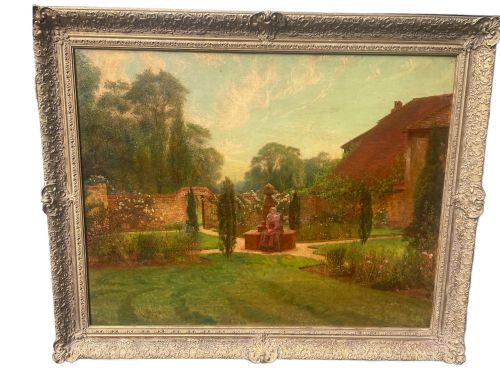
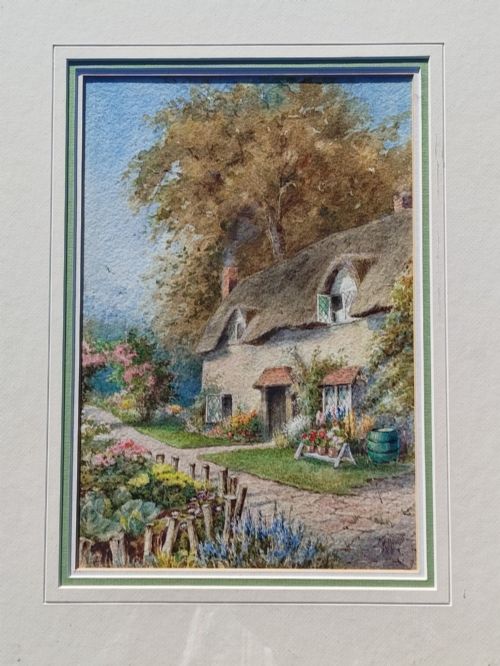
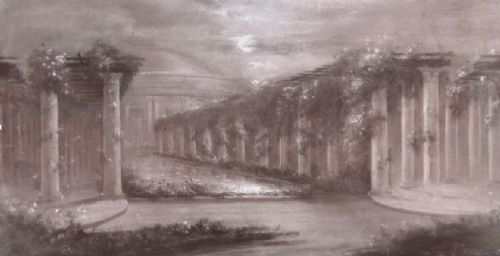
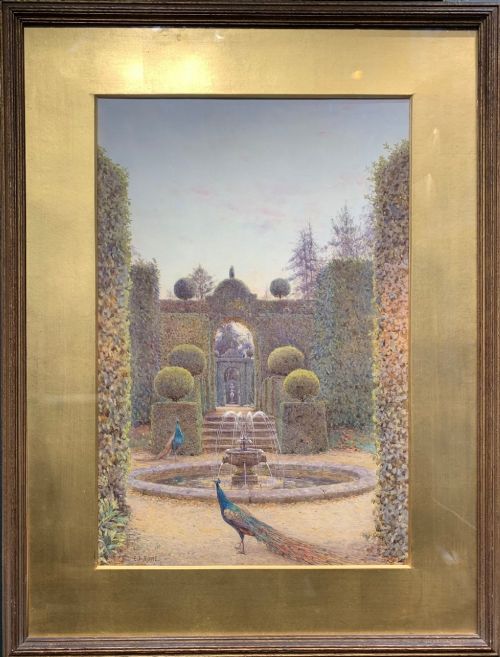
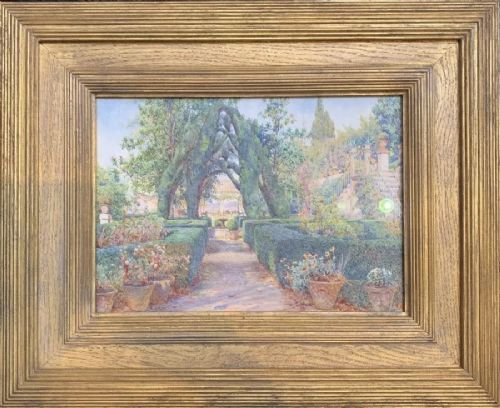
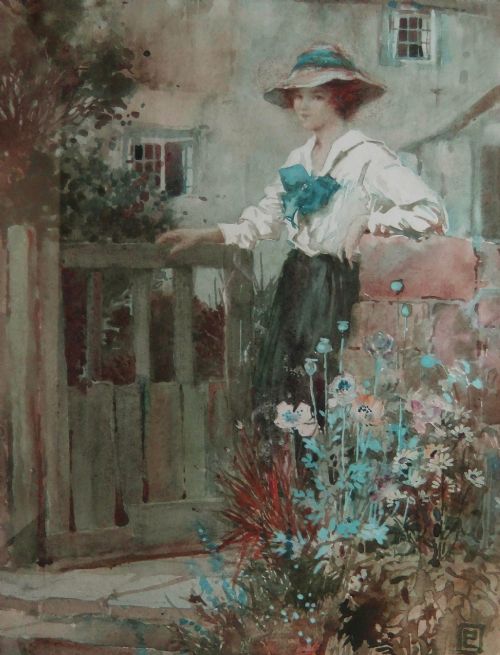
Edwardian garden art encompasses both fine art paintings on paper and canvas alongside physical objects created for outdoor spaces. Buyers searching this phrase encounter two distinct categories: watercolours and oil paintings depicting floral borders, country houses, and cottage gardens, paired with functional garden furniture and ornaments.
The painted works frequently date from the Edwardian period, 1900, 1910, and 1920, capturing pastoral scenes and British Impressionism through the hands of period artists. Alongside these flat works, the tangible objects consist of teak garden benches, terracotta pots, copper weather vanes, and bronze bridge sculptures originating from the same era.
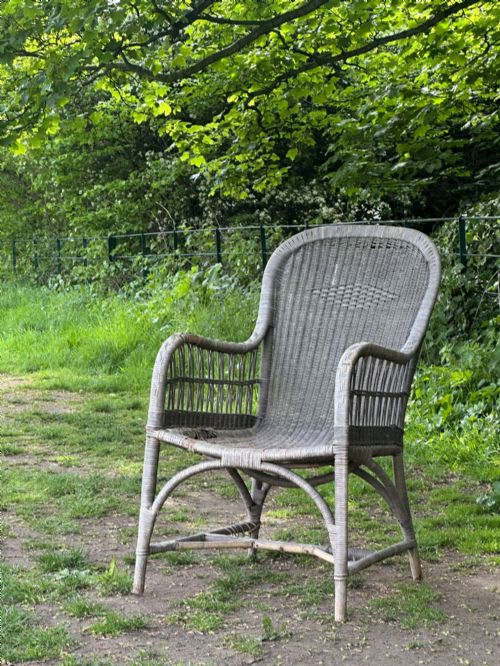
Compton Pottery style terracotta planters and weathered wood seats represent the physical utility expected in spaces of this period. Whether selecting a framed watercolour of spring crocuses or a silvered teak bench seat, collectors engage with the visual and functional culture of early twentieth-century horticulture.
How They Were Made
Watercolour pigment on paper and oil paint on canvas form the primary mediums for the pictorial works in this category, often applied with the loose brushwork characteristic of British Impressionism and Edwardian Pastoral styles. Artists utilised paper attached to canvas stretchers and mixed media to capture the changing light of walled gardens and country estates.
The physical garden objects utilise durable outdoor materials such as teak, copper, terracotta, and bronze to withstand the elements. Benches employ carved wood construction with heart motifs, while planters utilise moulded terracotta in styles associated with Compton Pottery.
Edwardian Garden Art Retail Price Guide 2026
Typical asking prices for edwardian garden art among the pieces listed under this phrase on Sellingantiques today, from the lower quarter to the upper quarter. They describe what is for sale here now, not the wider market.
Even pet rabbits and hens found themselves immortalised in watercolour by Edwardian artists observing domestic cottage life.
What Varies in Quality
Quality in the painted works rests upon the handling of light, atmosphere, and botanical detail by identified practitioners of the era. Pieces by established watercolourists and oil painters exhibit a distinct command of colour and composition when rendering complex foliage and domestic architecture.
For physical garden pieces, quality emerges through the integrity of the material and the sophistication of the moulding or carving. Terracotta pots with defined scroll relief and benches fashioned from heavy teak demonstrate superior craftsmanship compared to simpler utilitarian forms.
Ernest Arthur Rowe·Dryad of Leicester·Ernest Higgins Rigg·Compton Pottery
The Edwardian Garden Art Glossary
- British Impressionism
- A painting style characterised by visible brushstrokes and an emphasis on accurate depiction of light in outdoor settings. Artists working in this manner focused on natural scenes and everyday pastoral subjects.
- Compton Pottery
- A maker known for terracotta garden ornaments and pots, often displaying detailed relief moulding. Pieces in this style utilise distinct buff or terracotta clay bodies.
- Watercolour
- A painting method where water-soluble pigments are applied to paper. This technique yields translucent washes that were favoured for capturing delicate garden flowers and country cottages.
- Weather Vane
- An architectural instrument placed outdoors to indicate wind direction, frequently fashioned from copper during the early twentieth century. These objects combined utilitarian function with decorative metalwork silhouettes.
Edwardian Garden Art: Frequently Asked Questions
What defines Edwardian garden art?
This category bridges fine art paintings of landscape scenes with tangible items created for horticulture and outdoor living.
The works include watercolours and oil paintings alongside wooden benches, terracotta planters, and metal weather vanes from the early twentieth century.
Who painted these garden scenes?
Period artists working in watercolour and oil captured country houses, walled gardens, and floral studies during the Edwardian era.
Many pieces reflect British Impressionism and pastoral styles popular around 1900 to 1930.
Are the benches suitable for outdoor use?
The physical items include teak garden benches and terracotta pots built to withstand exterior conditions.
Materials like dense timber and durable terracotta were selected for practical placement in period gardens.
How do I identify the period?
Dating relies on stylistic markers within the brushwork, framing materials, and the manufacturing methods of pottery and metalwork.
Most items align with the Edwardian decades and the early twentieth century.